Amador
at Weingut Hajszan Neumann
Grinzinger Str. 86,
1190 Vienna, Austria
+43 660 9070500
Official Site
It had been nearly eight years since my last visit to Vienna. Back then, Austria’s capital did not have a three-Michelin-starred restaurant—something I always found surprising for a city of this caliber, widely regarded as the epicenter of a country with a deep and proud culinary culture. That all changed with the arrival of German three-Michelin-starred chef Juan Amador, who, after years of success in Germany, chose Vienna as the home for his namesake restaurant, Amador.
Restaurant Amador opened in 2015 and was immediately awarded two Michelin stars. Just two years later, the third star followed, making it the first restaurant in Austria to receive such an honor. This marked the third incarnation of Amador. The original restaurant opened in Langen, Germany, where it earned three stars, before relocating to Mannheim and once again achieving the same accolades—prior to finally settling in Vienna.
German-born chef and owner Juan Amador is no stranger to Michelin recognition. He earned his first star as head chef at Restaurant Petersilie in Lüdenscheid, followed by two stars at Schlosshof in Aschaffenburg, before opening his own eponymous restaurant. Chef Amador is widely regarded as one of Germany’s most accomplished and influential chefs.
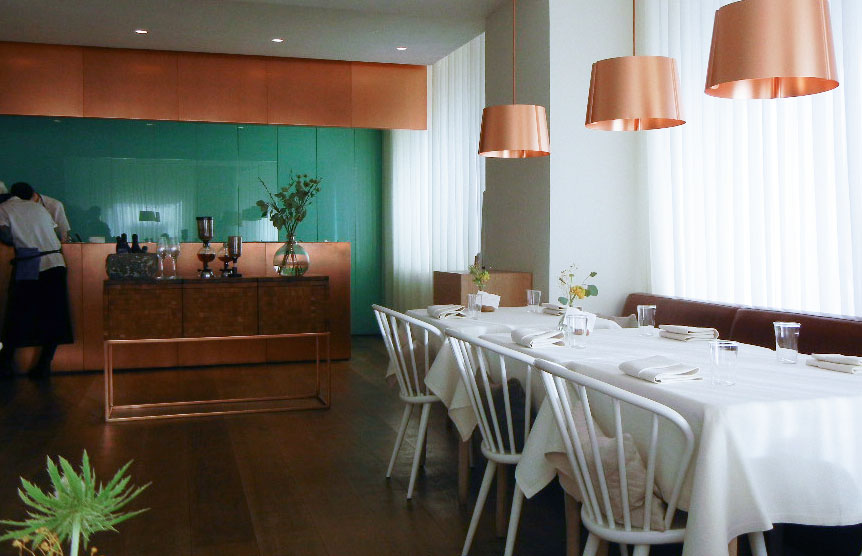
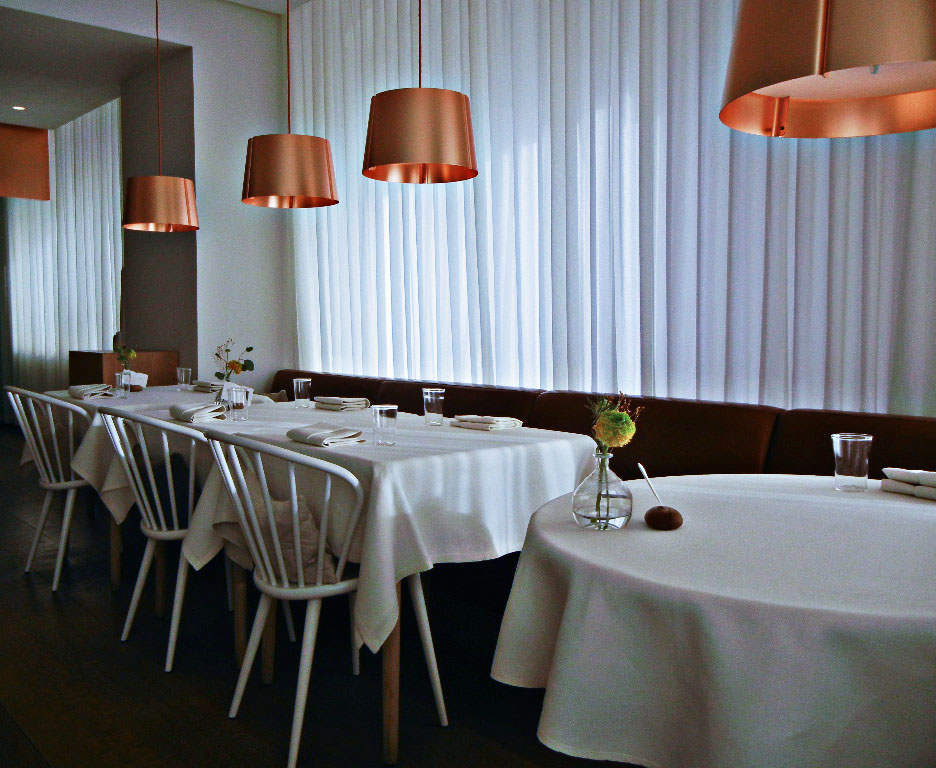
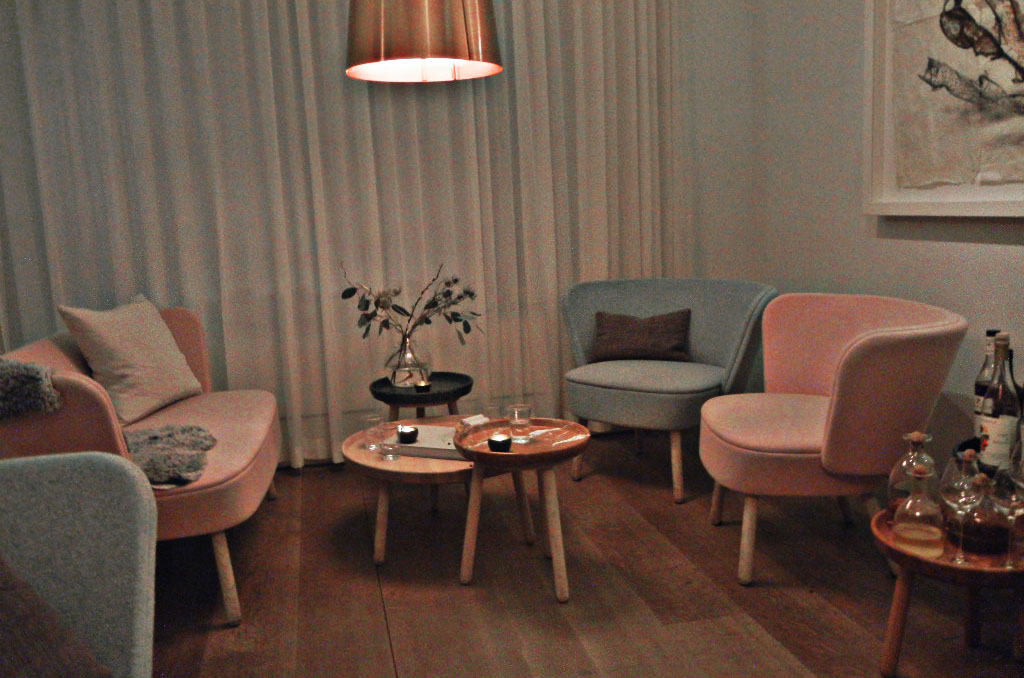
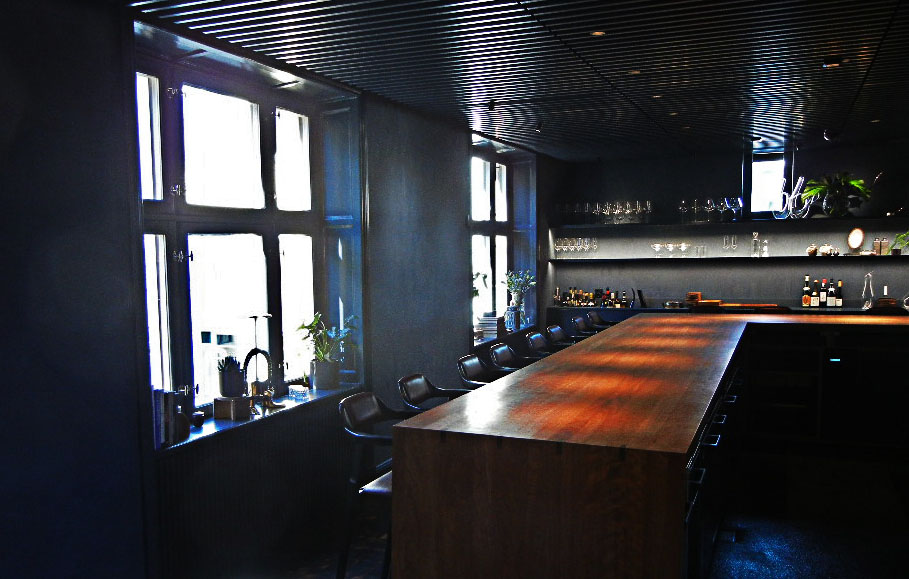
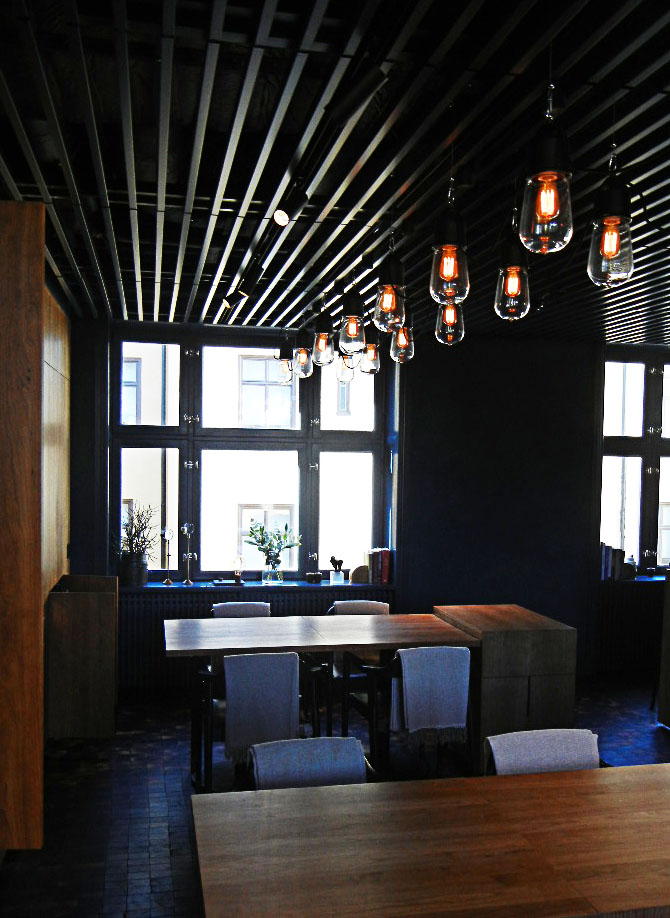
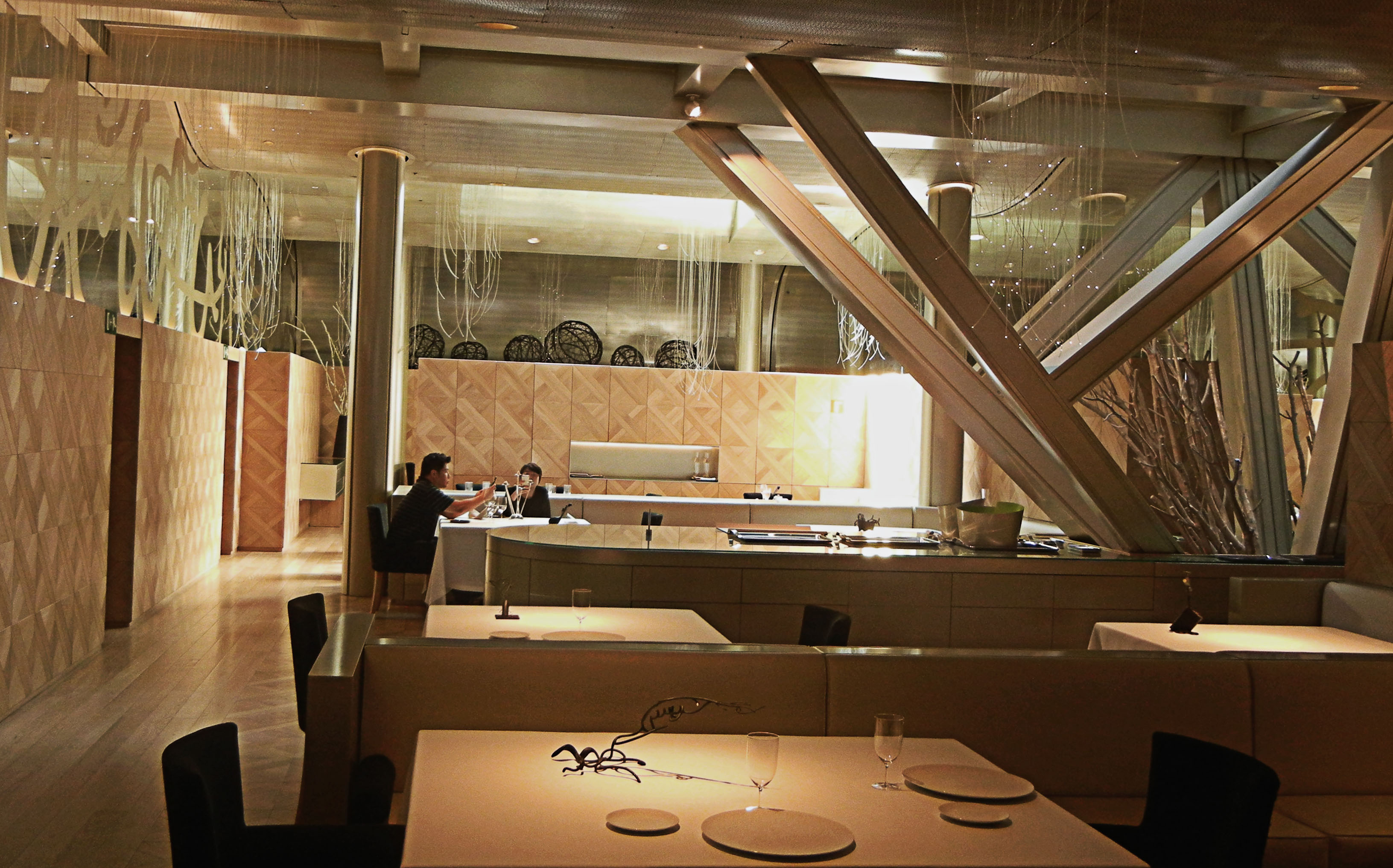
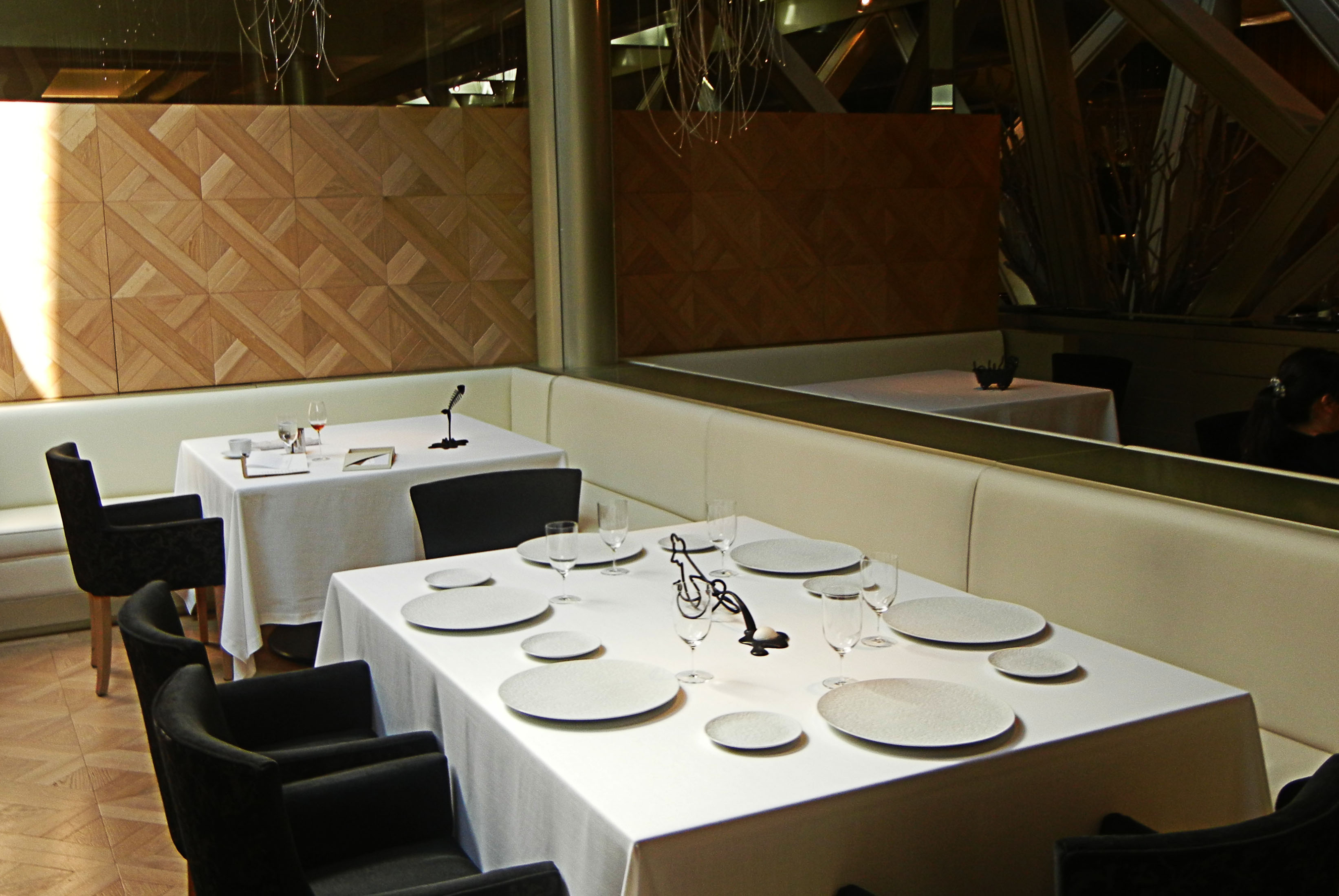
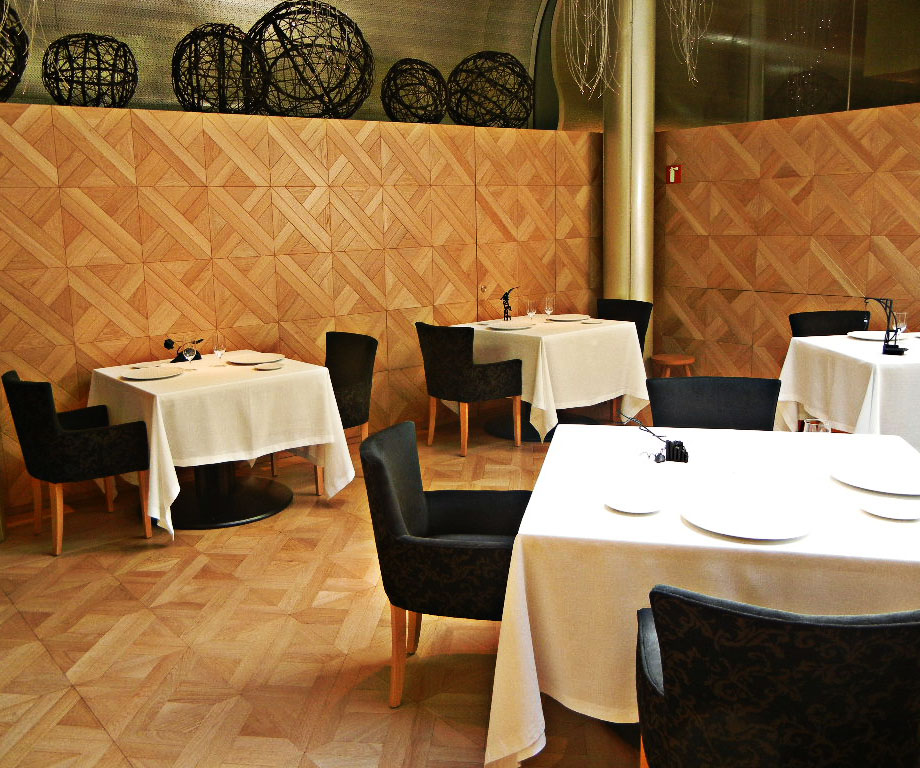
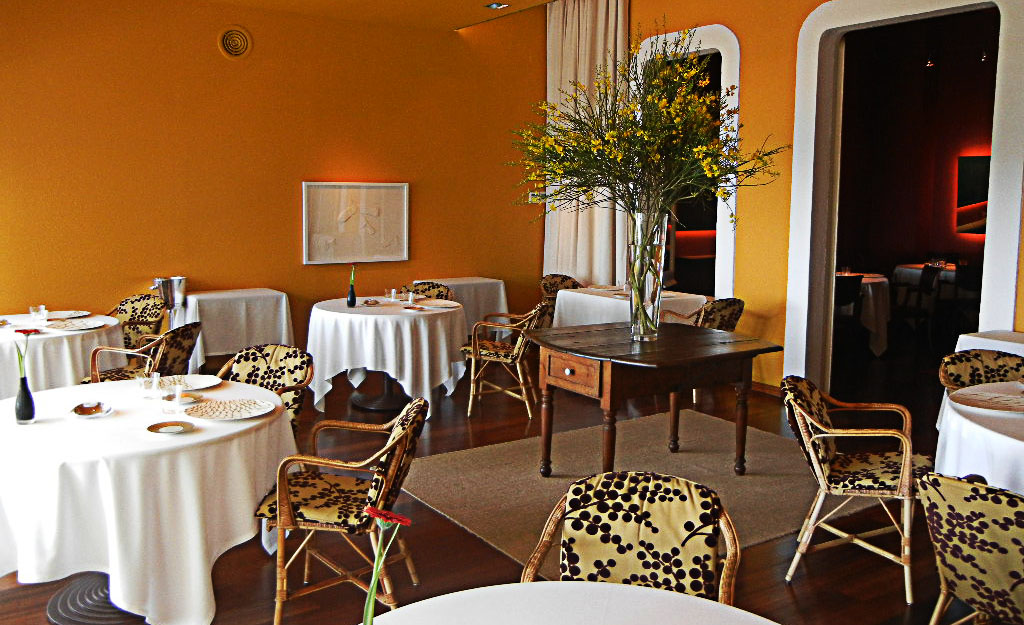
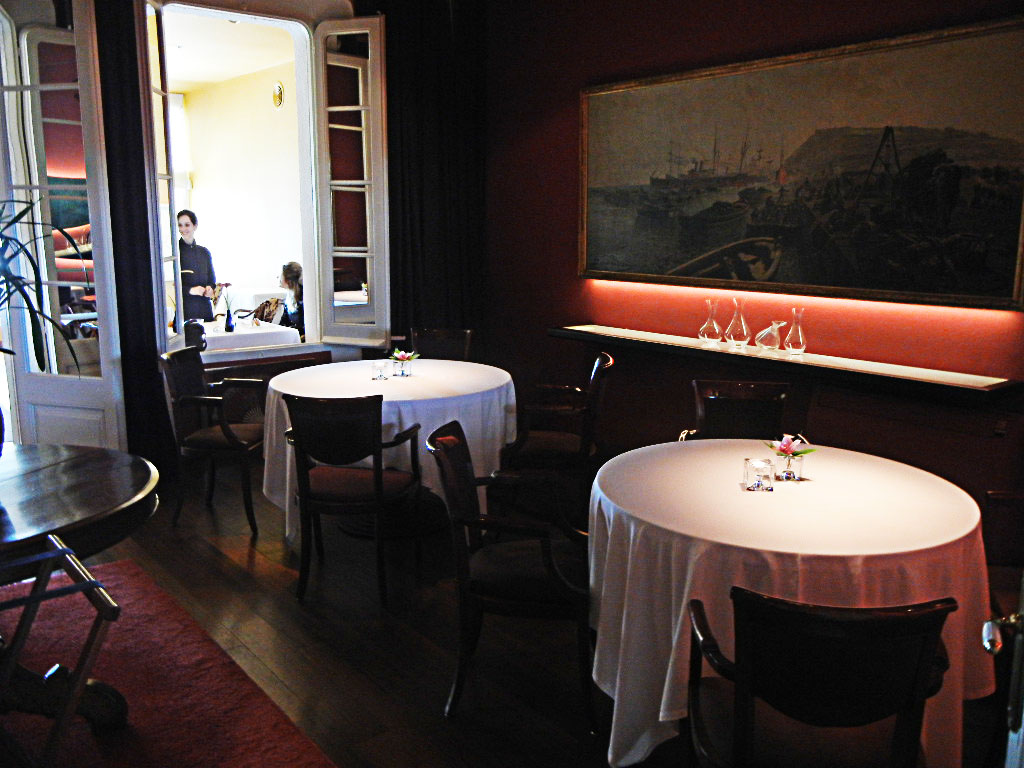
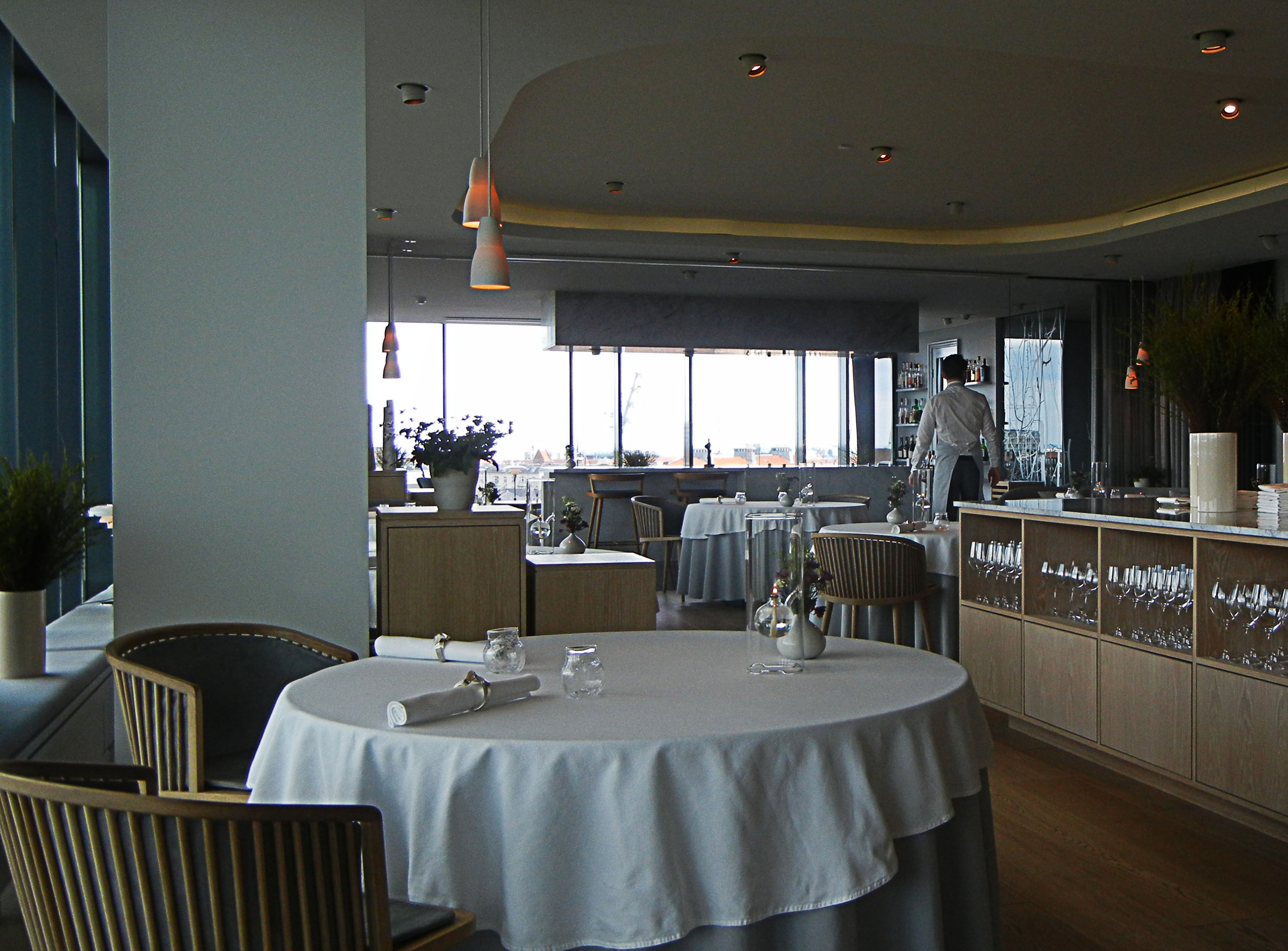
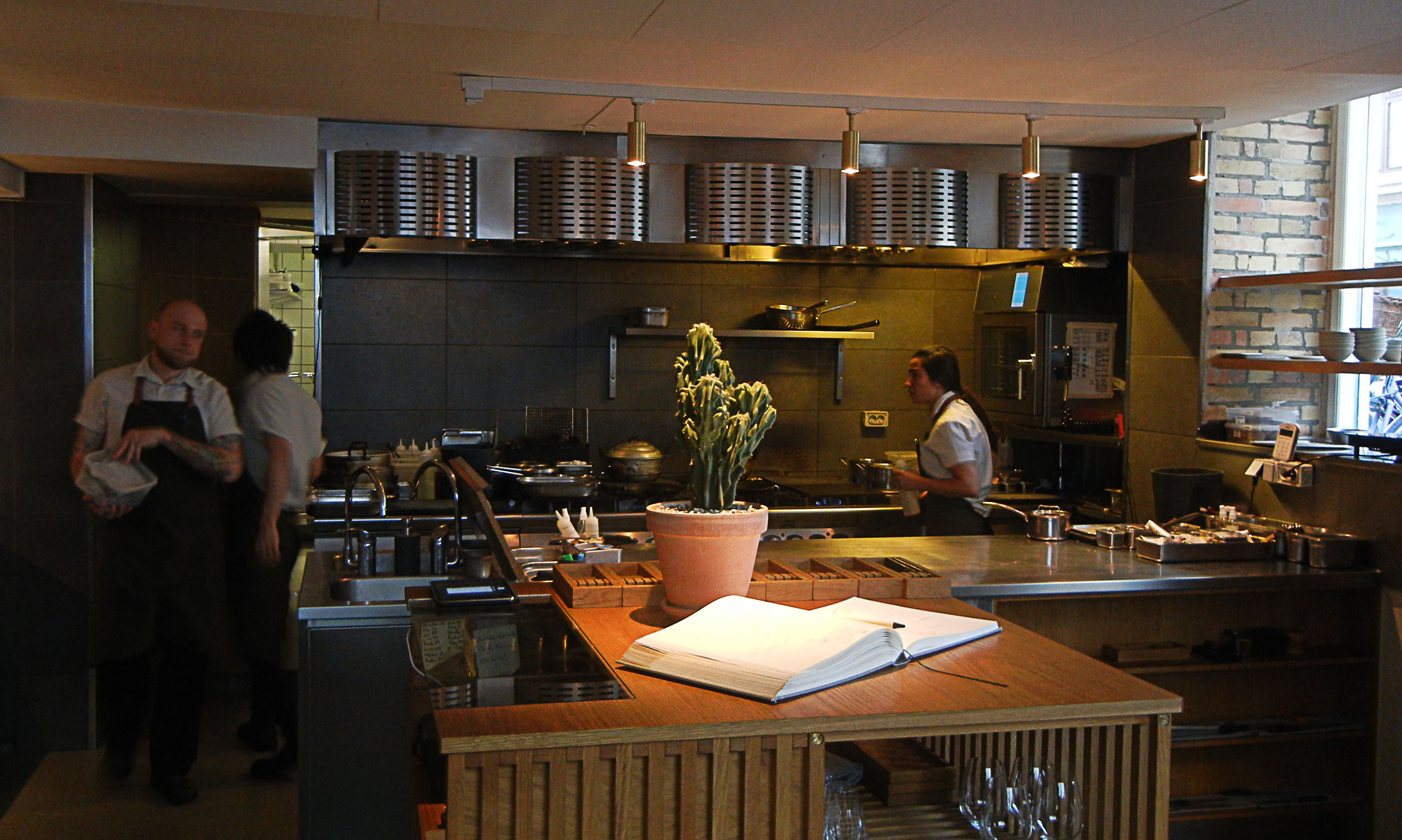
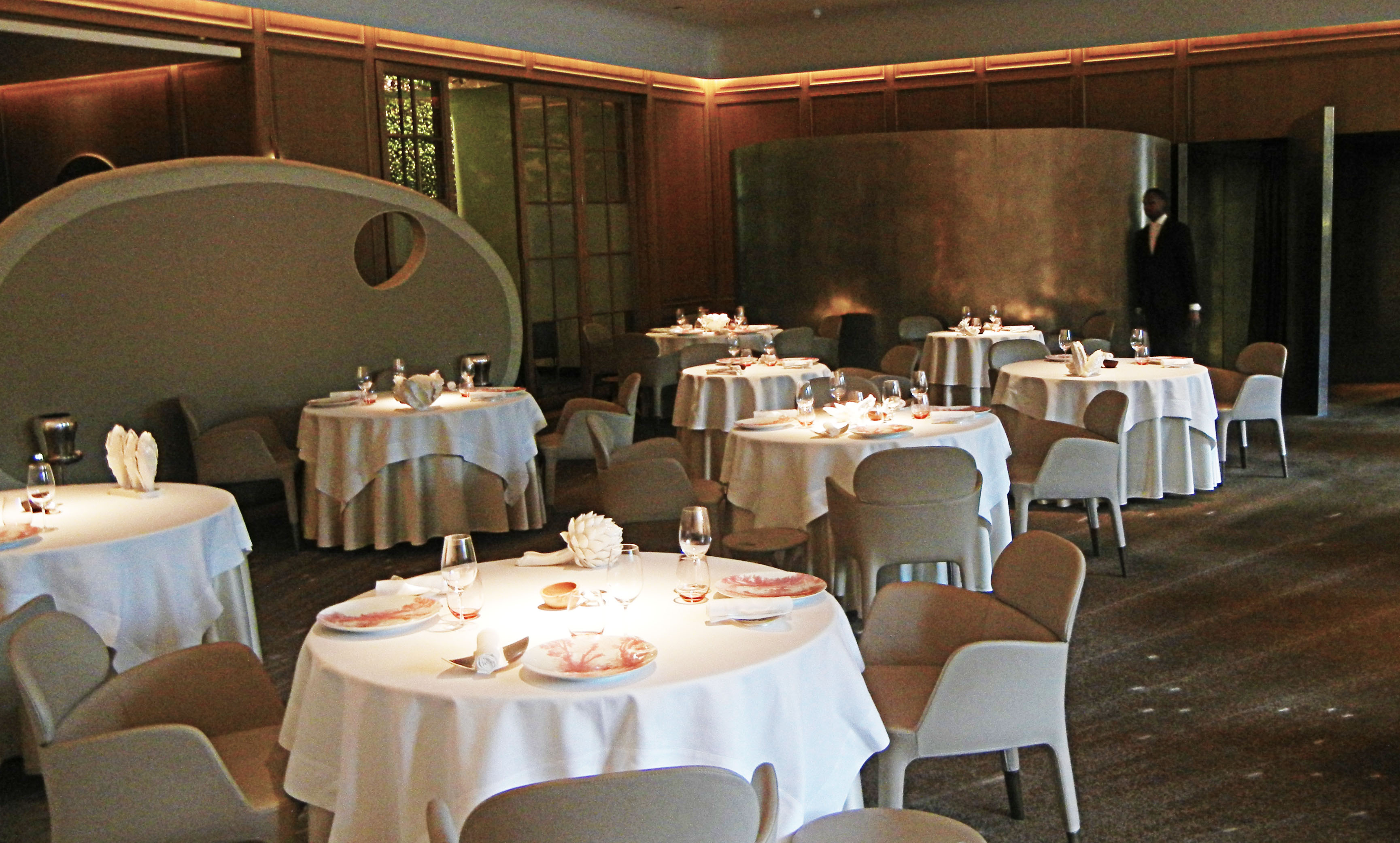
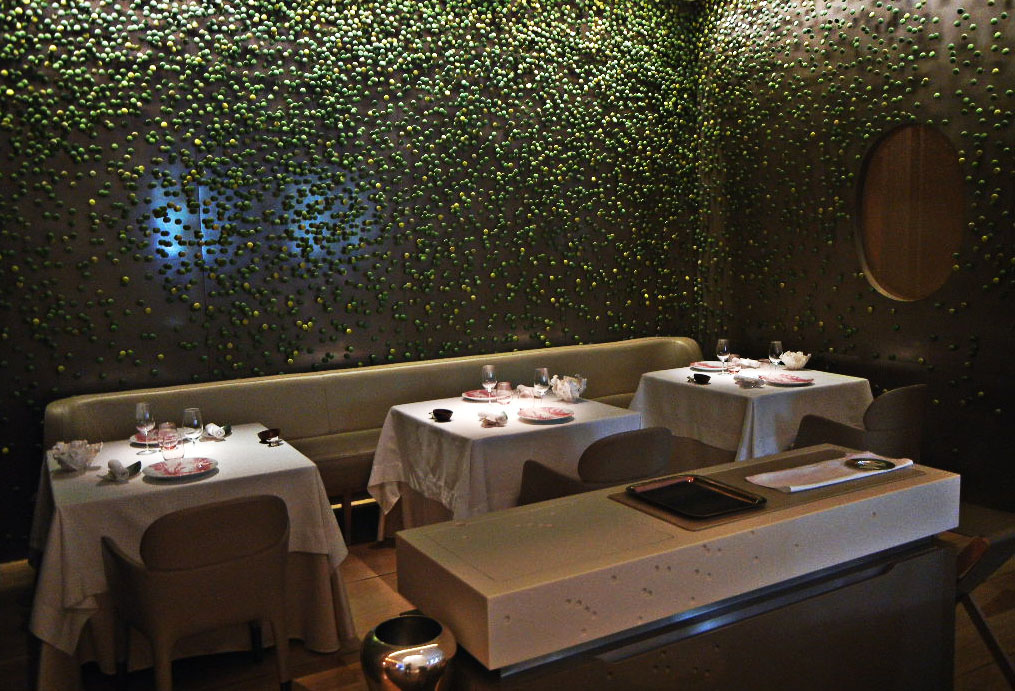
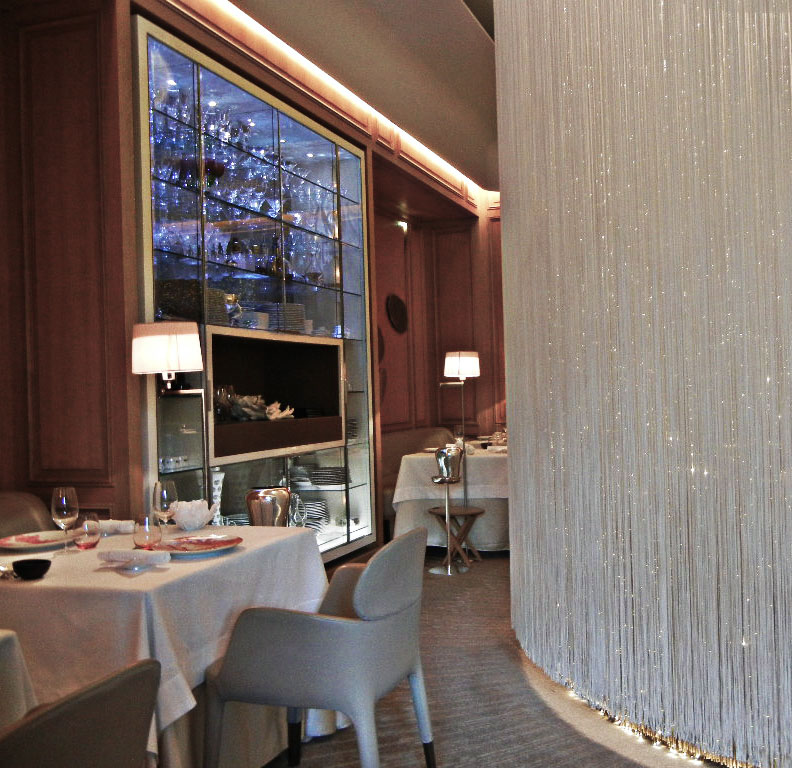
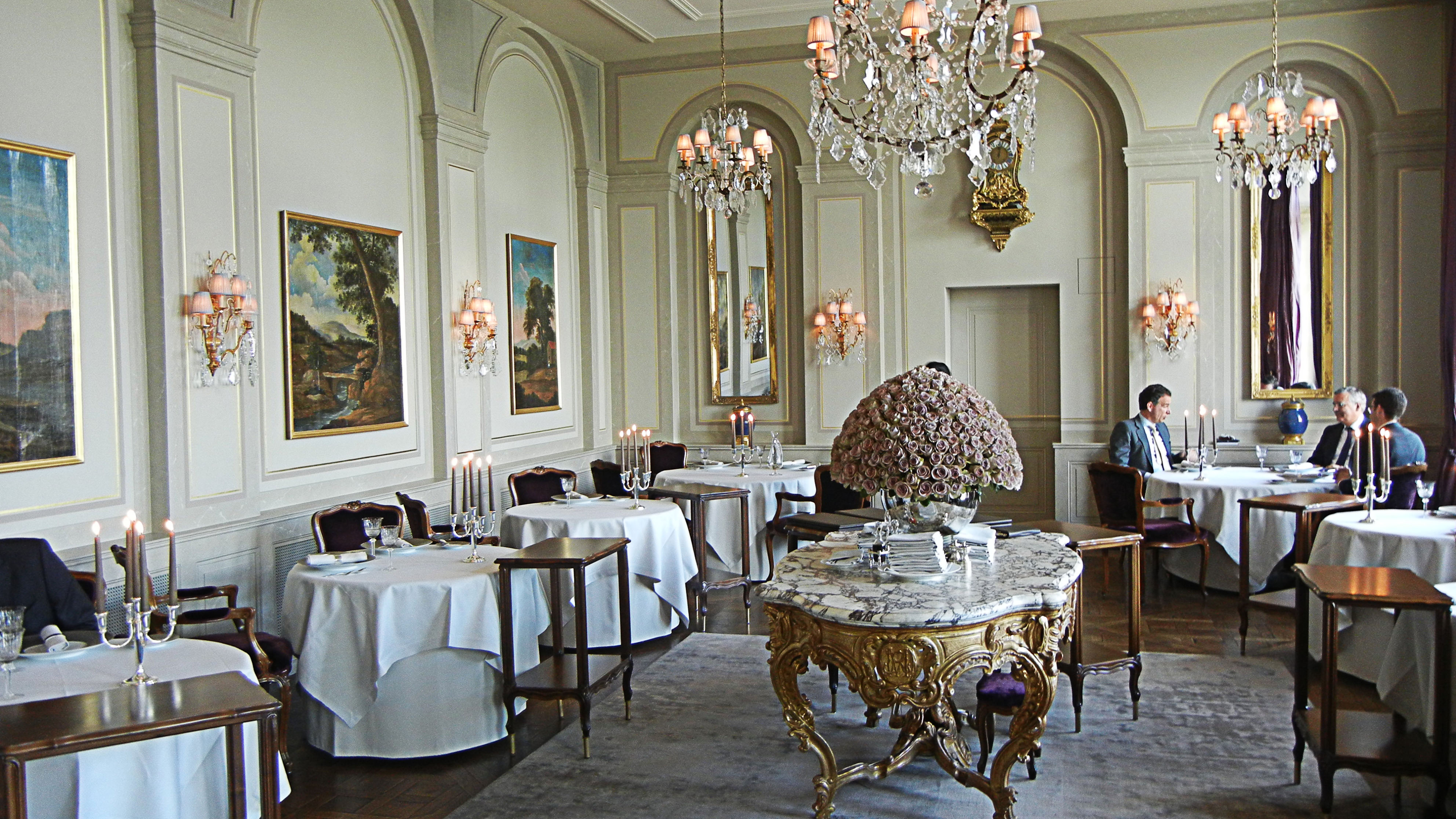
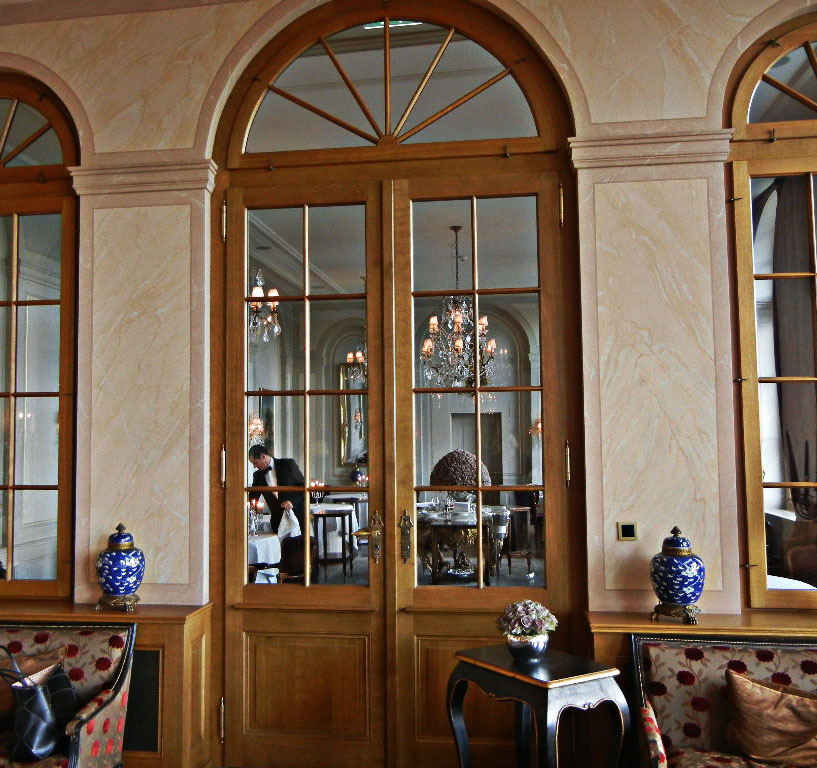
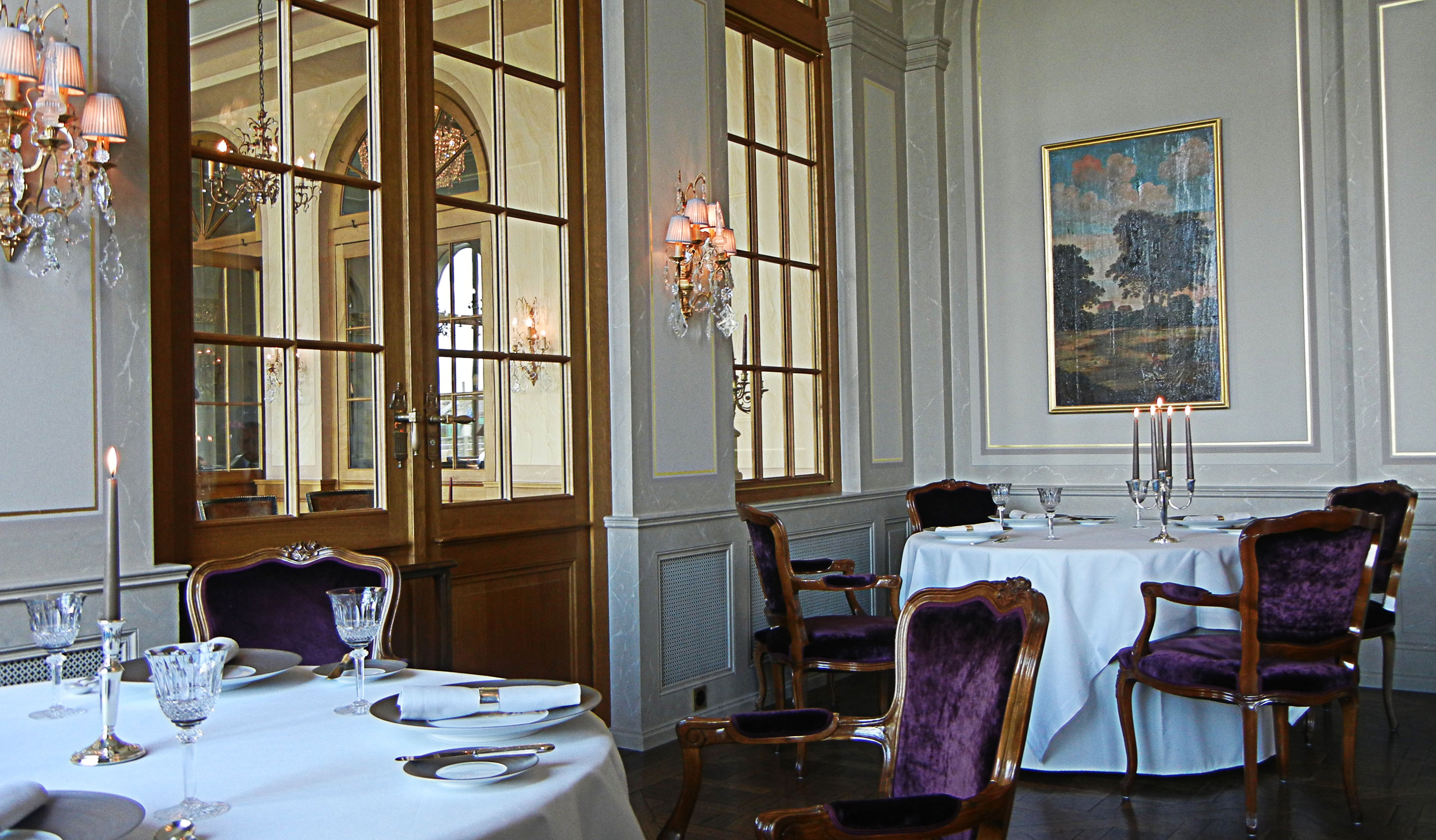
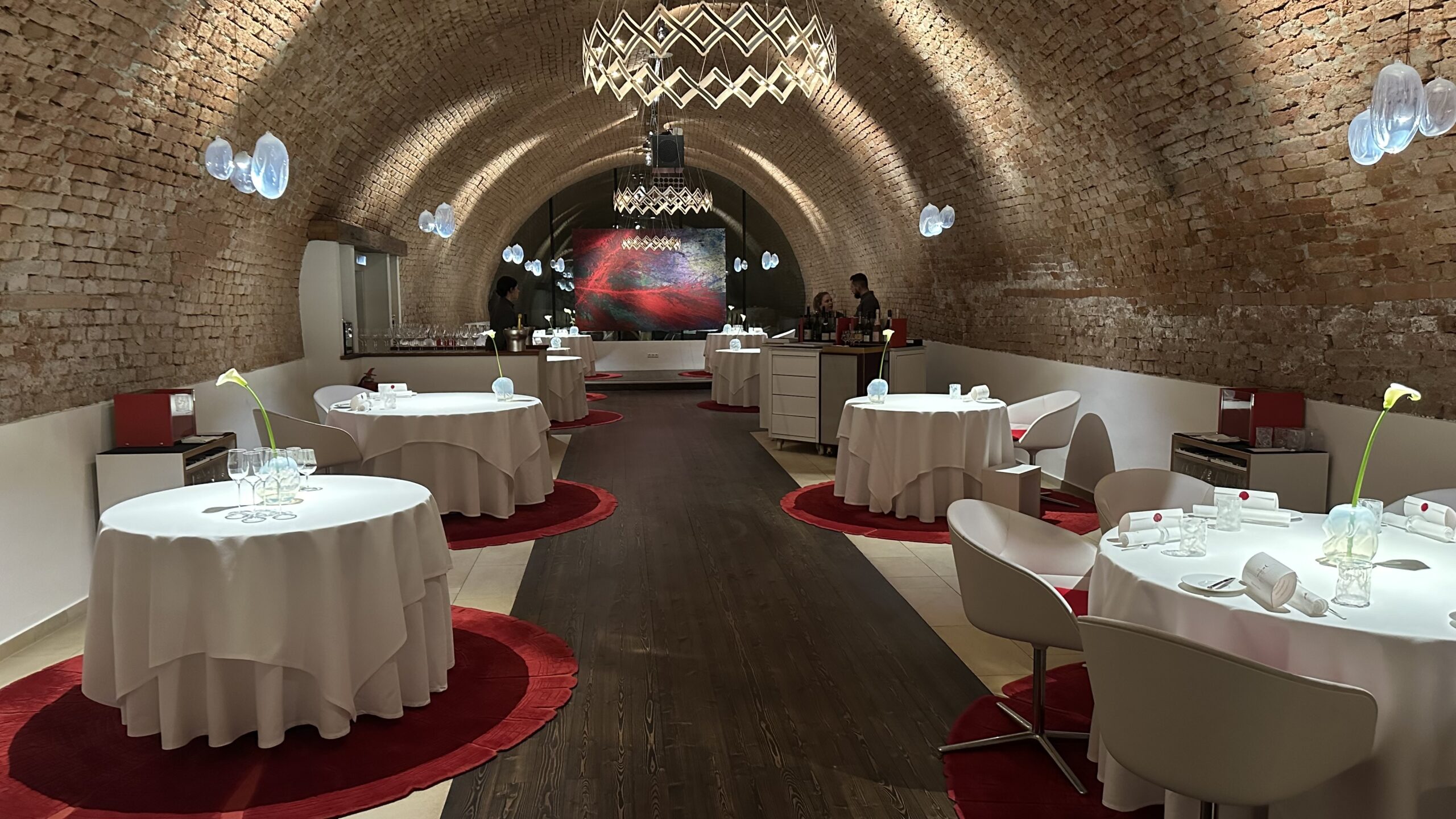
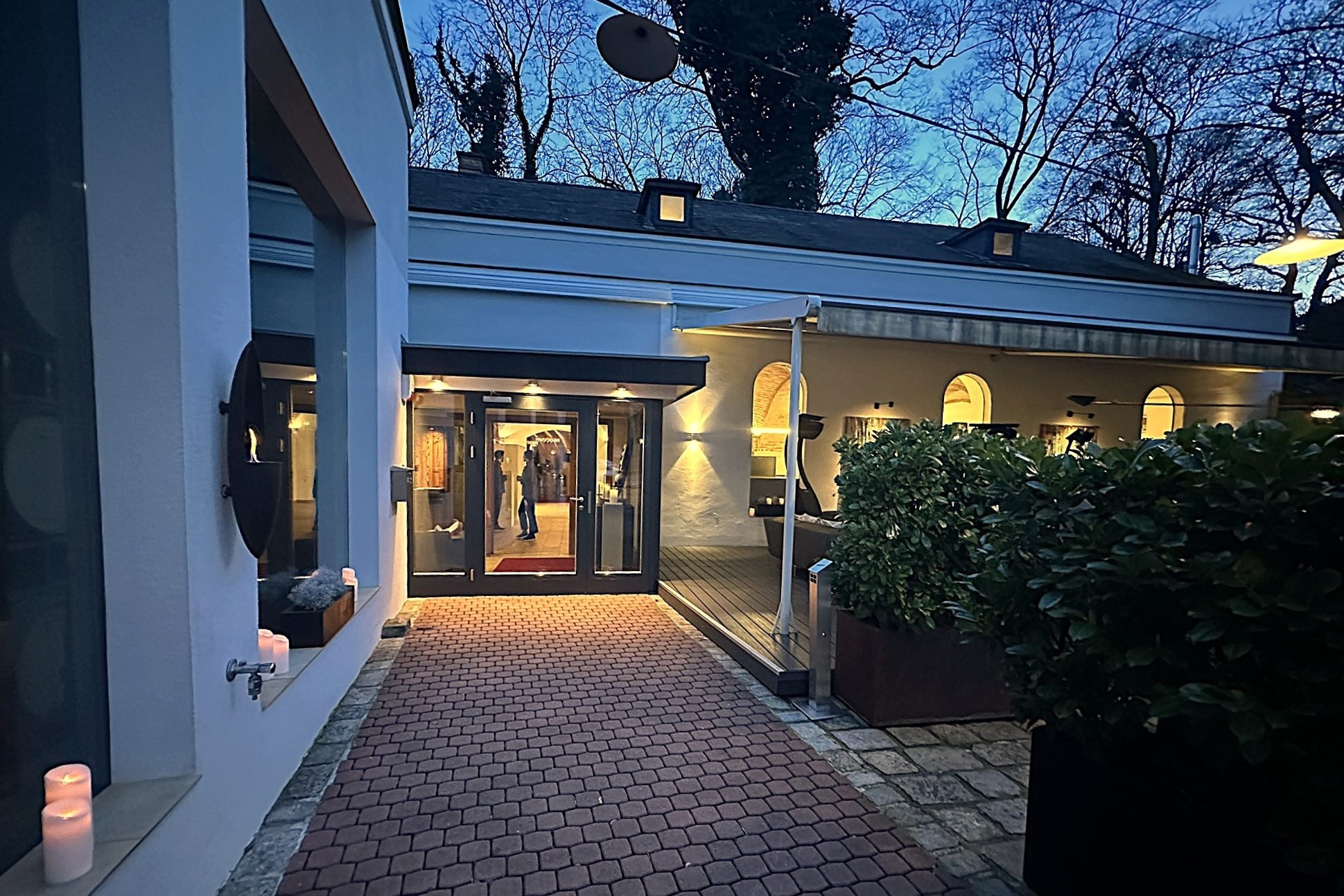
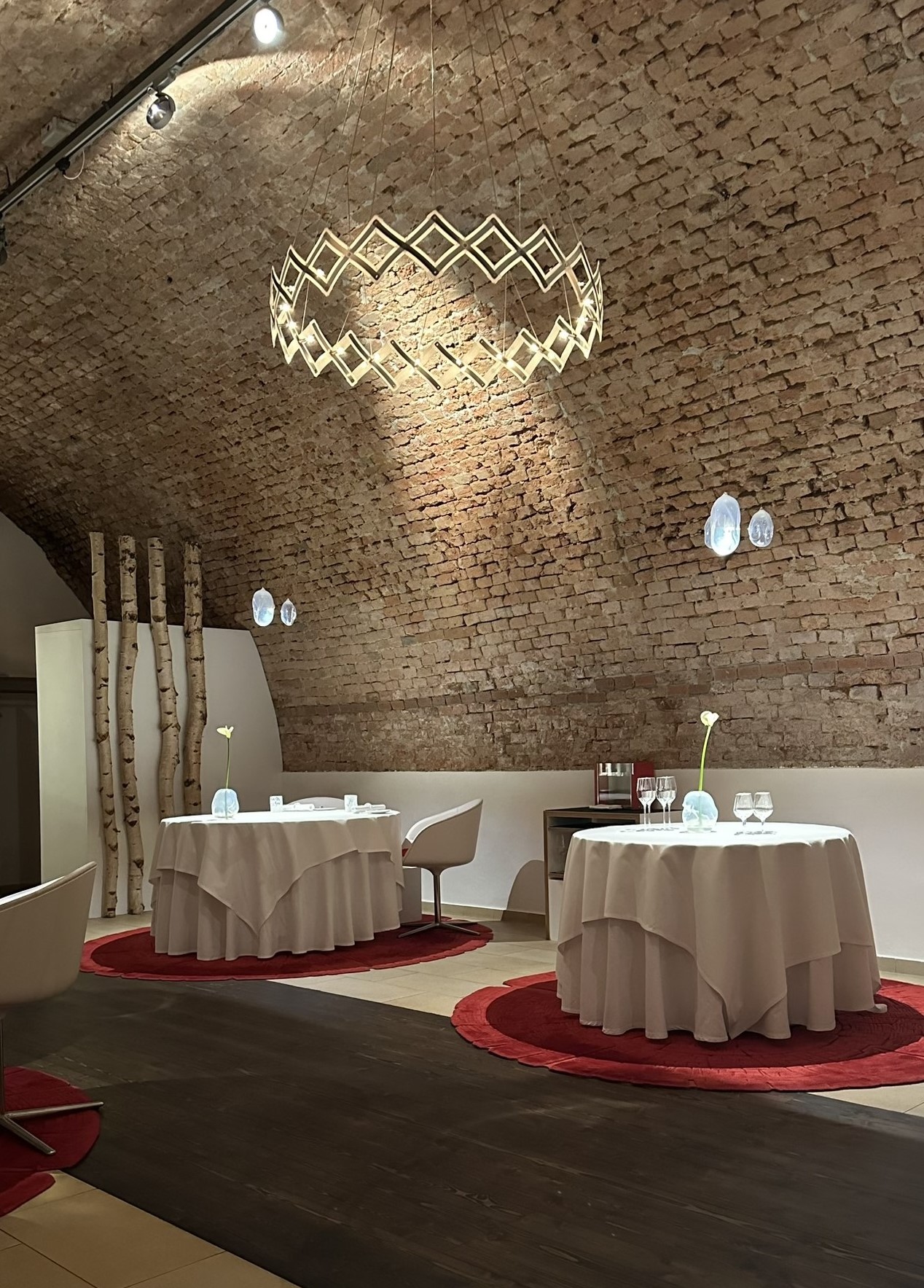
Amador is located on the outskirts of Vienna, reachable by tram or taxi, tucked into a quiet residential neighborhood. The restaurant is housed in a working winery, with the dining room set inside a former wine cellar. Vaulted brick ceilings create a dramatic yet restrained atmosphere. Uniform round tables are dressed in thick white tablecloths, while the interior leans modern and minimalist, dominated by white and red tones. Lighting is soft, and music is kept so low it’s nearly imperceptible—allowing full focus on what’s happening on the plate.
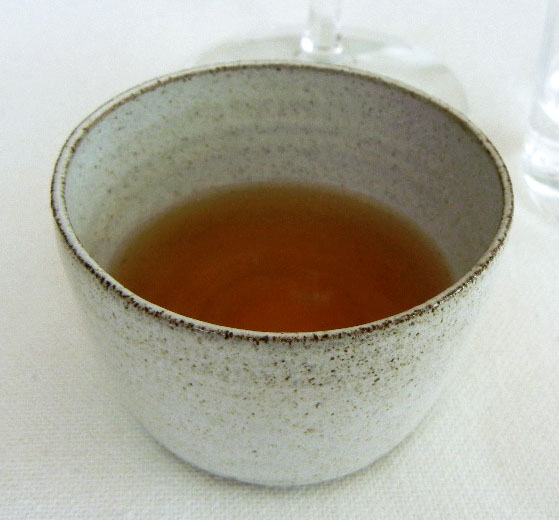
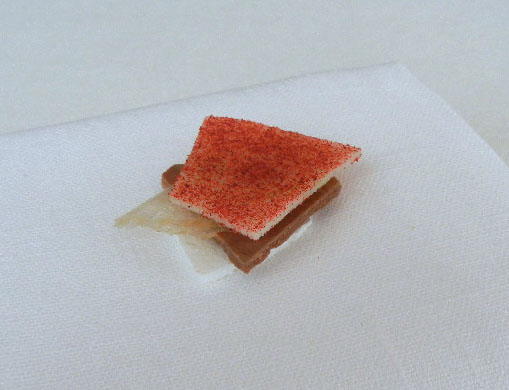
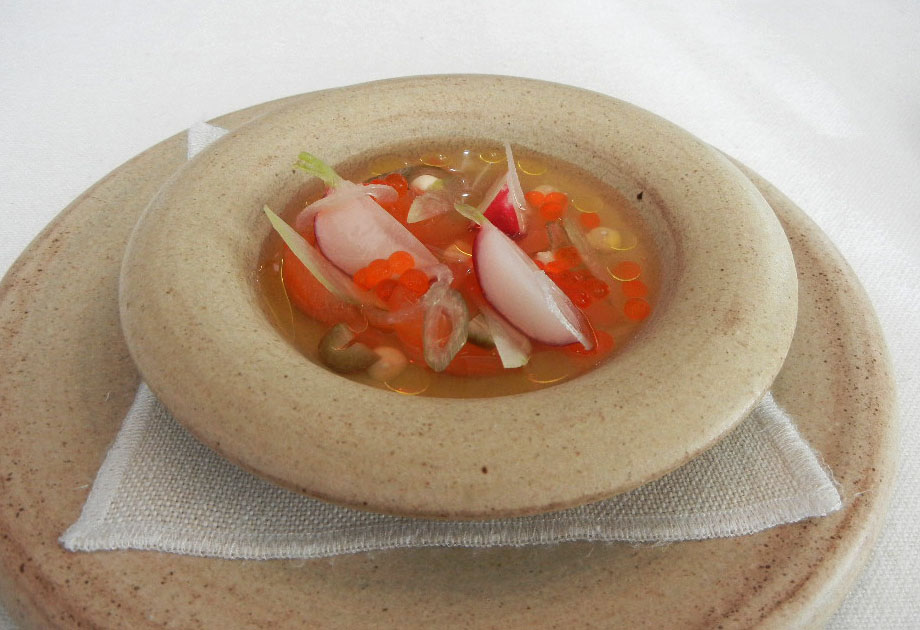
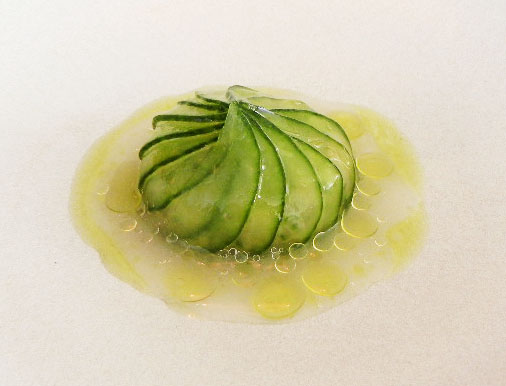
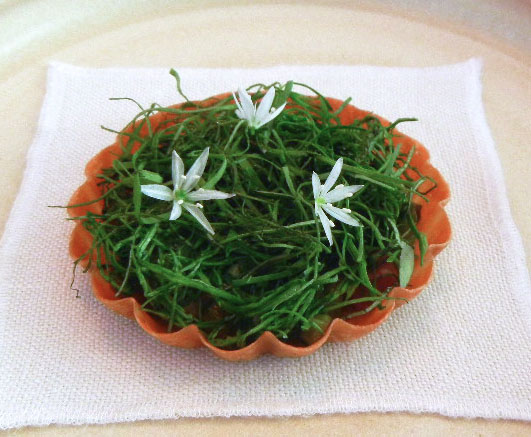
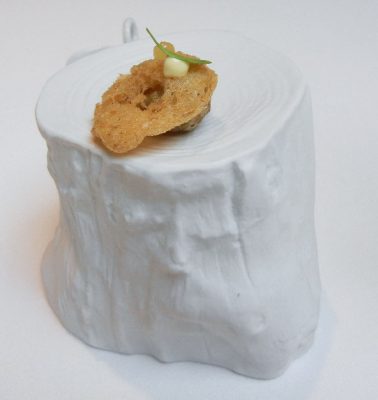
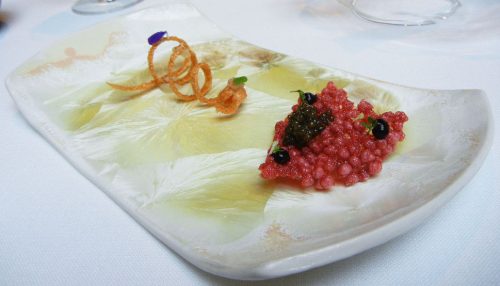
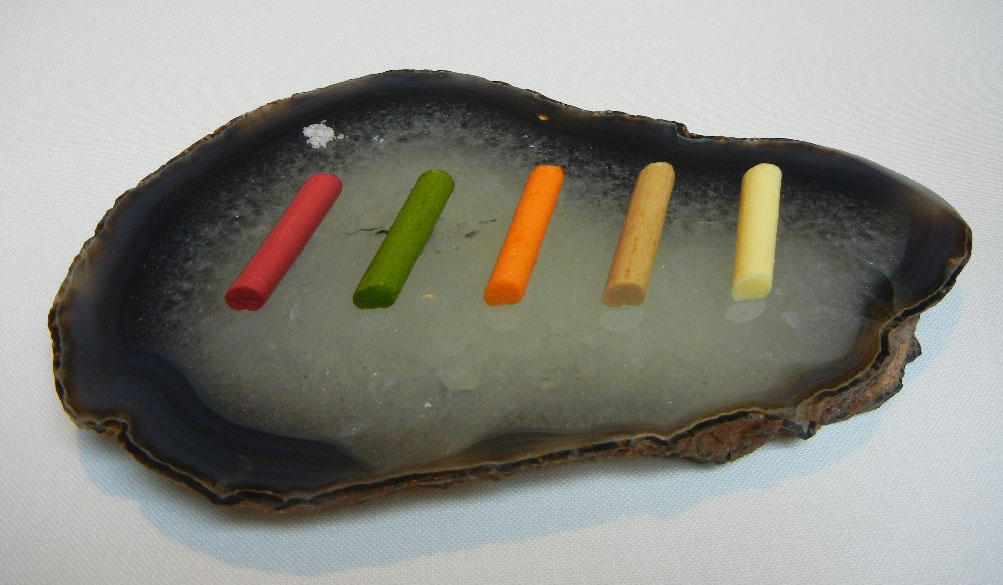
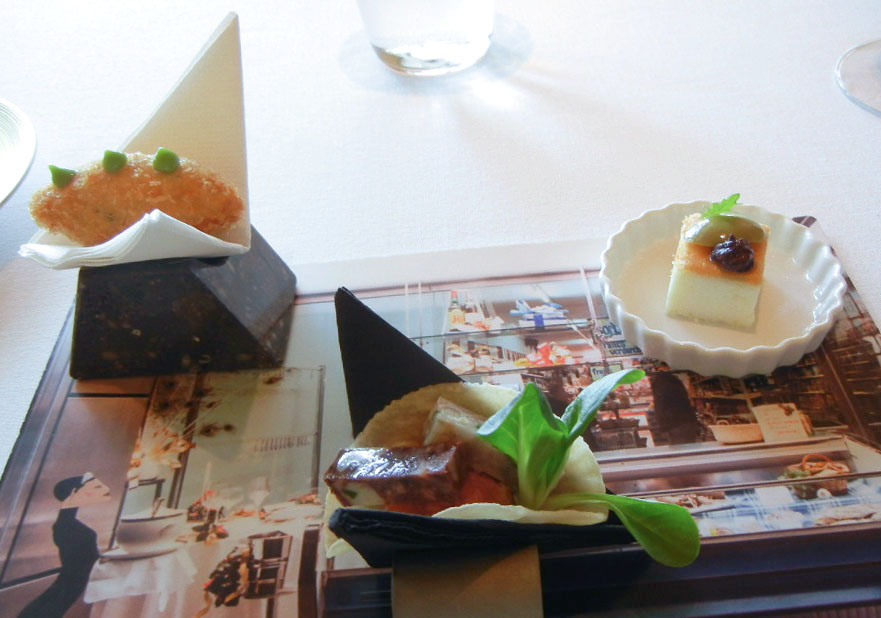
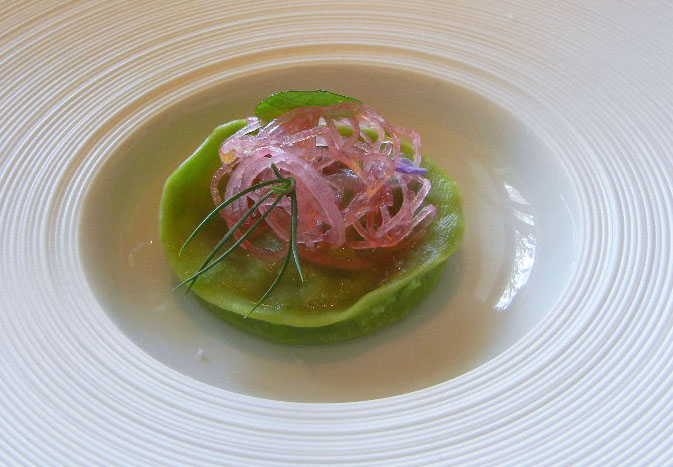
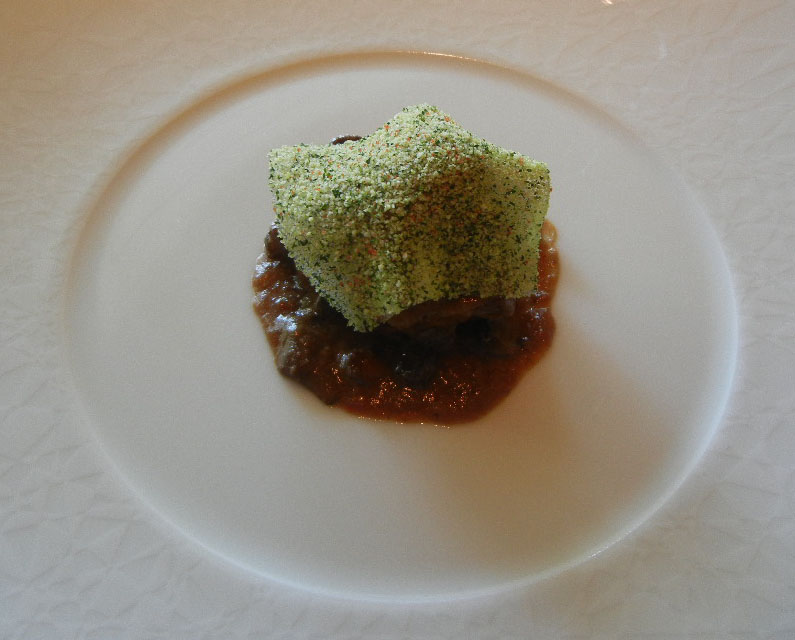
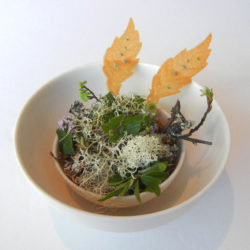
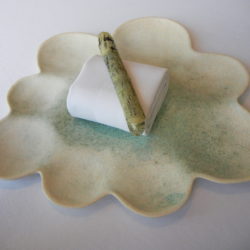
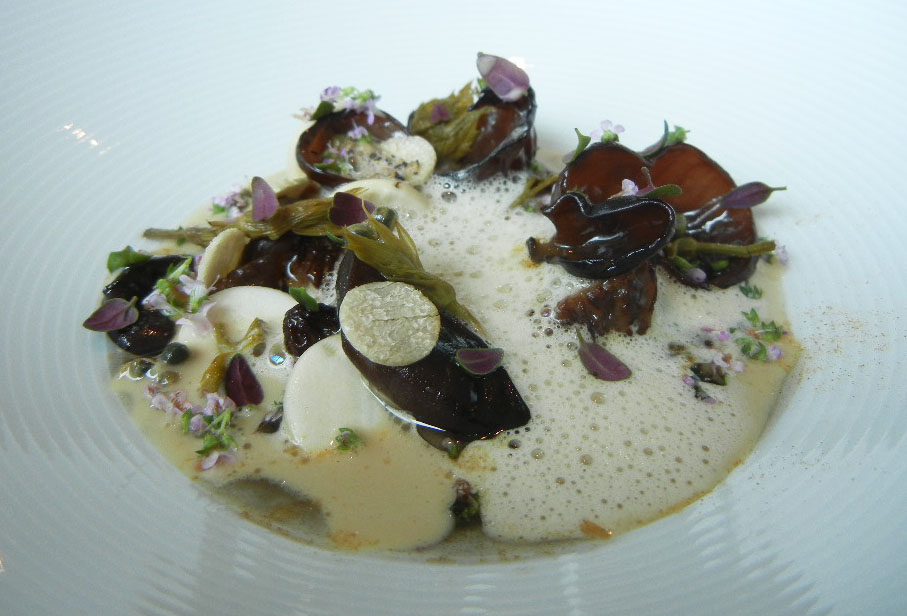
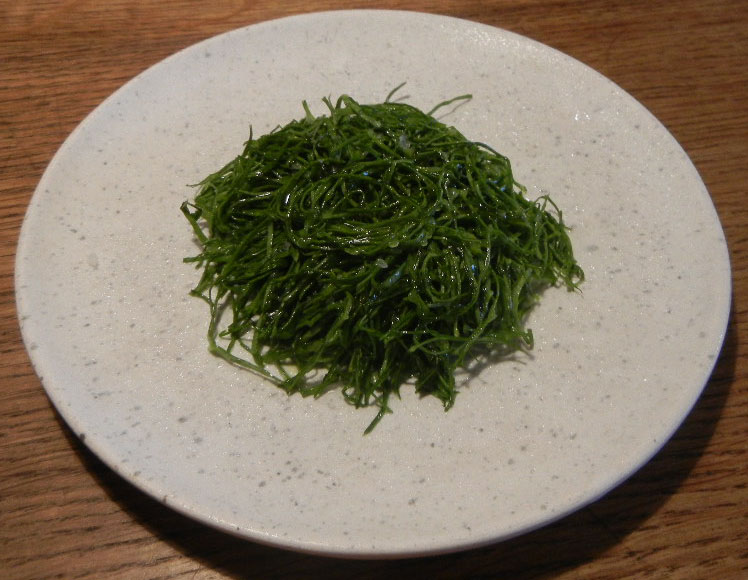
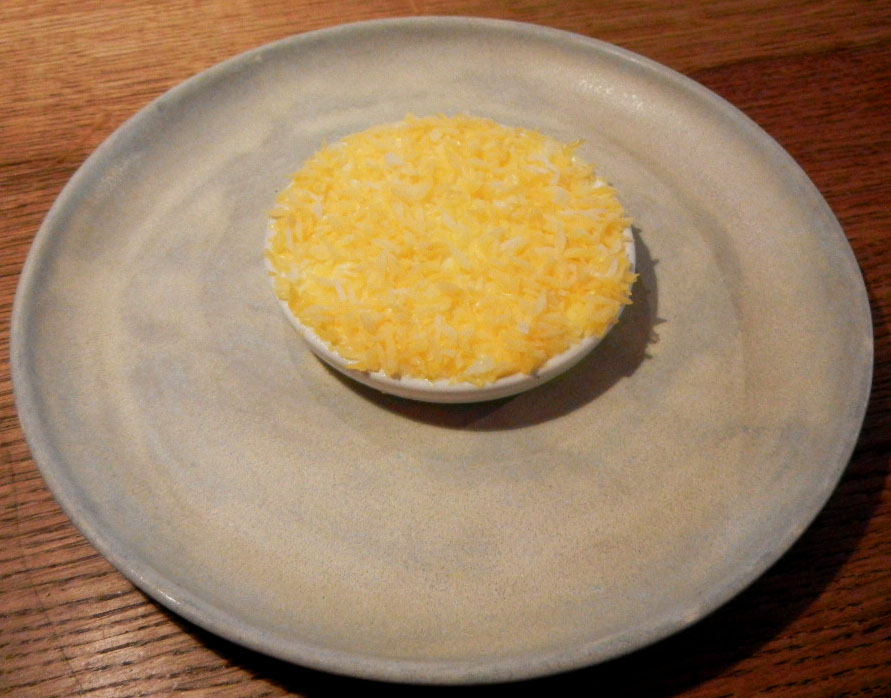
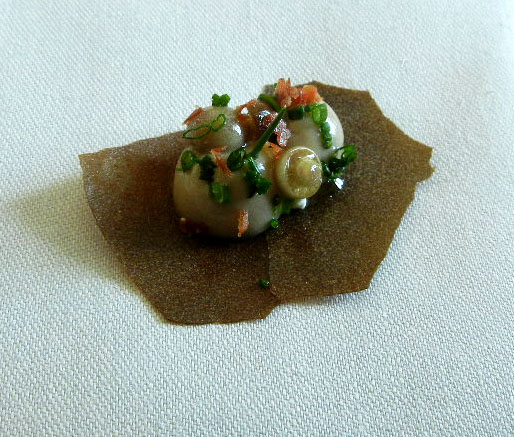
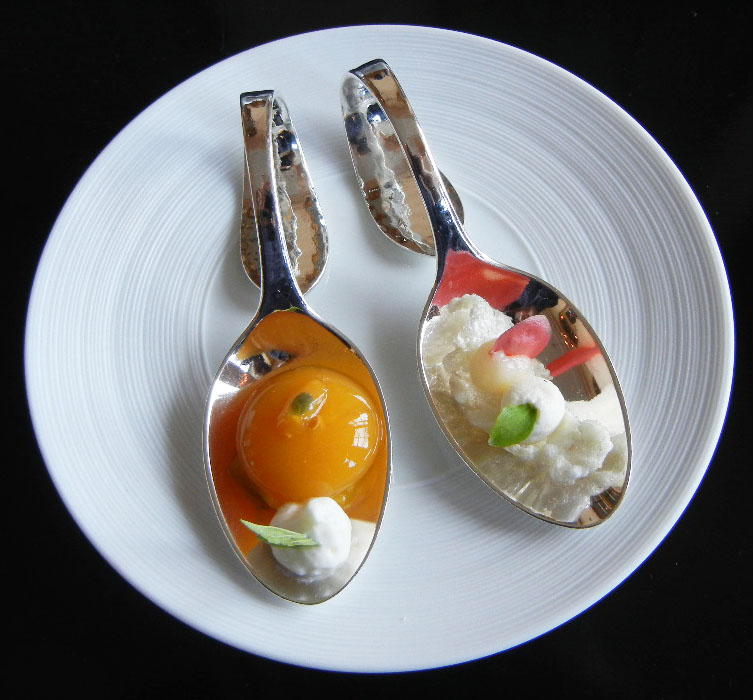
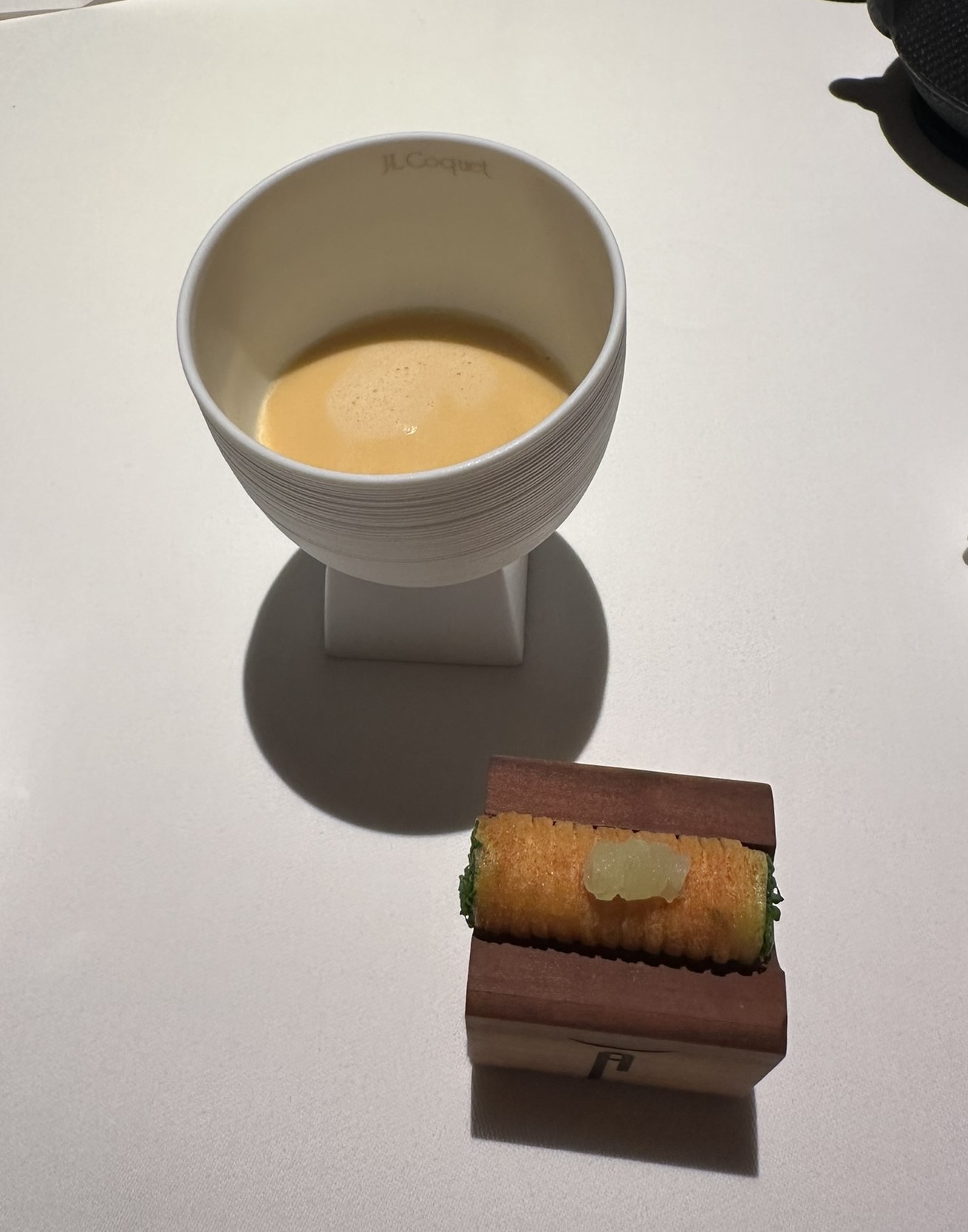
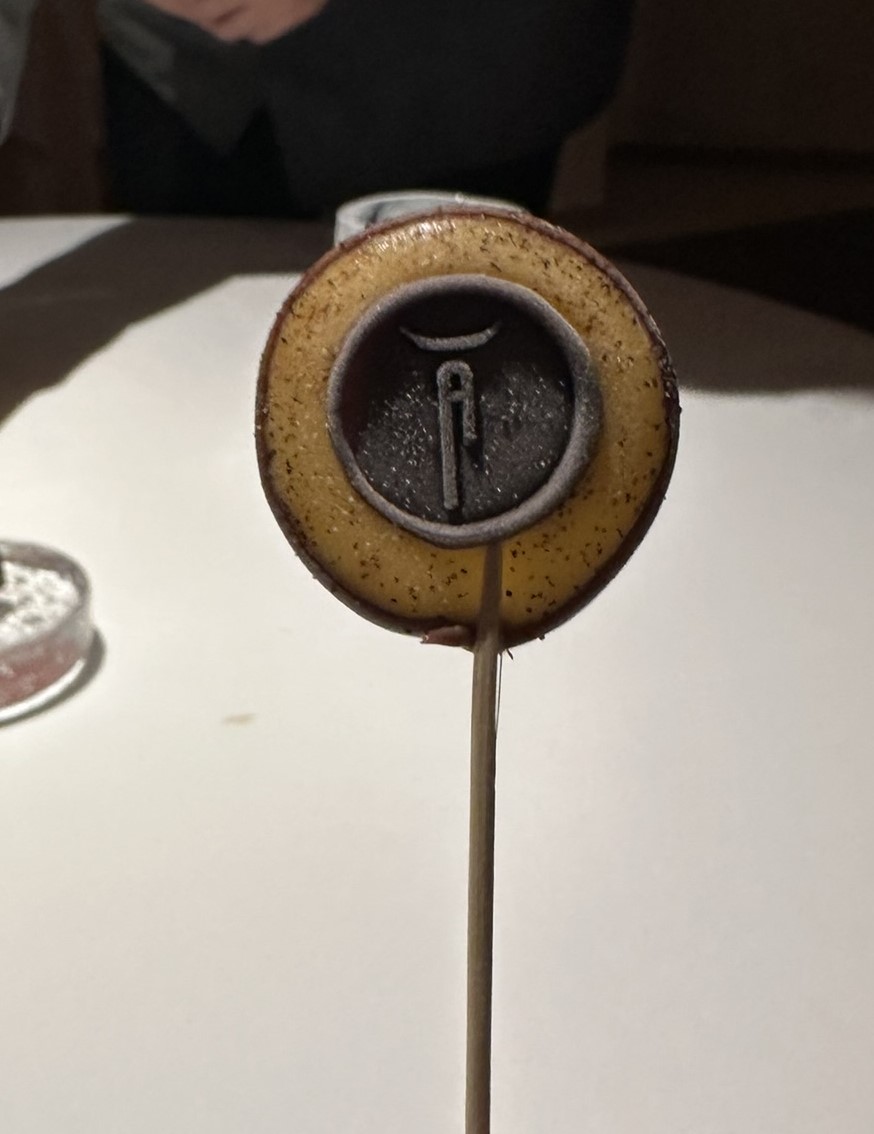
Amador is open exclusively for dinner and offers a single nine-course tasting menu priced at €395. Dinner began with “Tapas & Snacks,” a rapid-fire barrage of small bites. The King Crab, Jalapeño, Bisque delivered deep crustacean flavor, served alongside a potato roll generously filled with sweet crab meat. One of the restaurant’s signatures, Walk in a Forest, followed—an earthy composition of mushrooms, parsley, and smoked dried eel, layered with smoke and umami.
TAPAS & SNACKS:
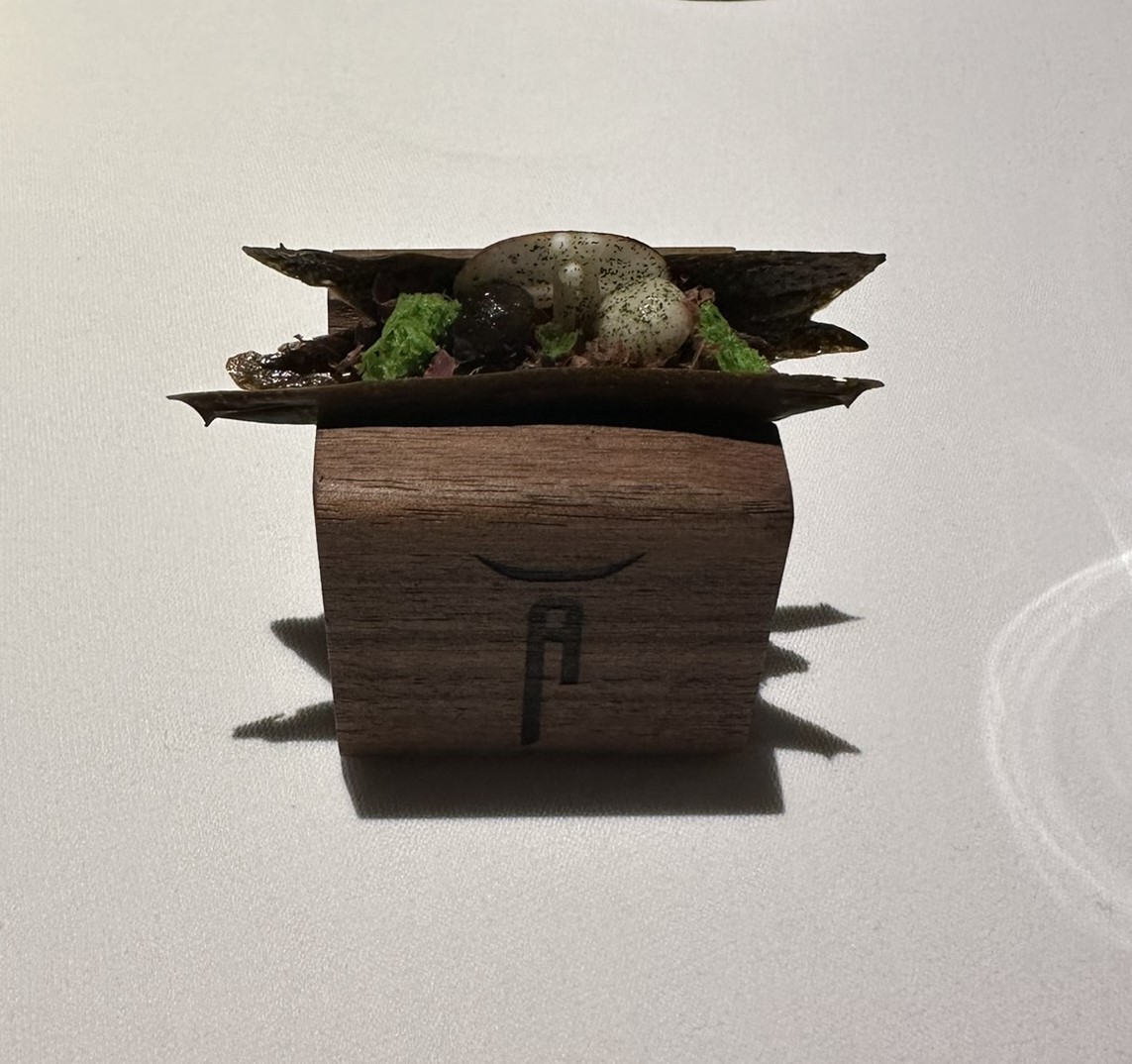
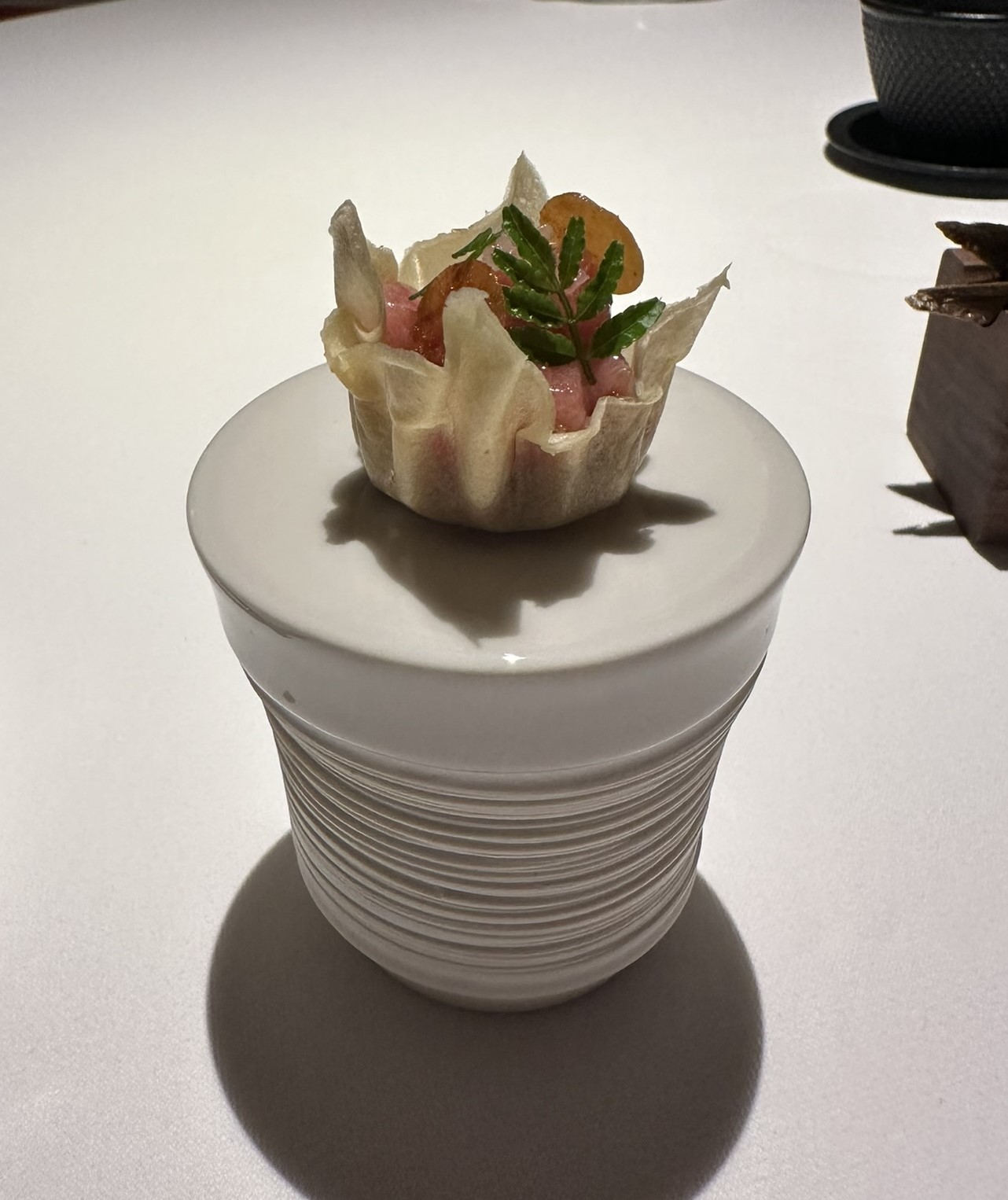
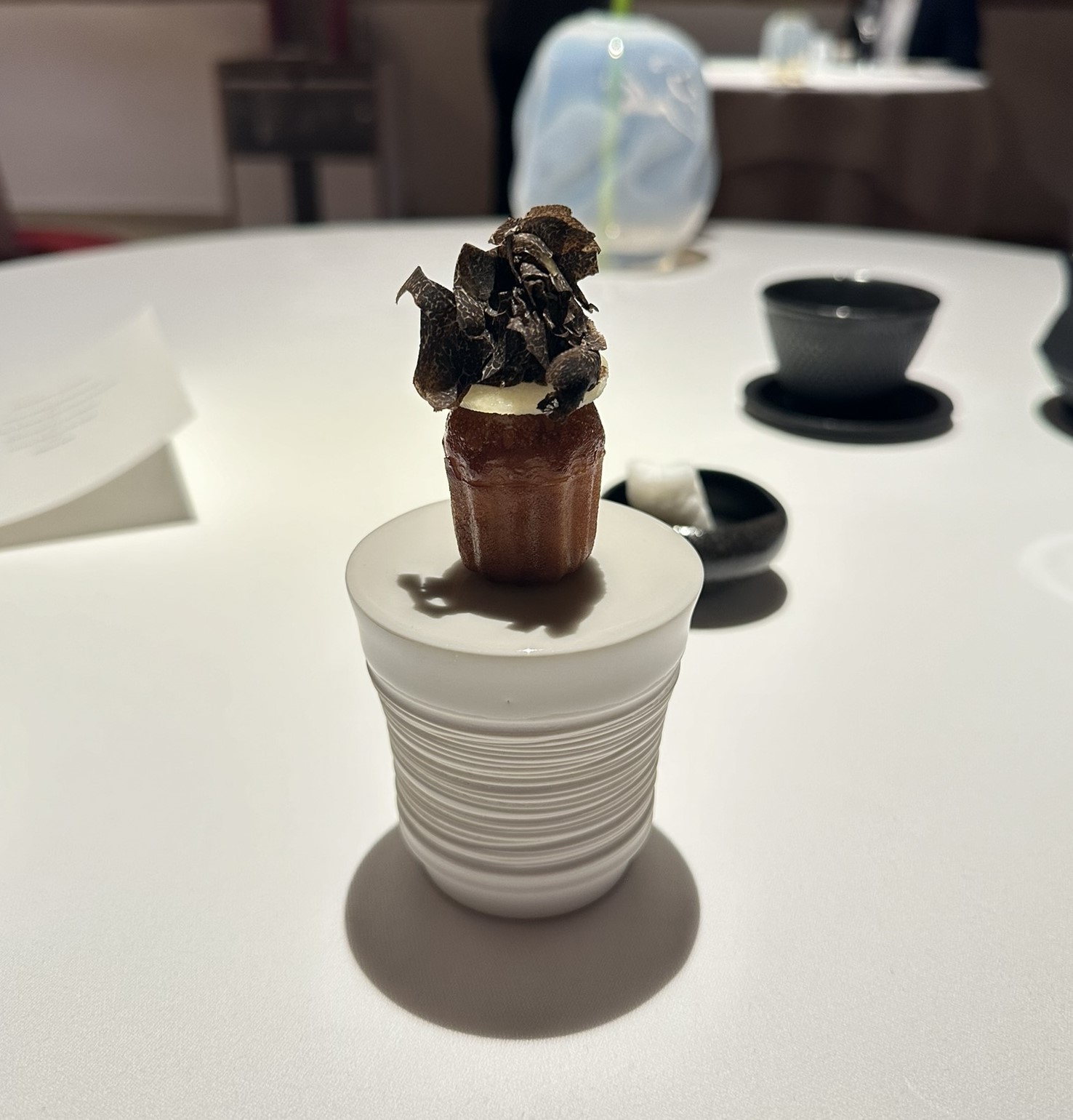
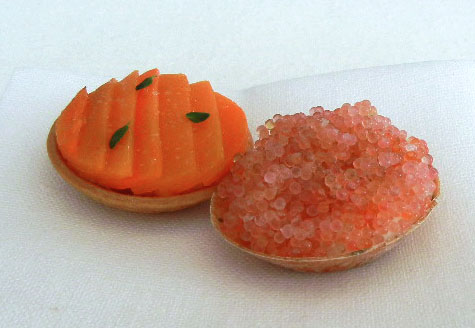
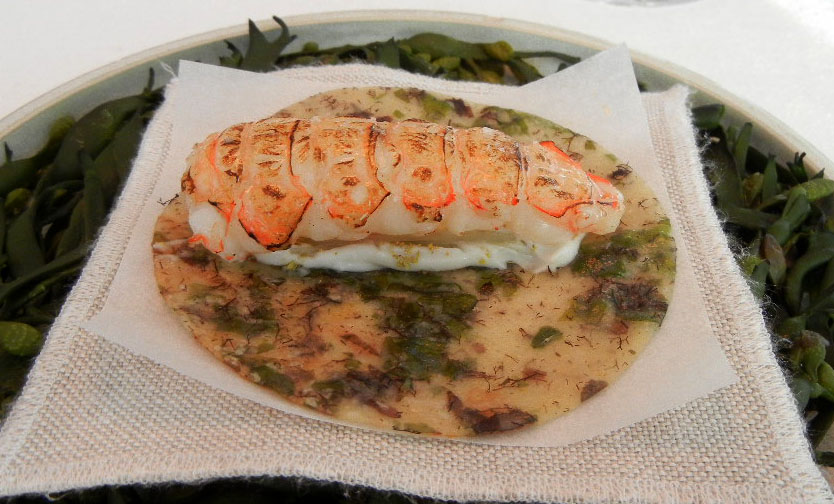
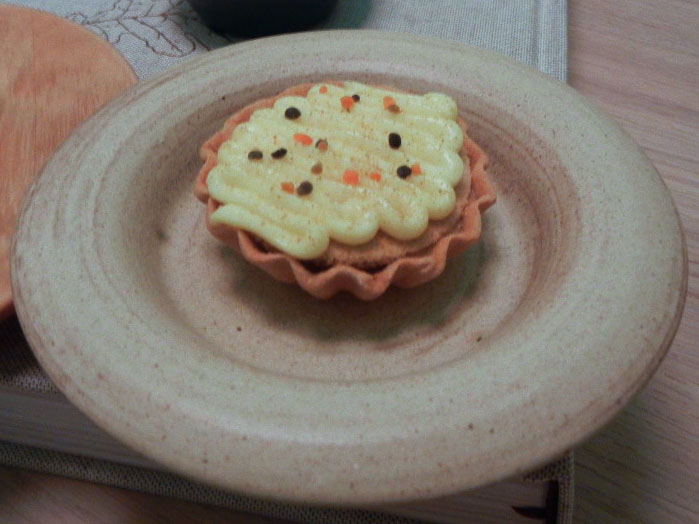
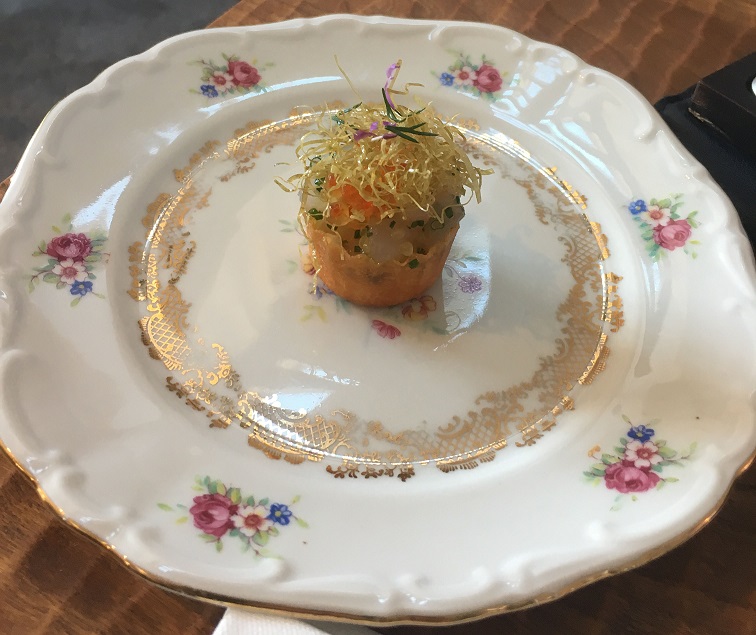
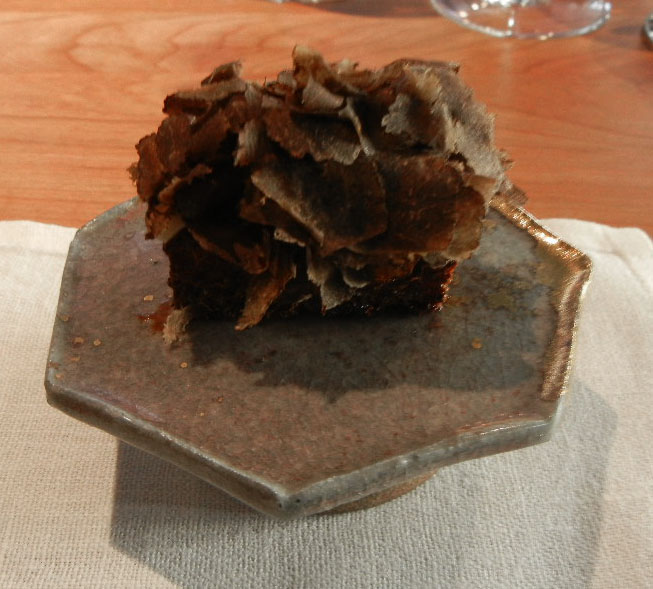
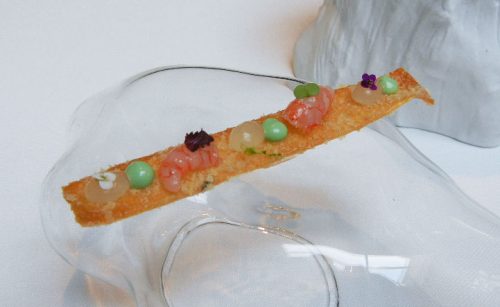
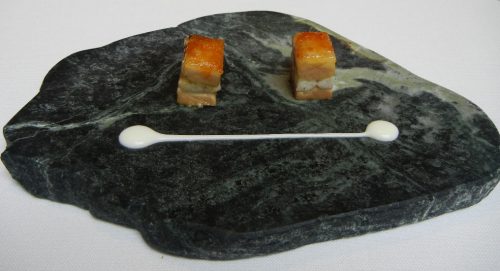
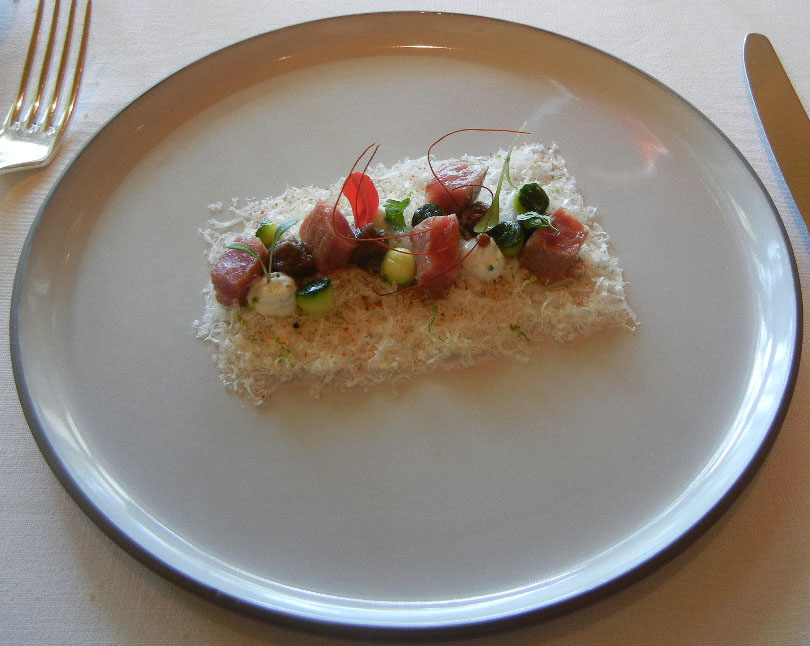
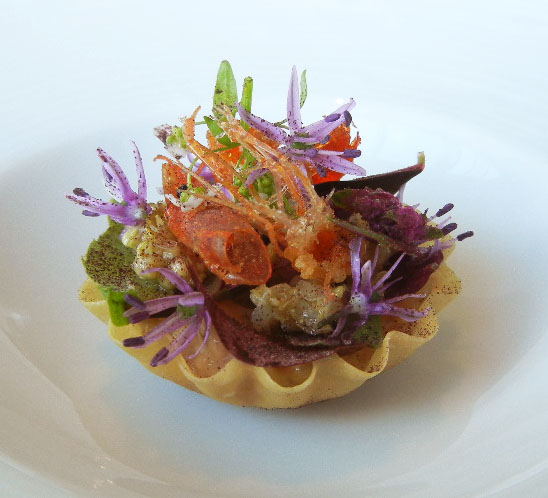
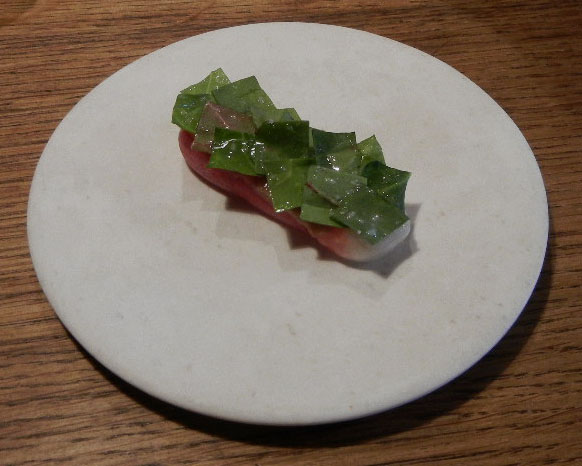
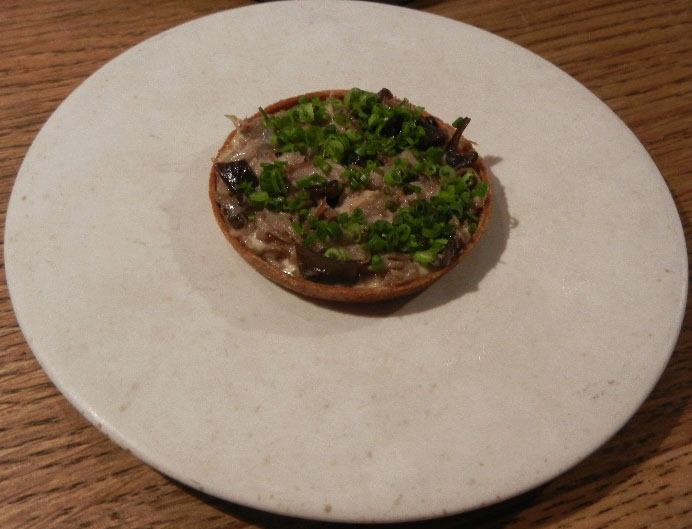
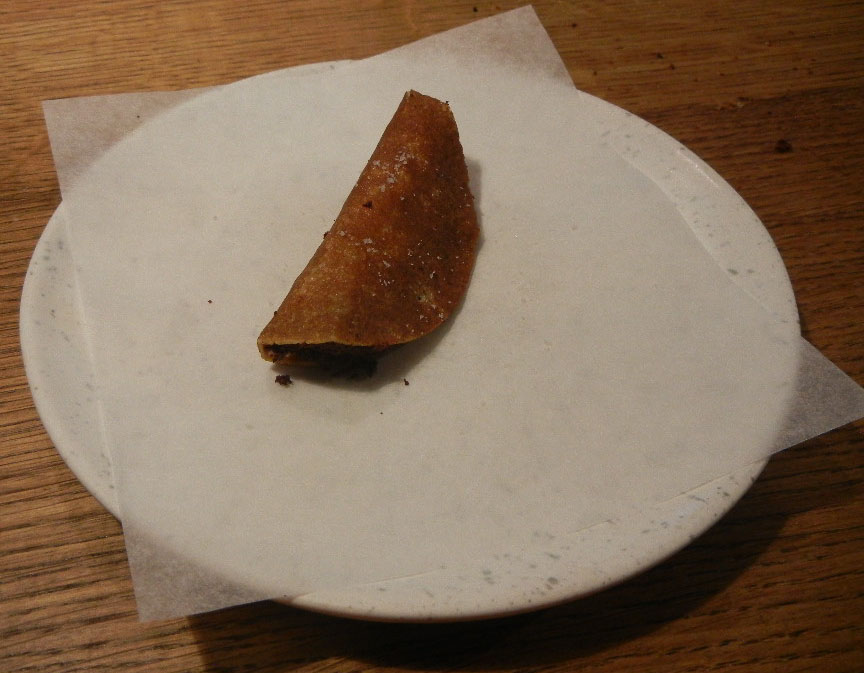
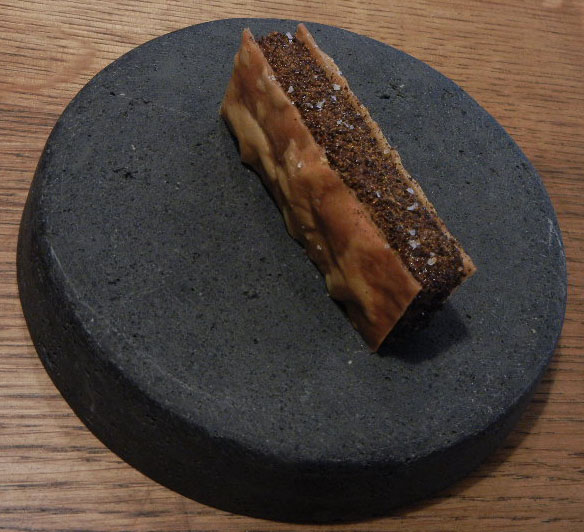
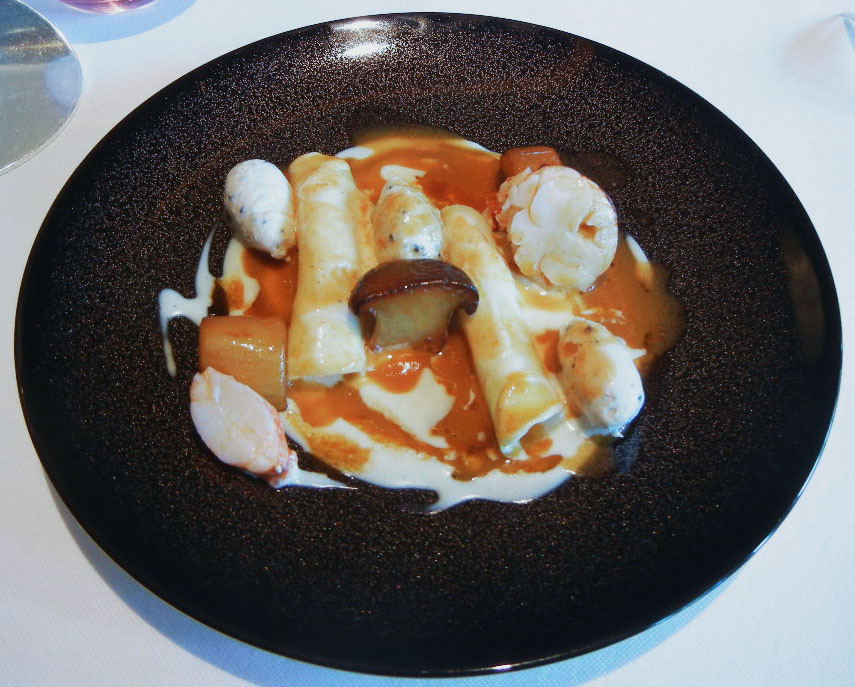
The Balfego Tuna, Roscoff-Onion, Chicken Skin arrived as a tartlet filled with rich, fatty tuna. The Canale l Norway Lobster l Perigod Truffles was particularly memorable: the traditionally sweet pastry cleverly transformed into a savory vehicle, topped with generous black truffle shavings and subtly filled with lobster meat, retaining just a hint of sweetness.
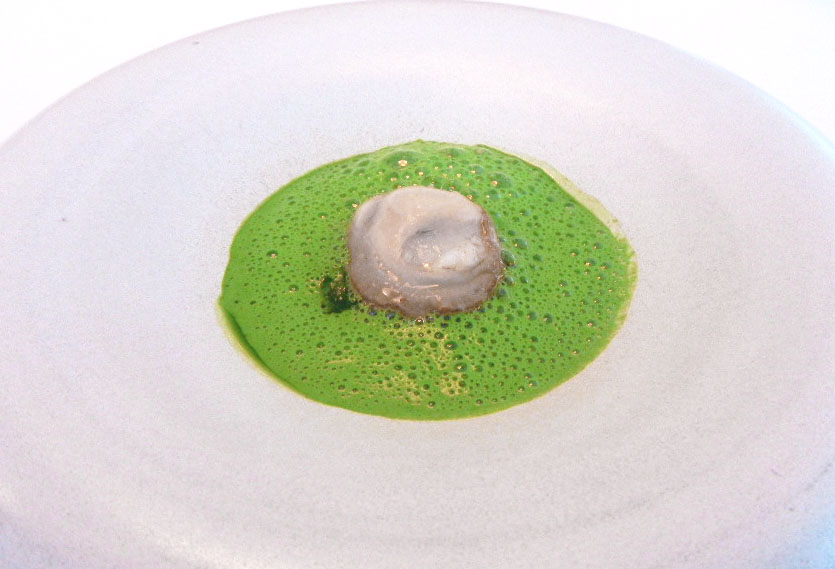
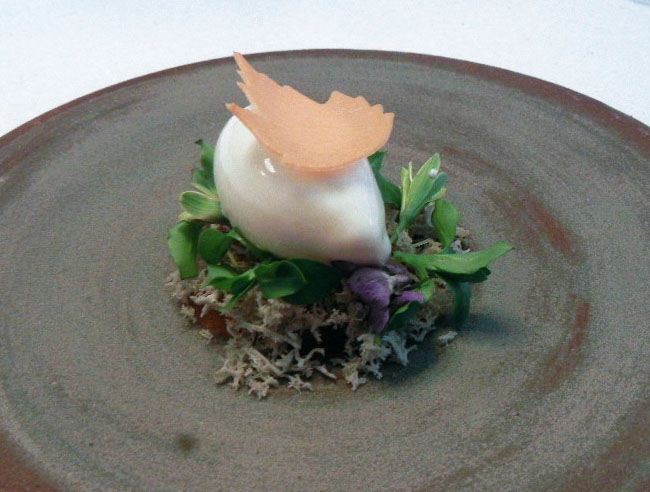
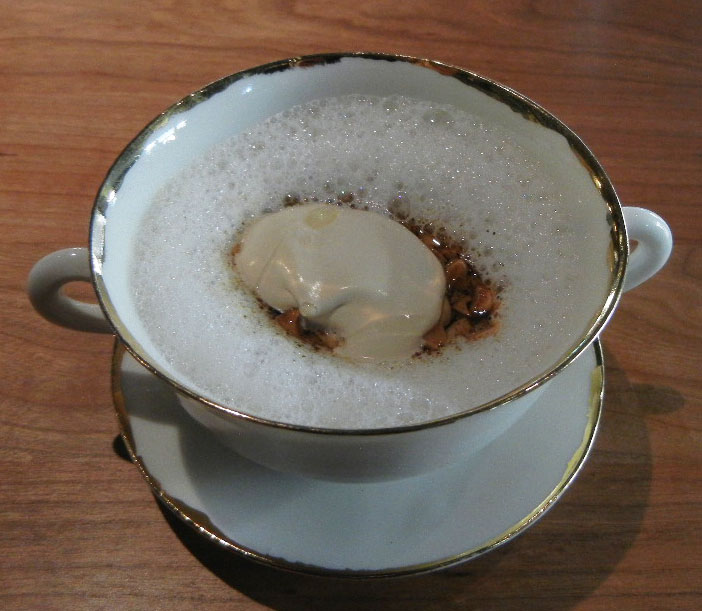
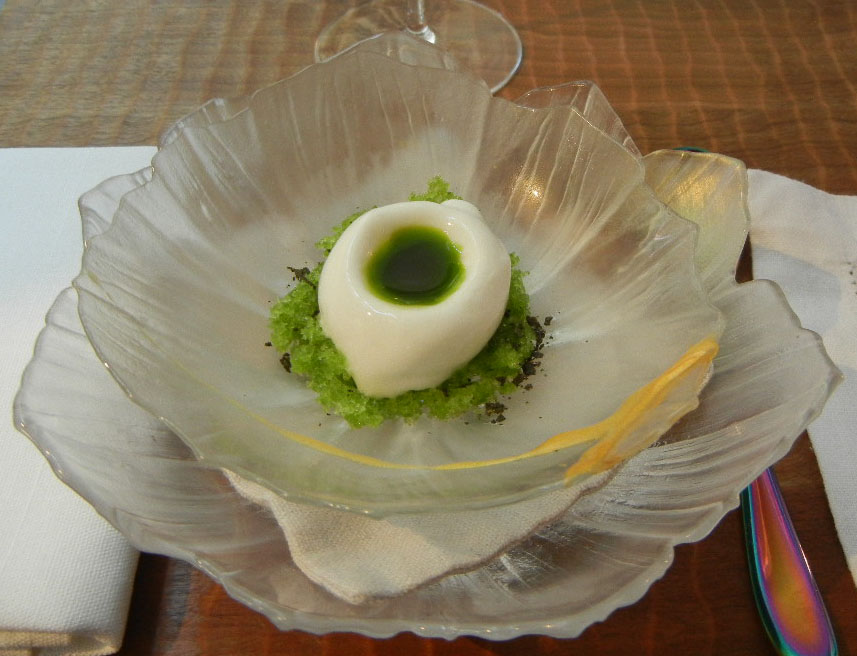
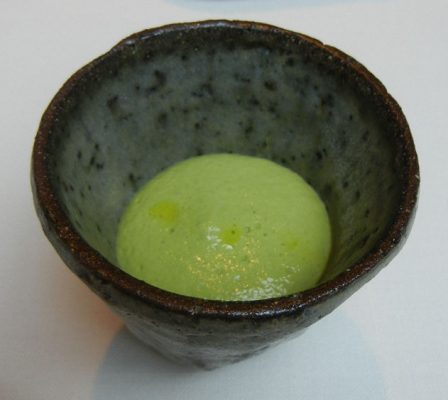
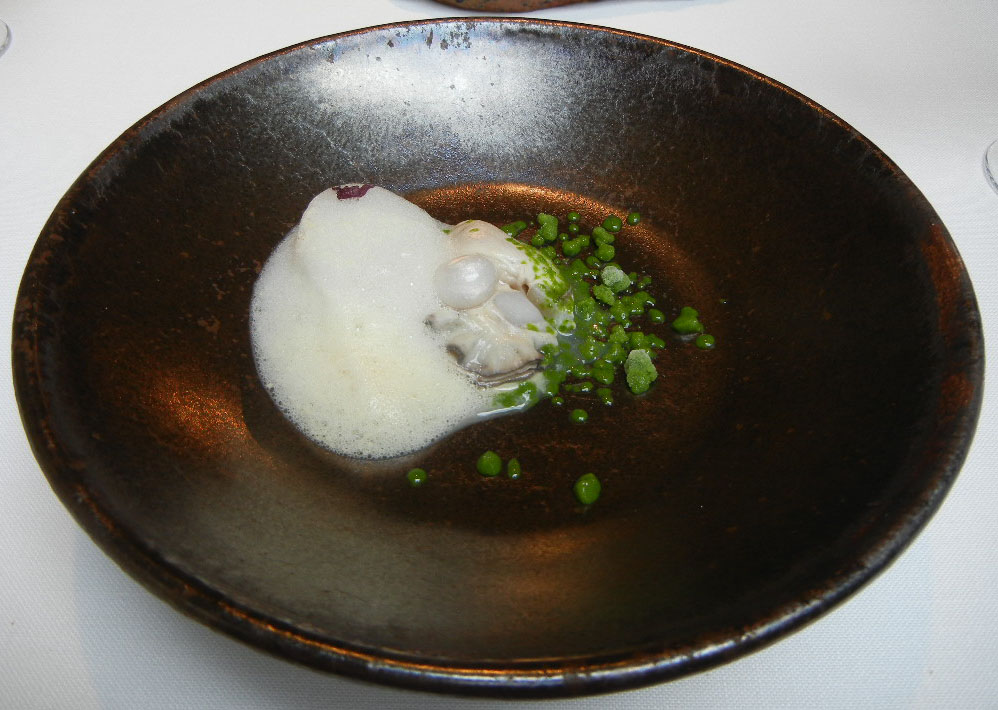
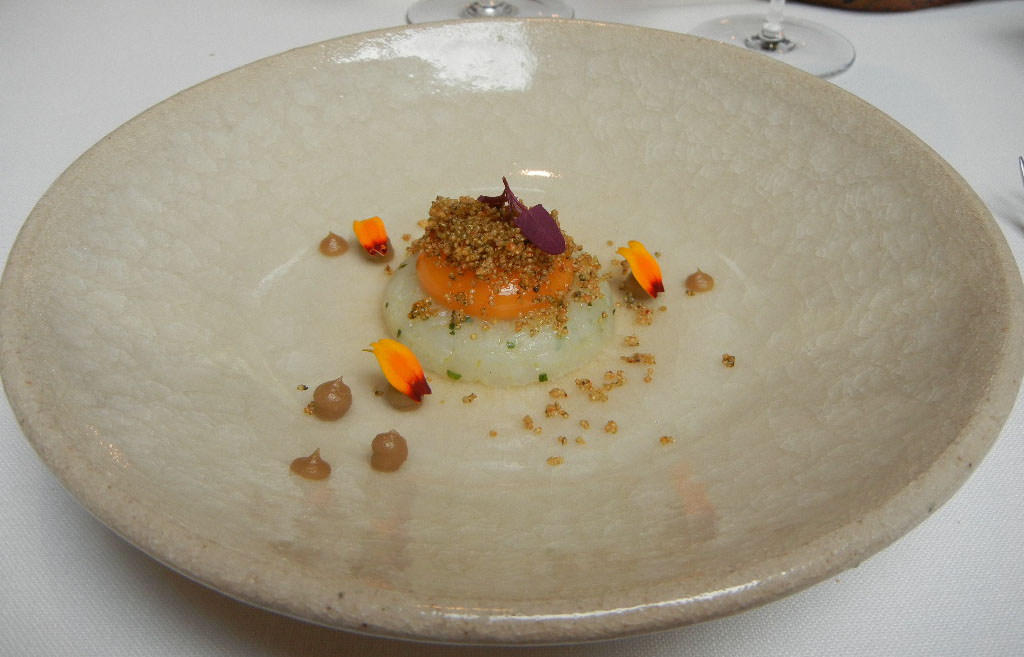
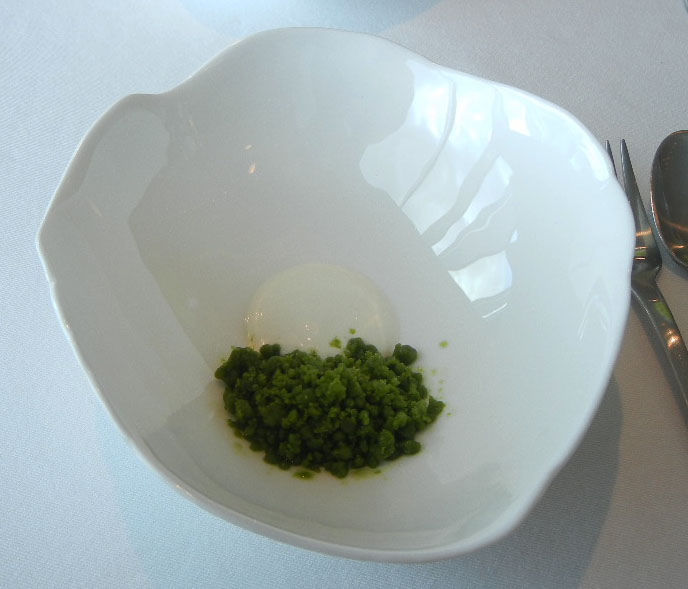
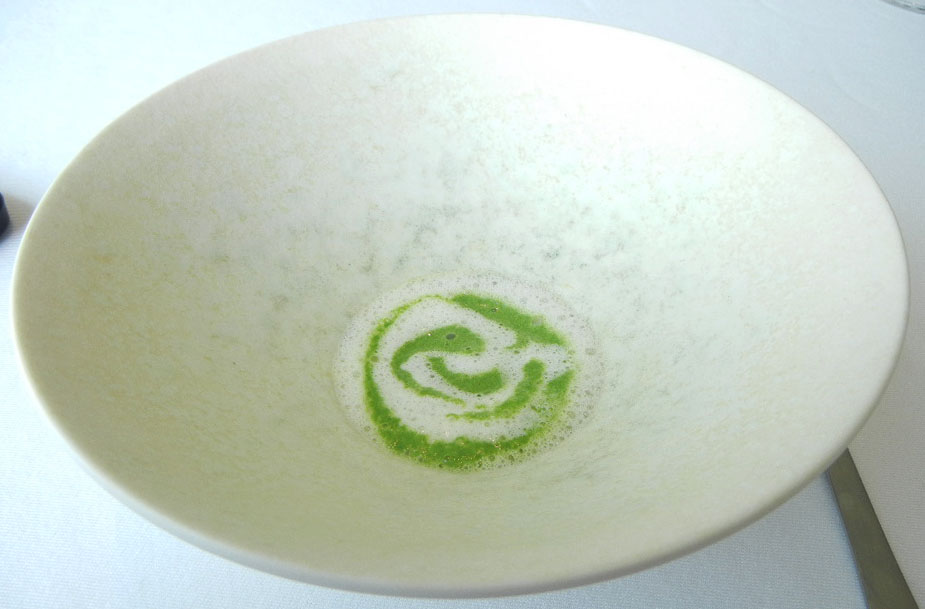
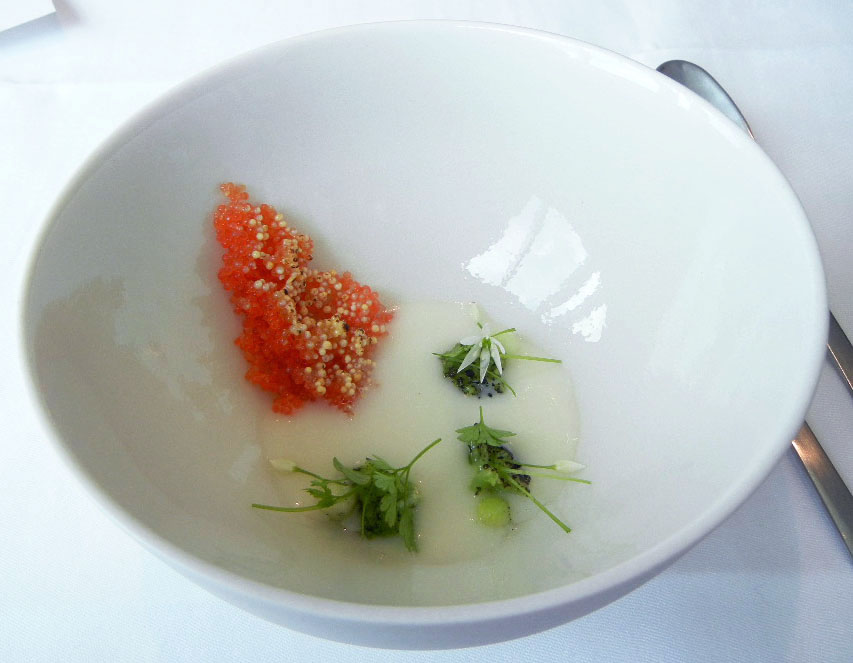
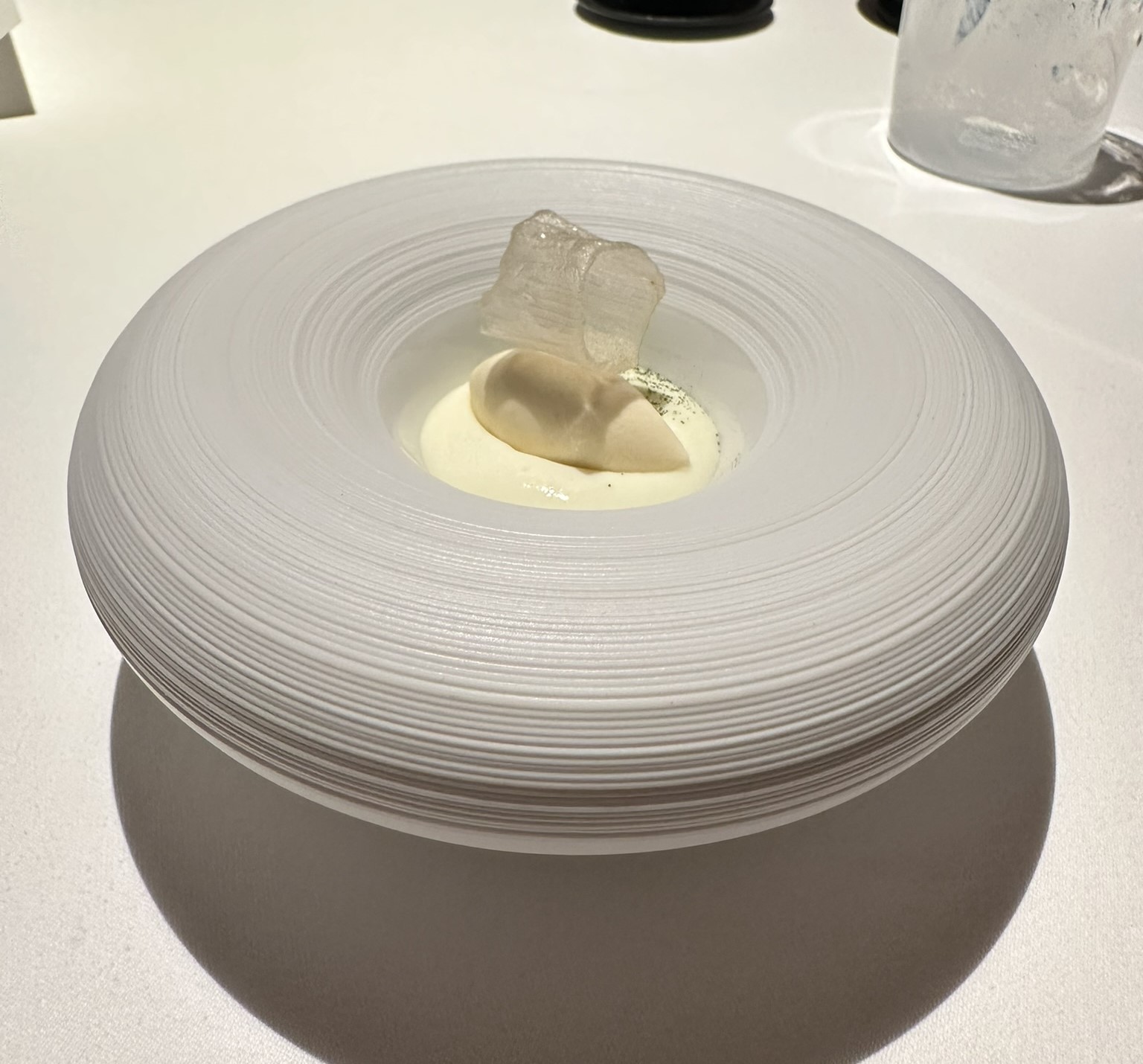
An amuse-bouche of Vichyssoise, Sea Cucumber, and Buttermilk followed. Traditionally a cold potato and leek soup with roots traced to New York City, Amador’s version arrived as an ice cream set atop airy buttermilk foam, with chunks of sea cucumber hidden beneath. Dehydrated leek added texture, while a bright citrus note tied the dish together. It was a bold, attention-grabbing introduction—shock value executed with precision.
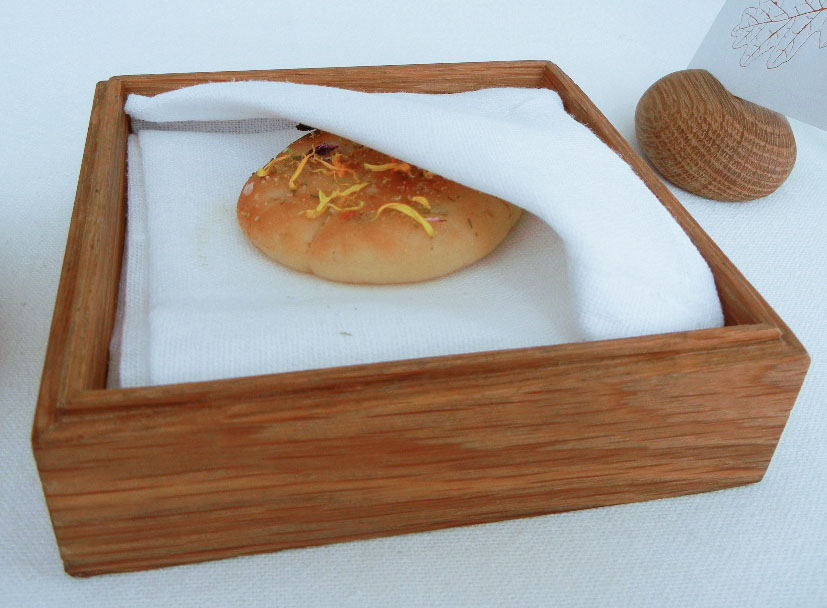
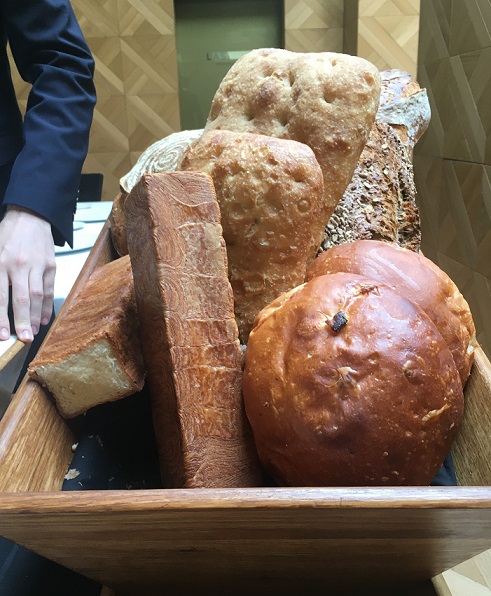
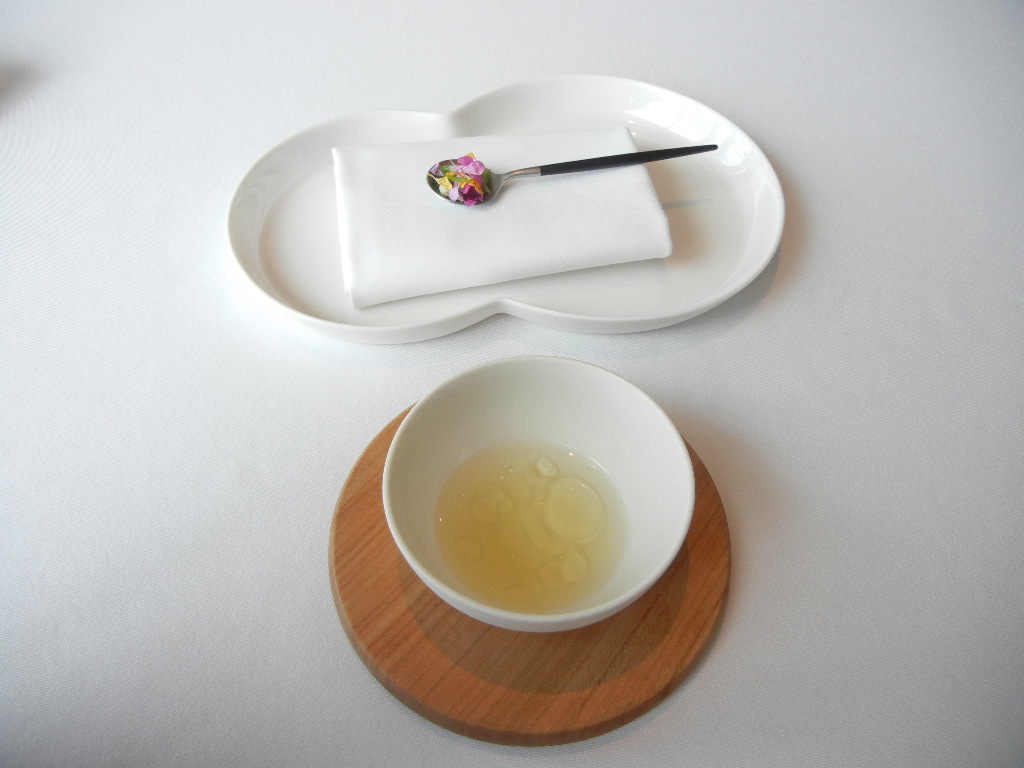
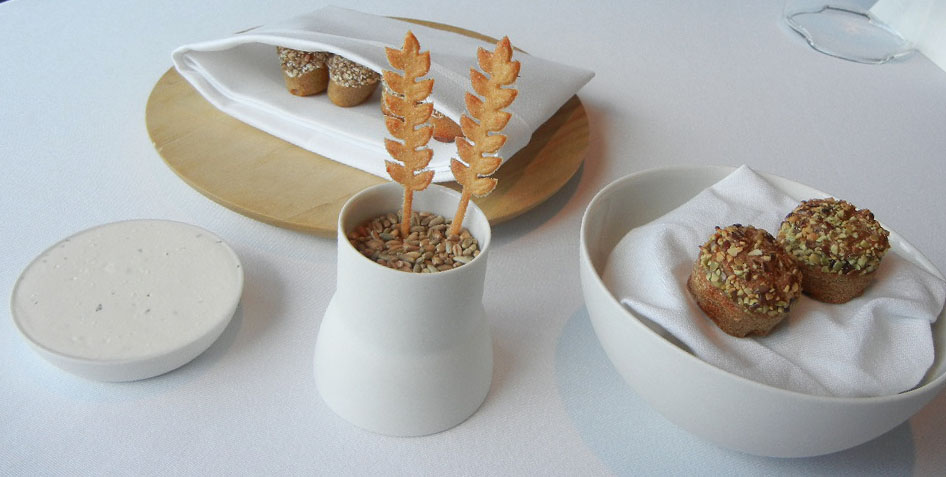
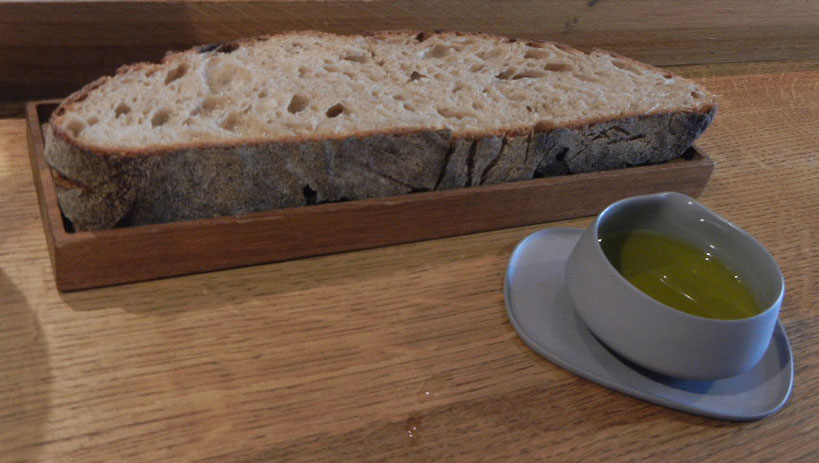
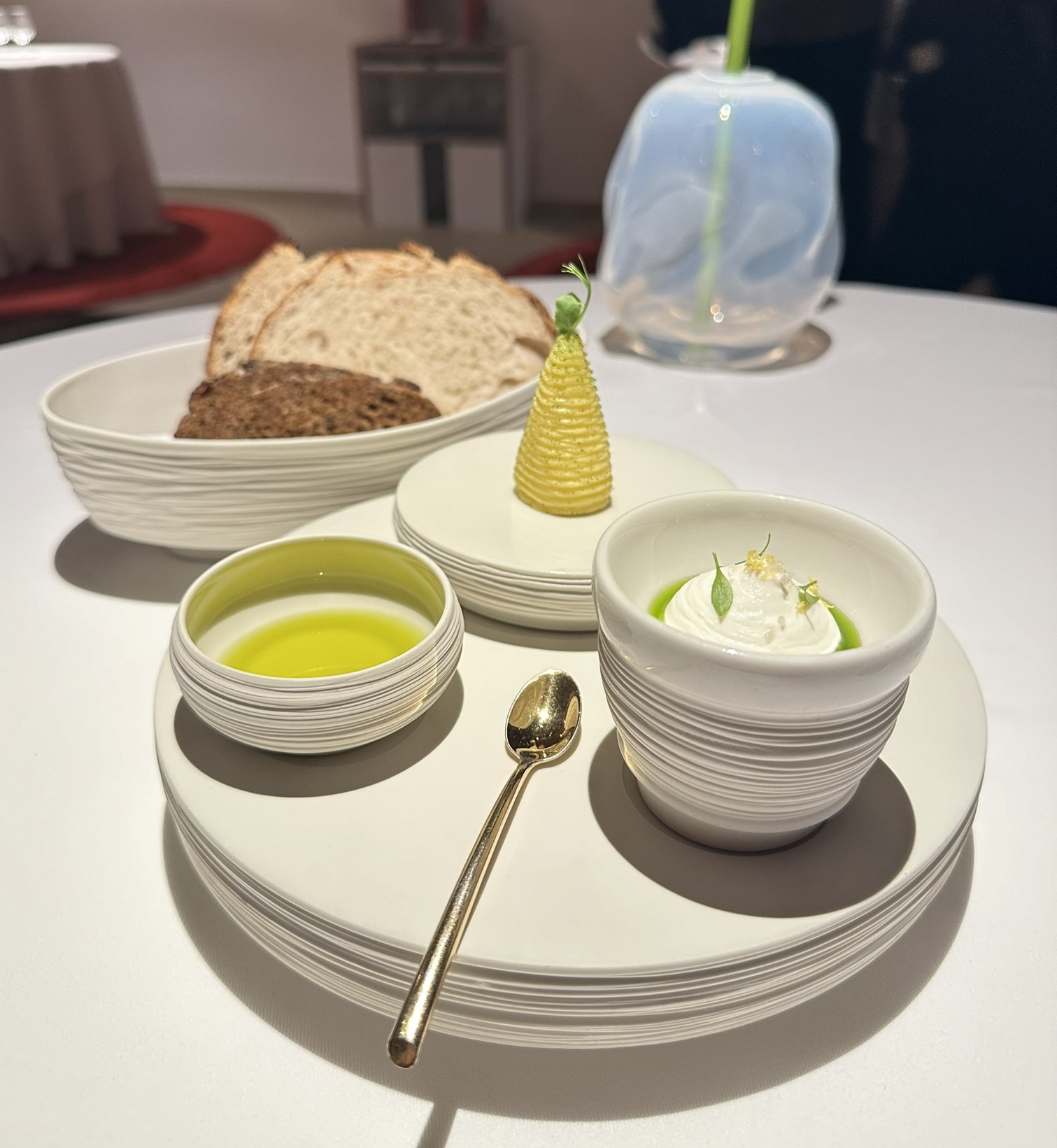
Bread & Butter was treated as a course of its own. Bread by Christian Klein & Julie Branter | Vienna/Munich, Butter made by Jean-Yves Bordier| Saint-Malo and Olive Oil “Cuvee Amador” made by Castillo de Canena | Jaen formed an exceptional trio. Two varieties of freshly baked sourdough were paired with butter that was silky, rich, and deeply flavorful—clearly a point of pride for the kitchen.
BREAD & BUTTER:
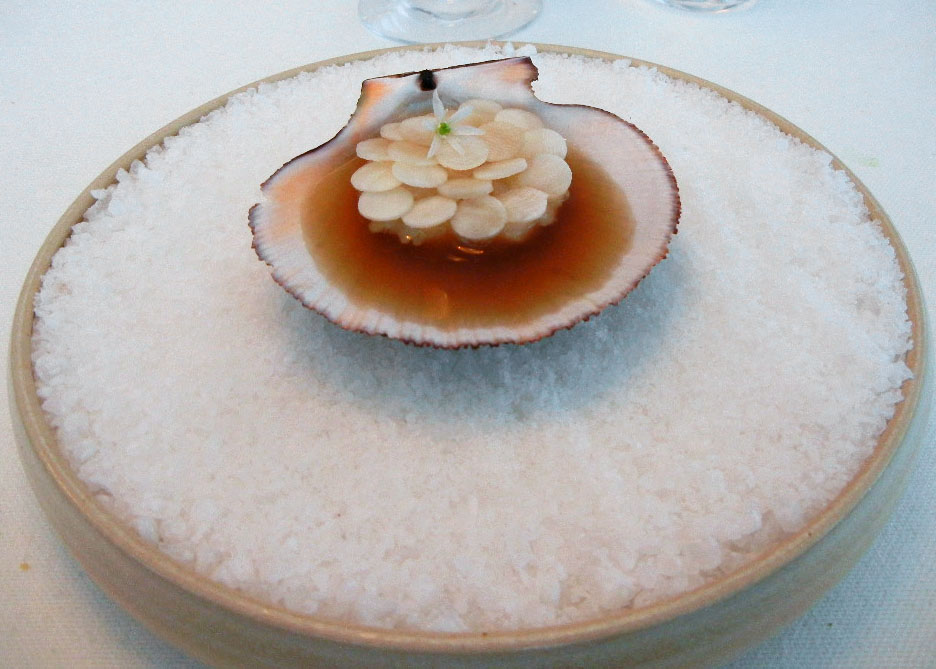
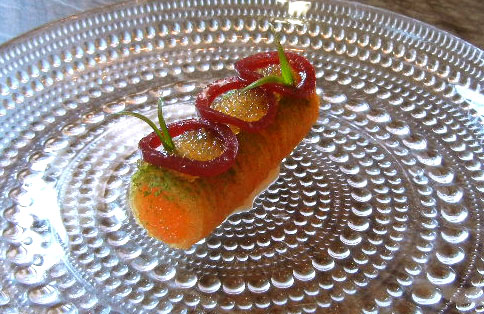
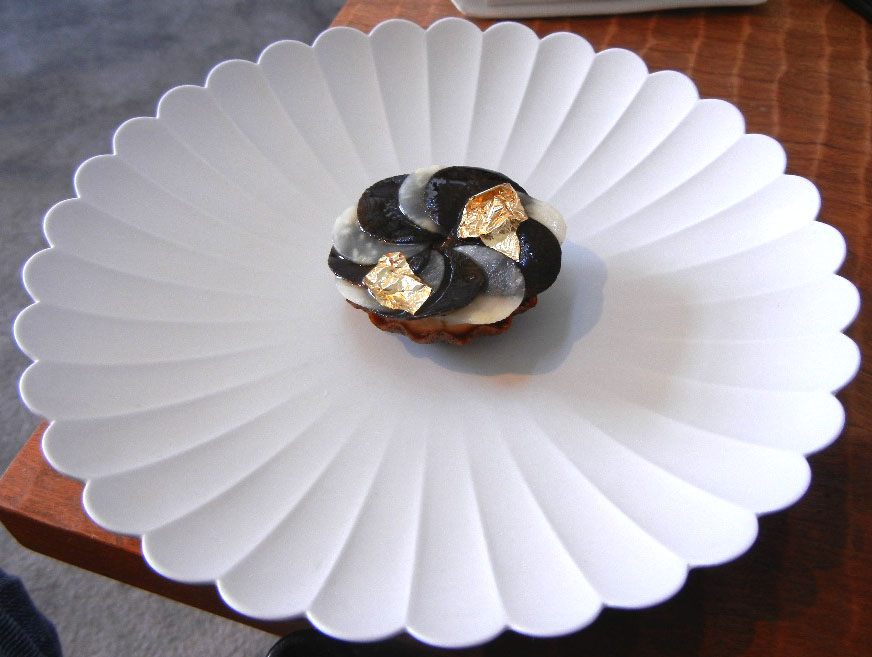
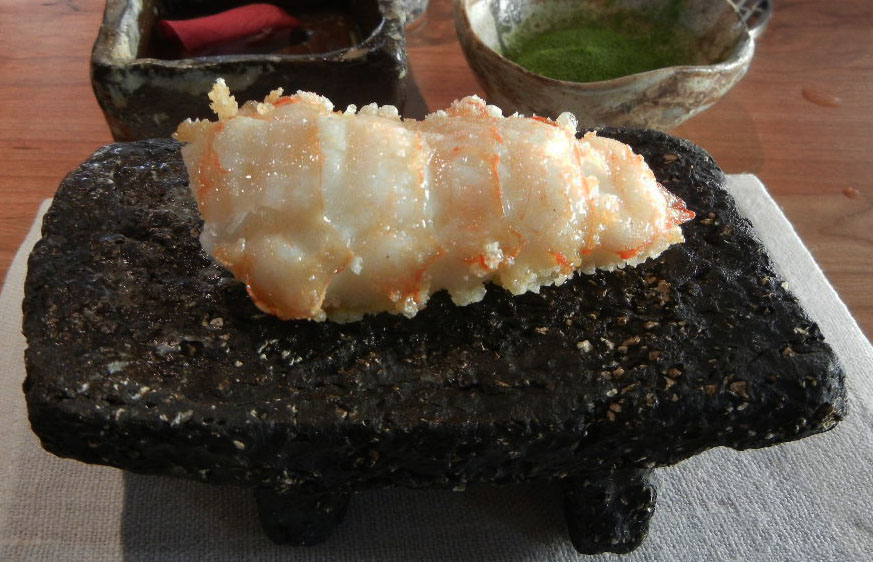
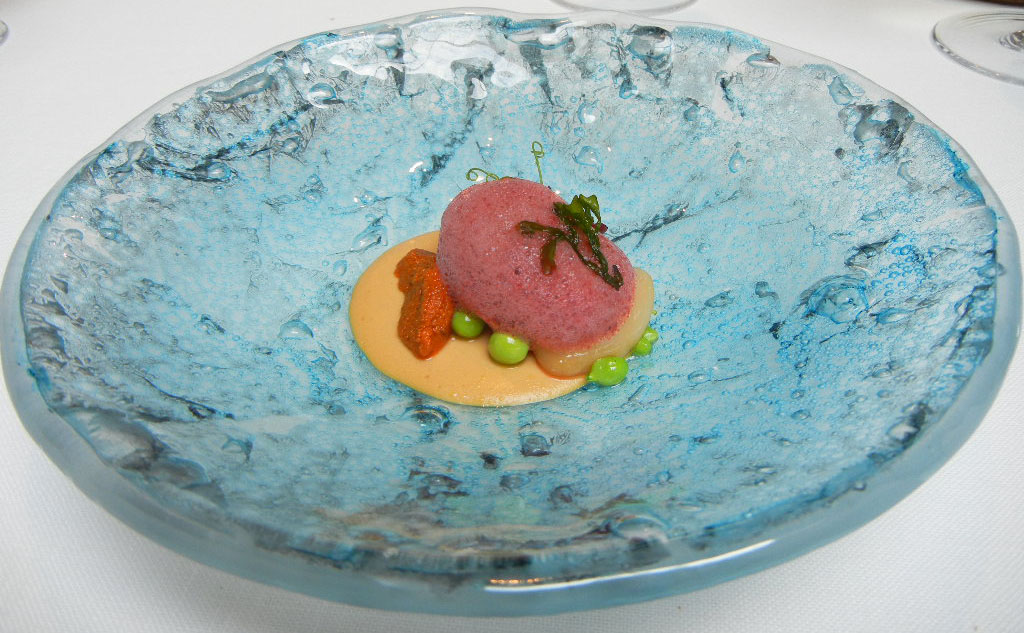
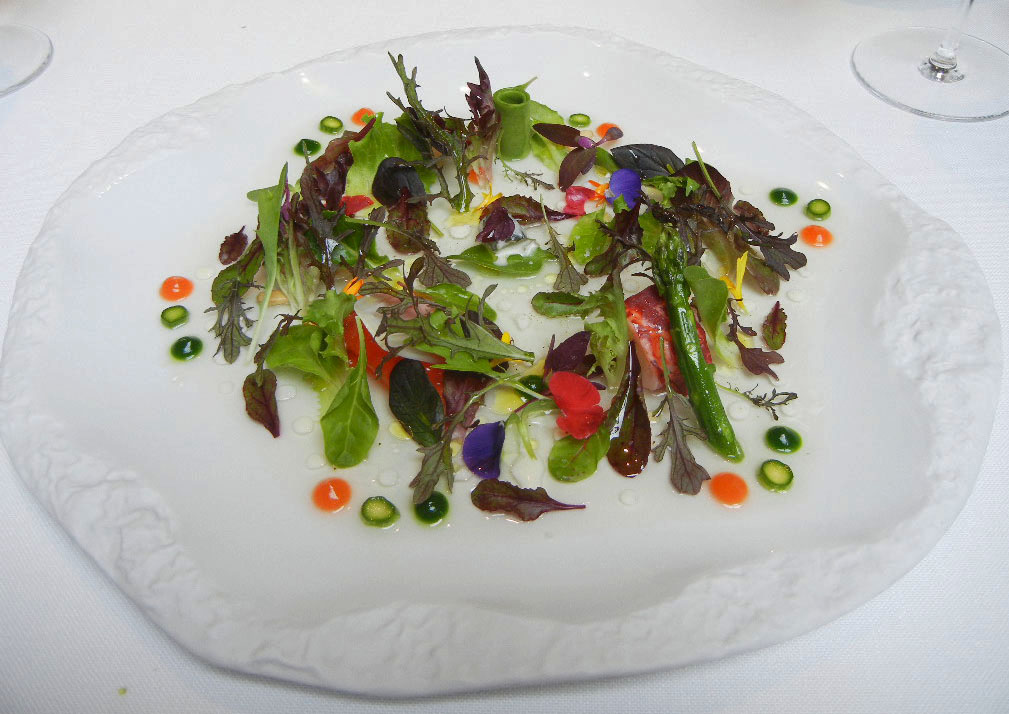
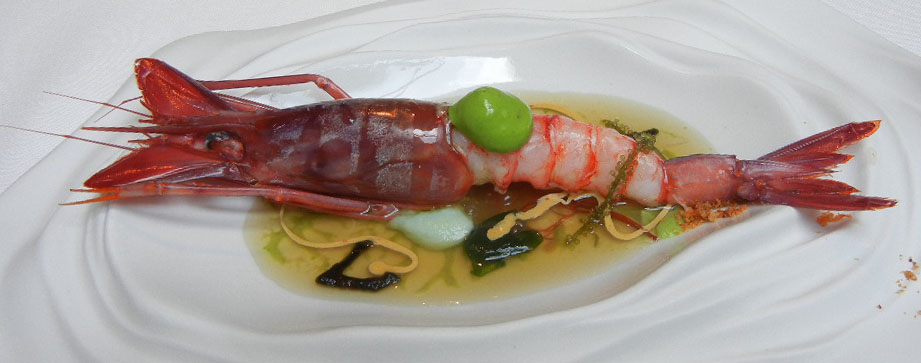
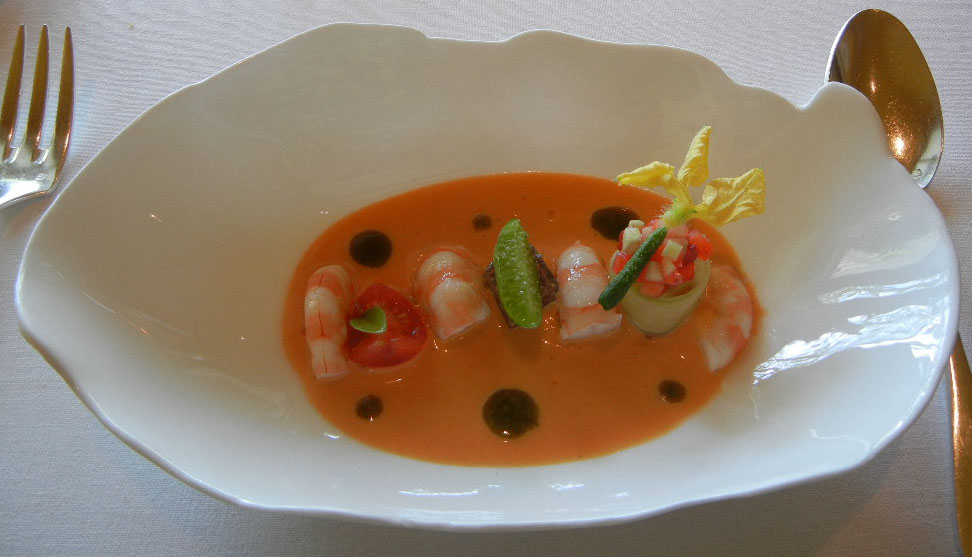
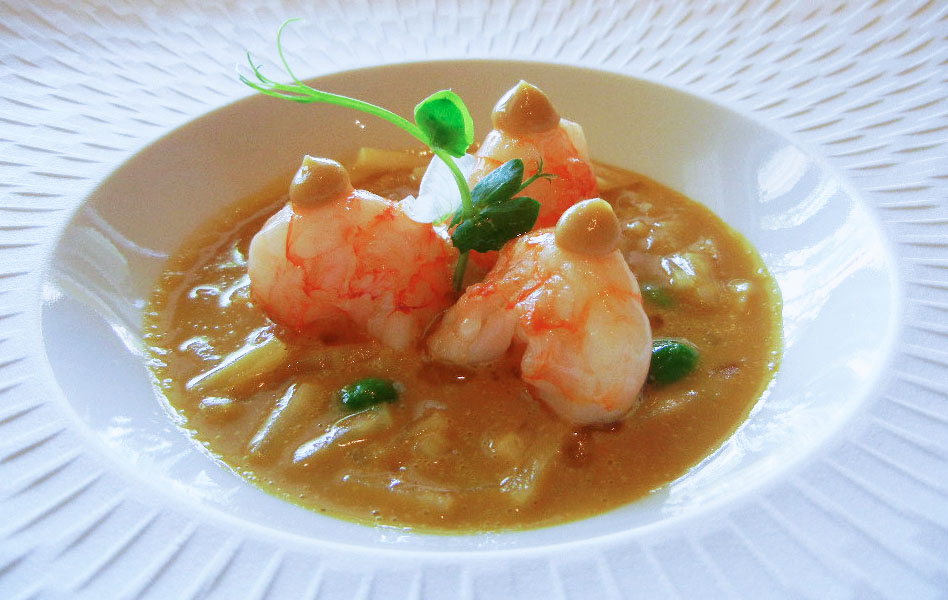
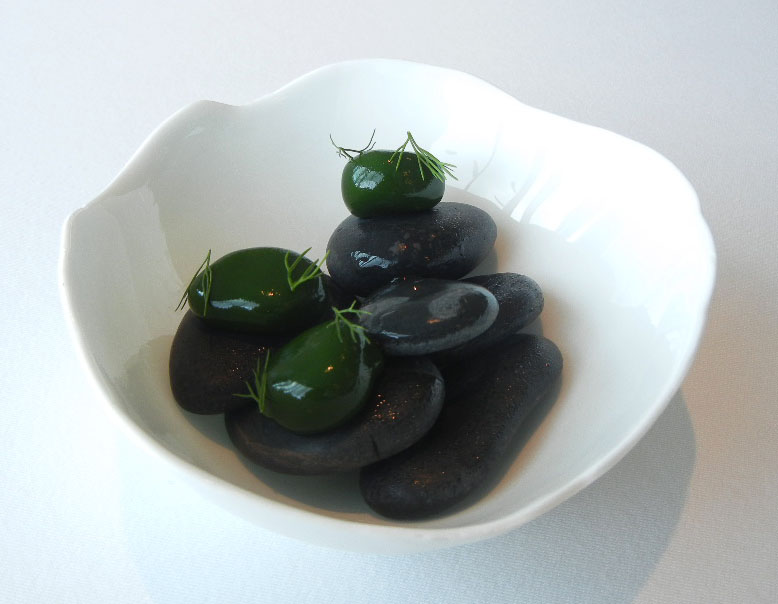
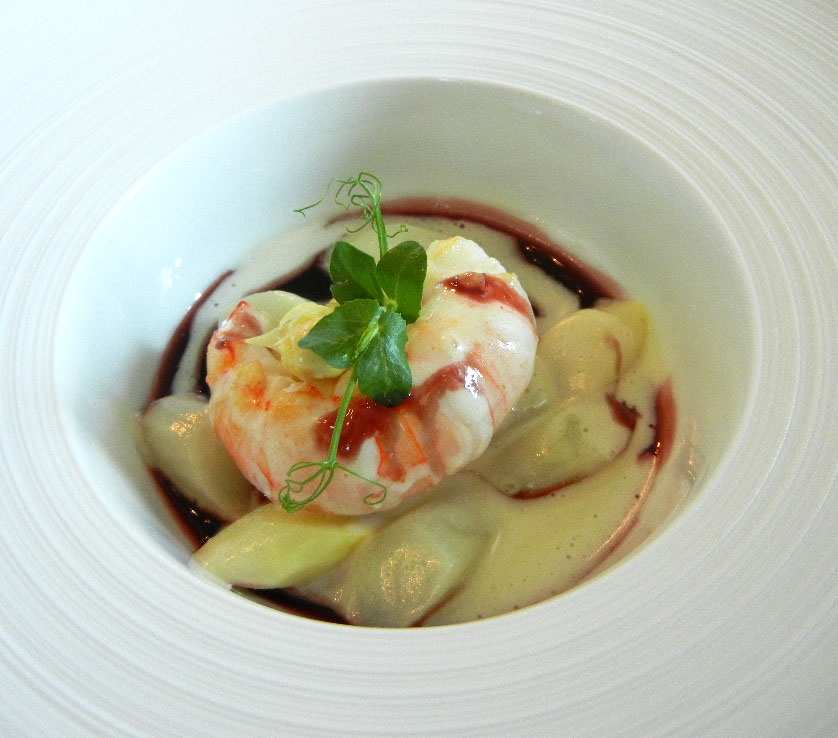
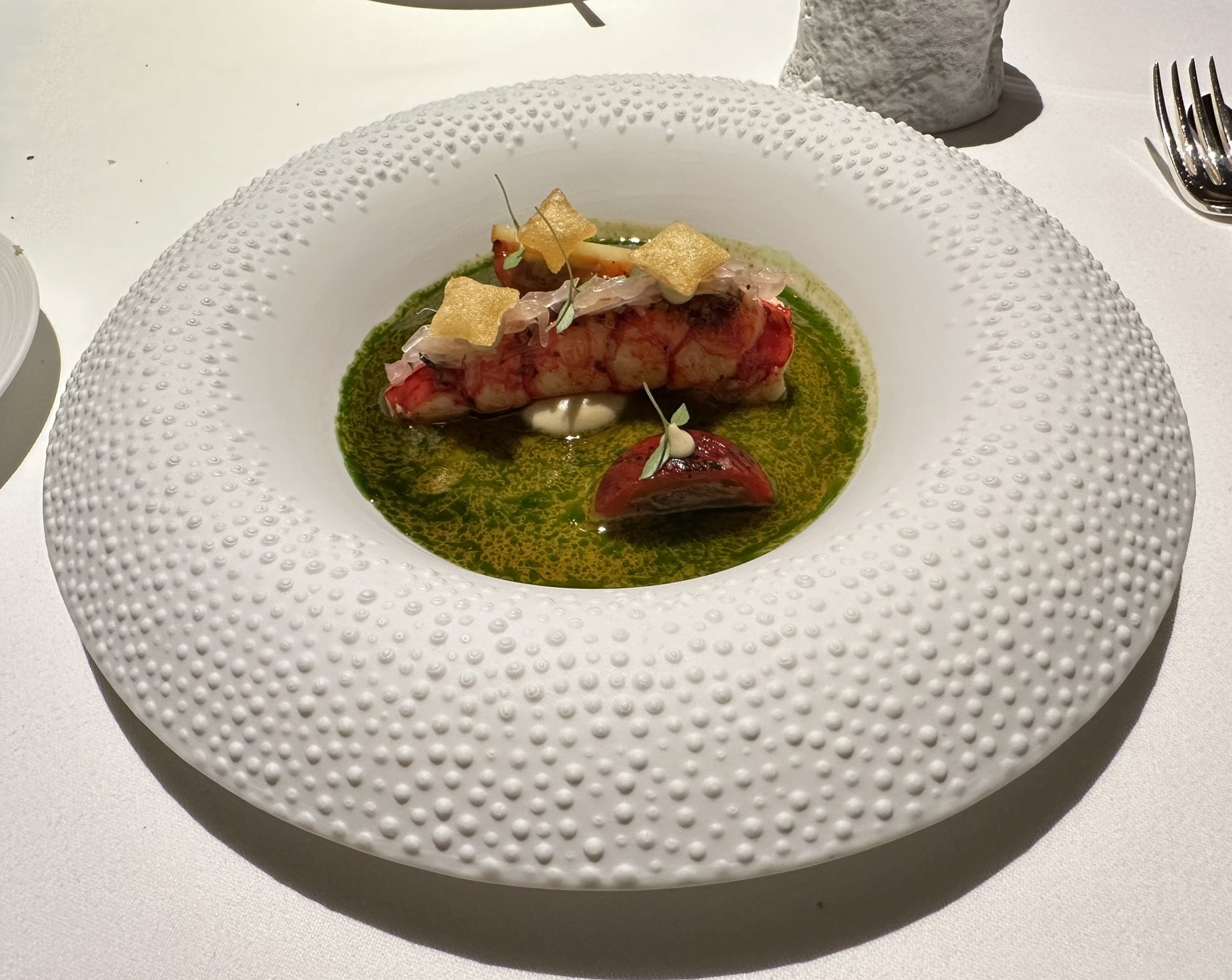
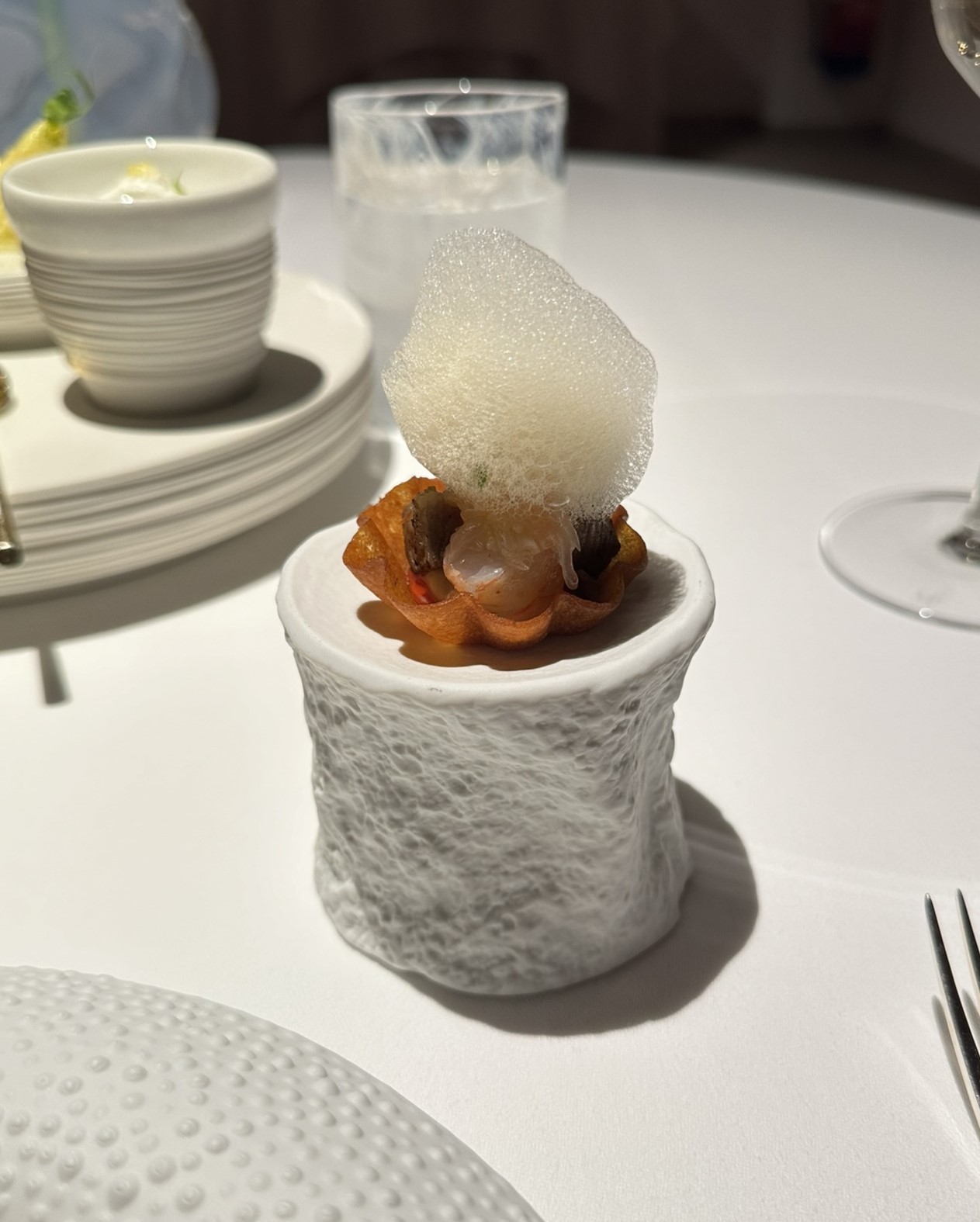
The Momentum portion of the tasting began with CARABINERO FROM HUELVA – Escalivada, Parsley, Smoke Olive Oil. The prawn was firm yet succulent, showcasing natural sweetness, paired with roasted vegetables and a sweet-and-sour marinade that complemented the shellfish beautifully. Alongside it was a standout tartlet made from crustacean essence, topped with Spanish red gamba and Iberico pork, finished with smoky aromatic foam.
MOMENTUM:
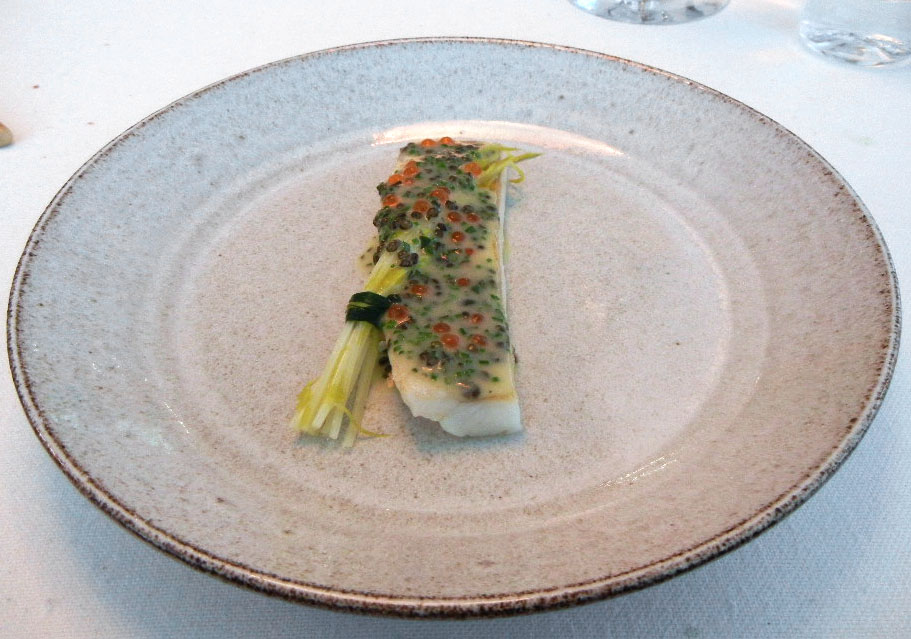
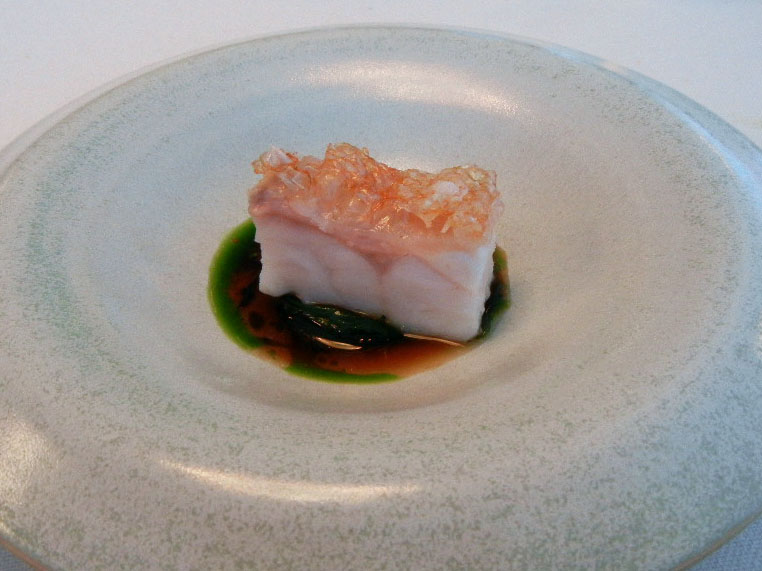
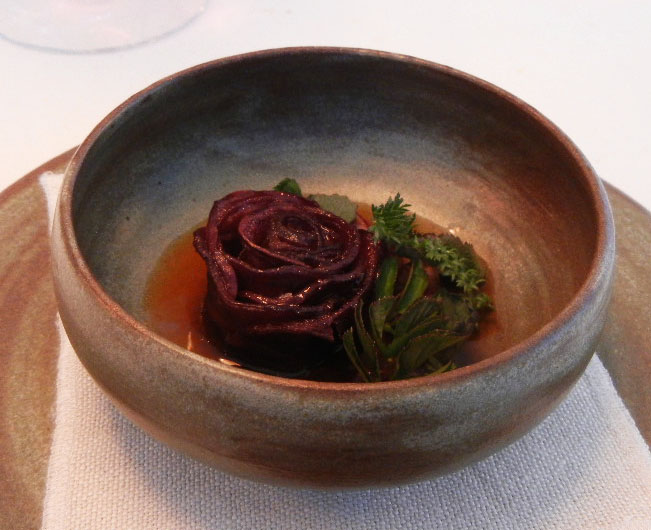
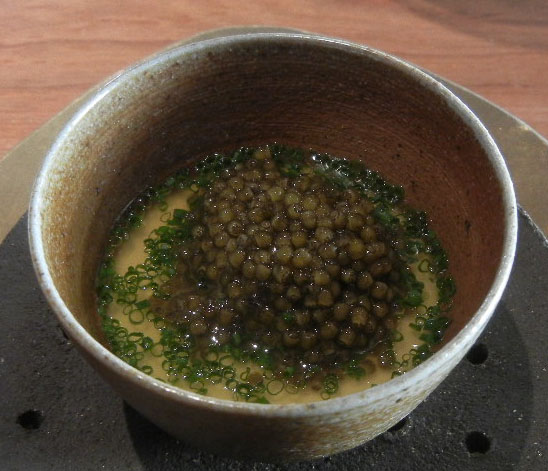
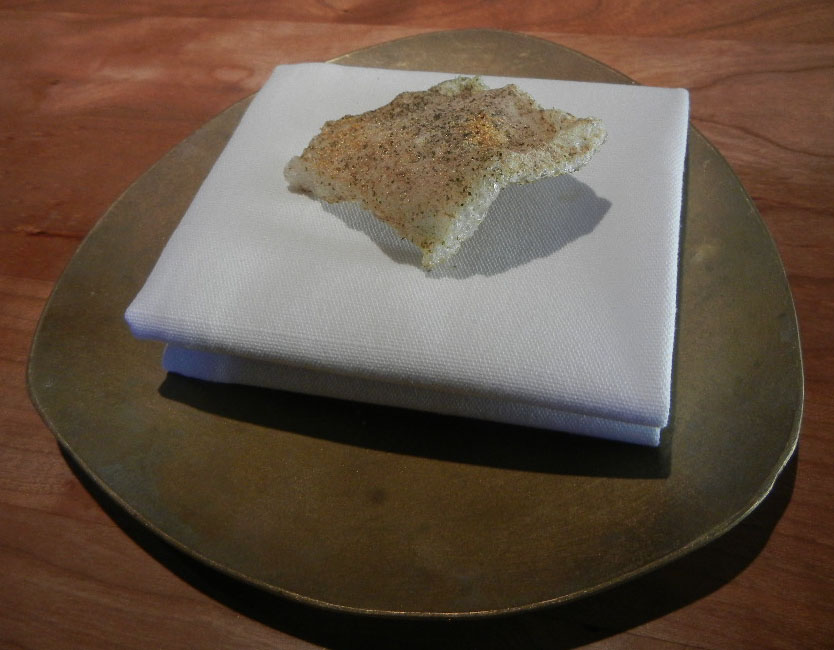
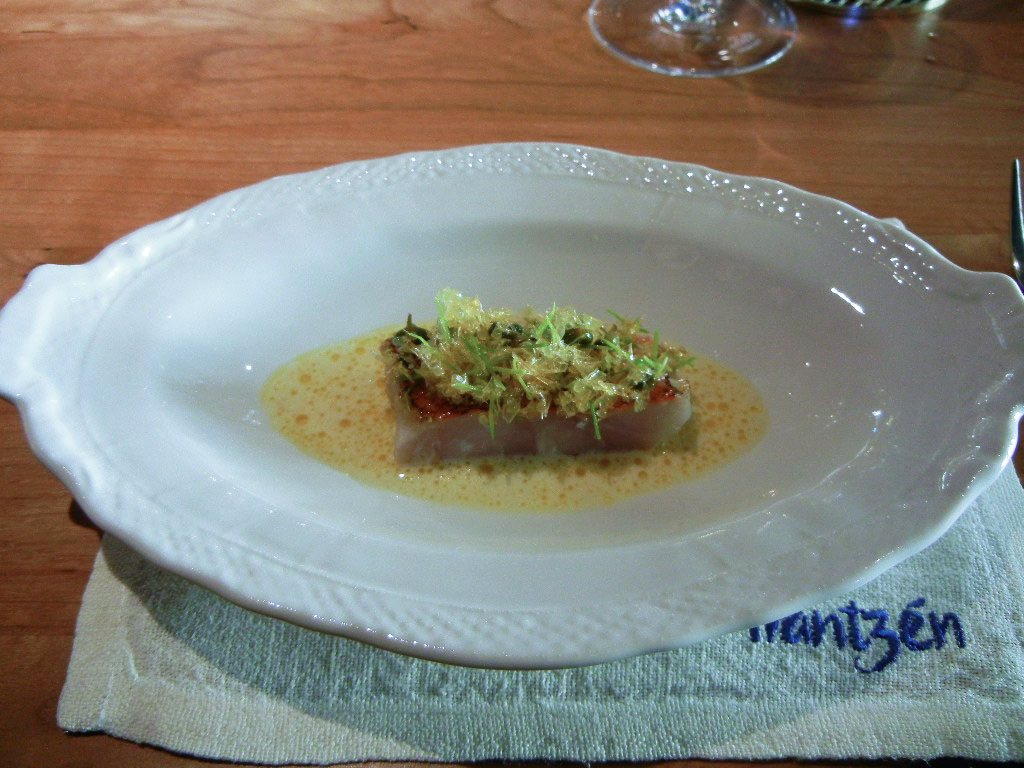
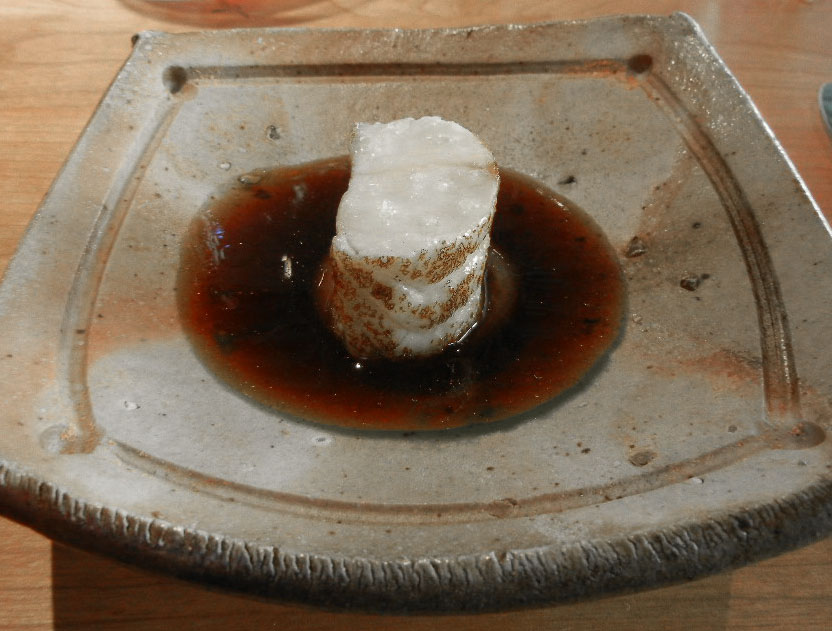
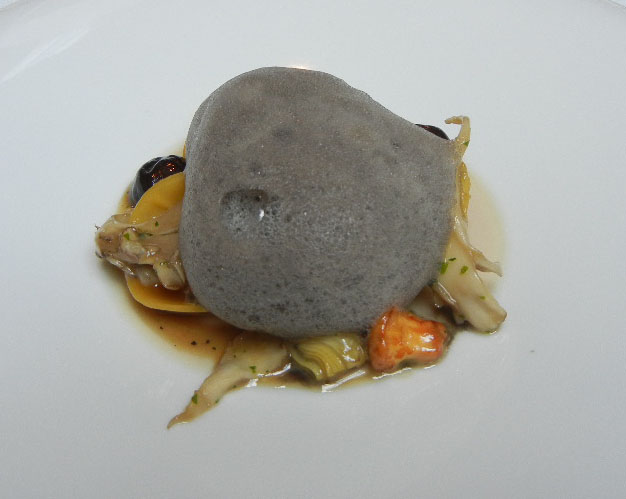
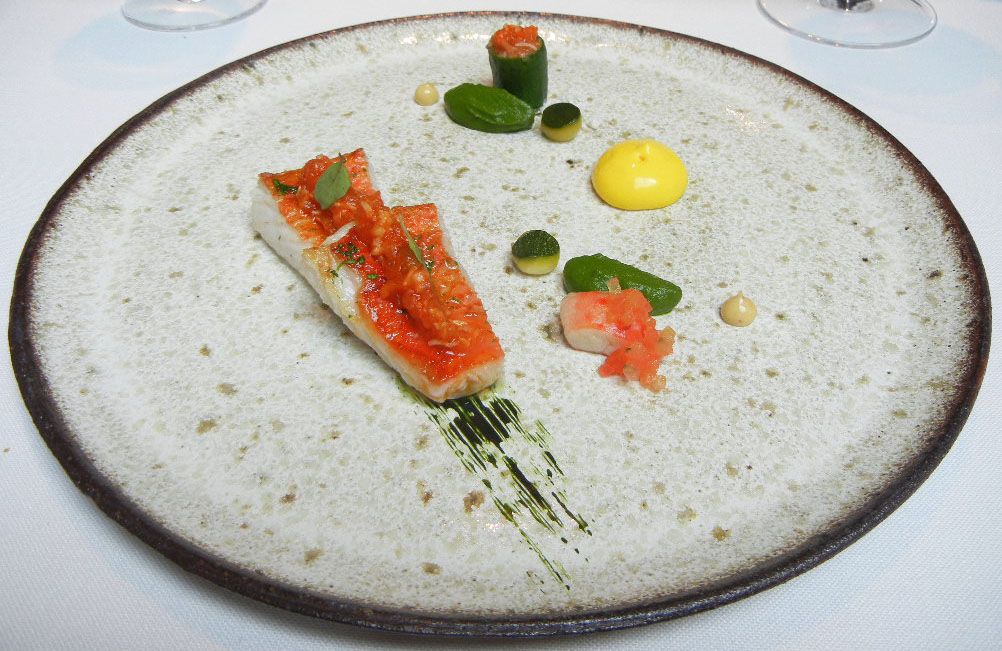
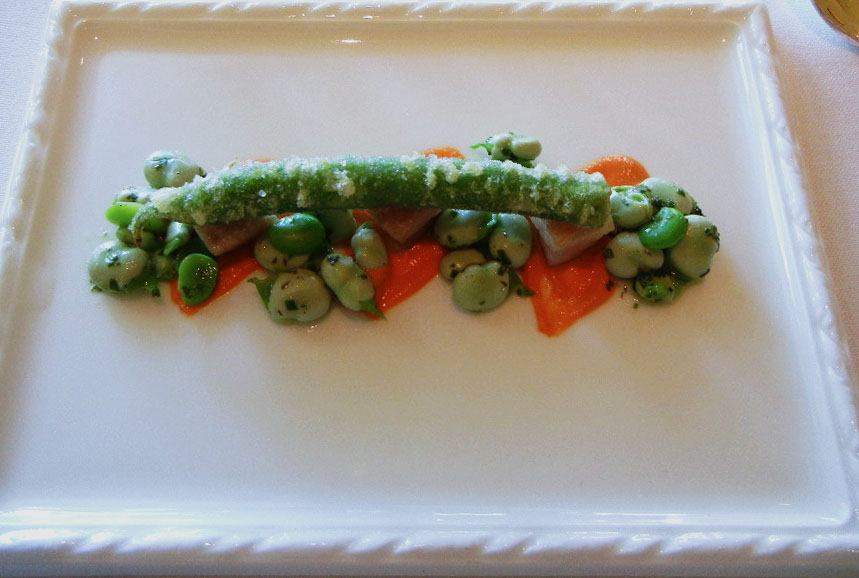
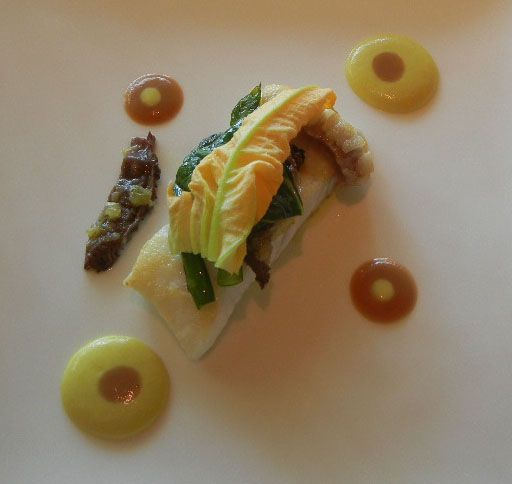
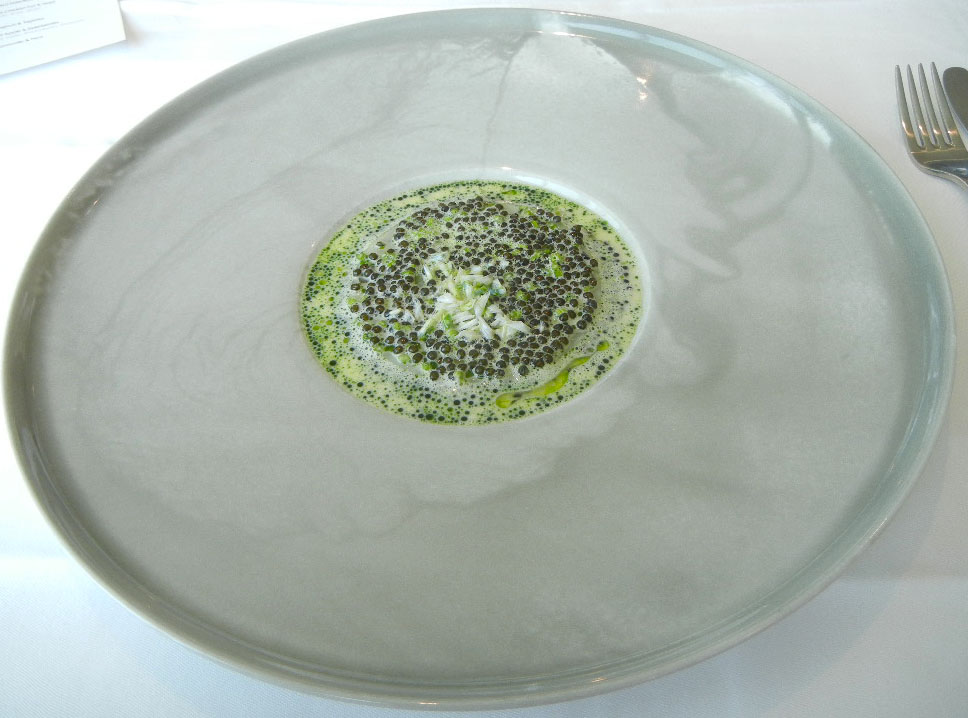
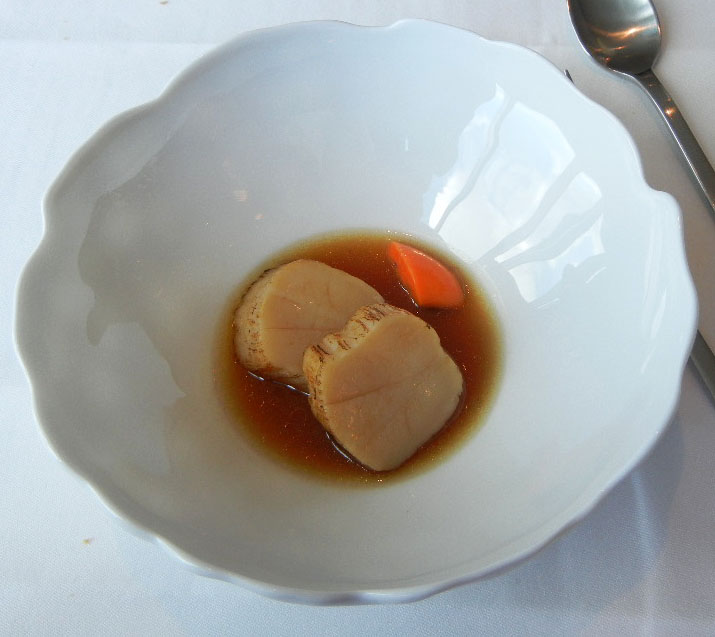
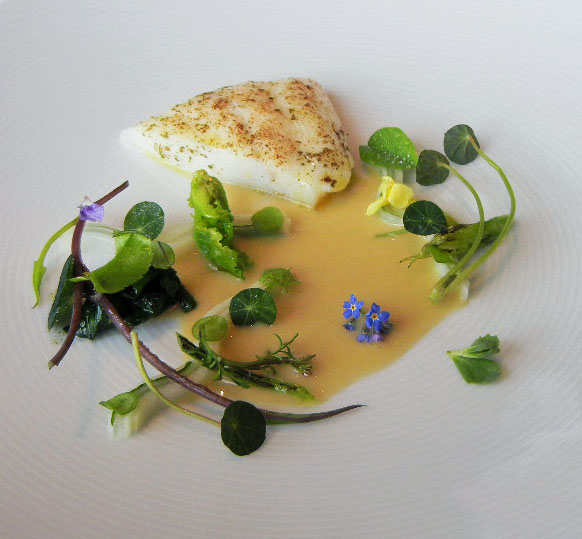
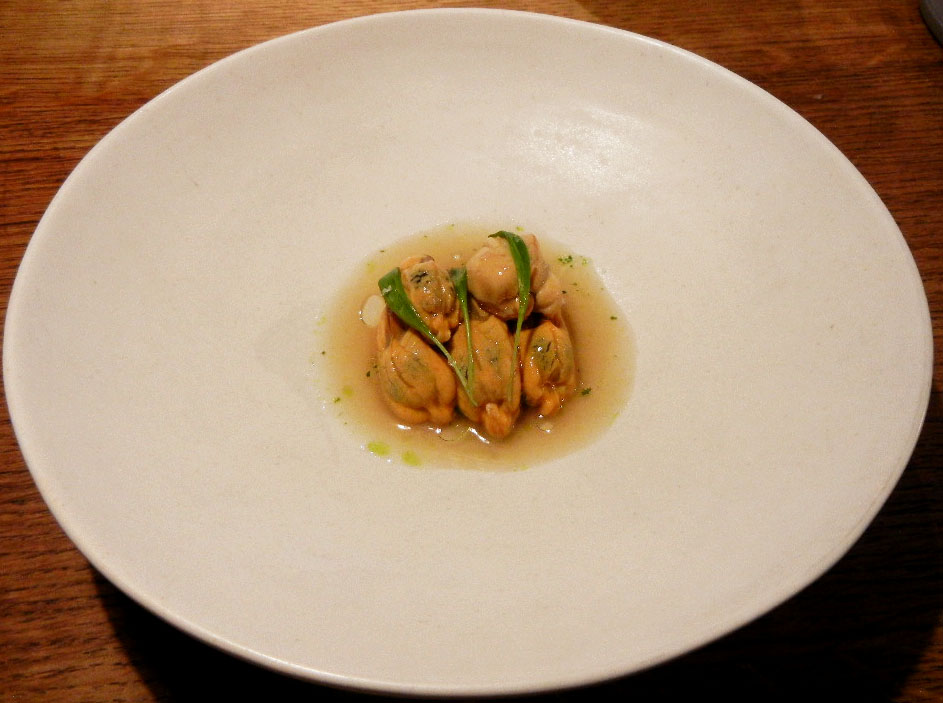
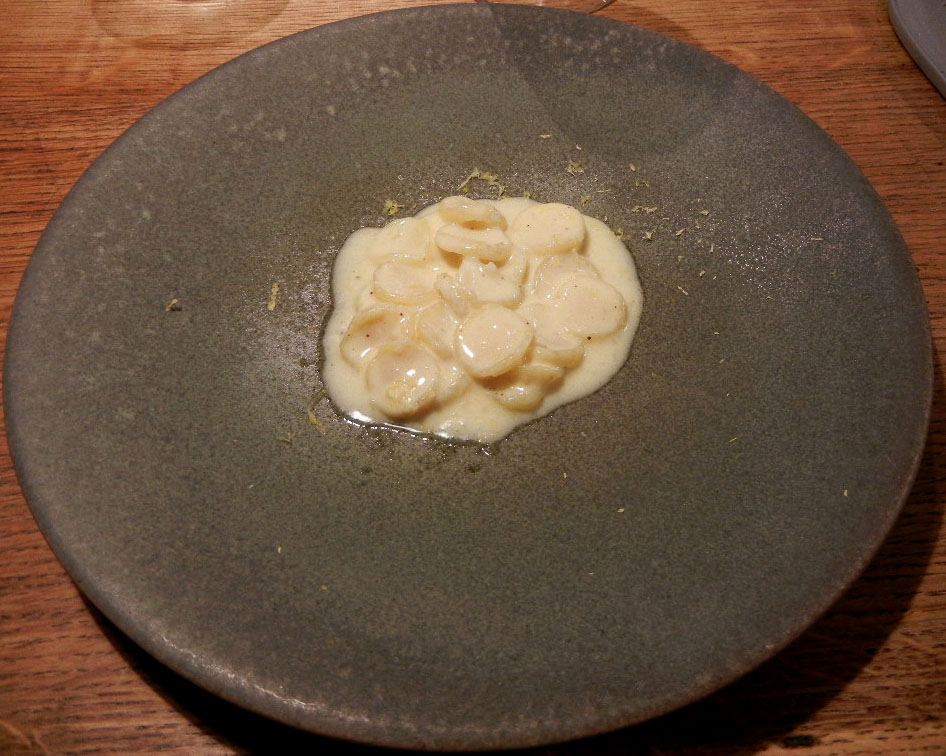
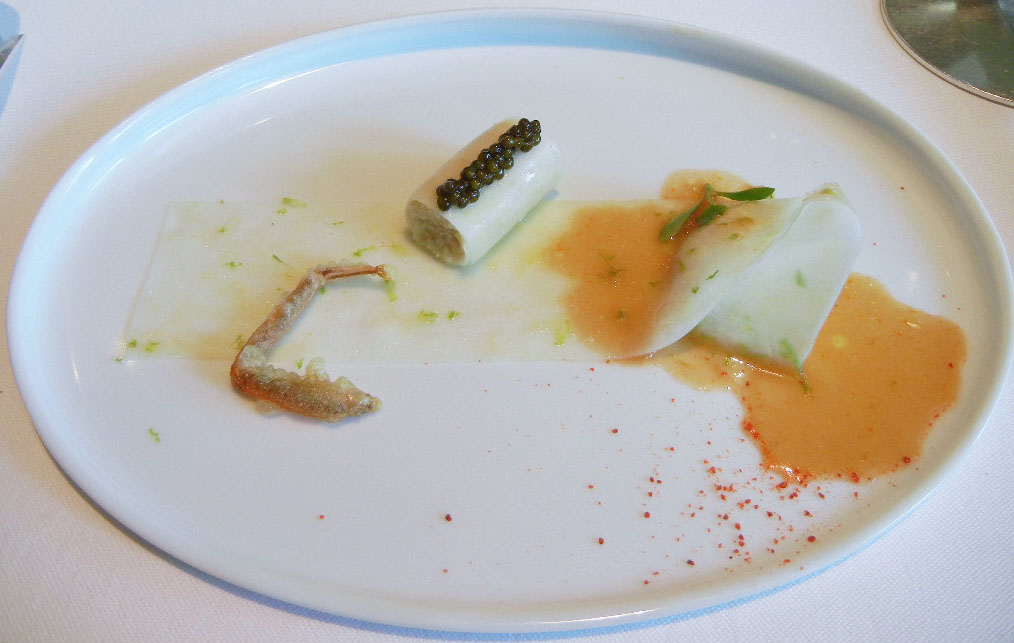
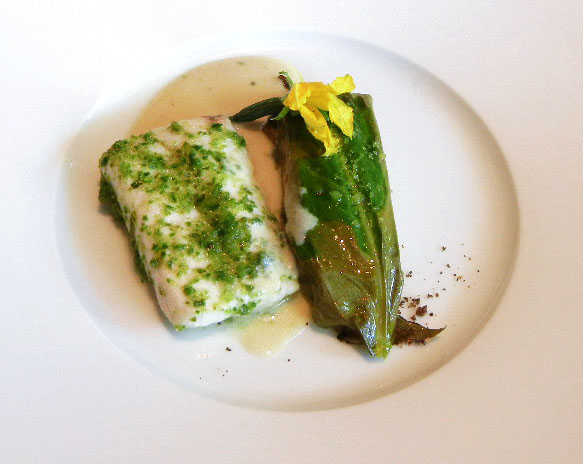
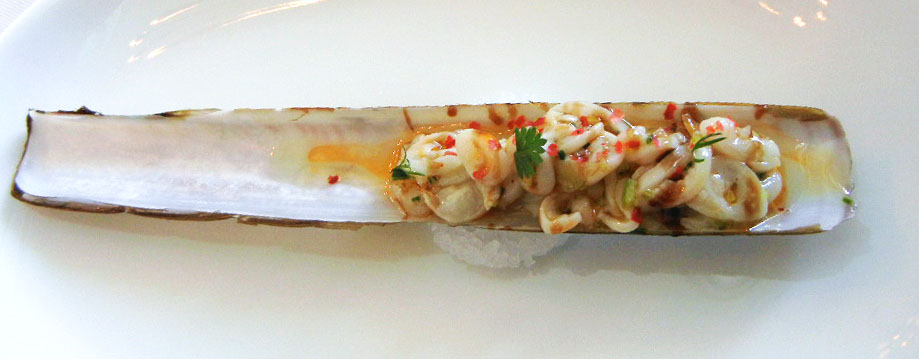
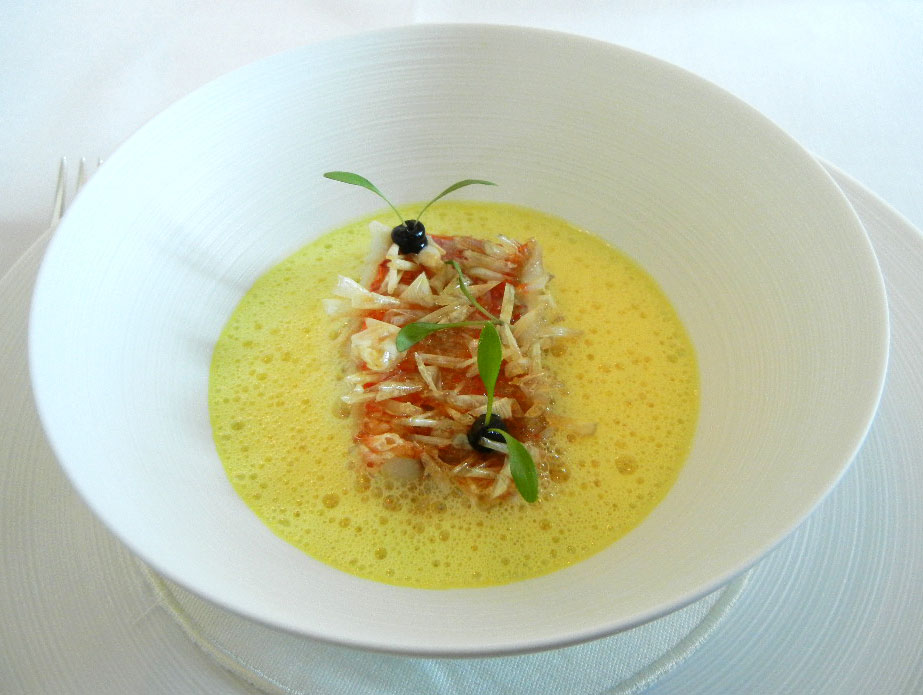
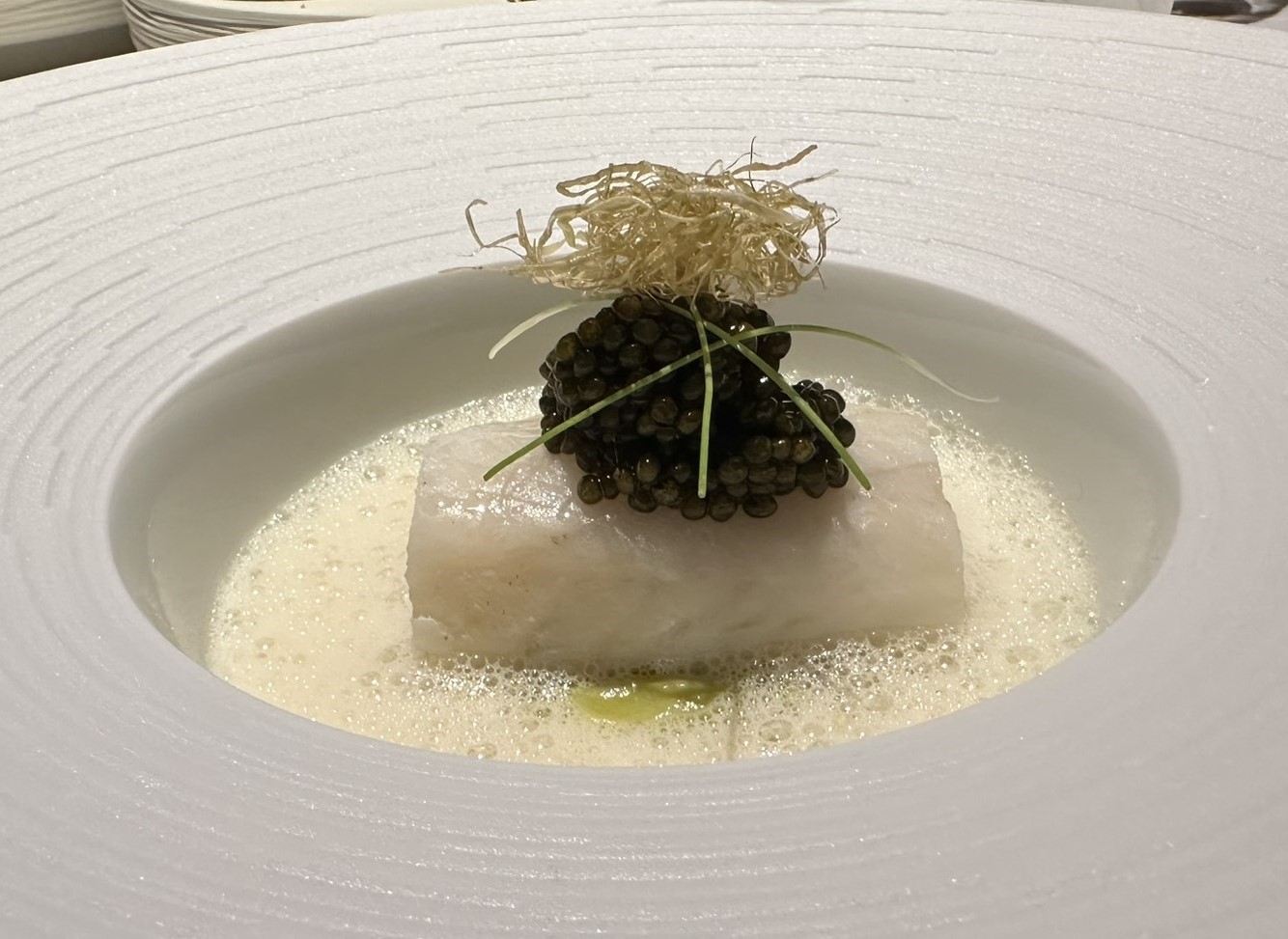
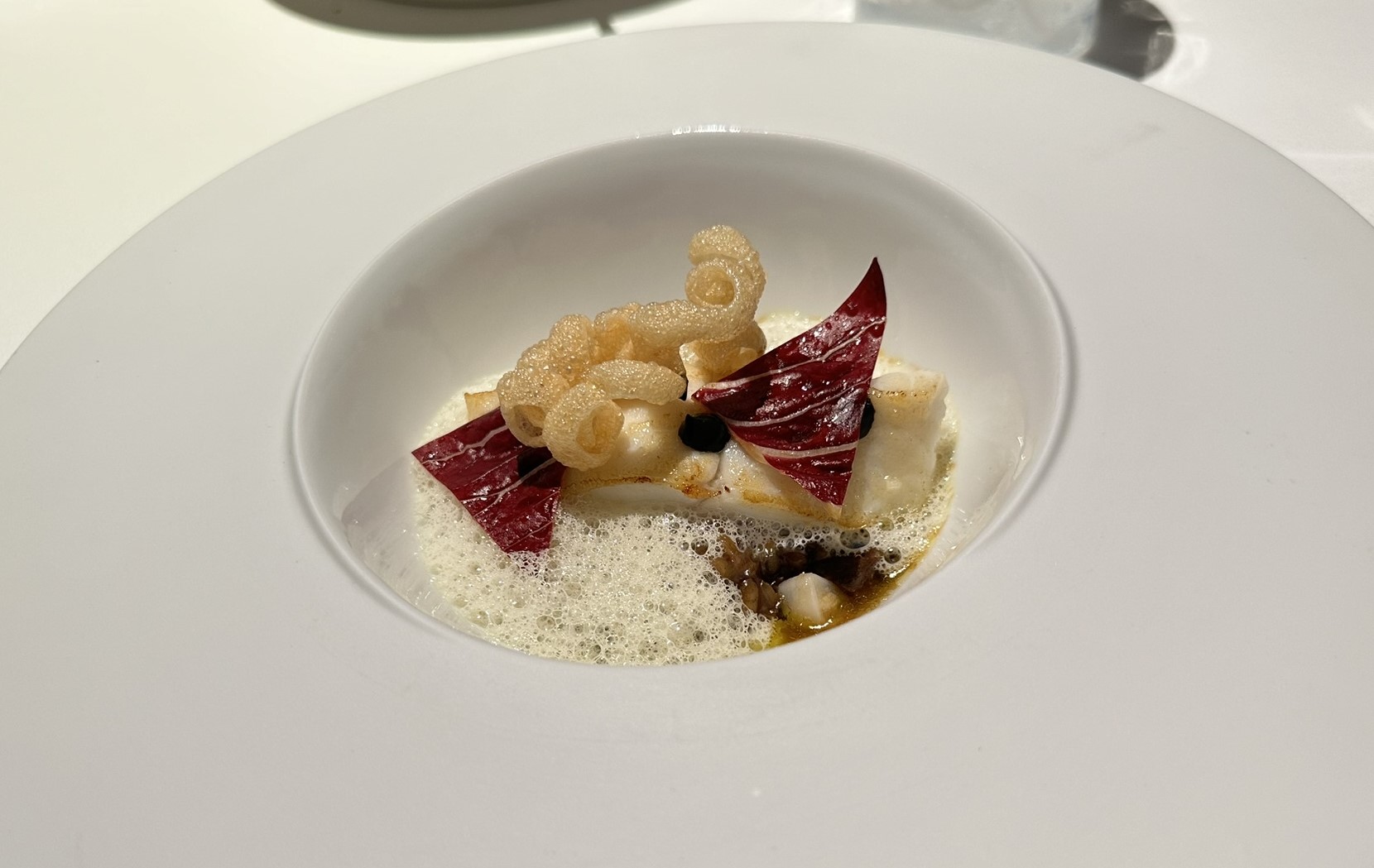
Next came PATAGONIAN TOOTHFISH – Leek | Viennese Sake | Oscietra N25. Delicate and buttery, the fish sat atop leek purée and a sake-based beurre blanc, adding depth and velvety richness. The caviar brought salinity, while fried kombu seaweed added crunch and contrast. This was followed by BRETON TURBOT – Morcilla | Razor Clam | Treviso. The turbot was tender and rested on bomba rice infused with turbot consommé. Razor clams added brininess, while Spanish morcilla brought savory depth. Treviso cabbage introduced bitterness that balanced the dish, and the fried turbot skin added a welcome crisp texture.
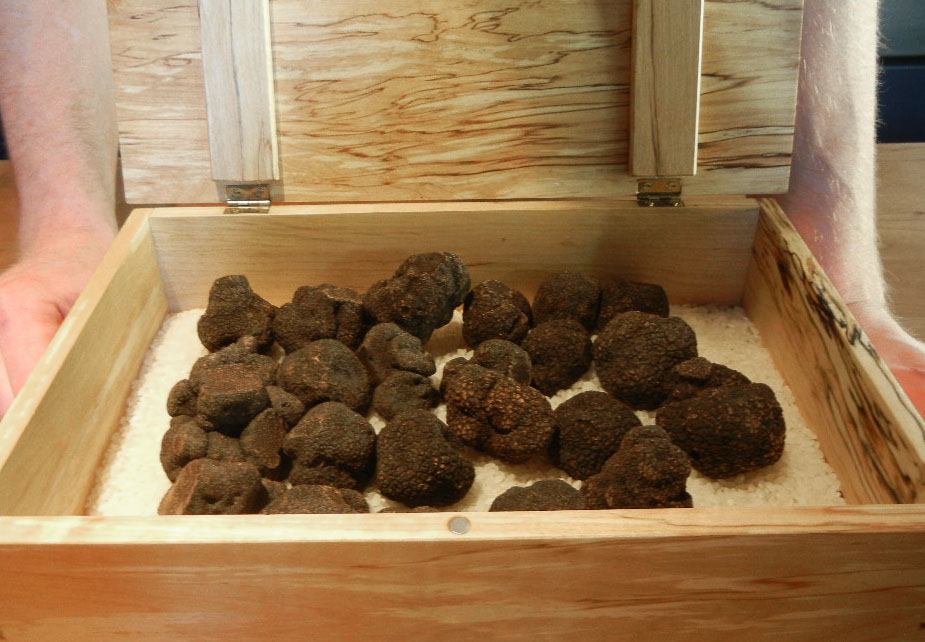
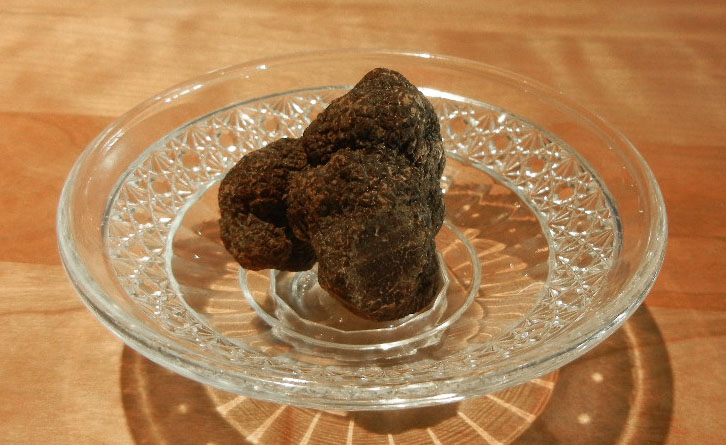
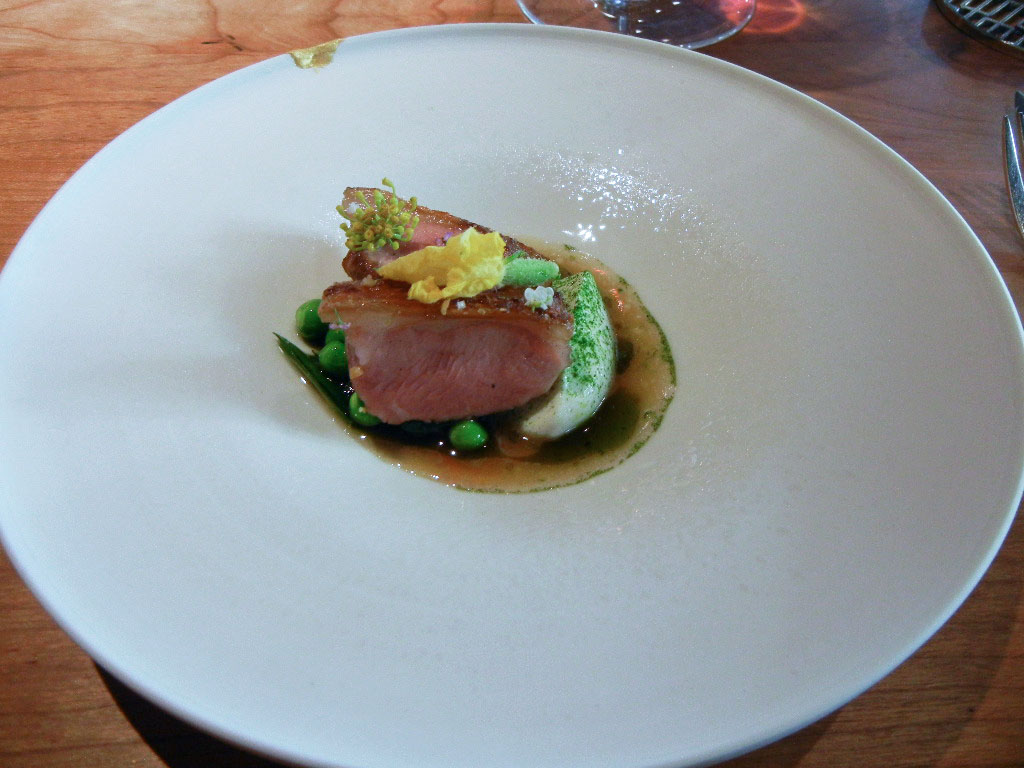
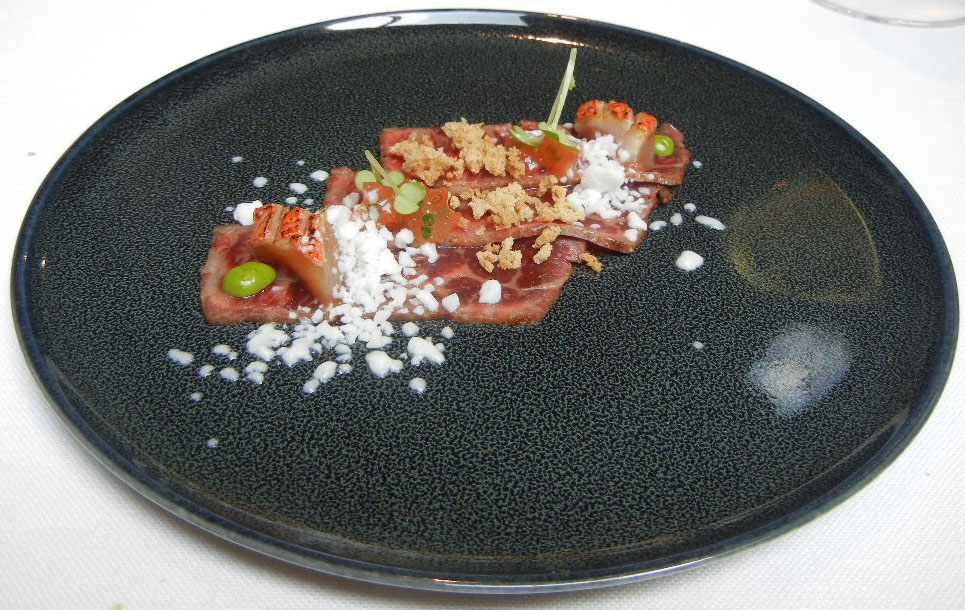
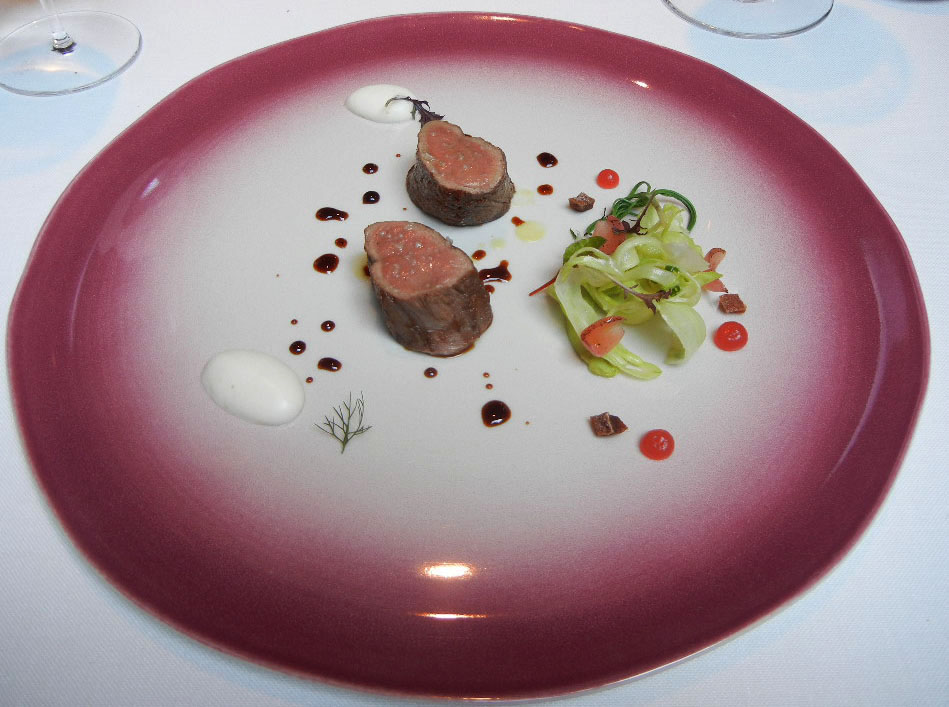
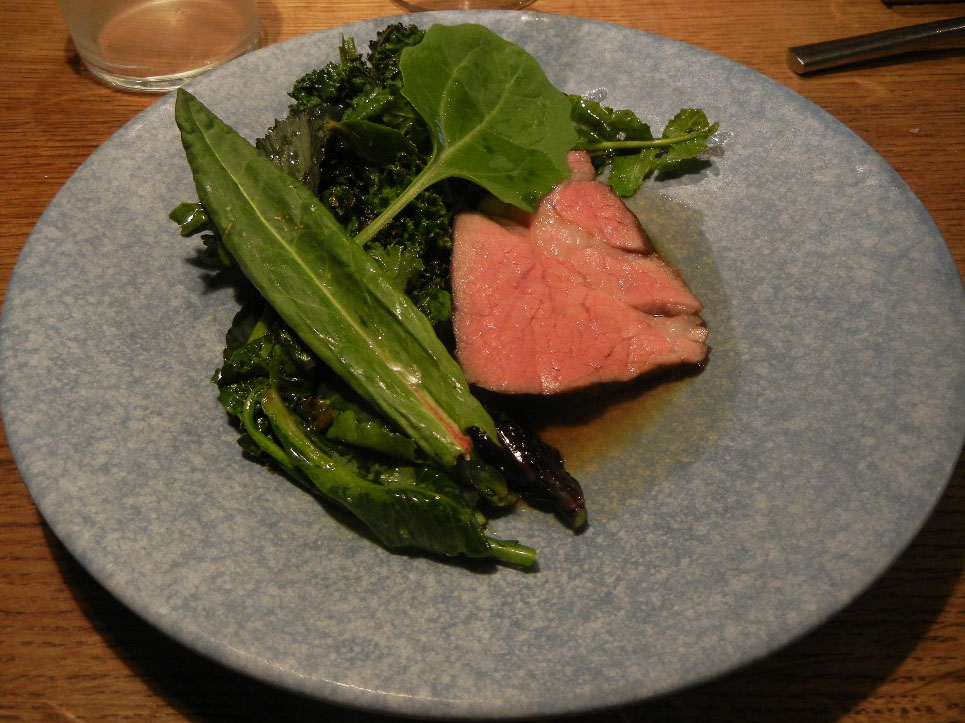
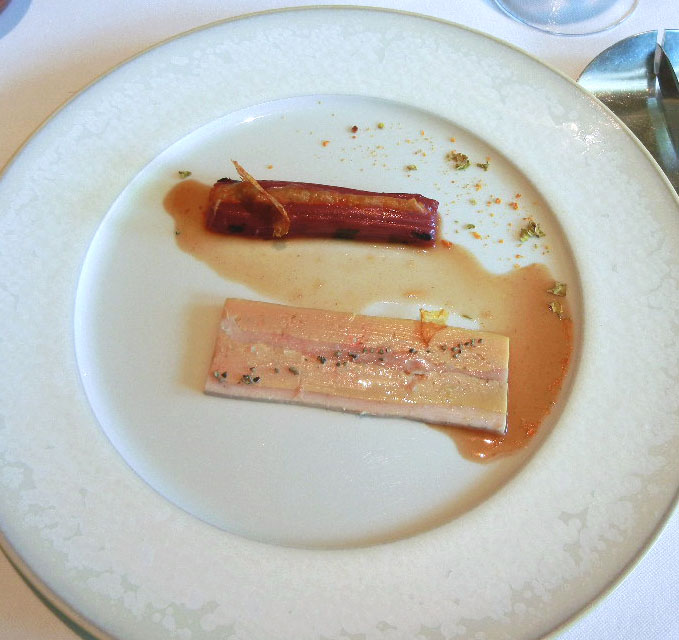
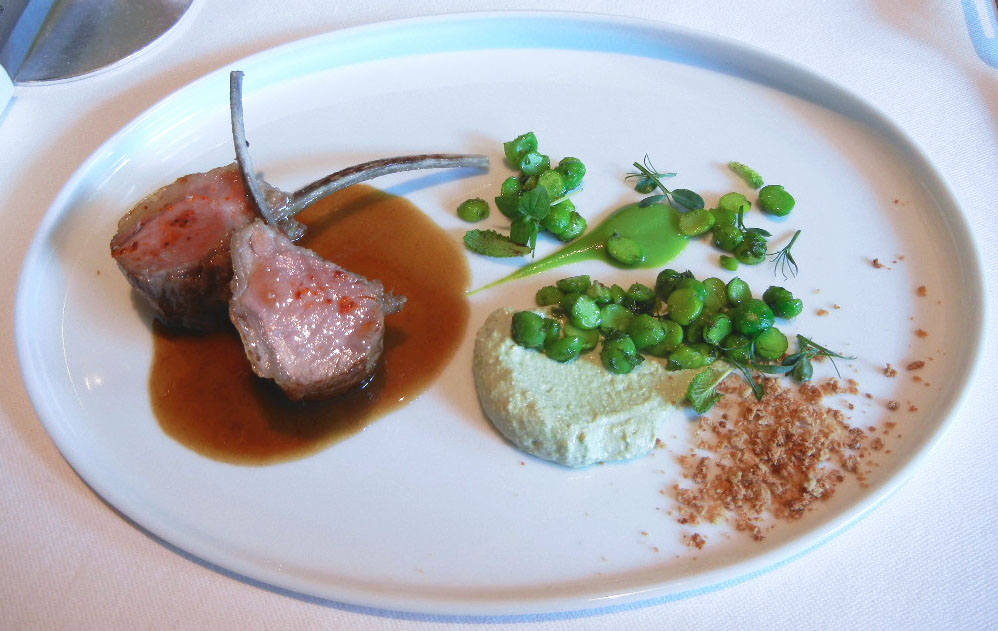
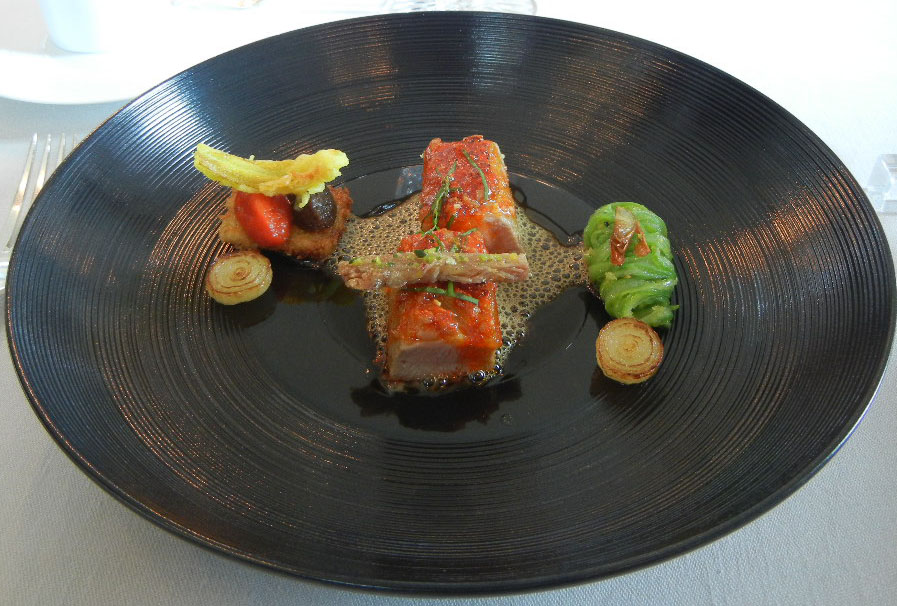
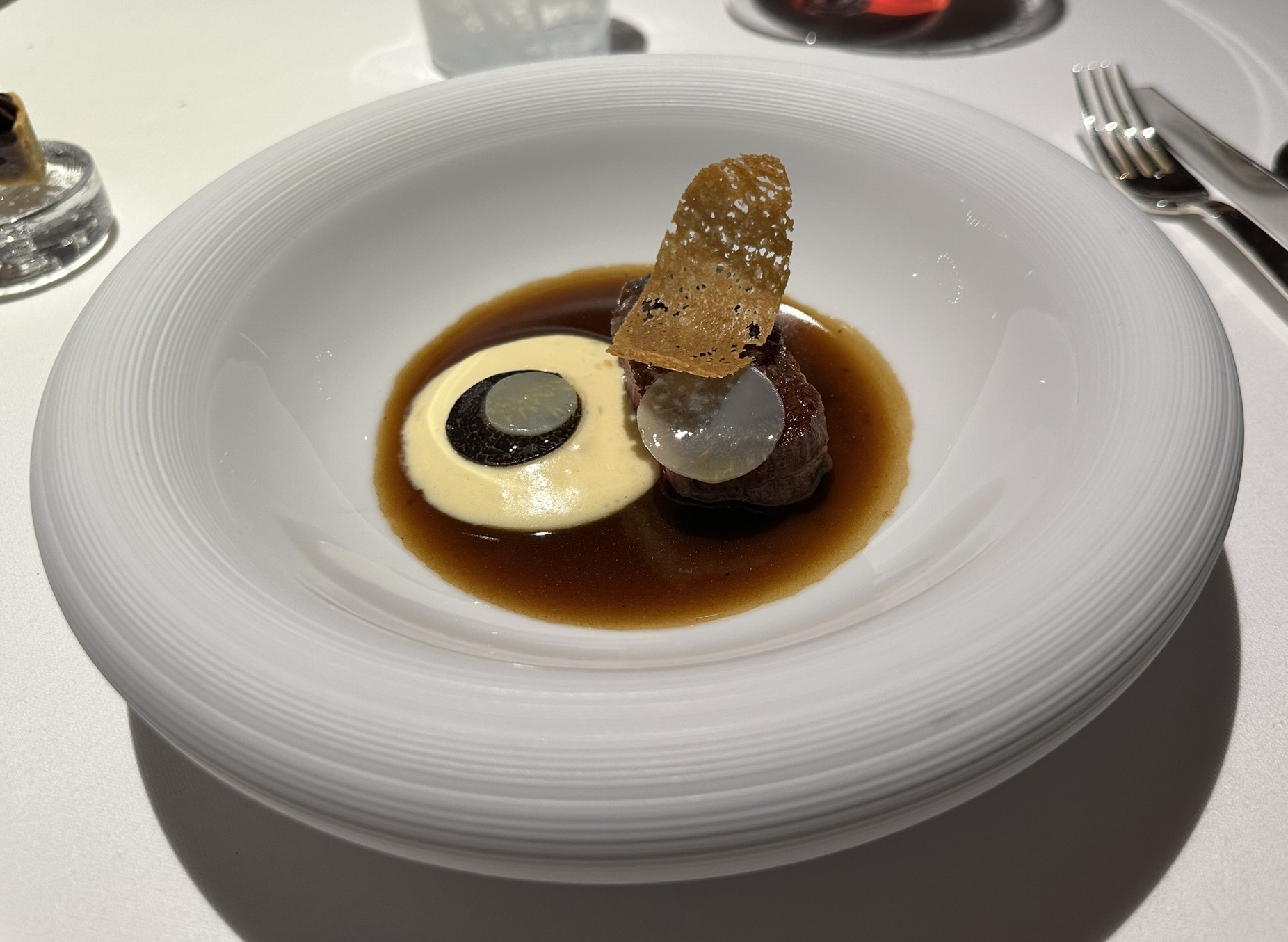
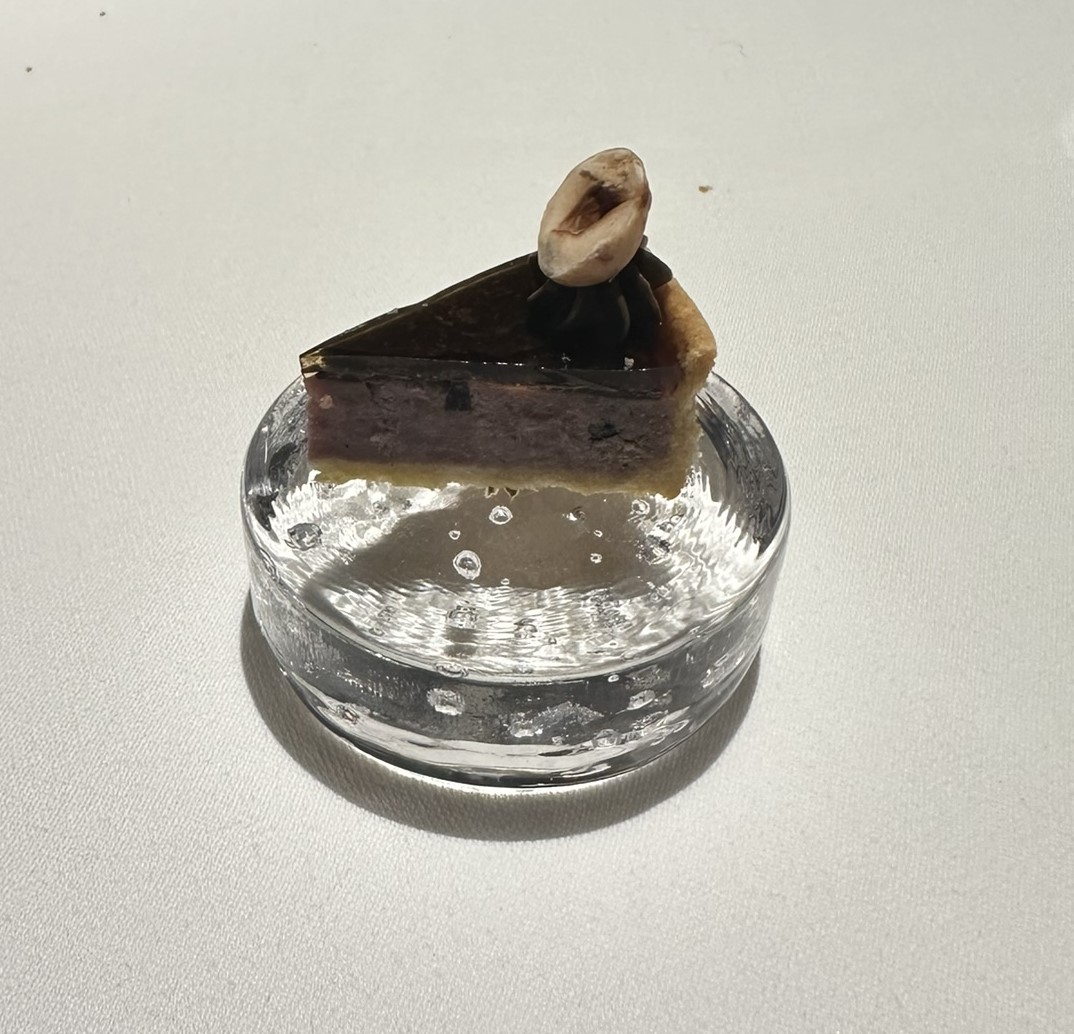
The main course was AKUNE GOLD BEEF – Vacherin Mont D’Or | Artichoke | Perigord Truffle. The award-winning beef was cooked perfectly—tender, richly flavored, and melting on the palate. Black truffle sauce provided earthiness, while the melted cheese added pungent complexity. A small side dish of pâté filled with veal, truffle, and hazelnut was an excellent accompaniment.
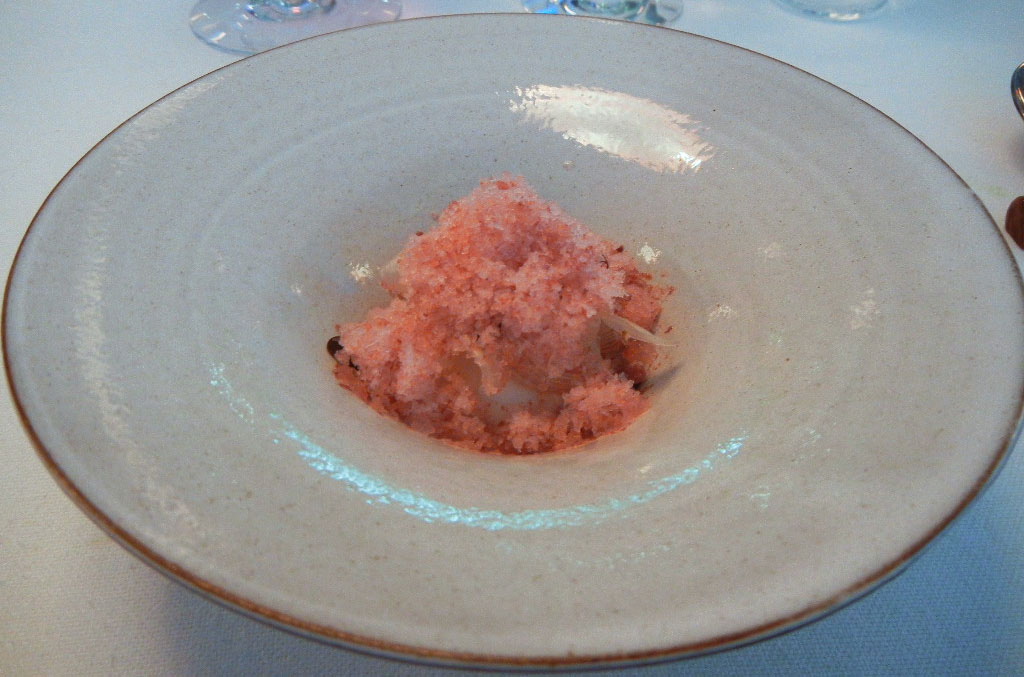
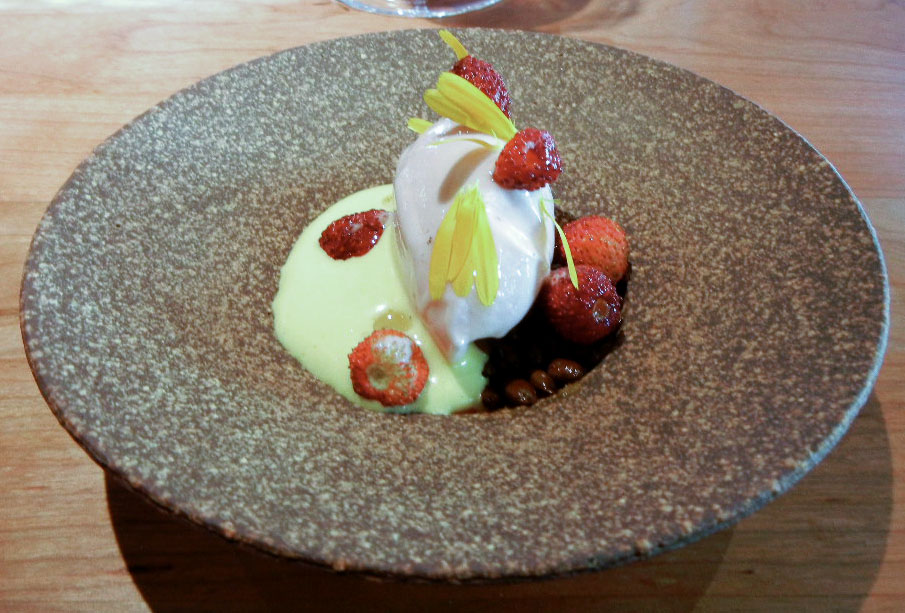
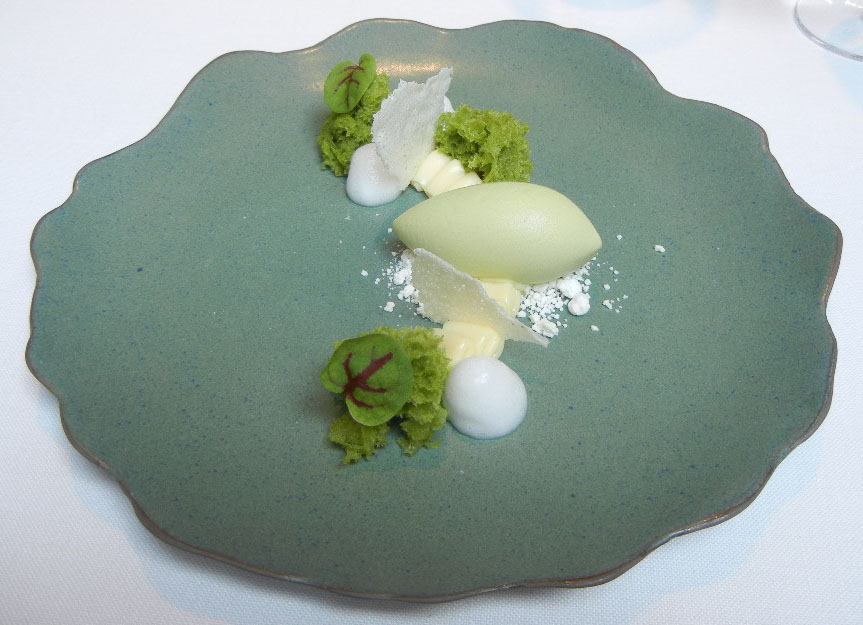
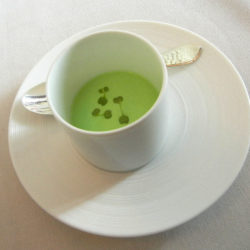
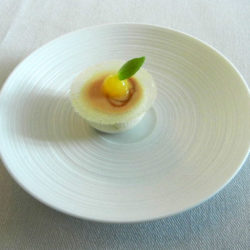
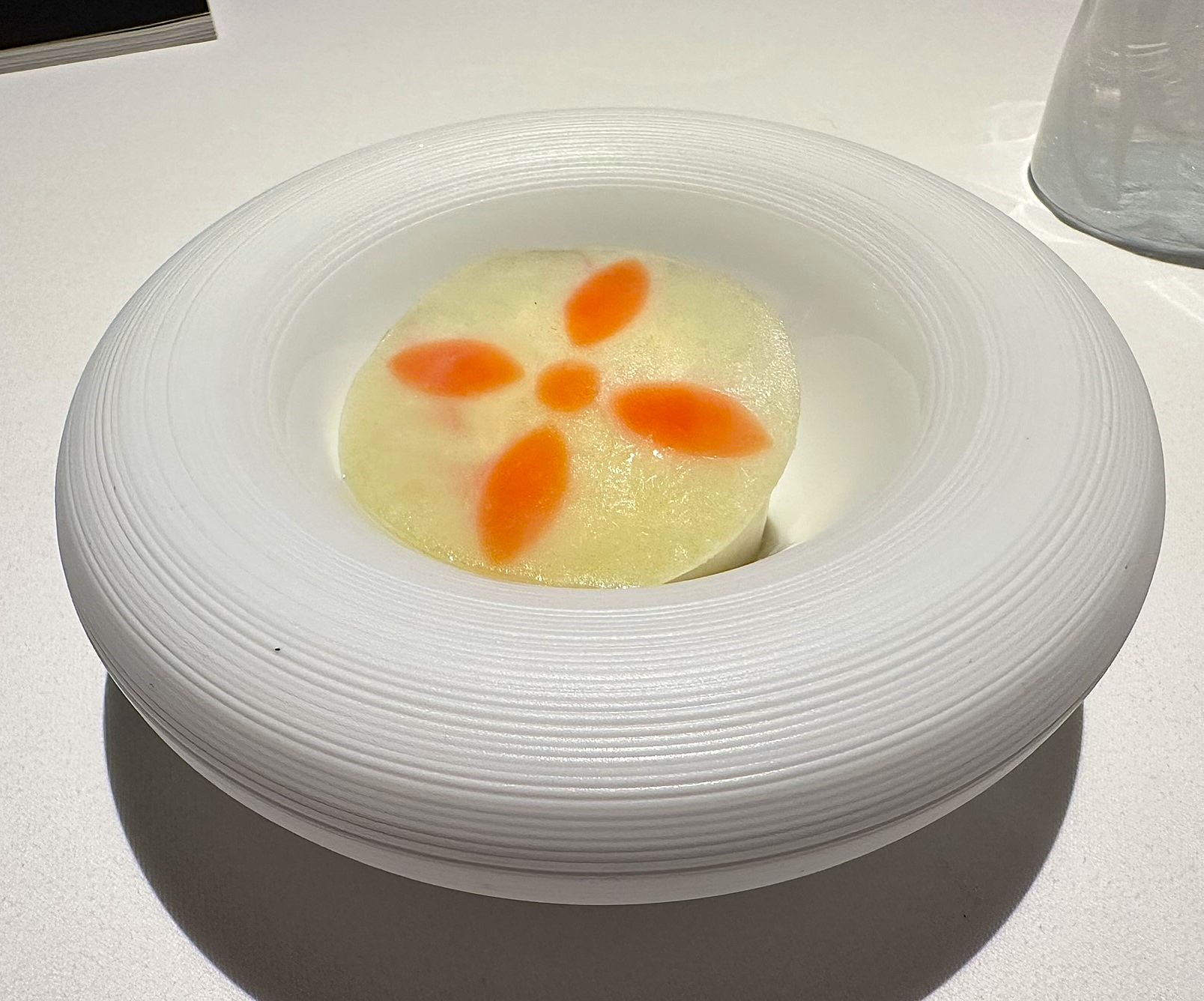
A pre-dessert of CLASE AZUL REPOSADO – Blood Orange , Mint , Whey was refreshing and vibrant. Bright citrus notes dominated, while minty foam added lift—an ideal palate cleanser and seamless transition into dessert.
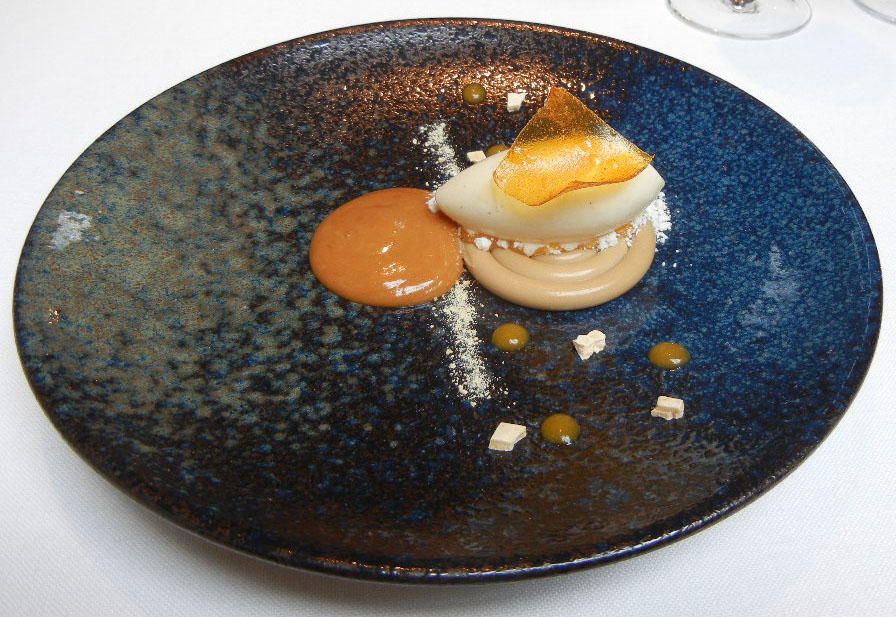
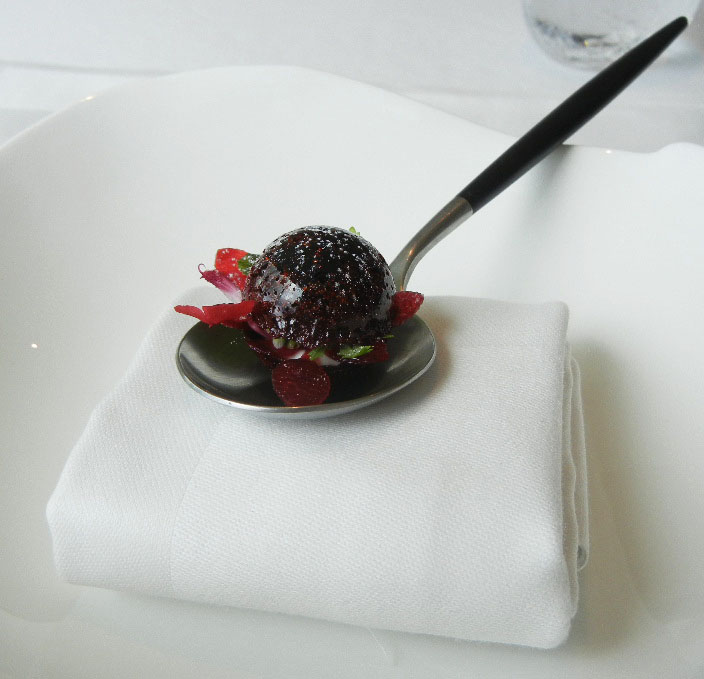
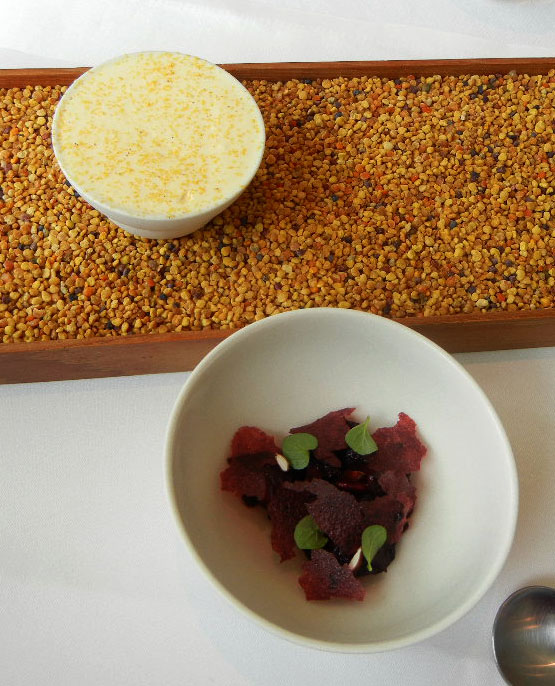
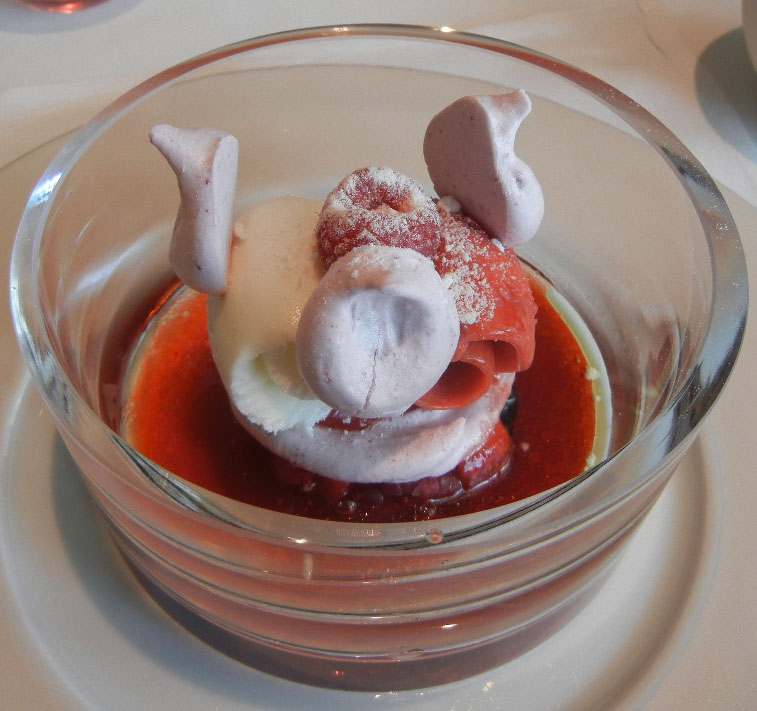
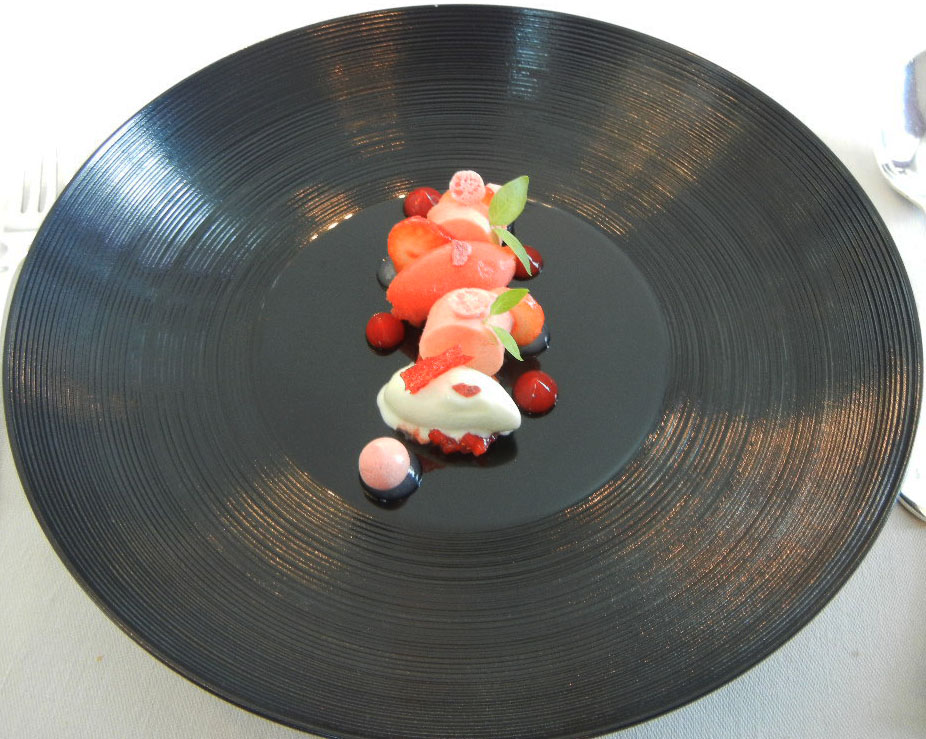
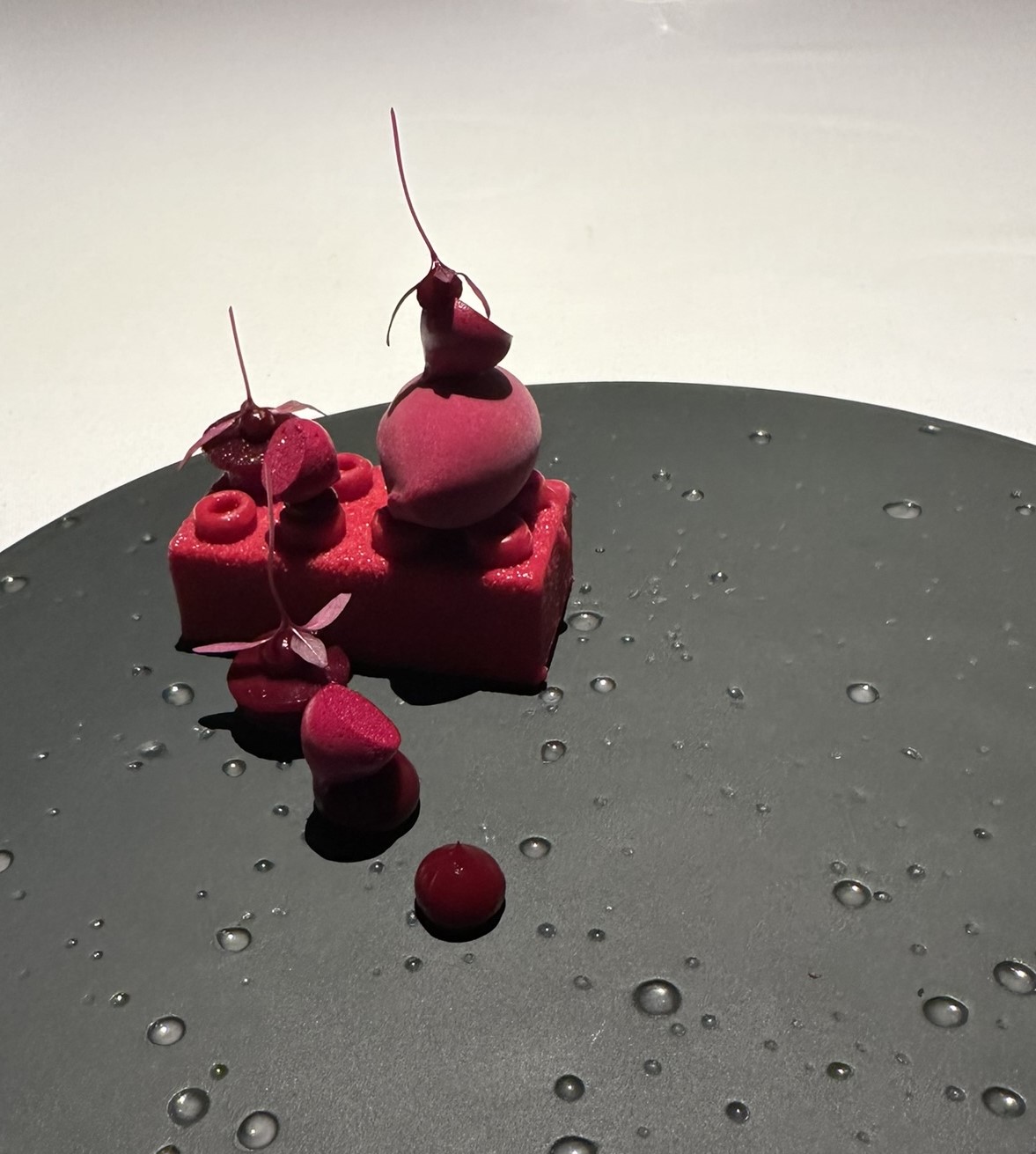
The main dessert, BRICK IN THE WALL – Spiced Milk , Beetroot ,Raspberry, is a signature inspired by Pink Floyd. Designed to resemble a Lego brick, it was made from spiced milk custard and tonka bean, encased in beetroot and raspberry. Additional textures—macaron, sorbet, and beetroot elements—completed the plate. On its own, the custard was subtly spiced, but when combined with the other components, the dessert became beautifully balanced and surprisingly complex.
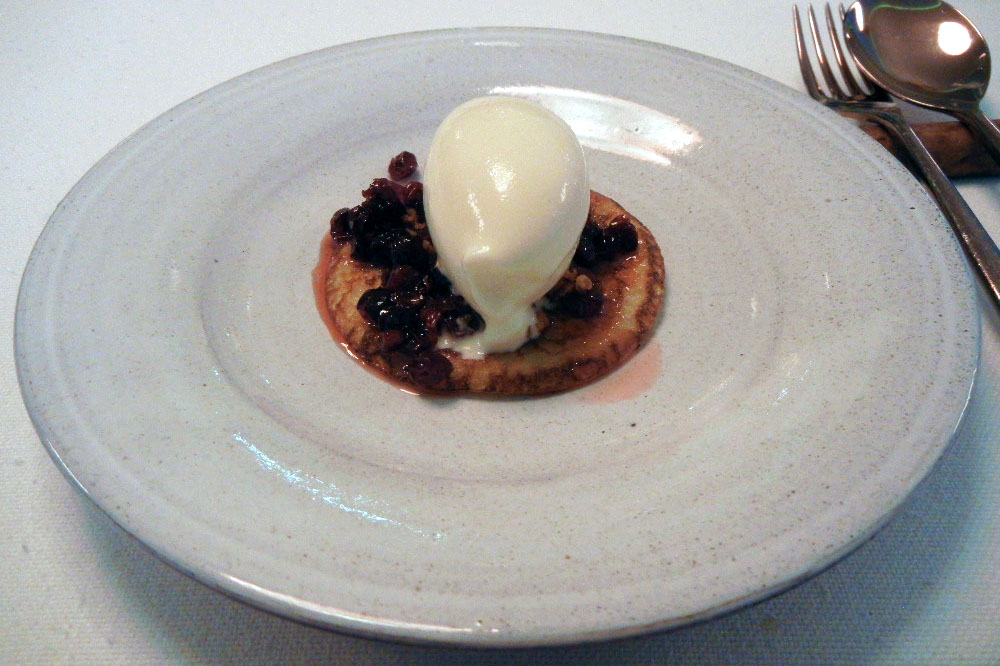
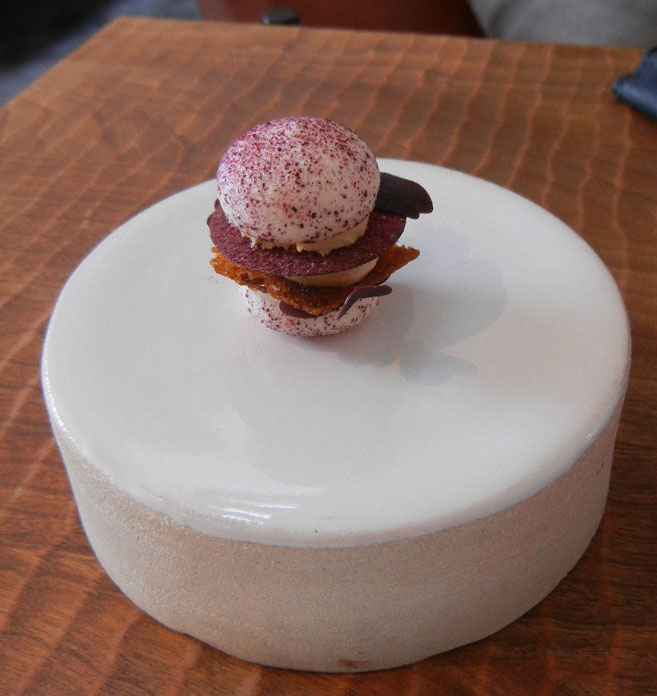
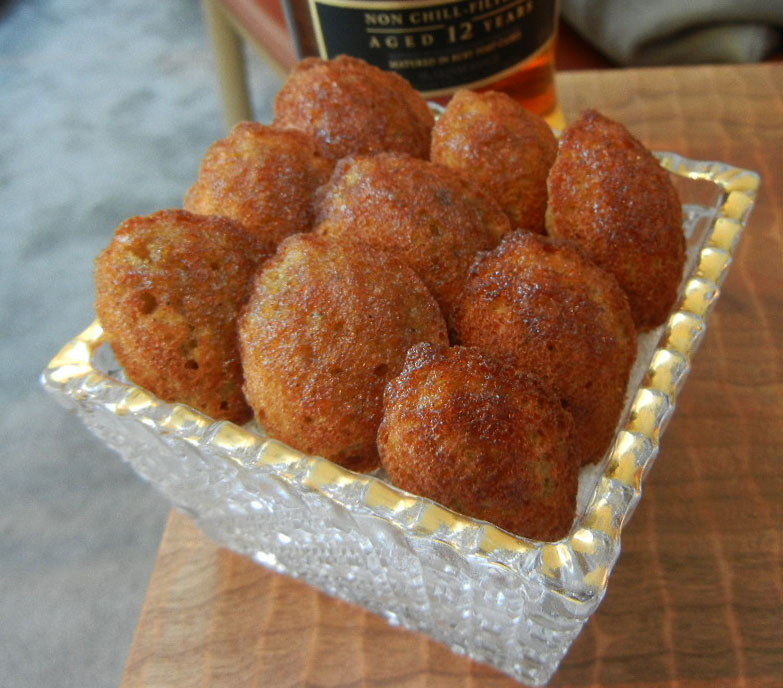
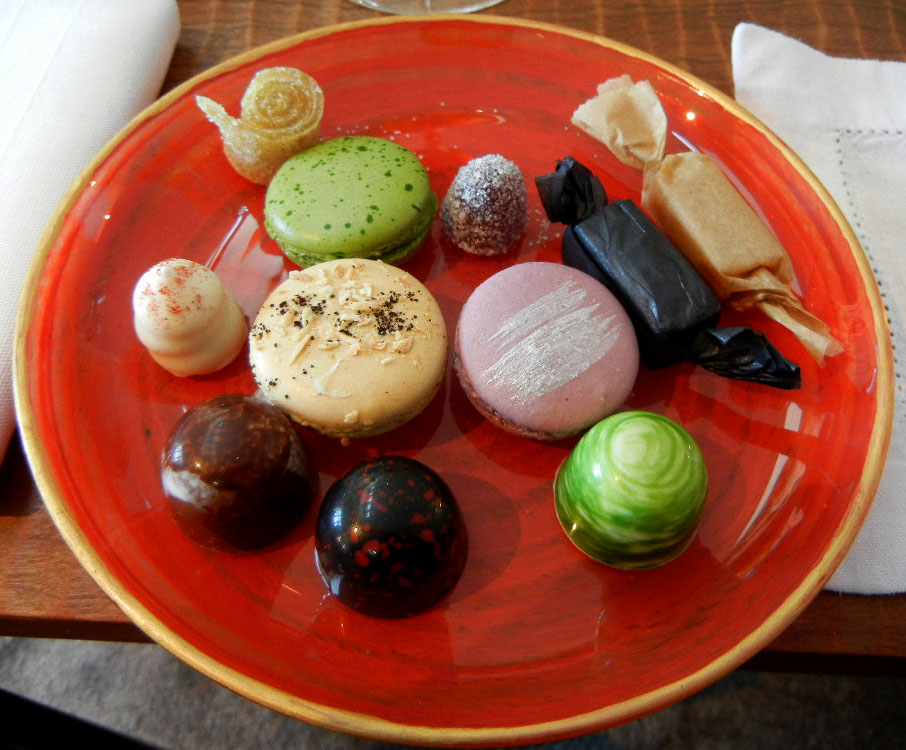
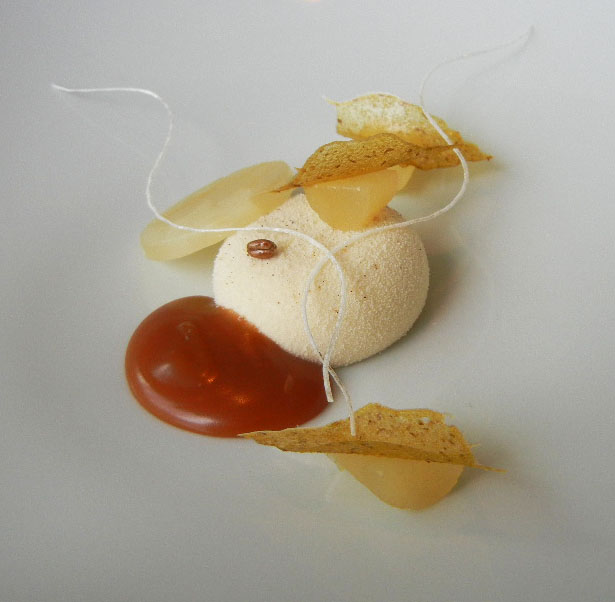
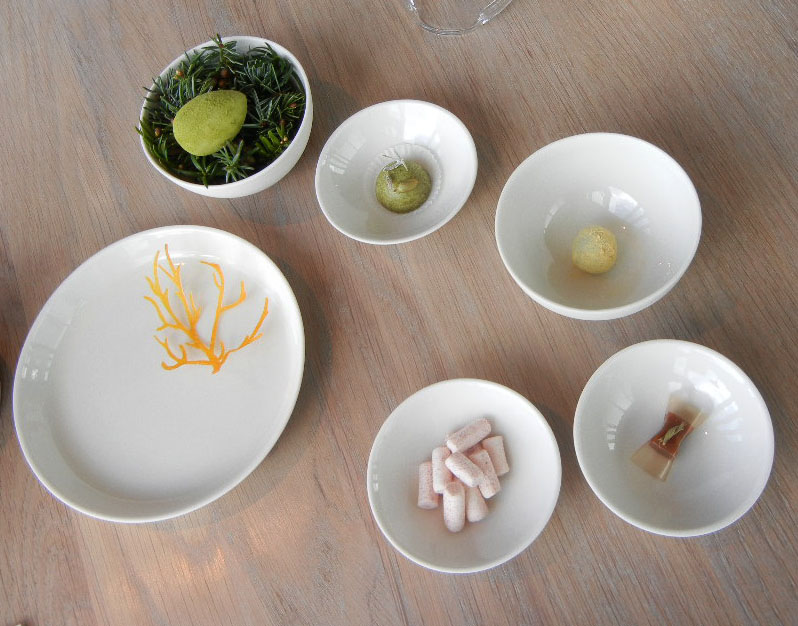
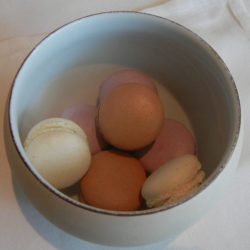
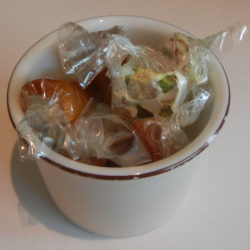
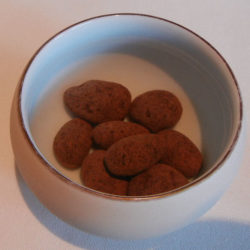
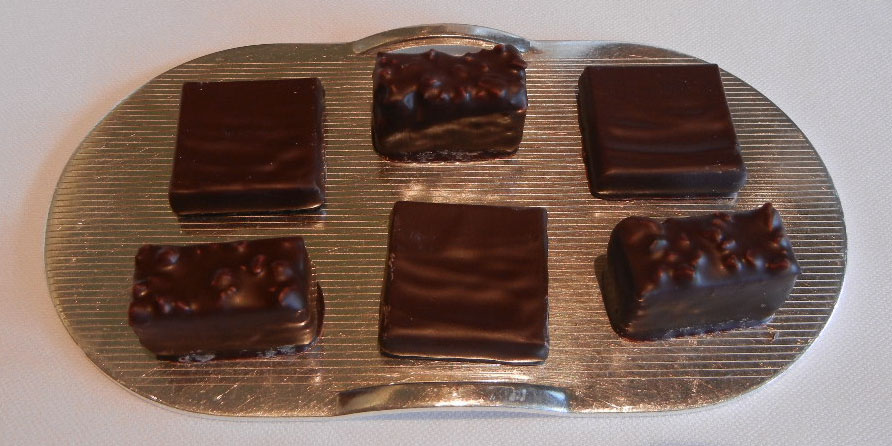
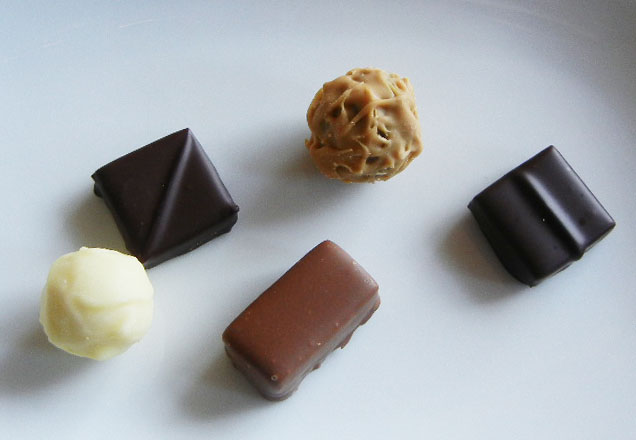
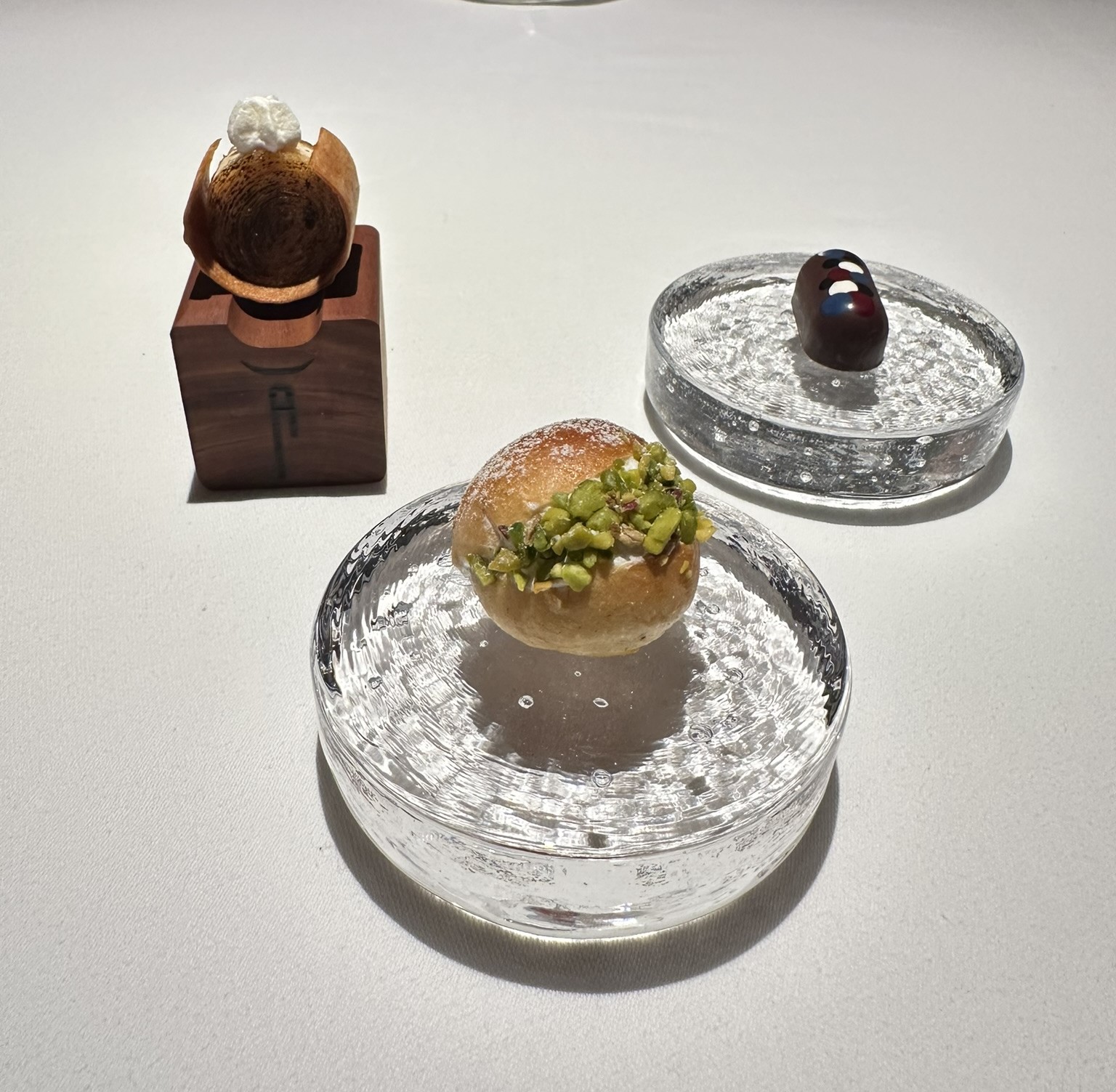
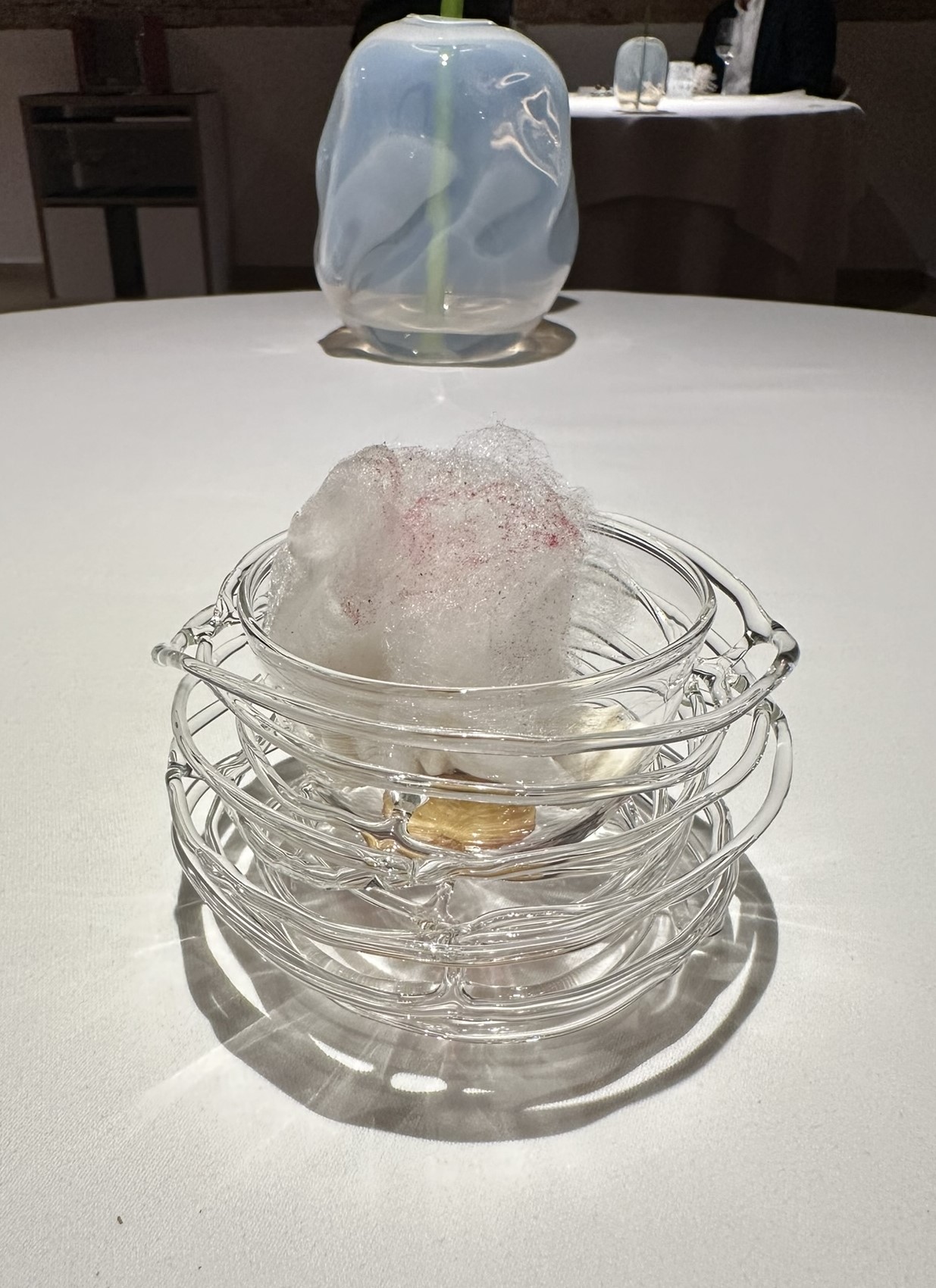
Petit fours, titled Pequeñas Locuras, included Turrón, Iyokan, Kayambe Lait, Maritozzi di Roma, Sour Cherry, Pistachio, Apfelstrudel 2.0 , no Raisins, and Lavazza Reserva de Cuba. The final “Happy End” was Amador’s refined take on Kaiserschmarrn—caramelized shredded pancake served with wild blueberry ragout, crème fraîche, and finished with cotton candy. It was a playful yet elegant conclusion to a long meal.
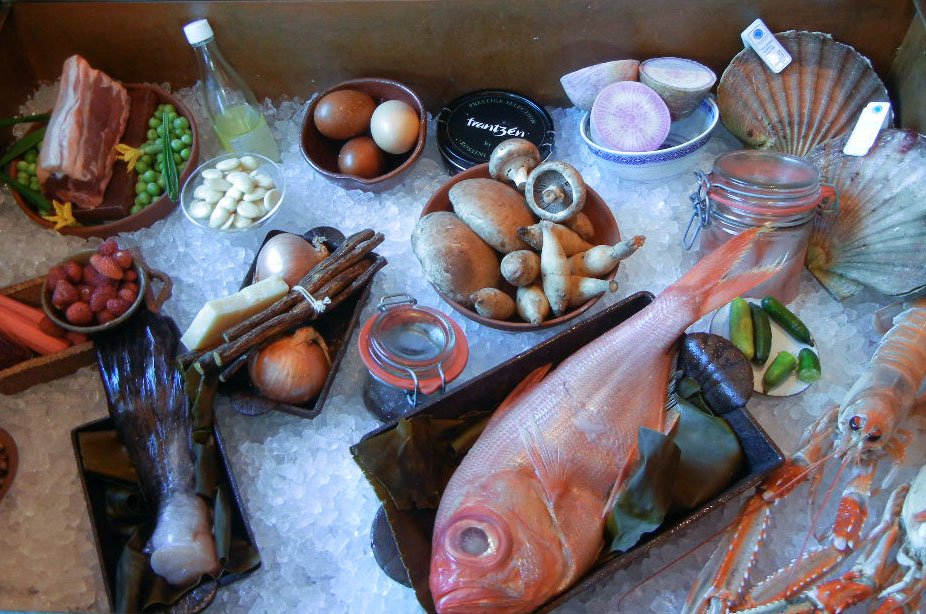
Dinner at Amador is lengthy and designed to be savored. The food is precise, thoughtful, and impeccably composed, with flavors and textures in perfect harmony. Only the finest ingredients—sourced both locally and internationally—are used. Chef Amador masterfully weaves his Spanish roots into dishes shaped by Austrian influences. It was, without question, a wonderful dinner.
PEQUEÑAS LOCURAS:
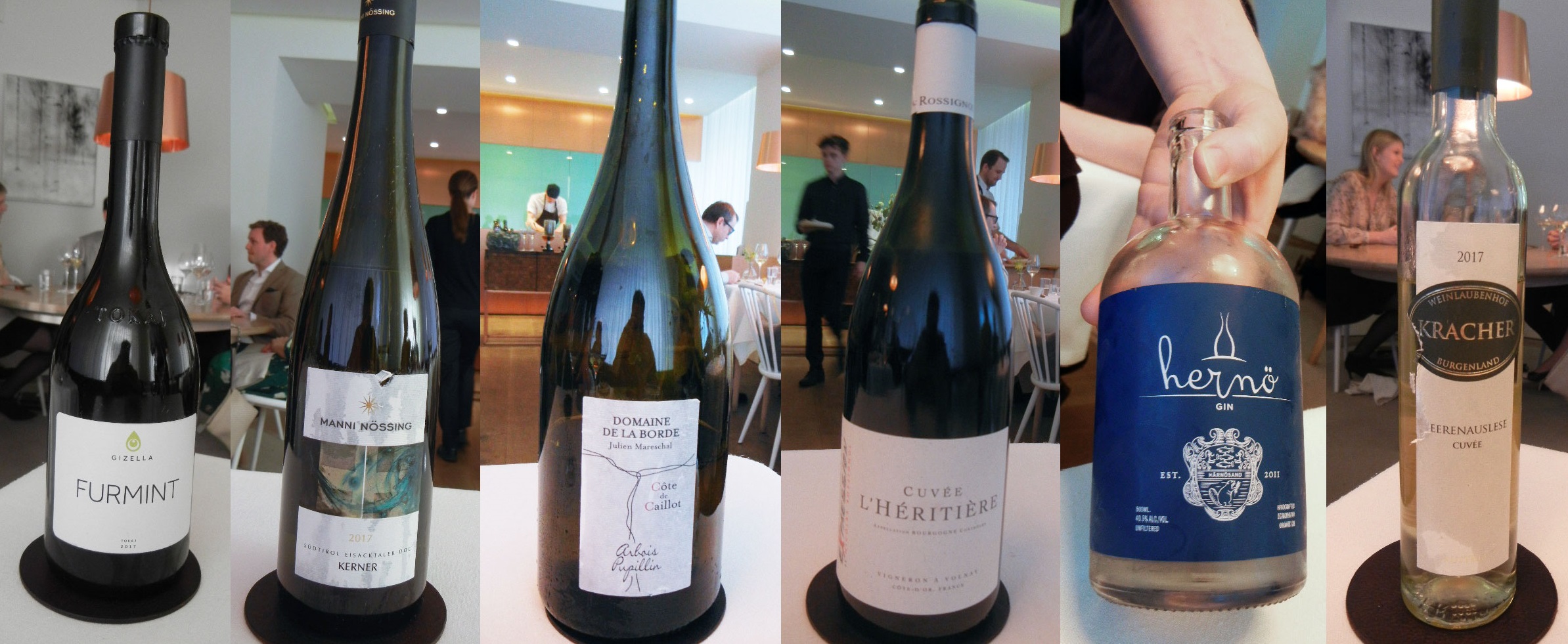
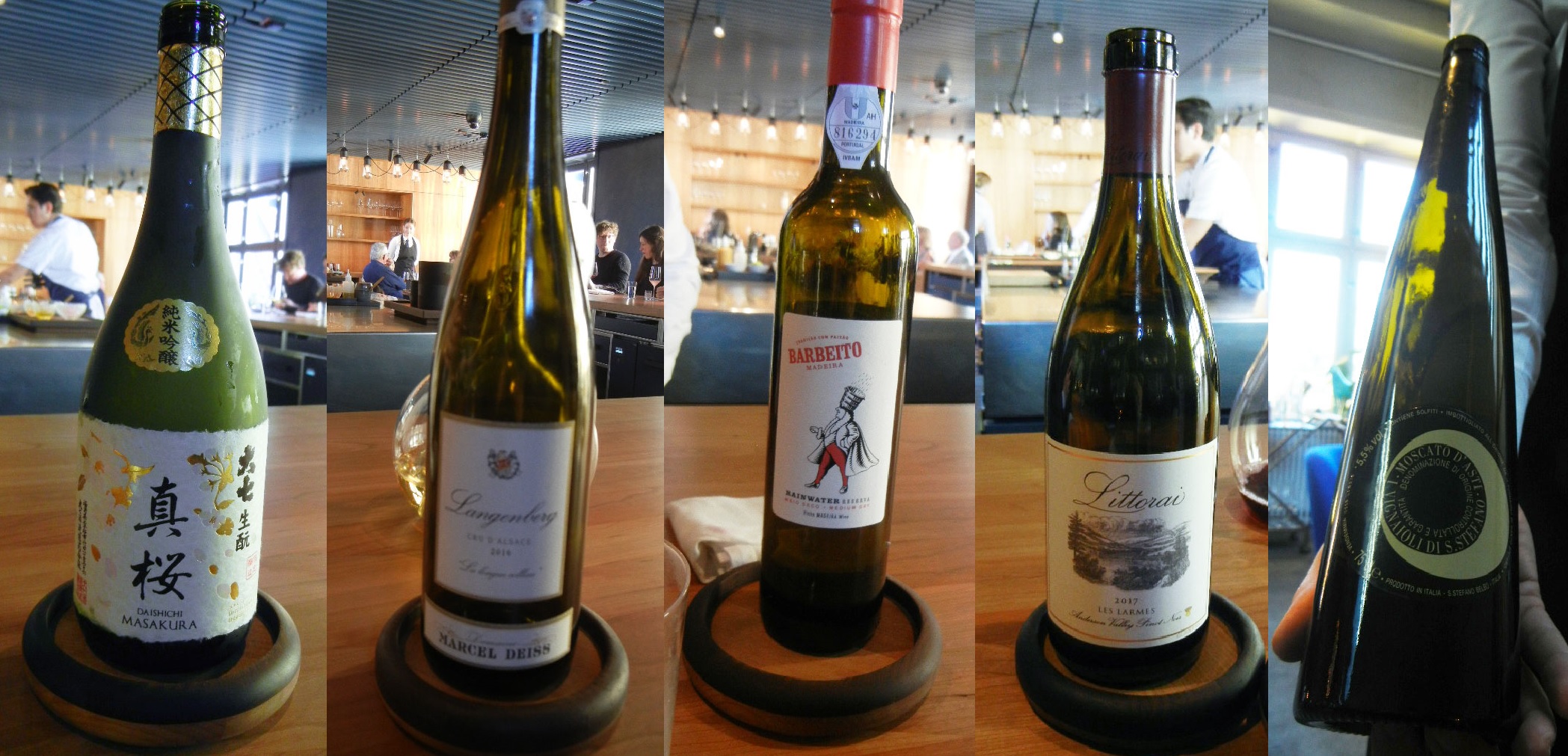
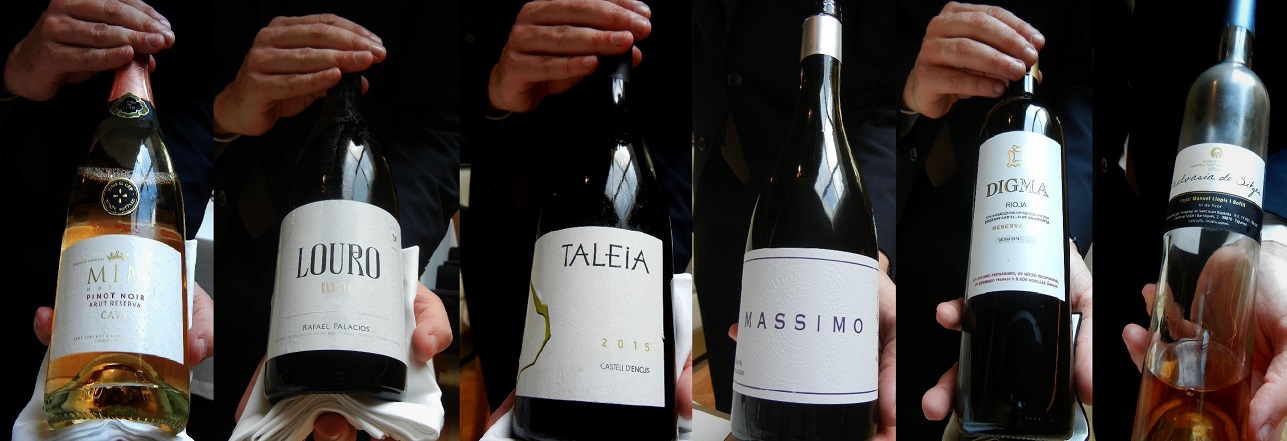
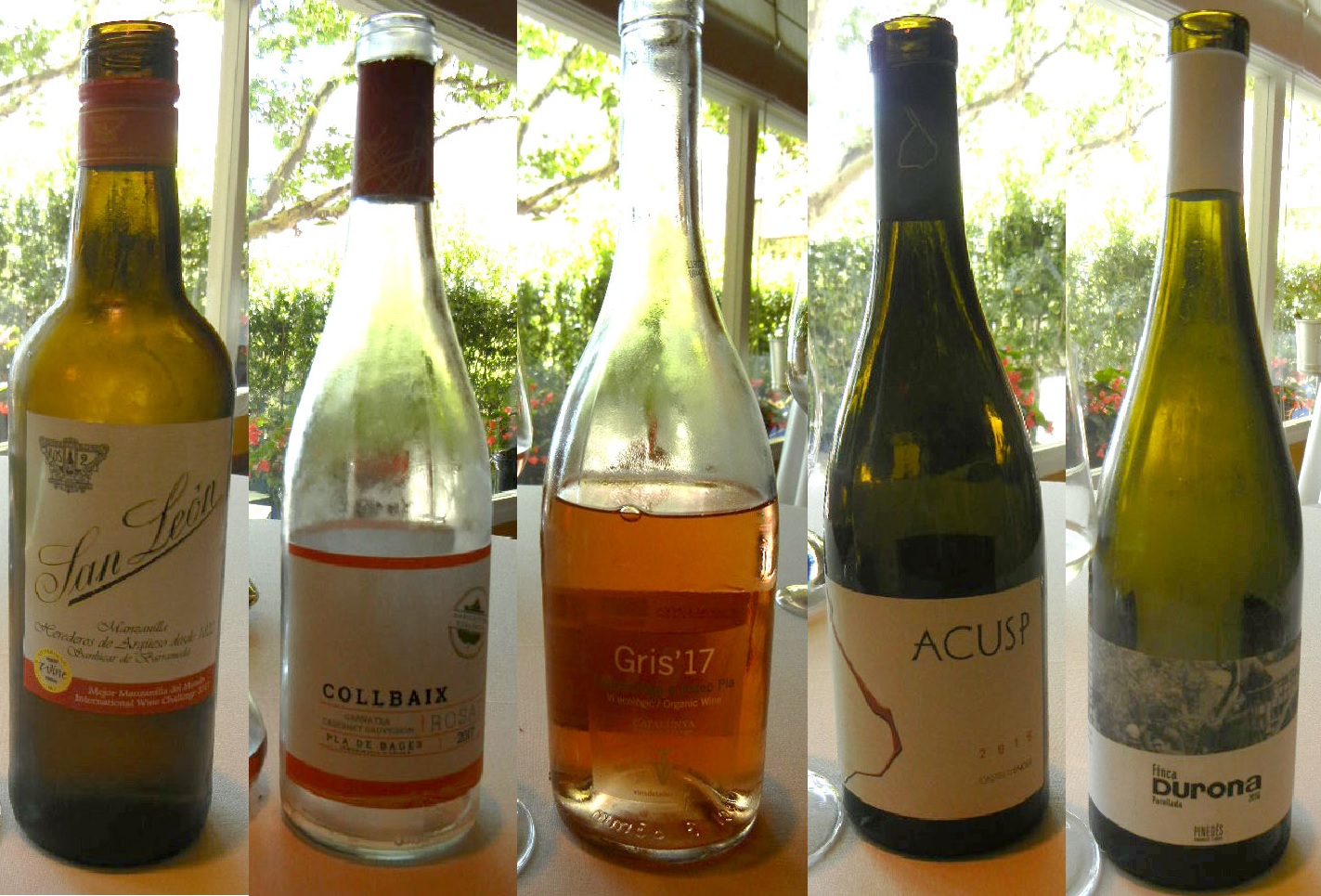
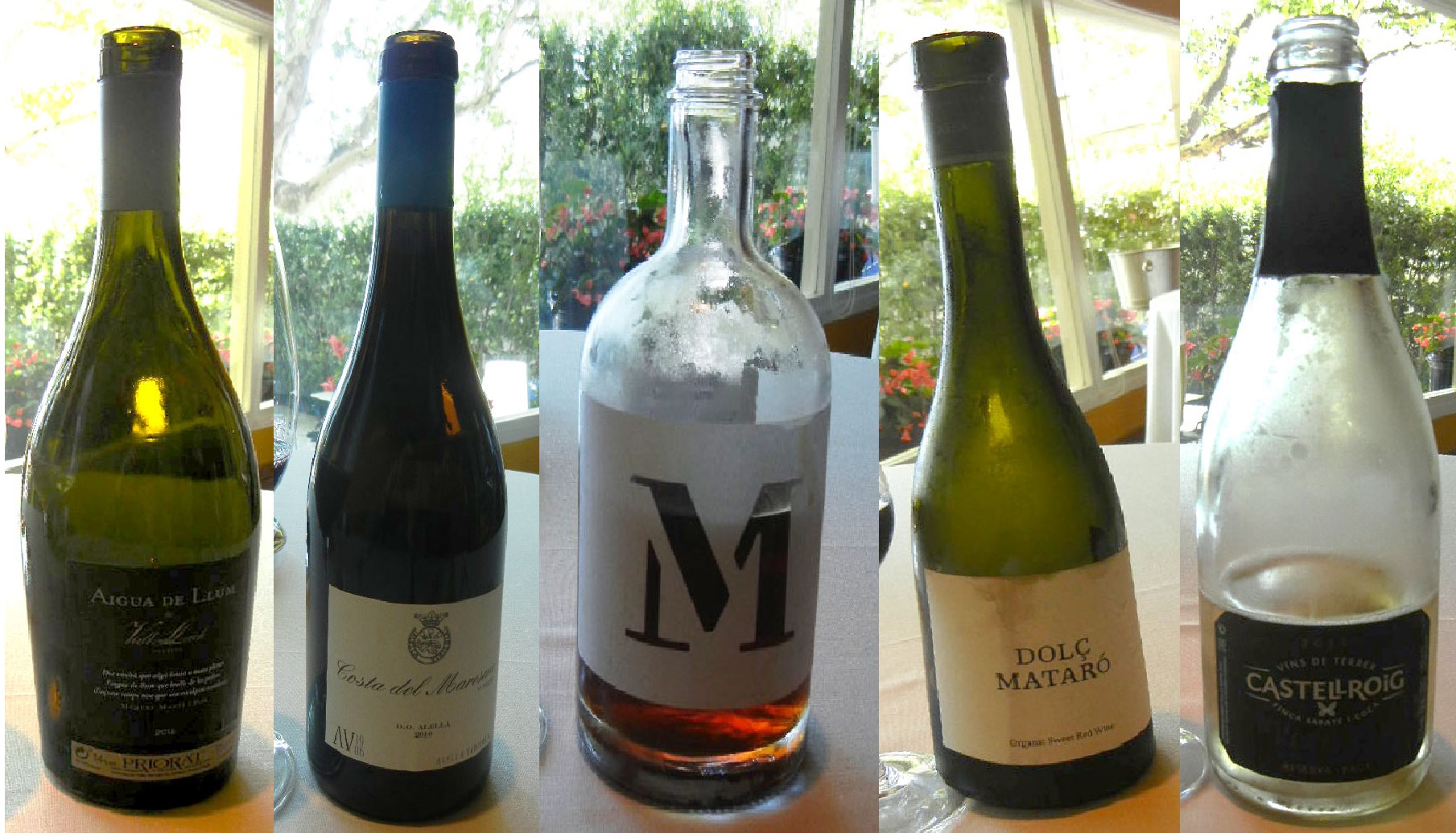
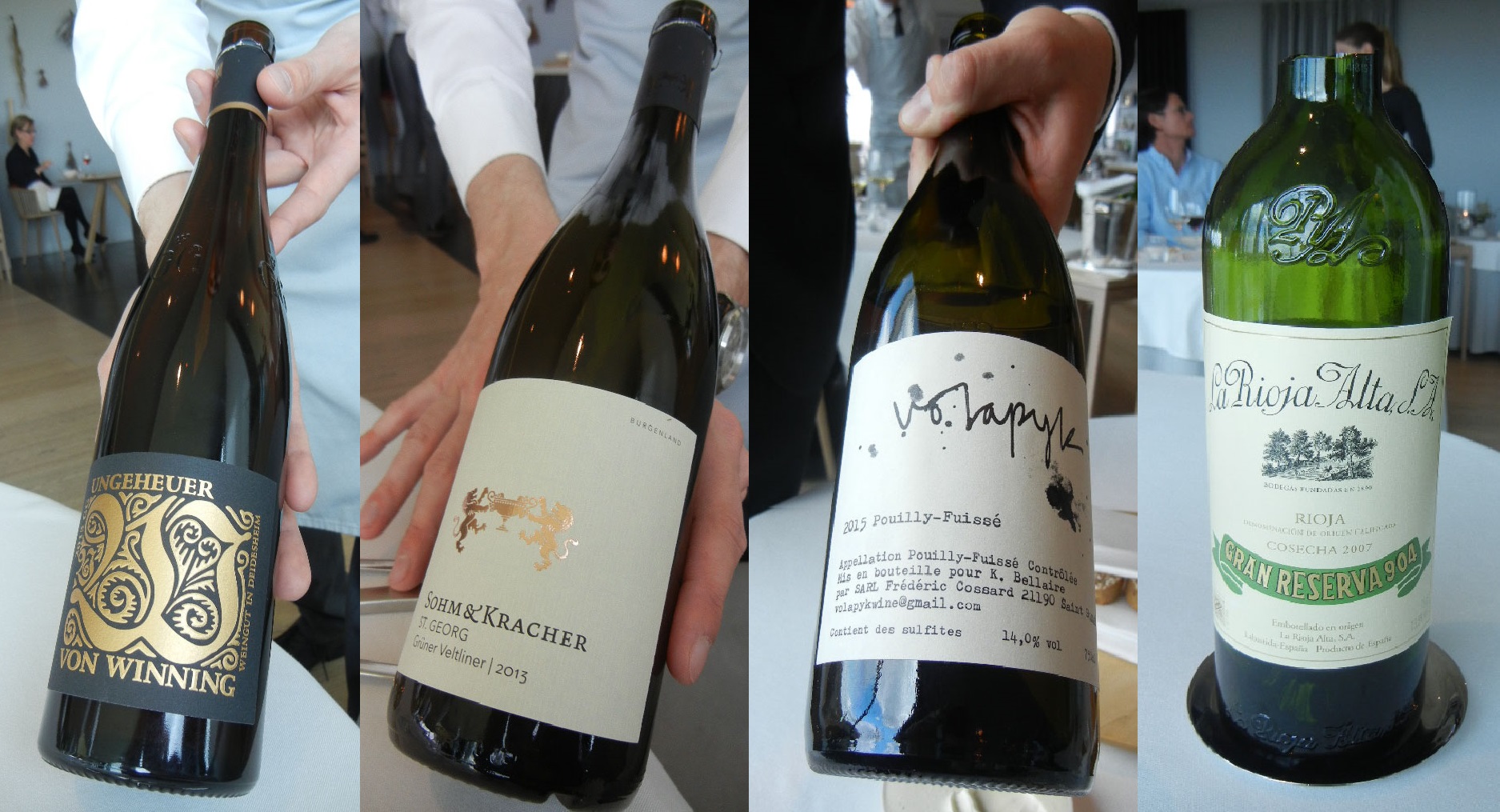
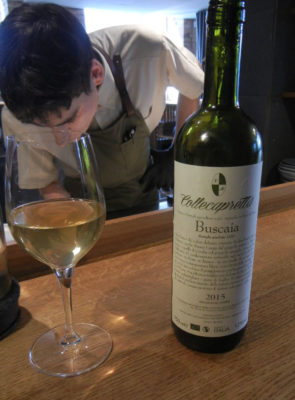
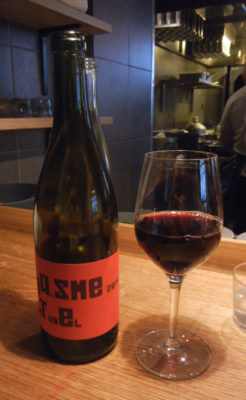
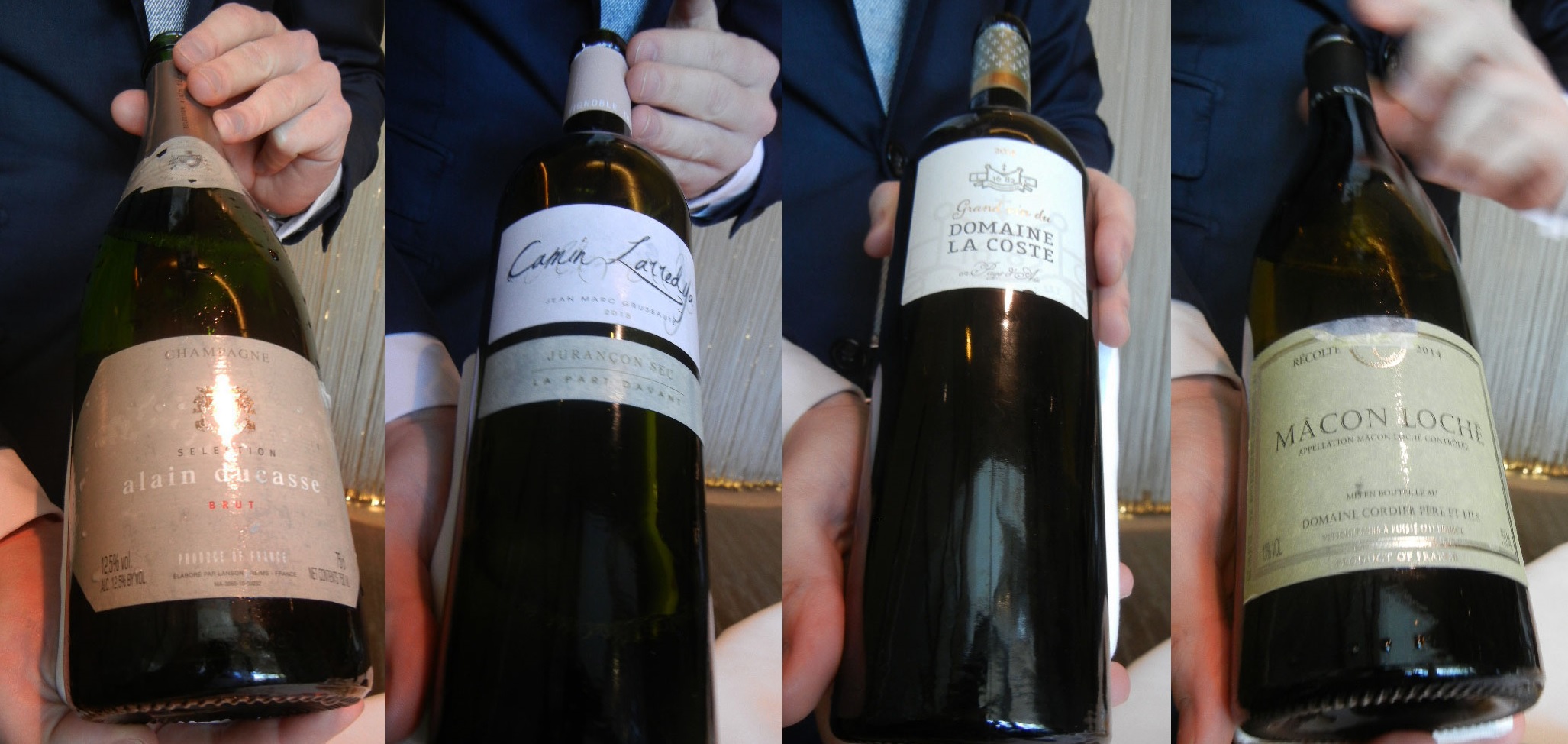
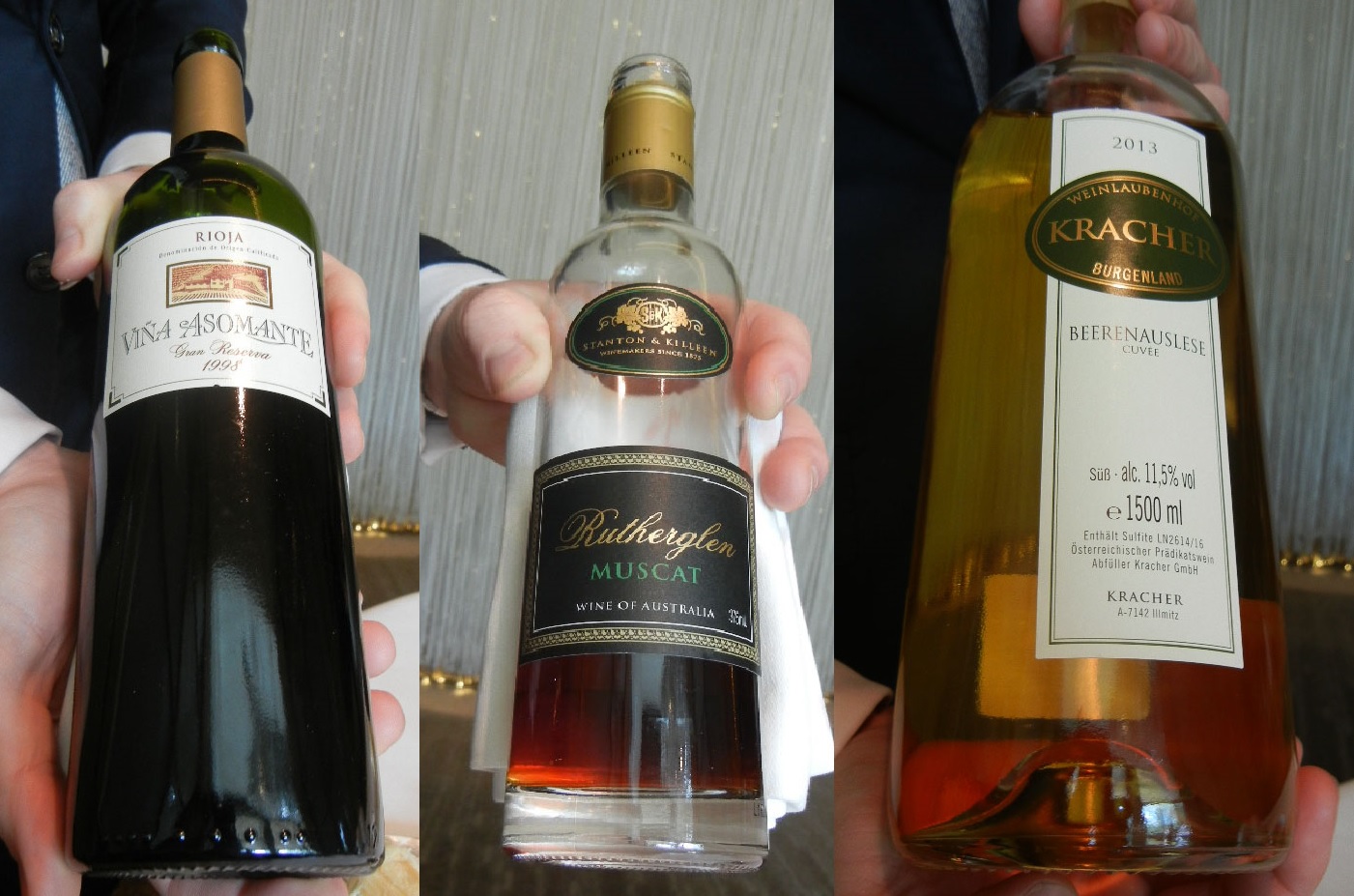
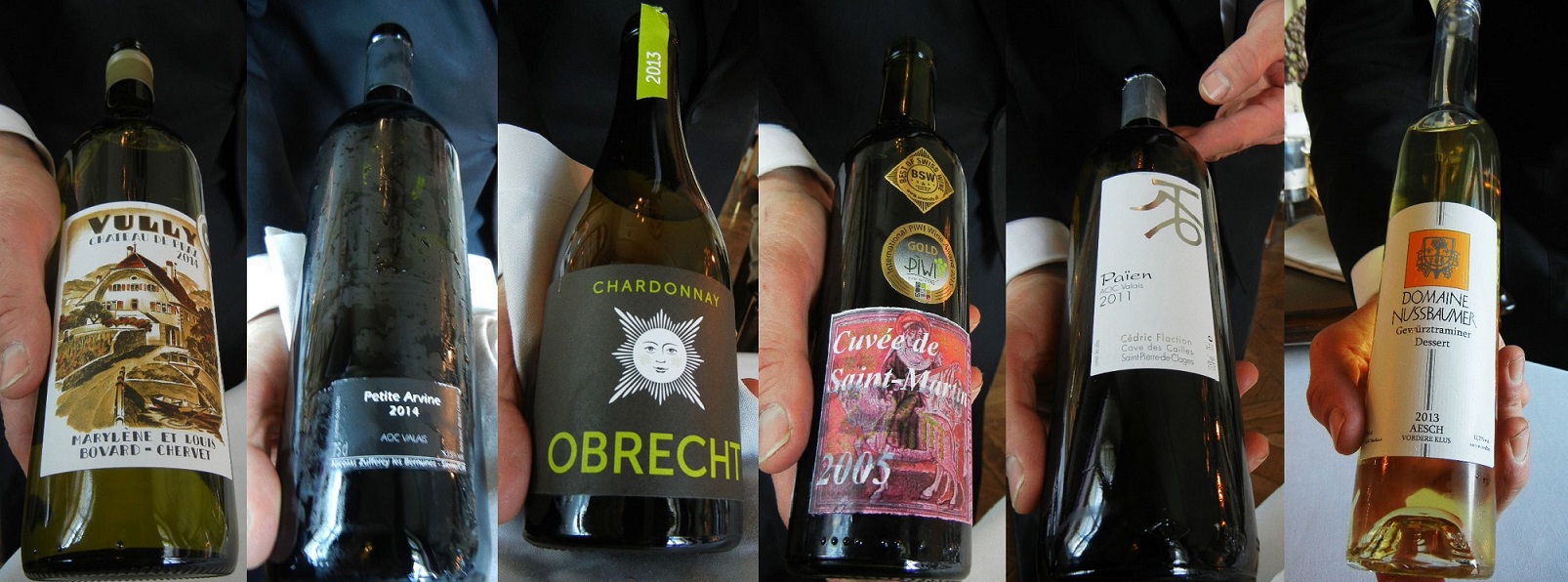
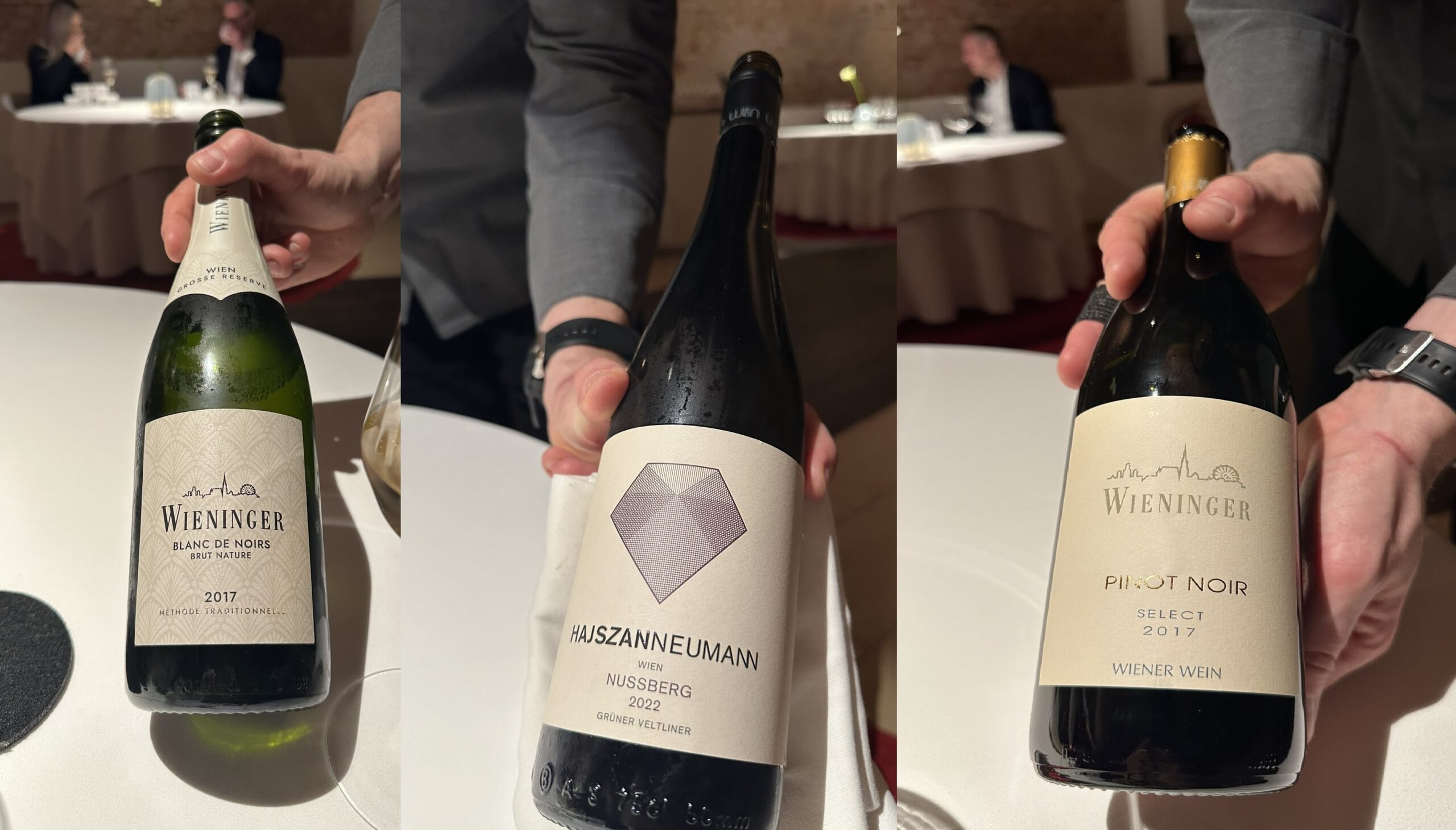
I asked the sommelier to focus on local Viennese wines, and he curated two whites for the early and middle courses, followed by a Wieninger Select Pinot Noir 2017. All pairings were spot-on, enhancing each dish. The Pinot Noir paired with the beef was particularly superb.
Service at Amador was ultra-formal, bordering on robotic. The staff appeared somewhat stiff but were exceptionally knowledgeable. They spoke when spoken to, remained unobtrusive throughout the meal, and somehow appeared instantly whenever a glass needed refilling or a plate clearing—allowing uninterrupted focus on the food.
Vienna is an expensive city, especially at the fine-dining level, and Amador is no exception. At €395 for food alone—well over $400—plus wine, the bill can easily exceed $500. It sits at the higher end of pricing among three-Michelin-starred restaurants I’ve visited.
As Austria’s first three-Michelin-starred restaurant, Amador carries immense pressure to perform consistently at the highest level. With a chef deeply experienced in Michelin stardom and kitchen intensity, Amador fully delivers. Vienna hardly needs validation as a great food city, but with Chef Amador planting his roots here and achieving this historic milestone, the city’s place among the world’s great dining destinations is firmly cemented.