The Modern **

The Modern
@MOMA
9 W 53rd St.
New York, NY 10019
(212) 333-1220
Official Site

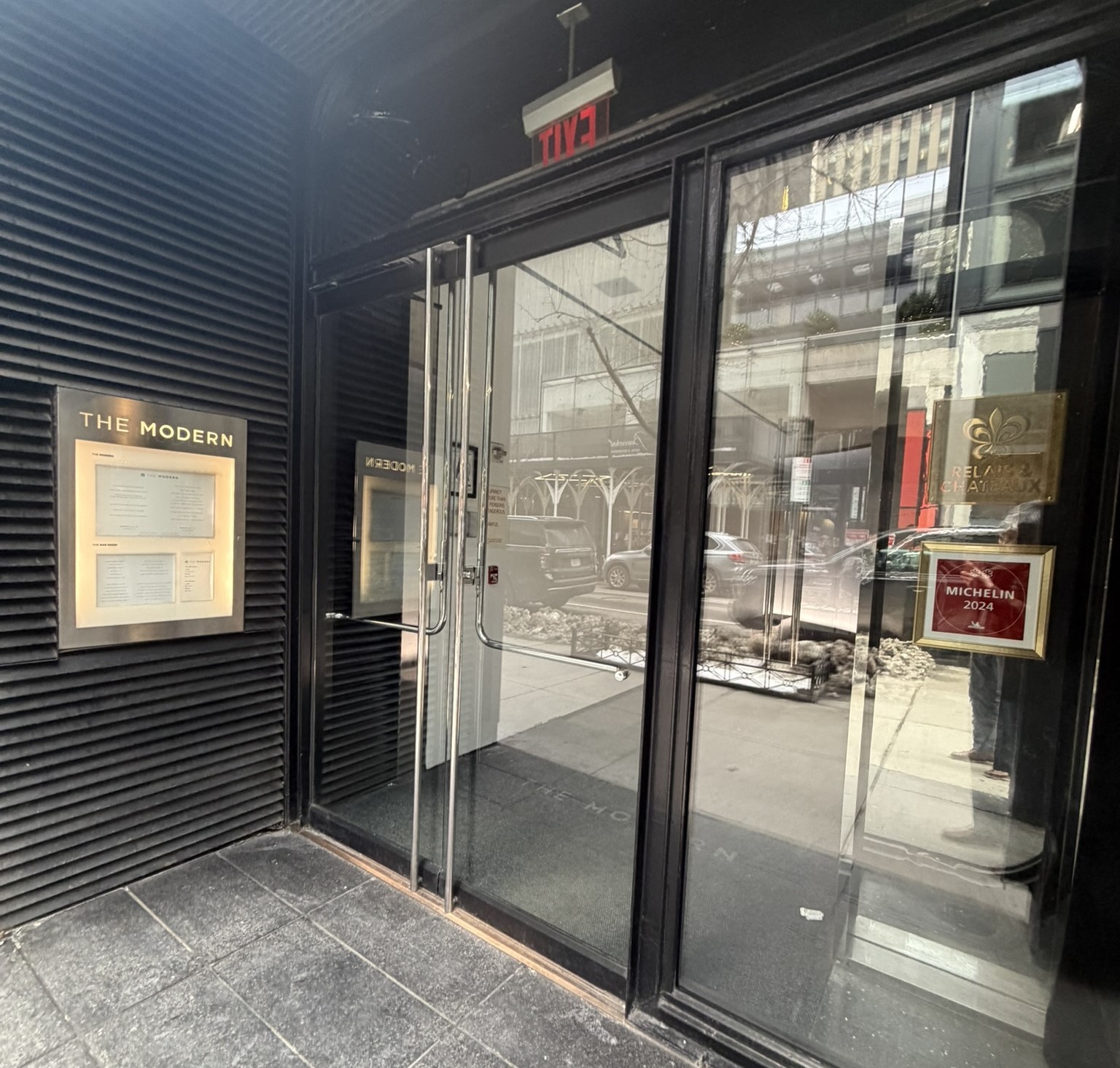
Museum dining and fine dining are pairings far less common than luxury hotels, however there are still a handful of Michelin-starred restaurants located inside museums, including several that have earned the coveted three-star distinction. In New York City, the most famous example is undoubtedly The Modern, housed inside the world-renowned Museum of Modern Art, more commonly known by its recognizable acronym, MoMA.

The Modern is the crown jewel of restaurateur extraordinaire Danny Meyer’s Union Square Hospitality Group, the hospitality empire behind some of New York’s most iconic restaurants including Eleven Madison Park (now owned by Daniel Humm), Gramercy Tavern, Union Square Cafe, and the global burger phenomenon Shake Shack. The restaurant earned its first Michelin star in 2005 during the guide’s inaugural New York City edition under chef Gabriel Kreuther, before receiving its second star in 2015 under chef Abram Bissell. Today, executive chef Thomas Allan has successfully maintained the restaurant’s two-star status since taking over the kitchen in 2020.
Prior to becoming executive chef at The Modern, chef Allan worked at several high-profile New York City restaurants including Eleven Madison Park under Daniel Humm and Per Se before moving to Paris to train under Yannick Alléno at the then three Michelin-starred Le Meurice.

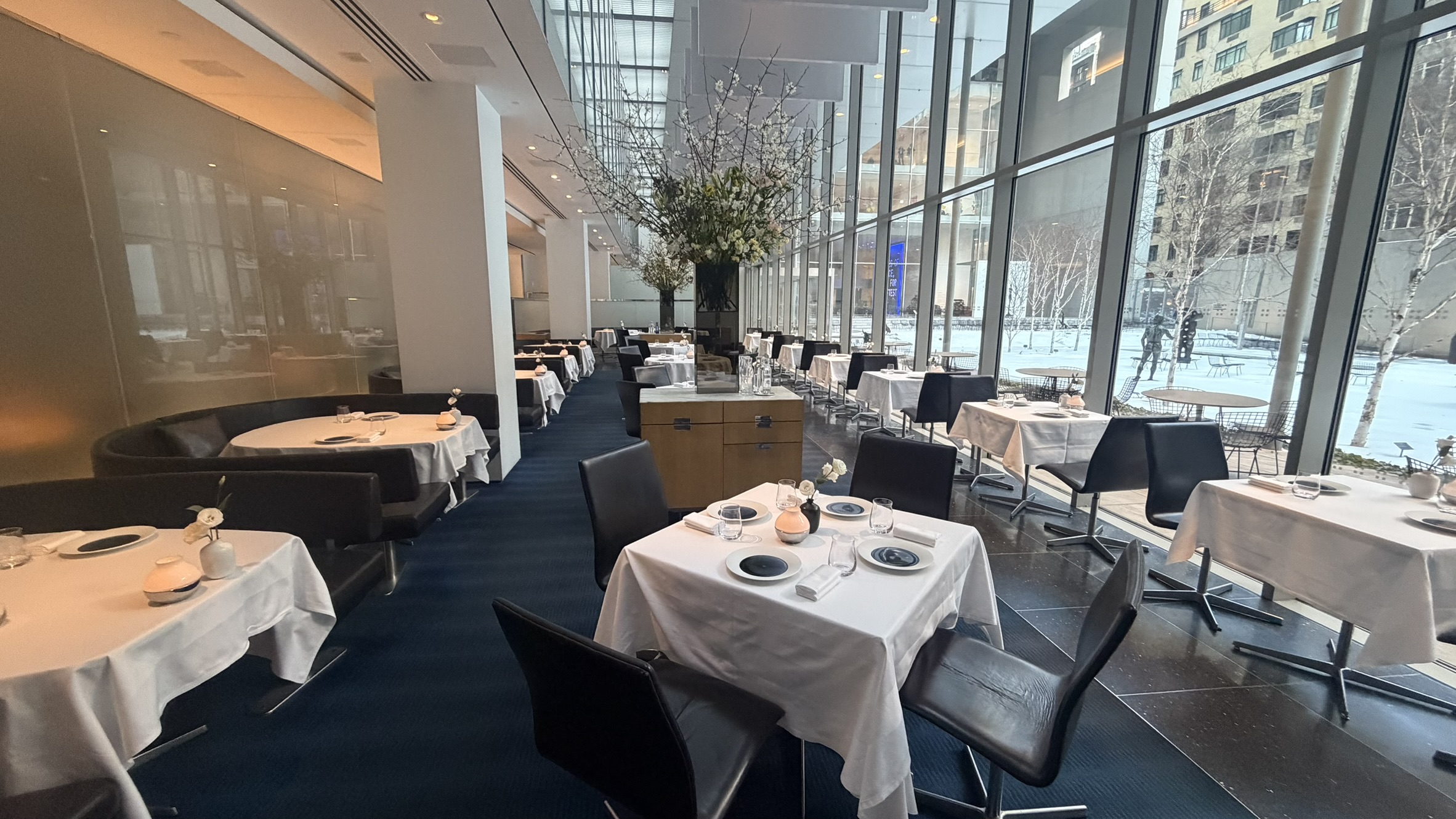
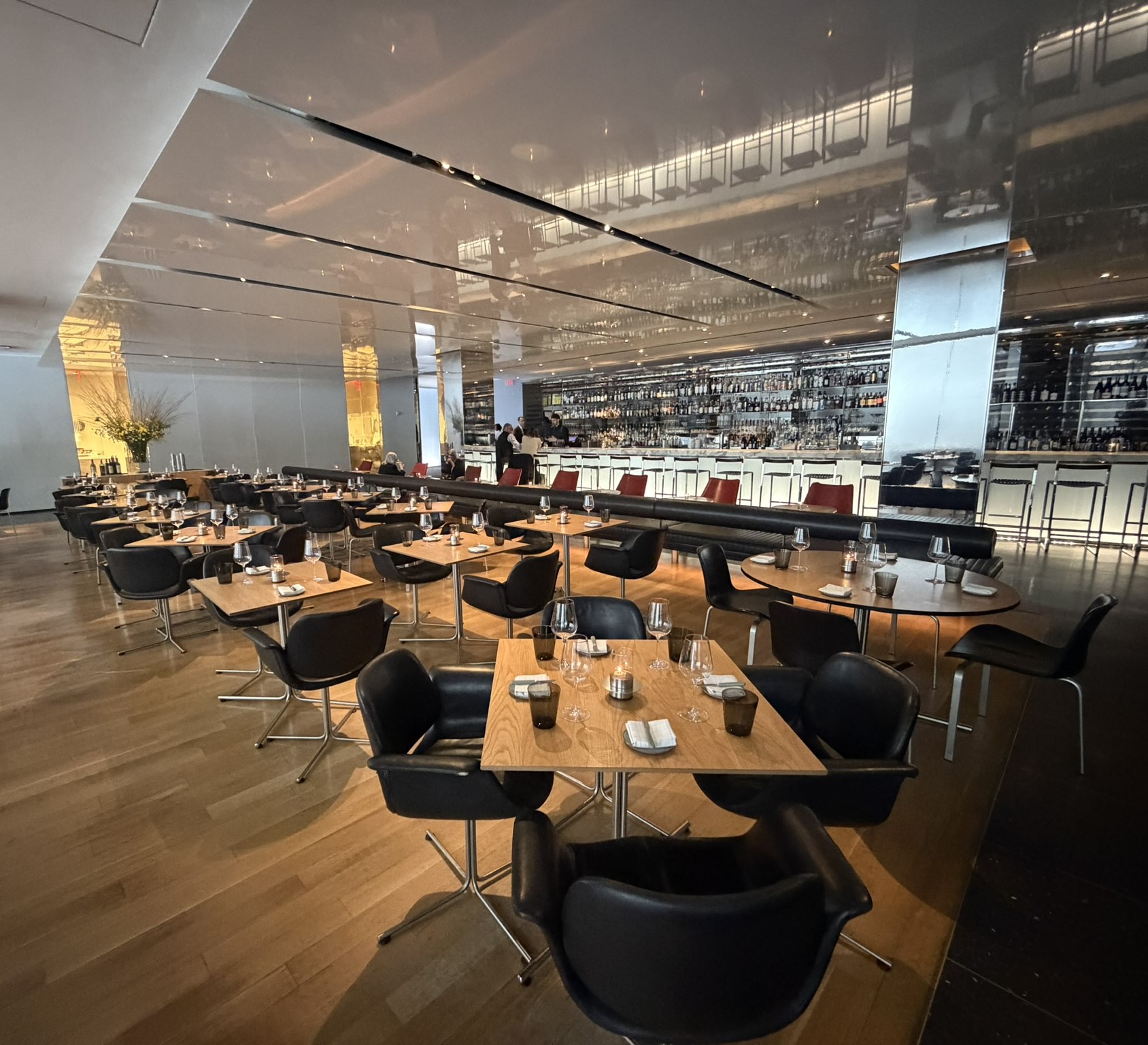
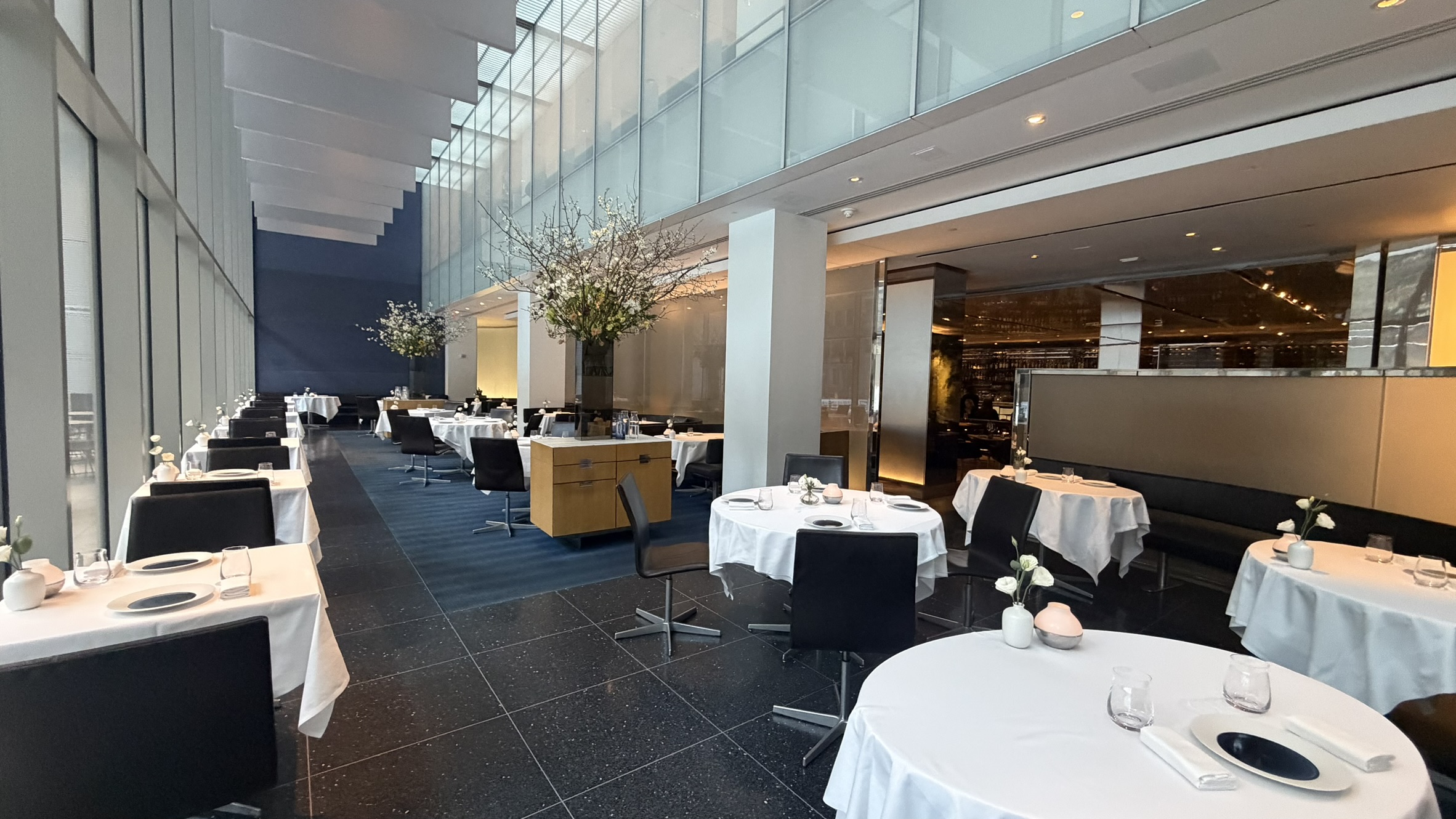
The restaurant has its own dedicated entrance separate from the museum. Upon entering, guests are first greeted by The Bar Room, which operates almost as a separate entity with a more relaxed and casual atmosphere. Beyond that lies the main dining room, which overlooks MoMA’s Abby Aldrich Rockefeller Sculpture Garden. Floor-to-ceiling windows flood the room with natural light, brightening the otherwise understated interior. White tablecloths, black leather chairs, and horseshoe-shaped booths give the room a refined elegance, although the space is beginning to show its age and could benefit from a refresh.
The Modern offers several dining options. Lunch features a three-course prix fixe at $115, while dinner offers a five-course menu for $175. Both lunch and dinner also feature the restaurant’s full tasting menu priced at $275, which I opted for during this late lunch visit.

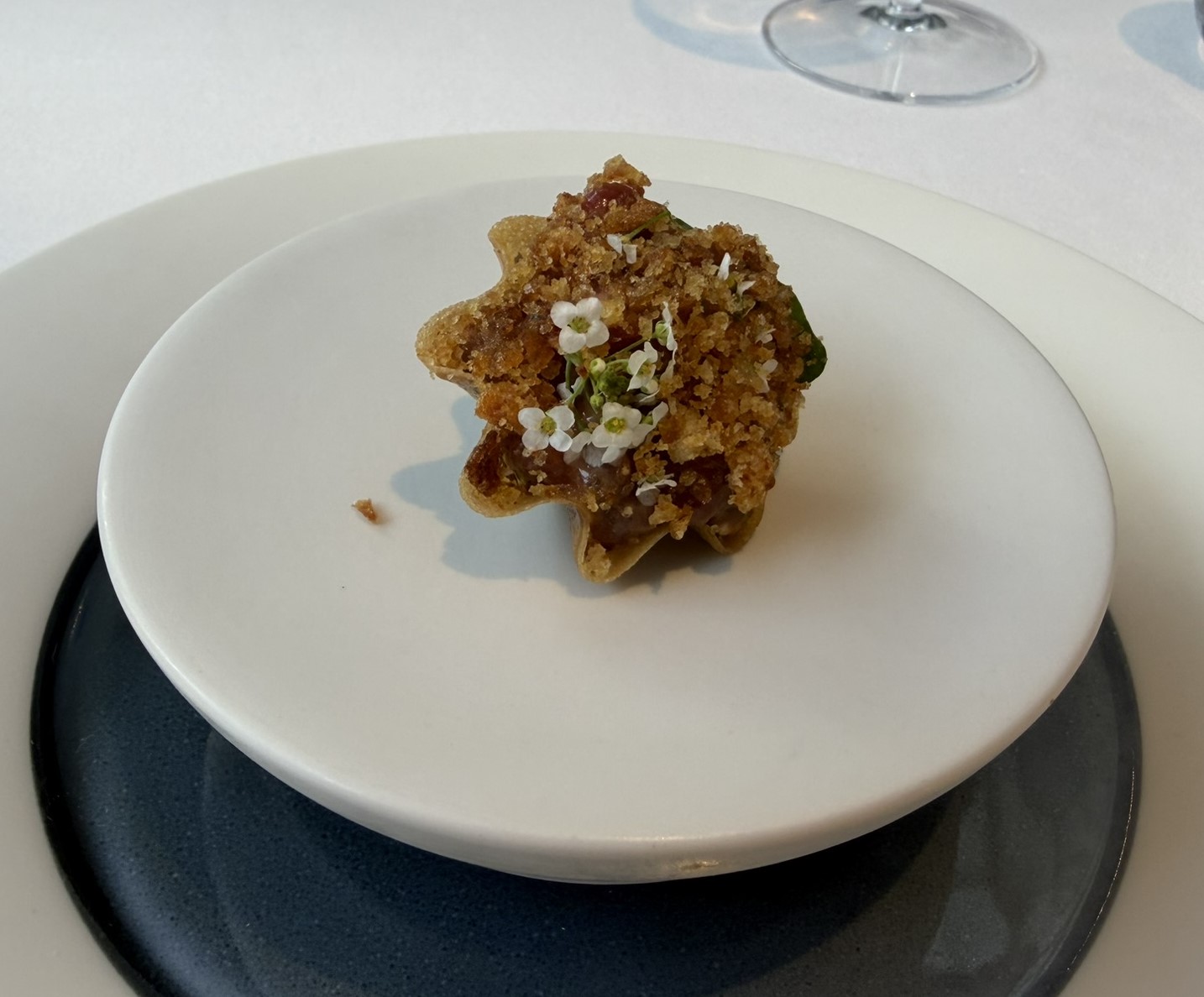
The meal began with two small snacks. The venison tartare horseradish cream was excellent — bright, citrusy, and balanced with just enough horseradish to provide bitterness and spice without overpowering the tartare itself. The potato crumble added a welcome crunch. Meanwhile, the tuna and celery was refreshing and clean with vibrant acidity.

Tasting Menu:
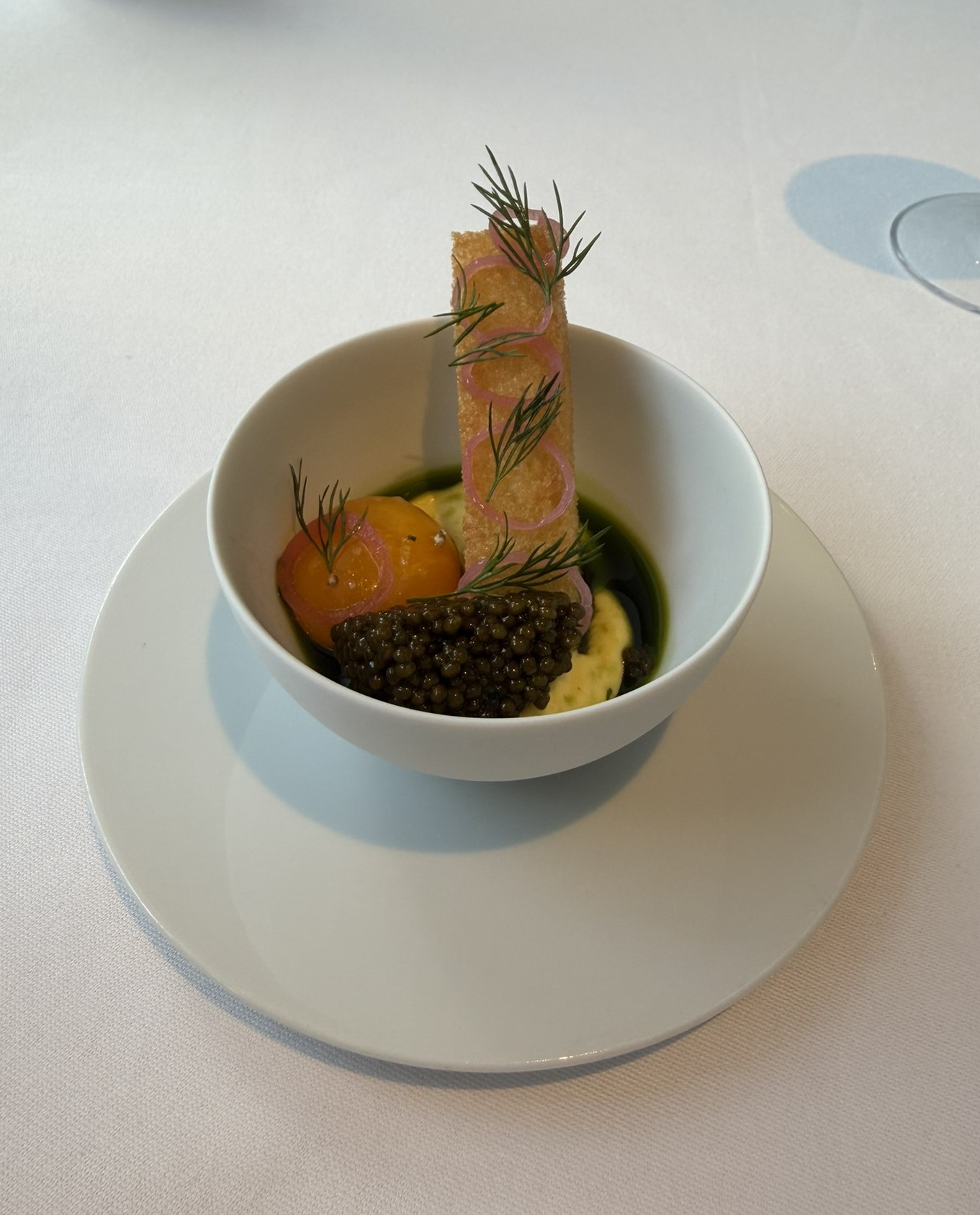
Next came The Modern’s signature dish and undoubtedly its most famous creation: Eggs on Eggs on Eggs. This course, normally a $75 supplement on the prix fixe menu, is included in the tasting menu. The dish combines egg yolk, egg custard, and generous amounts of caviar into one deeply indulgent bite. When mixed together, it becomes extraordinarily decadent and luxurious. It is one of those dishes that fully lives up to its reputation. Served alongside warm brioche toast, which acted as the perfect vessel for scooping every last bit, the restaurant thoughtfully provided an extra piece of toast that was equally delicious on its own.
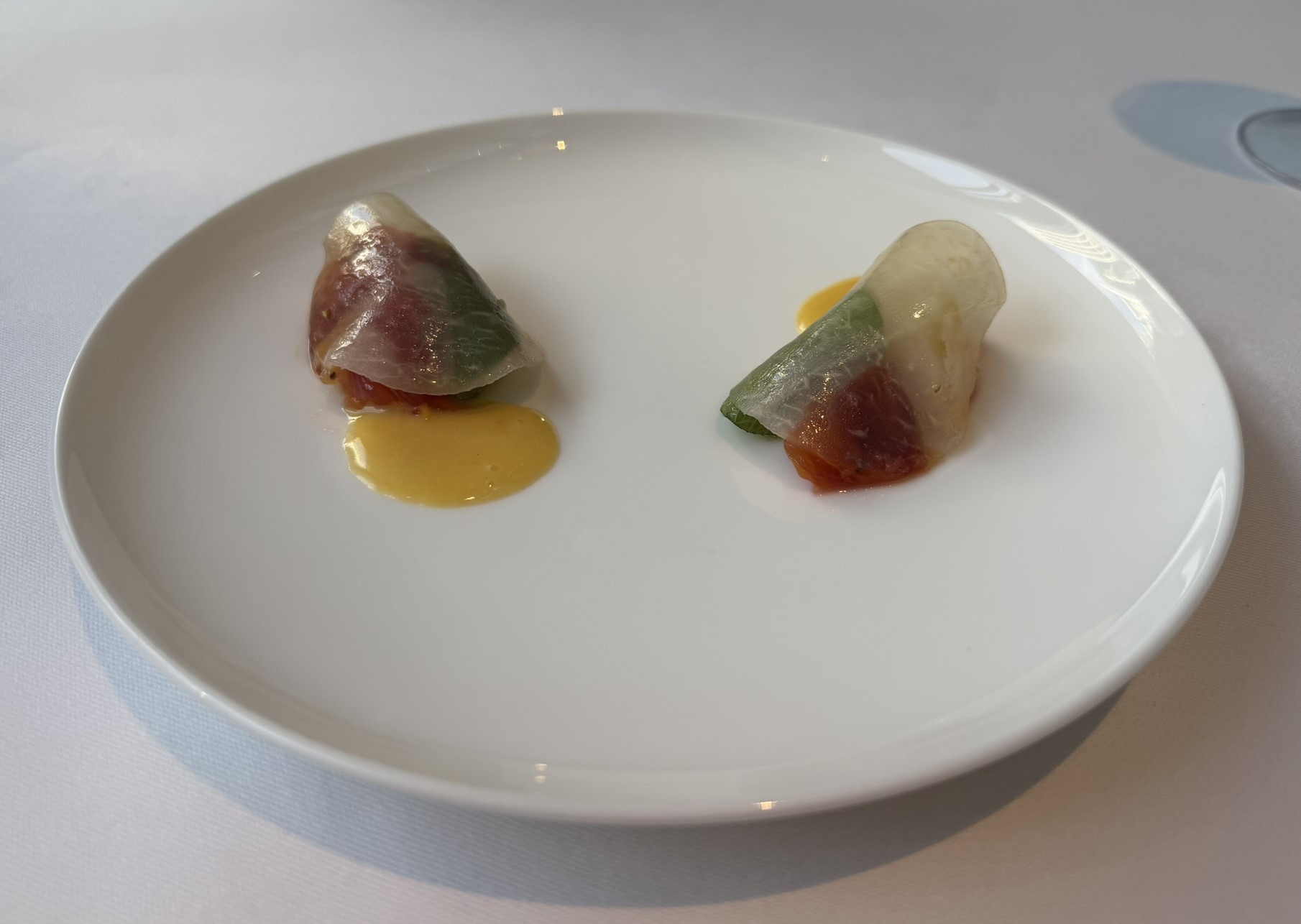
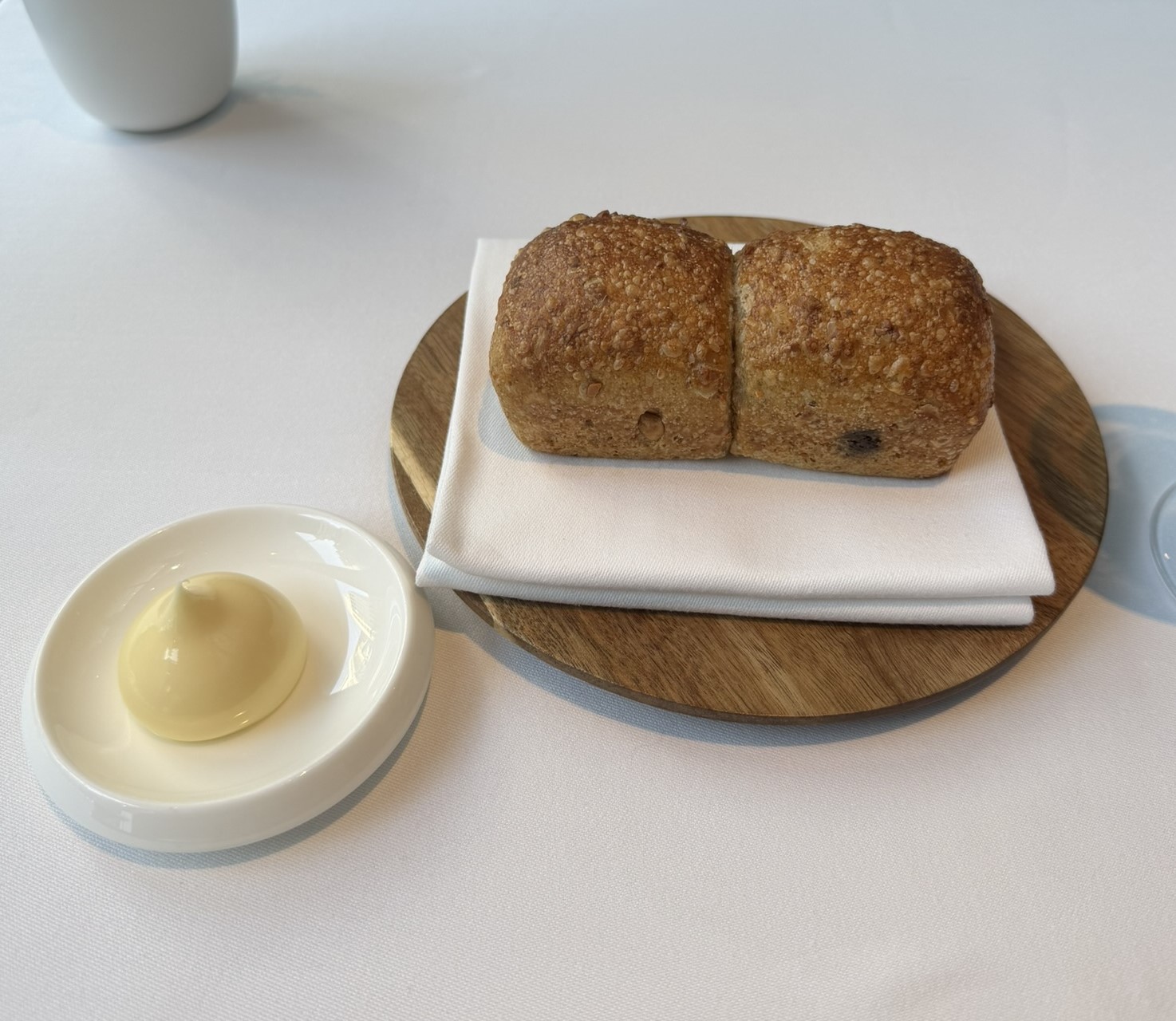
The Chilled lobster, shiso and green radish followed. The lobster itself was cooked beautifully — firm yet tender — while the paper-thin radish slices added a subtle peppery spice. The shiso vinaigrette brought brightness and citrusy freshness that tied the dish together elegantly. The bread course consisted of Pumpkin seed sourdough and cultured butter. Freshly baked, the bread had a perfectly crackling crust while maintaining a warm and airy interior.
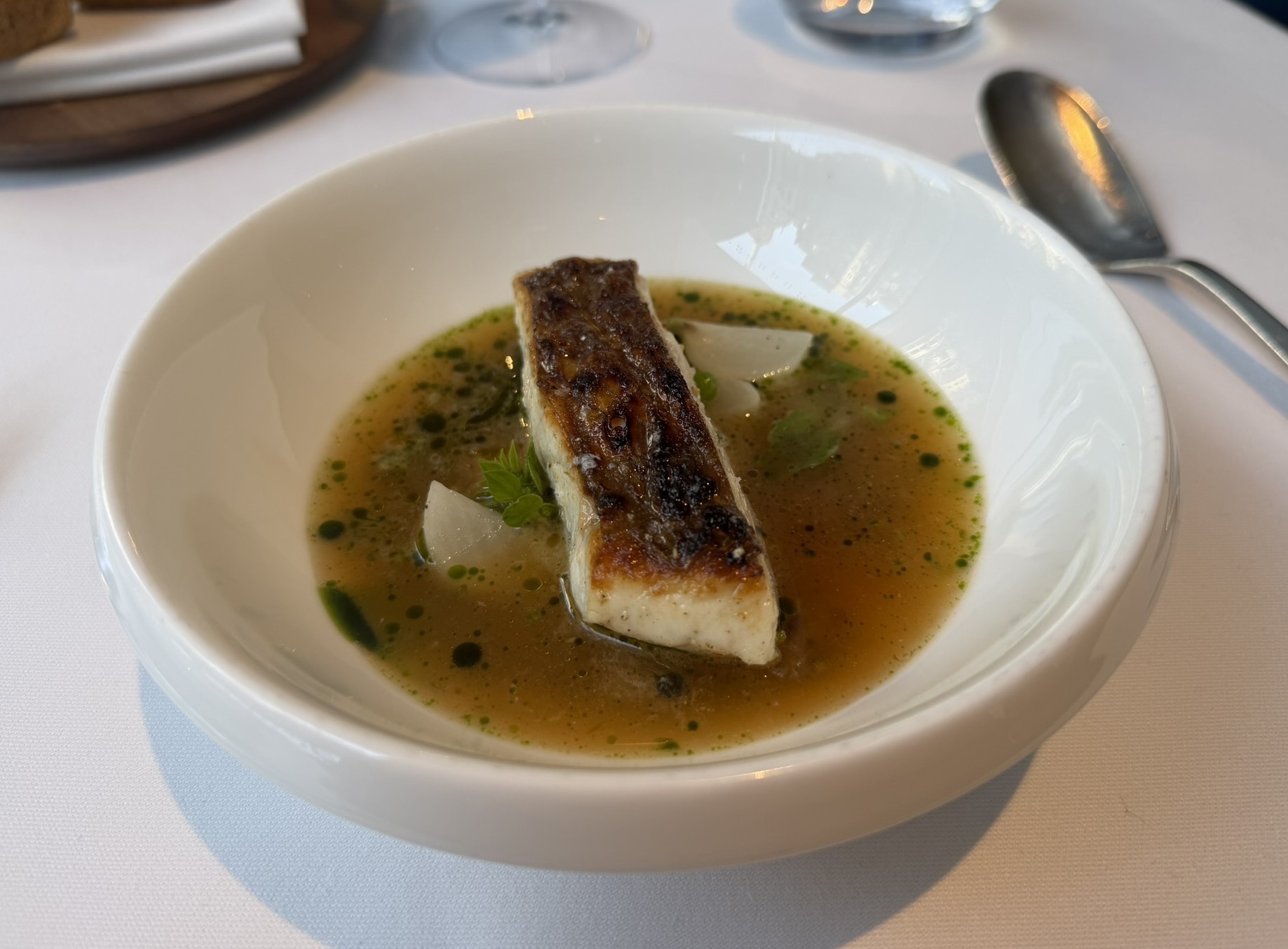
The Grilled madai with crosnes and shishito peppers showcased precise execution. The fish featured beautifully crisp skin with light charred notes while remaining moist and delicate underneath. The accompanying sauce carried a pleasant acidity that complemented the fish. Peas added freshness while the potato and garlic elements grounded the dish.
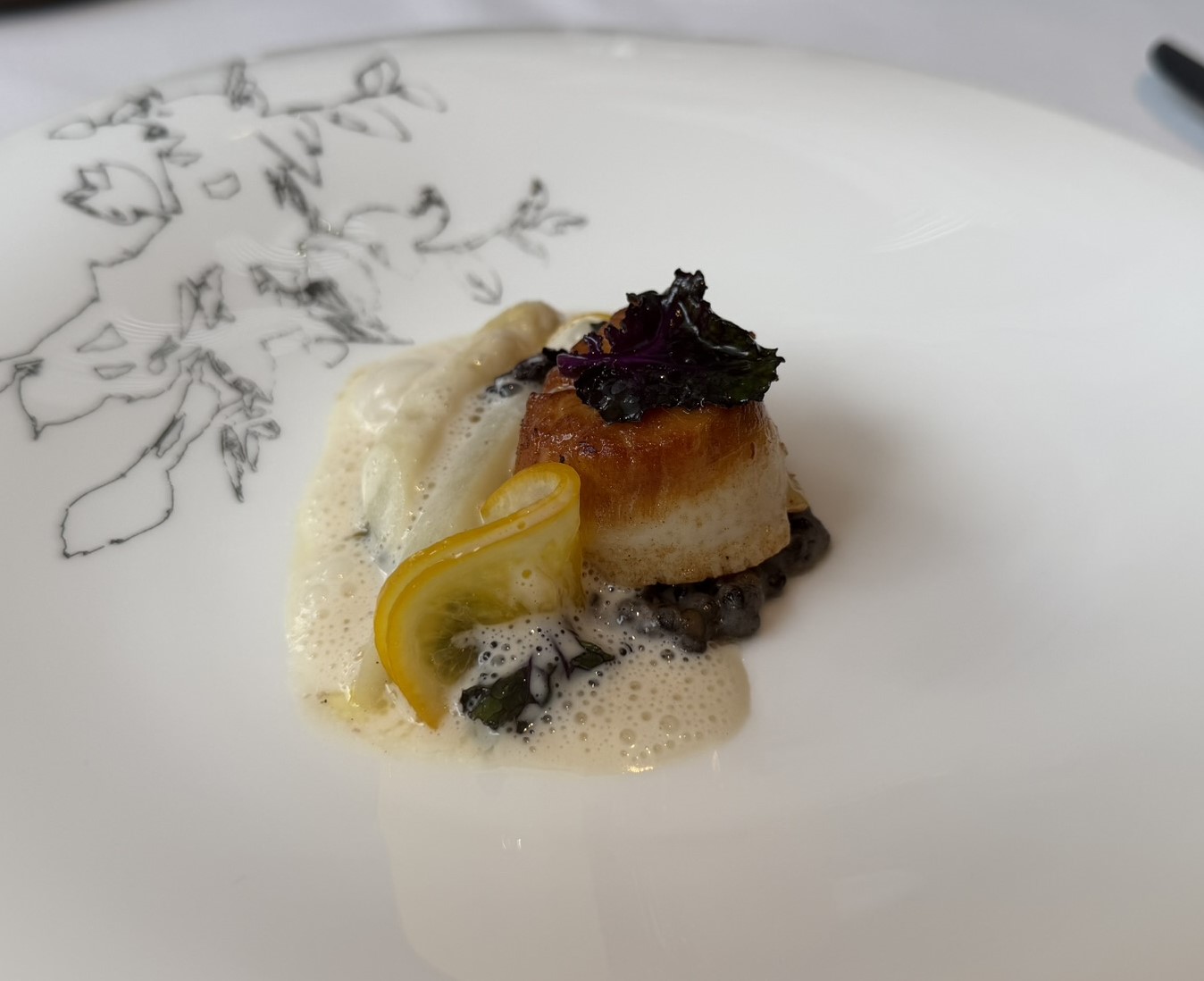
Another standout was the Seared scallops, white asparagus and beluga lentils. The scallops were prepared wonderfully with a delicate sweetness and mild oceanic brininess. The roasted lentils added earthiness while the parmesan foam and clam brown butter sauce contributed another layer of richness and complexity.
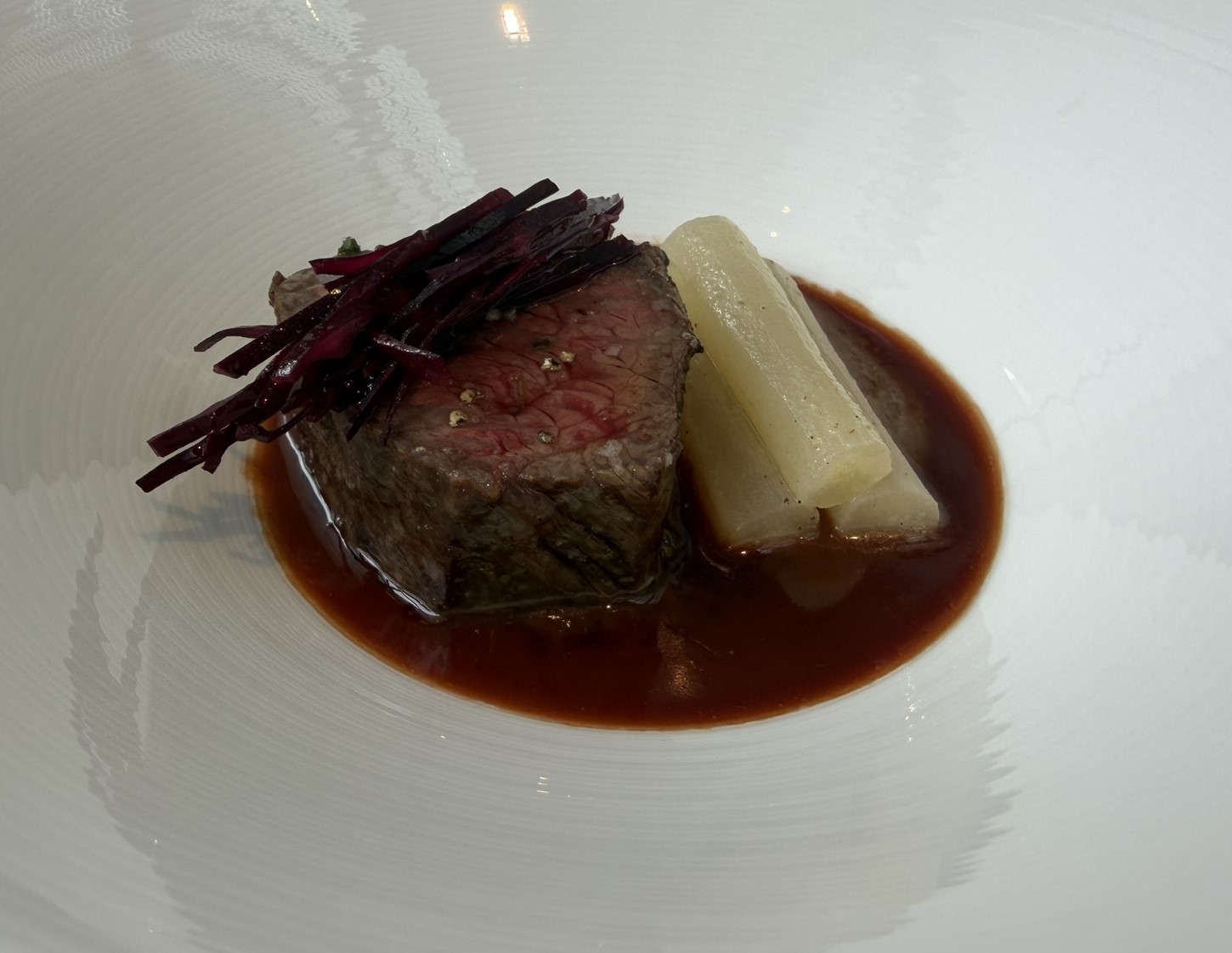
For the main course, I was served Australian wagyu beef,salsify, pickled red cabbage. The wagyu arrived perfectly medium rare with a beautiful rosy center. It was intensely flavorful and exceptionally juicy. The juniper and bacon sauce brought deep savory richness while the pickled cabbage provided enough acidity to balance the fat of the beef. The salsify, with its subtle earthiness, was an excellent accompaniment.
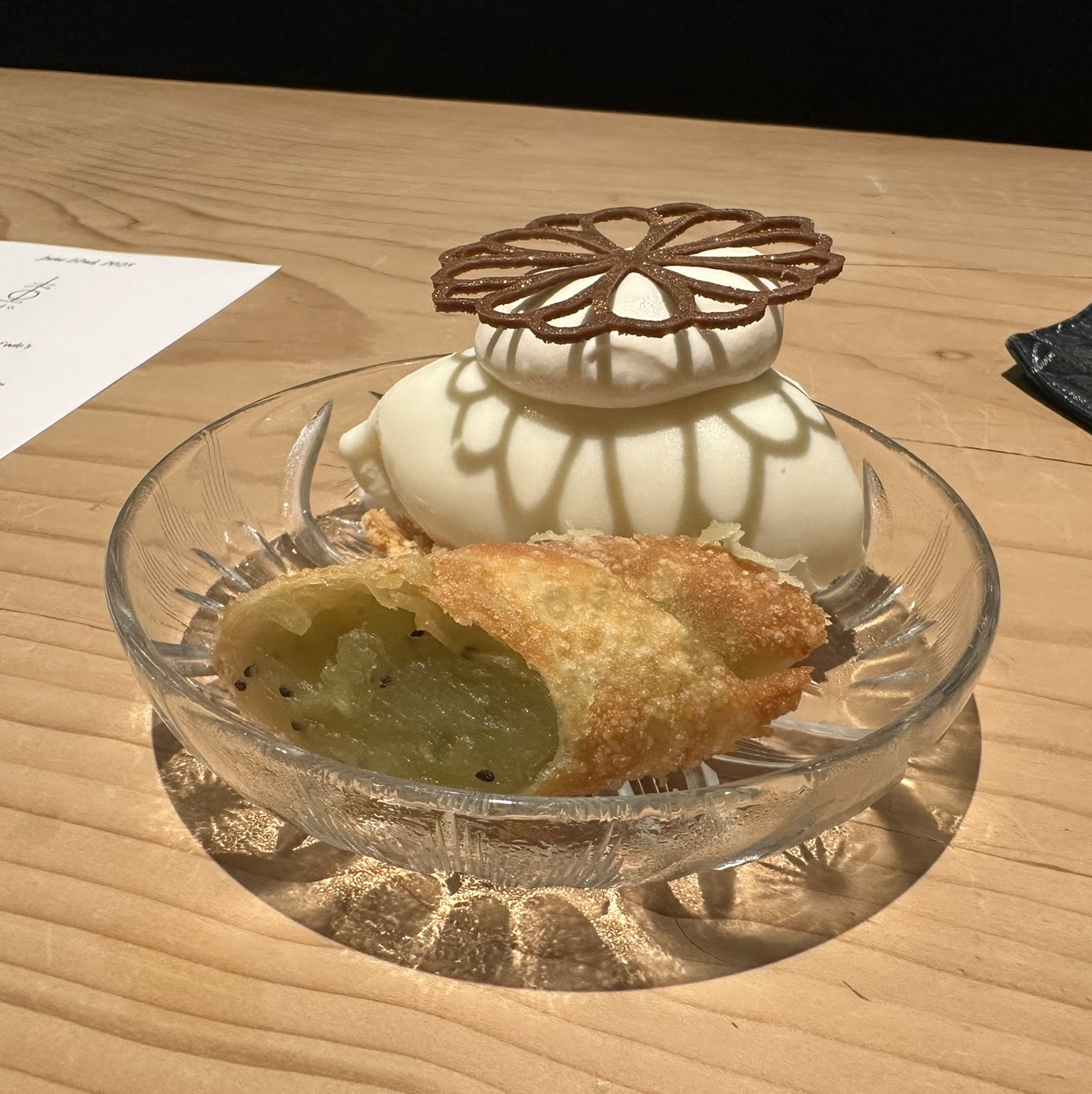
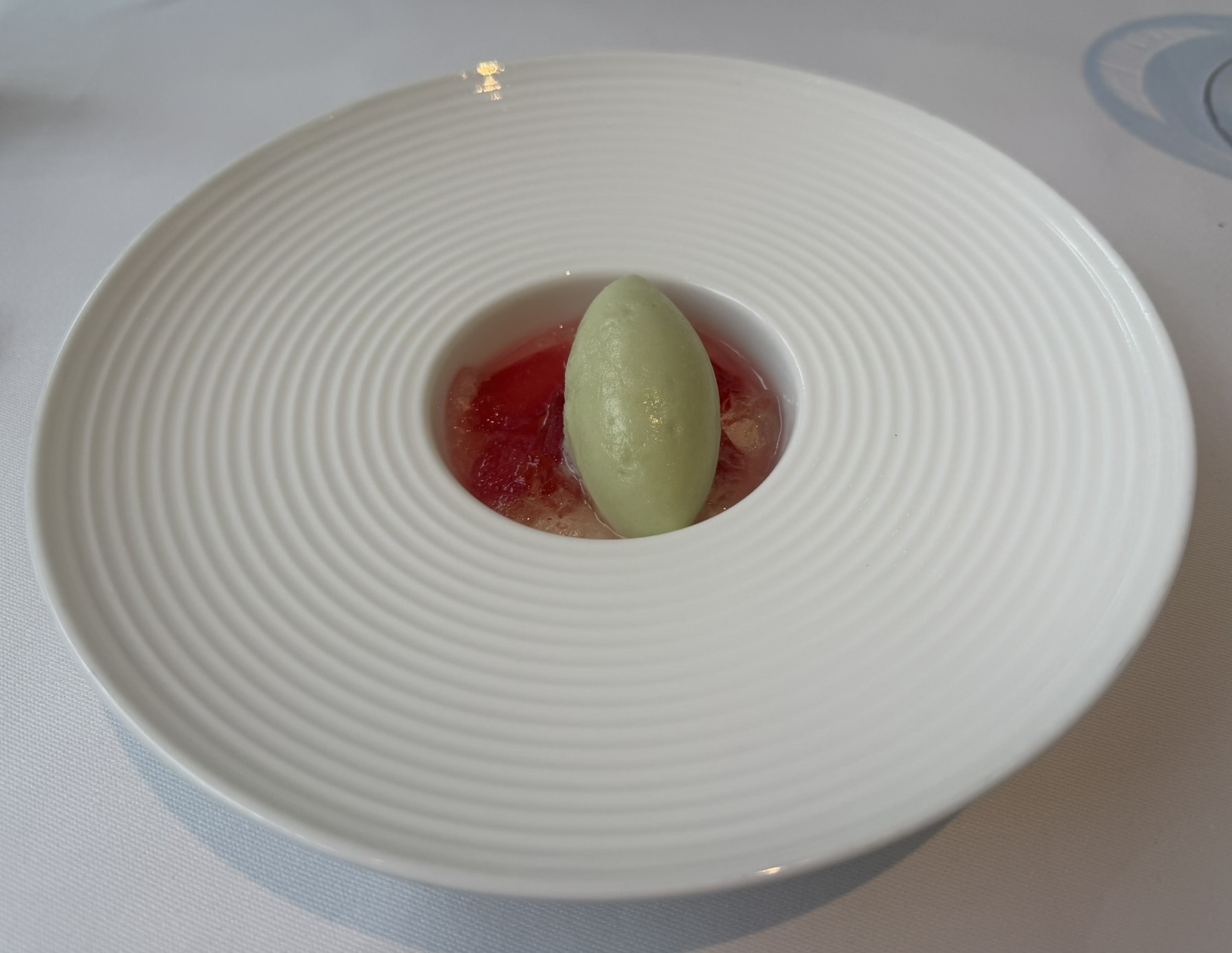
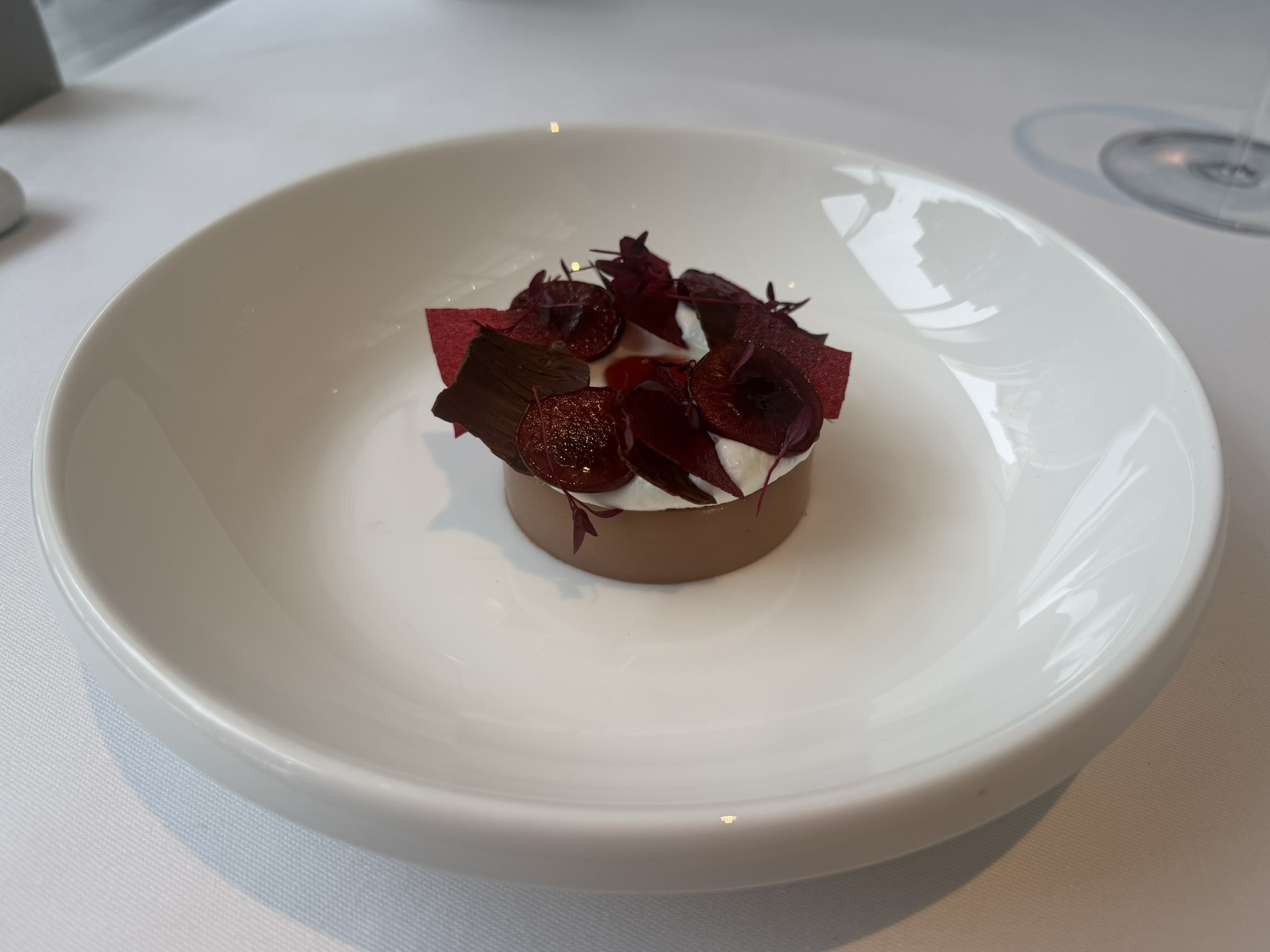
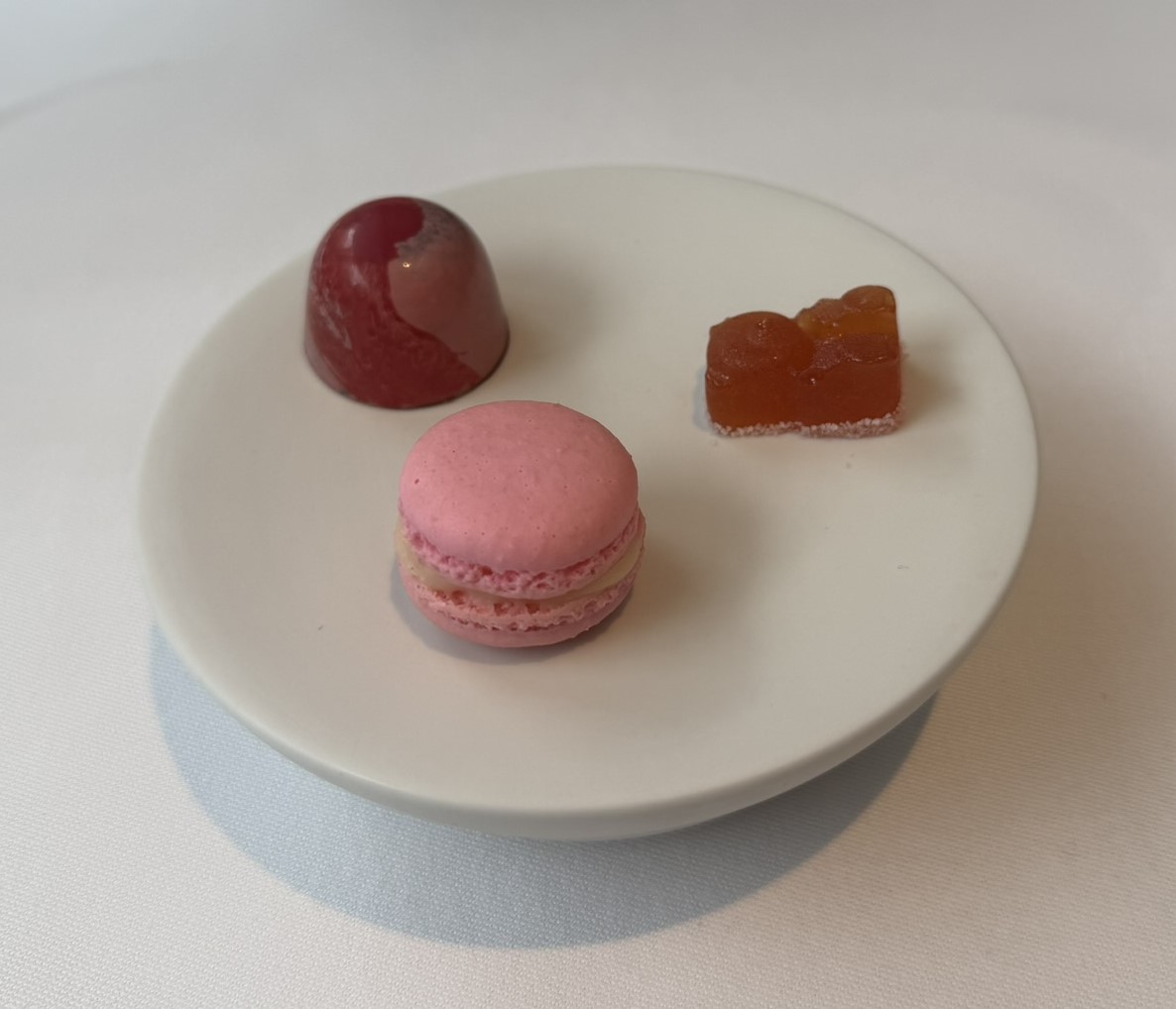
The Hibiscus, coconut, and tarragon palate cleanser was simple yet refreshing. Its chilled temperature and floral brightness acted as a soothing transition into dessert. Dessert was Dark chocolate cremeux, black cherries and almond. The silky chocolate custard paired beautifully with the tartness of the cherries and the crunch of chocolate crumble. Almond ice cream added nuttiness and balance. Afterwards, several petits fours including apricot with orange blossom, guava mandarin, and strawberry bites ended the meal on a high note.
This tasting menu was superb from beginning to end. The cooking was meticulous, technically sound, and consistently polished throughout the entire meal. Some diners may argue that the cuisine plays things safe, however I viewed it instead as disciplined and refined. Each course was thoughtfully composed with flavors that remained approachable without sacrificing sophistication. Ingredient quality was evident throughout the progression.

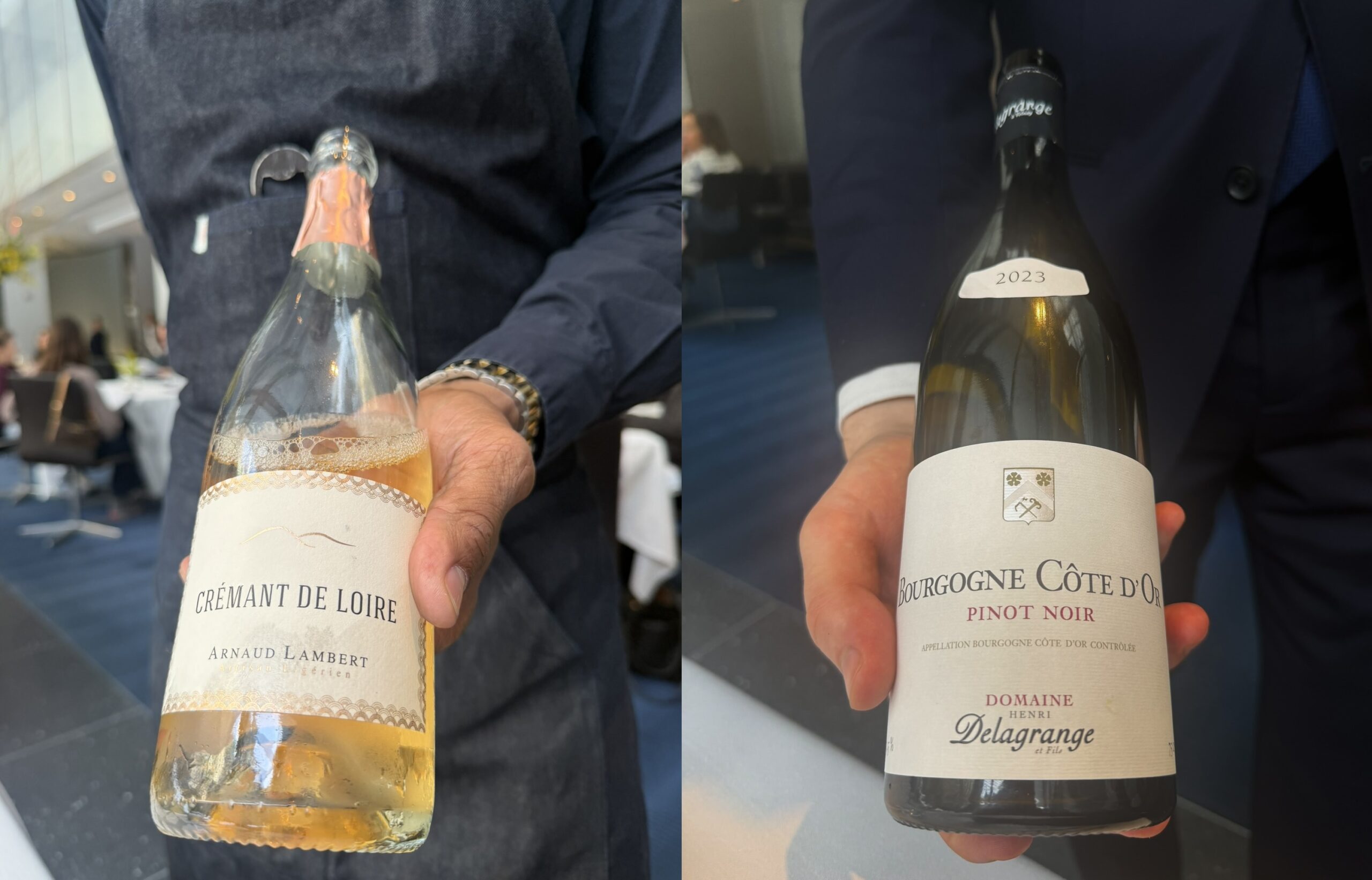
The sommelier recommended a rosé to begin the meal before transitioning into a Pinot Noir for the latter half of the tasting. Both French wines paired seamlessly with the dishes they accompanied.
Hospitality has always been one of the defining strengths of any Danny Meyer restaurant, and The Modern fully embodies that reputation. From the moment I walked in, the staff were warm, welcoming, and genuinely personable. The servers were polished, knowledgeable, and confidently explained each course while answering questions thoroughly. Despite arriving for a late lunch, there was never any sense of being rushed. The service remained attentive while still feeling relaxed and natural.
Two Michelin-starred restaurants in New York City are never inexpensive, yet The Modern remains relatively wallet-friendly compared to many of its peers. The prix fixe menus, particularly during lunch, are still accessible by fine dining standards. Including several glasses of wine, tax, and tip, my tasting menu came to just under $500 for one person. While certainly expensive, it remains more reasonable than many other two-star establishments in the city where dinner alone can easily surpass $300 before beverages.
Ever since opening, The Modern has consistently remained among New York City’s elite restaurants for more than two decades — a remarkable achievement in one of the most fiercely competitive dining scenes in the world. Over the years, many chefs who passed through its kitchen have gone on to successful careers of their own, further cementing the restaurant’s legacy and influence.

The Modern continues to thrive, and after this visit, I do not see that momentum slowing anytime soon. Its future remains incredibly bright, and the restaurant appears poised to remain a New York dining institution for many more decades to come.
Estela *

Estela
47 E Houston St 1st floor
New York, NY 10012
(212) 219-7693
Official Site

Bistronomy is a term coined in the early 2000s by French food critic Sébastien Demorand—a fusion of “bistro” and “gastronomy,” describing high-quality, creative cooking served in a more relaxed, casual setting. In essence, it delivers fine dining caliber food without the formalities traditionally attached to it. In New York City, one of the most notable examples of this movement is the one-Michelin-starred Estela in NoHo.

Opened in 2013 by Uruguayan-born chef Ignacio Mattos, Estela quickly became a critical darling, earning a two-star review from The New York Times and securing its Michelin star in 2019, which it has maintained ever since. Before striking out on his own, Chef Mattos trained at Chez Panisse under Alice Waters and worked with Argentine celebrity chef Francis Mallmann. He later moved to New York, spending time at Il Buco before opening the acclaimed Isa in Williamsburg. With Estela’s success, Mattos went on to launch Mattos Hospitality, which also operates Altro Paradiso.
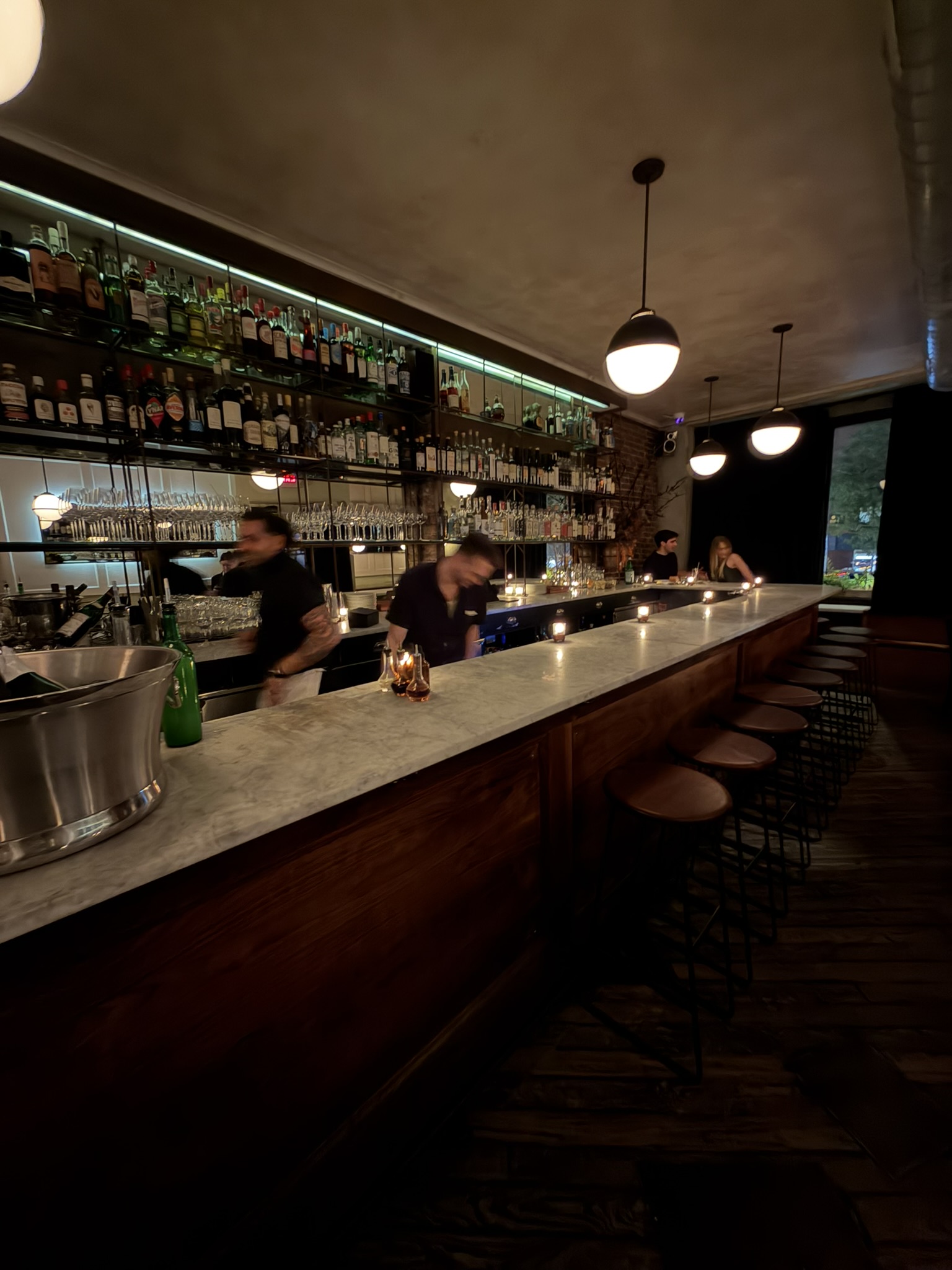
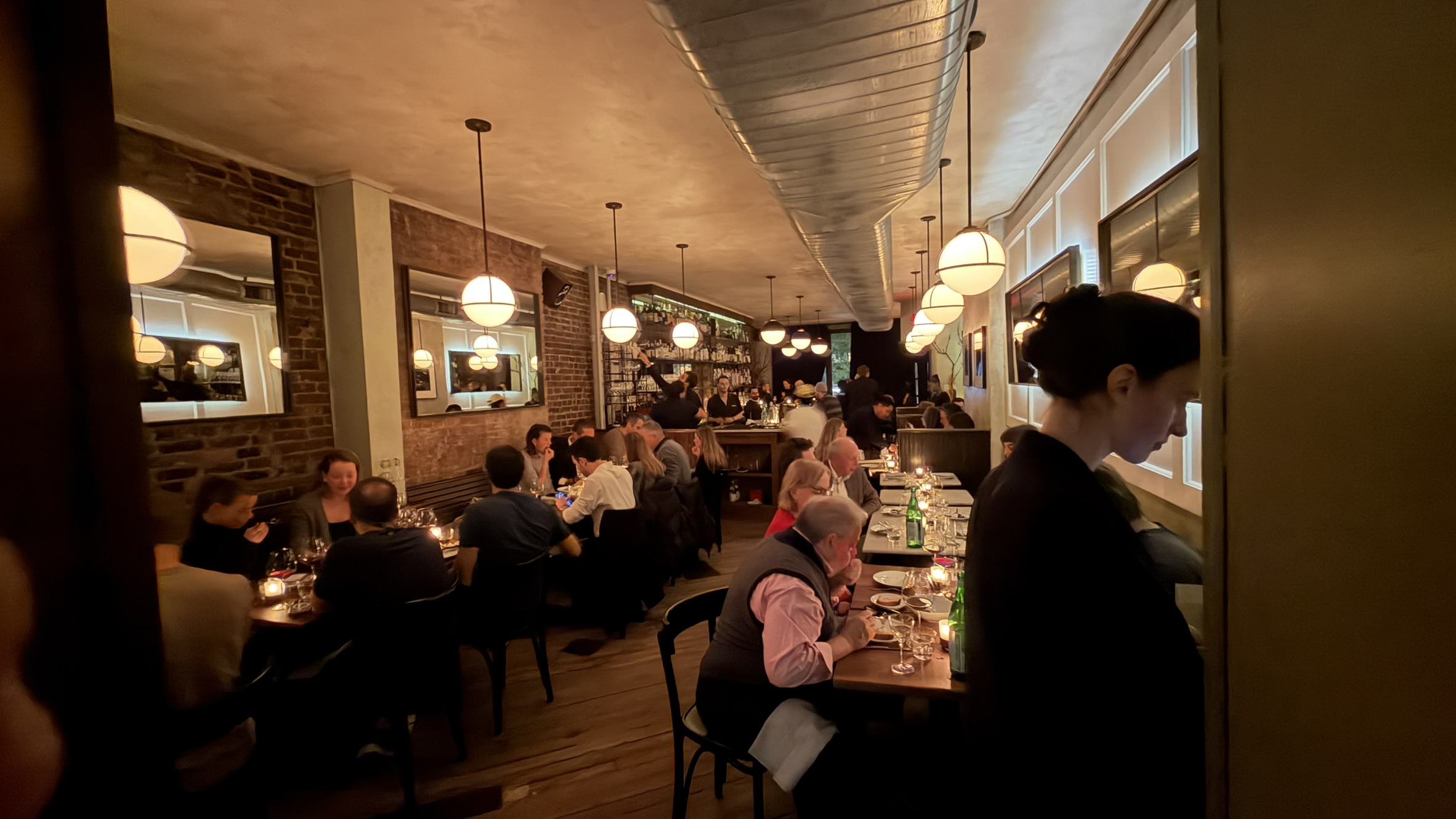
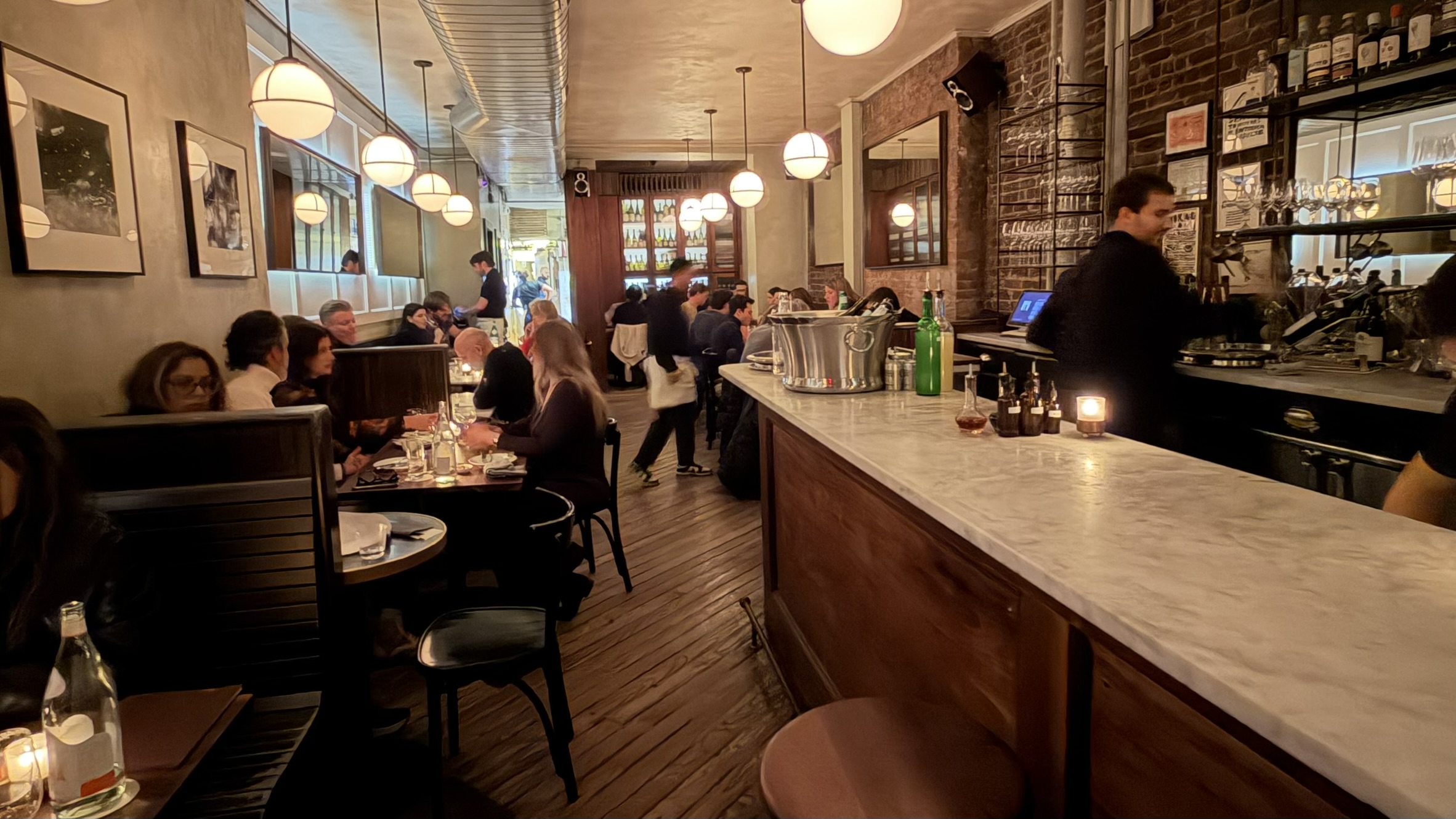
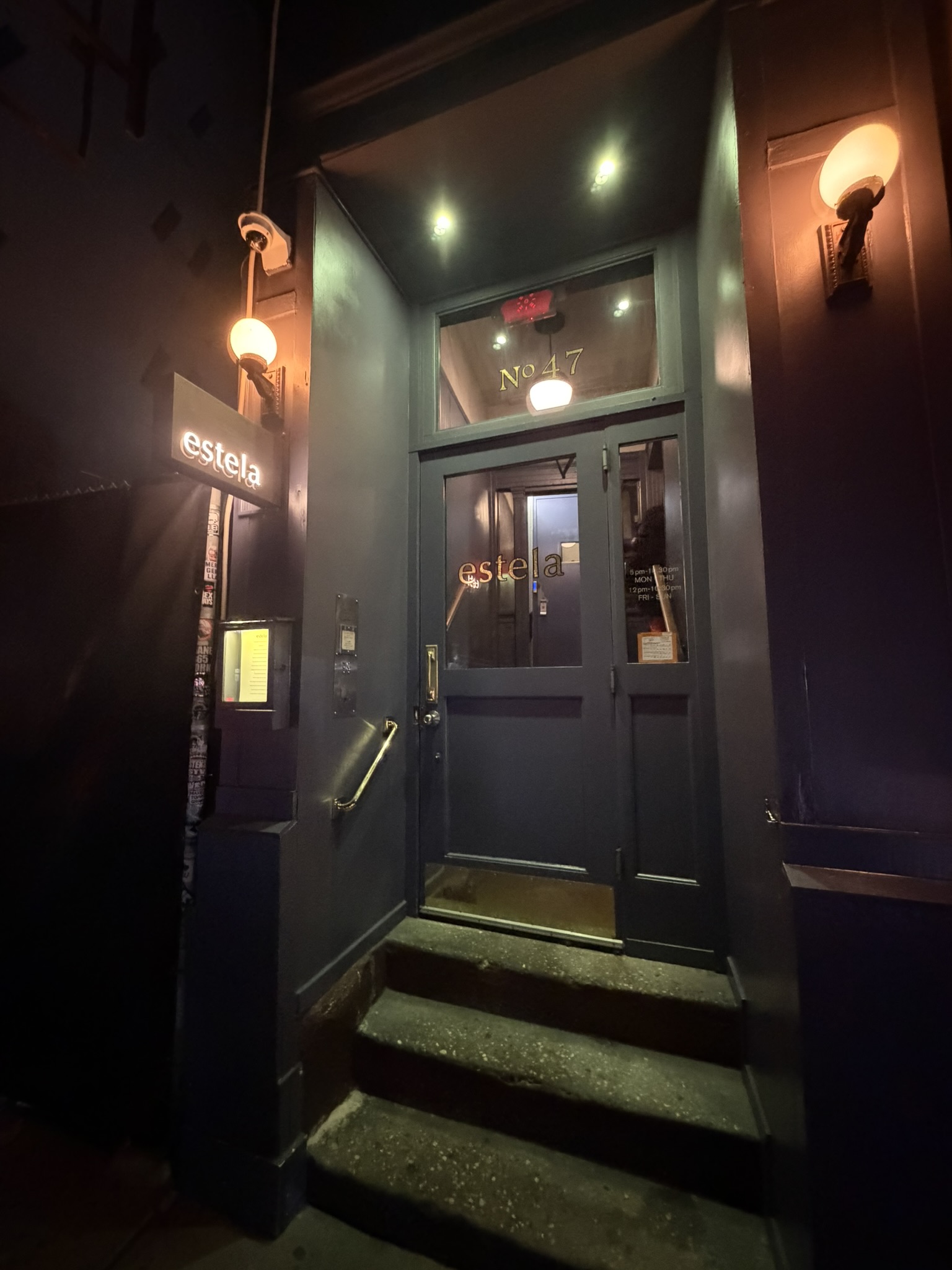
Estela sits along Houston Street, tucked above a bar known for its inexpensive happy hour specials. Upon entering, a marble bar immediately comes into view, setting the tone before the space opens into a compact, lively dining room that can get quite loud. Tables are tightly packed in a mix of formats, paired with hard wooden chairs, while the worn wooden floors creak with nearly every step—adding to the restaurant’s unpolished, downtown charm.

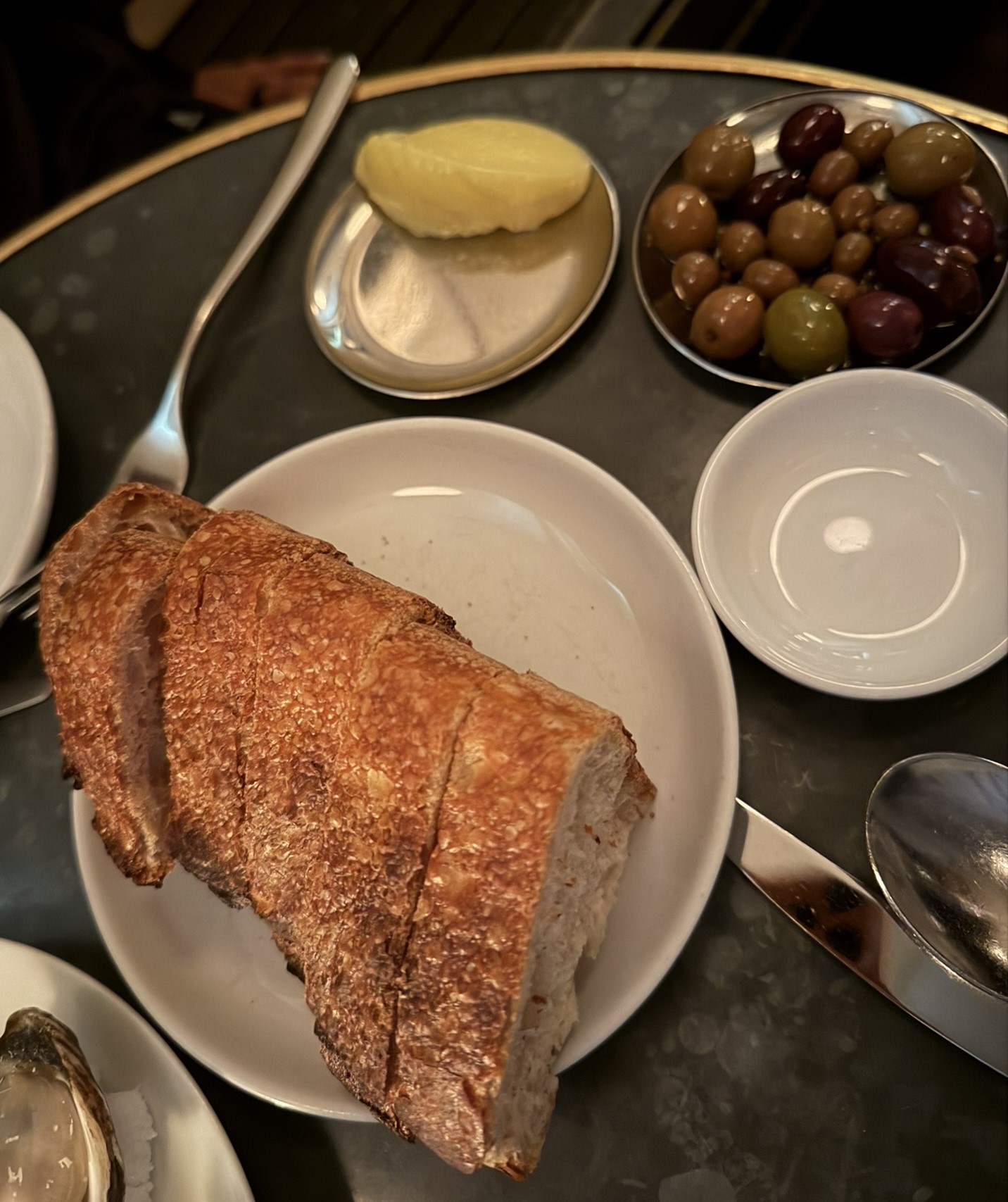
Open for dinner seven days a week and lunch on weekends, the restaurant offers an à la carte menu with a solid range of options. For two diners, our server recommended ordering five to six dishes—a suggestion we gladly followed. We began with a Sourdough miche with butter and olives served warm. Priced at $7 and not complimentary, it delivered a deeply crusty exterior with a satisfying chew, while the olives provided a simple, briny counterpoint.

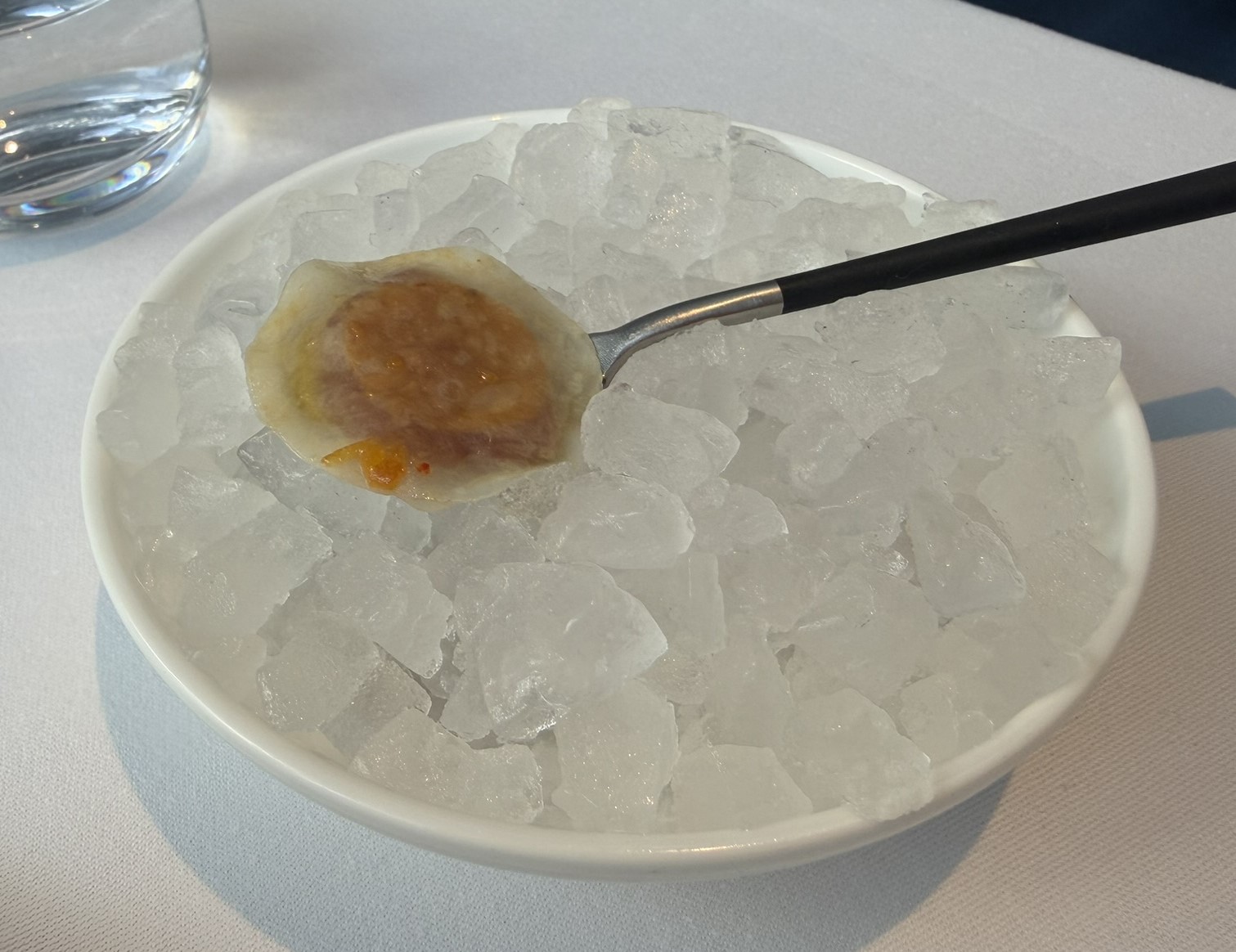
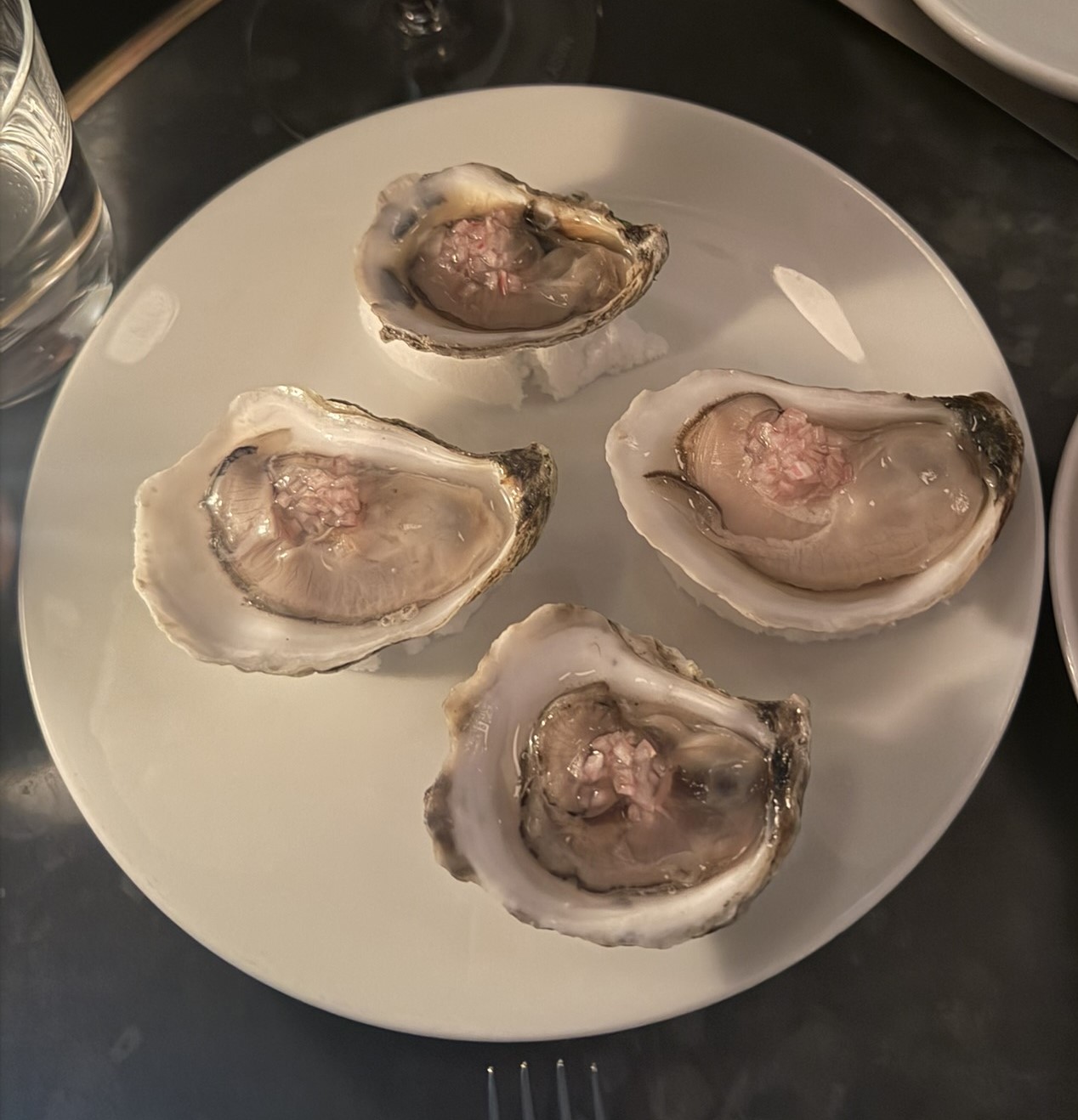
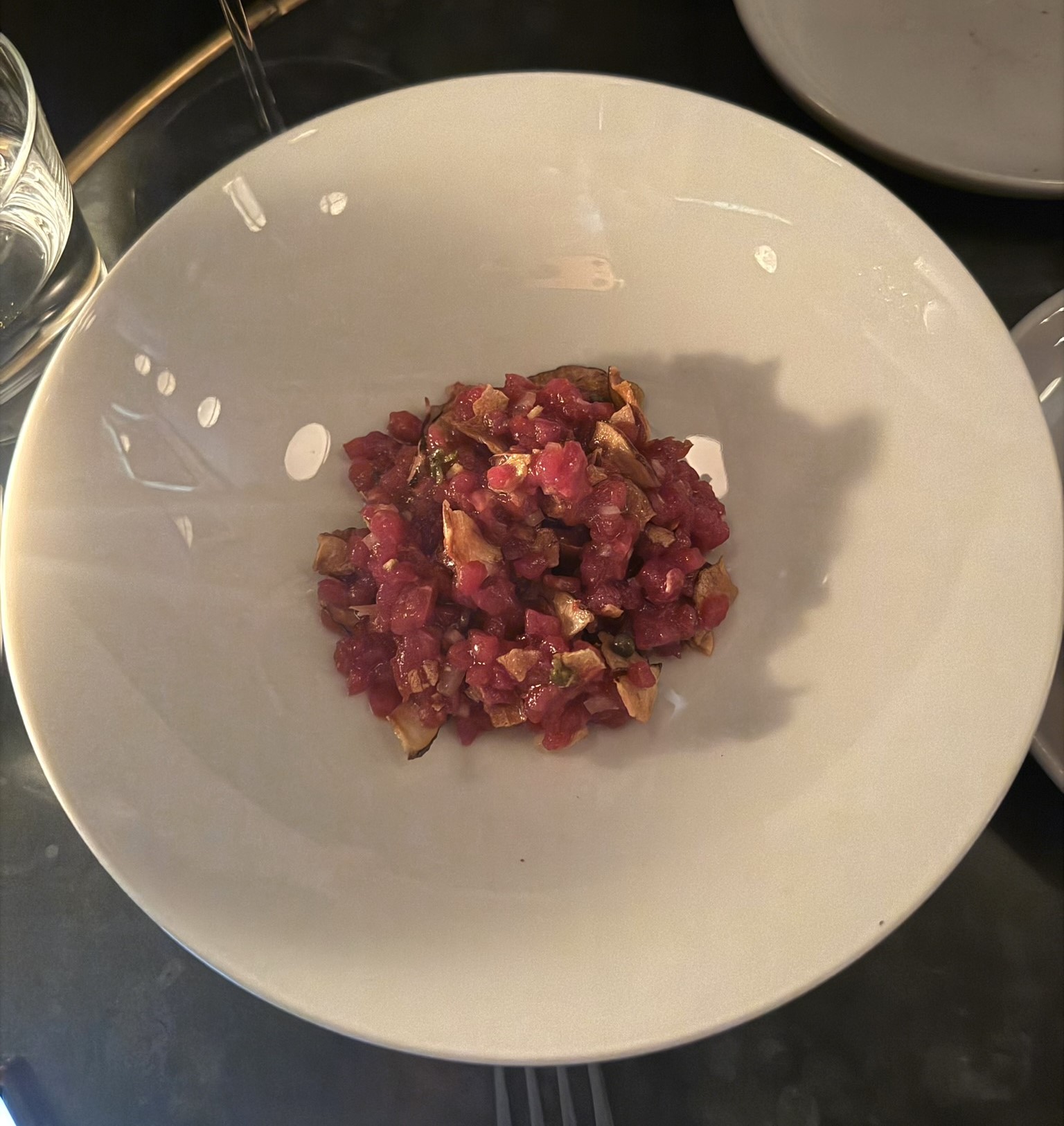
The Oysters with yuzu kosho mignonette, at $5 each, were exceptionally fresh. They carried a clean marine brininess, lifted by bright citrus notes and a gentle heat that lingered pleasantly. The Beef tartare with elderberries and sunchoke followed, offering a balance of freshness and depth. The elderberries introduced subtle sweetness and acidity, while the sunchokes added a mild earthiness that grounded the richness of the beef.

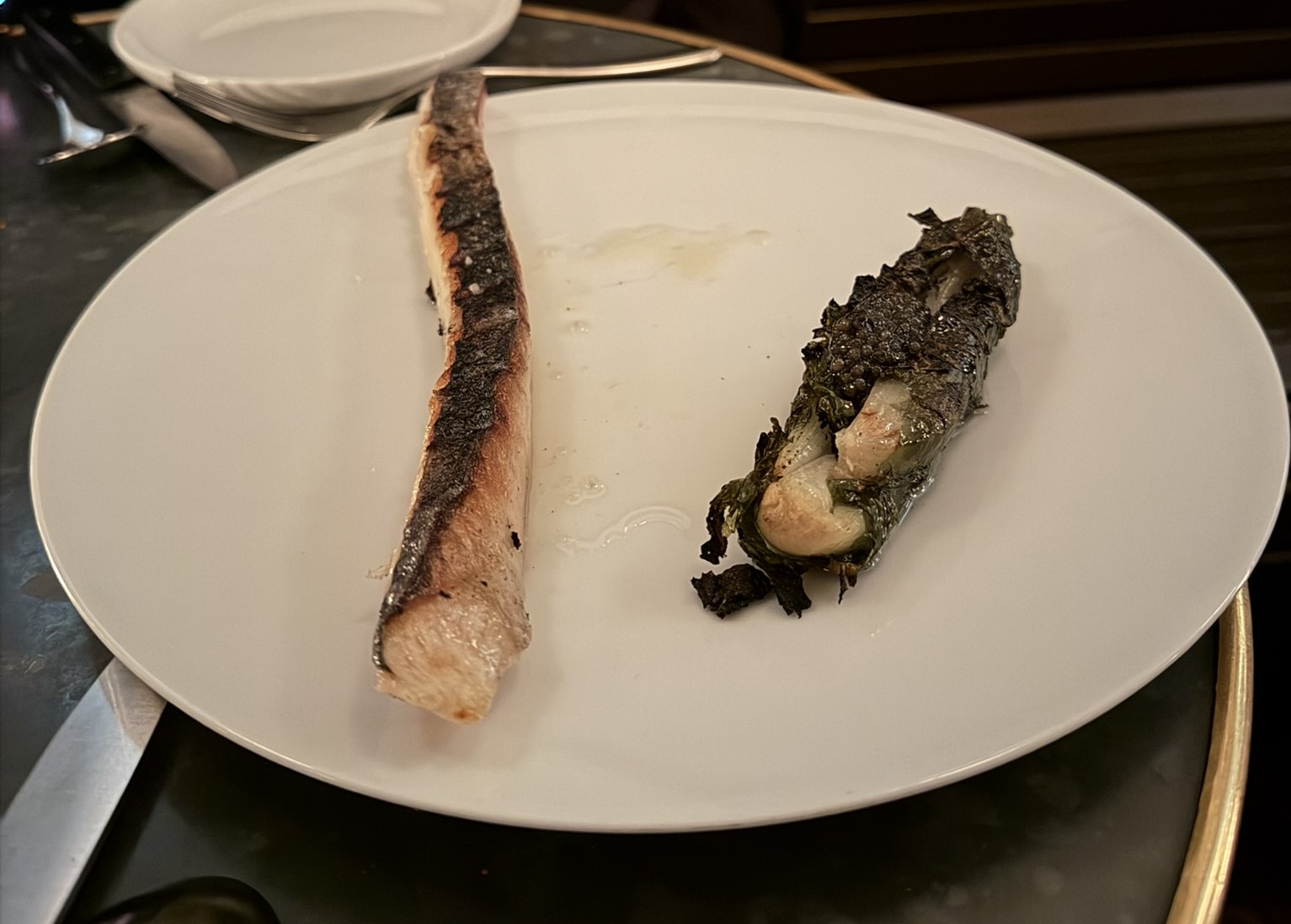
A standout was the Mackerel with smoked torpedo onion and caviar. The fish itself was firm yet tender, with a luscious oiliness. The smoked onion contributed a soft sweetness and gentle smokiness, and when combined with the caviar, the dish became an intense, satisfying burst of flavor.

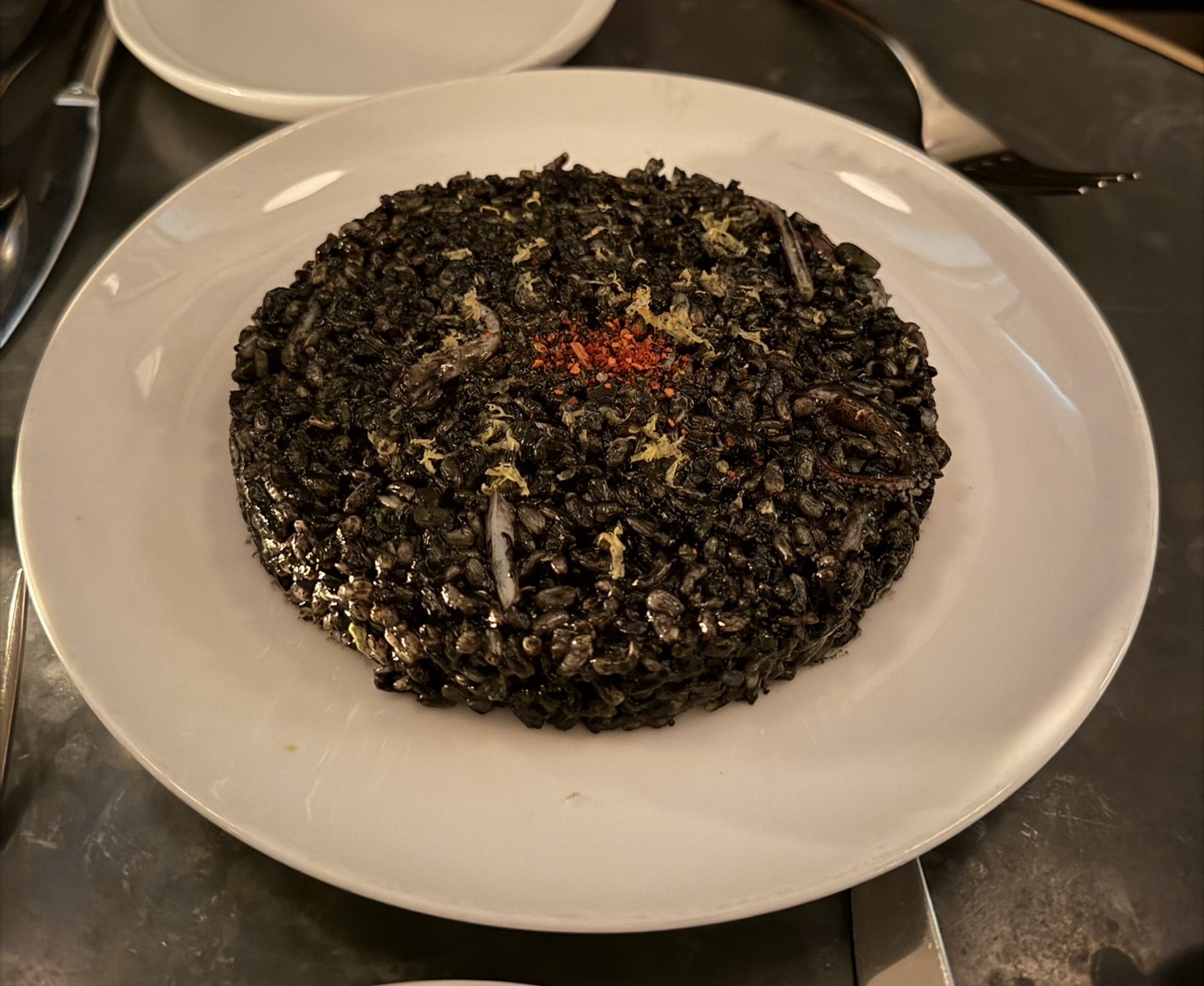
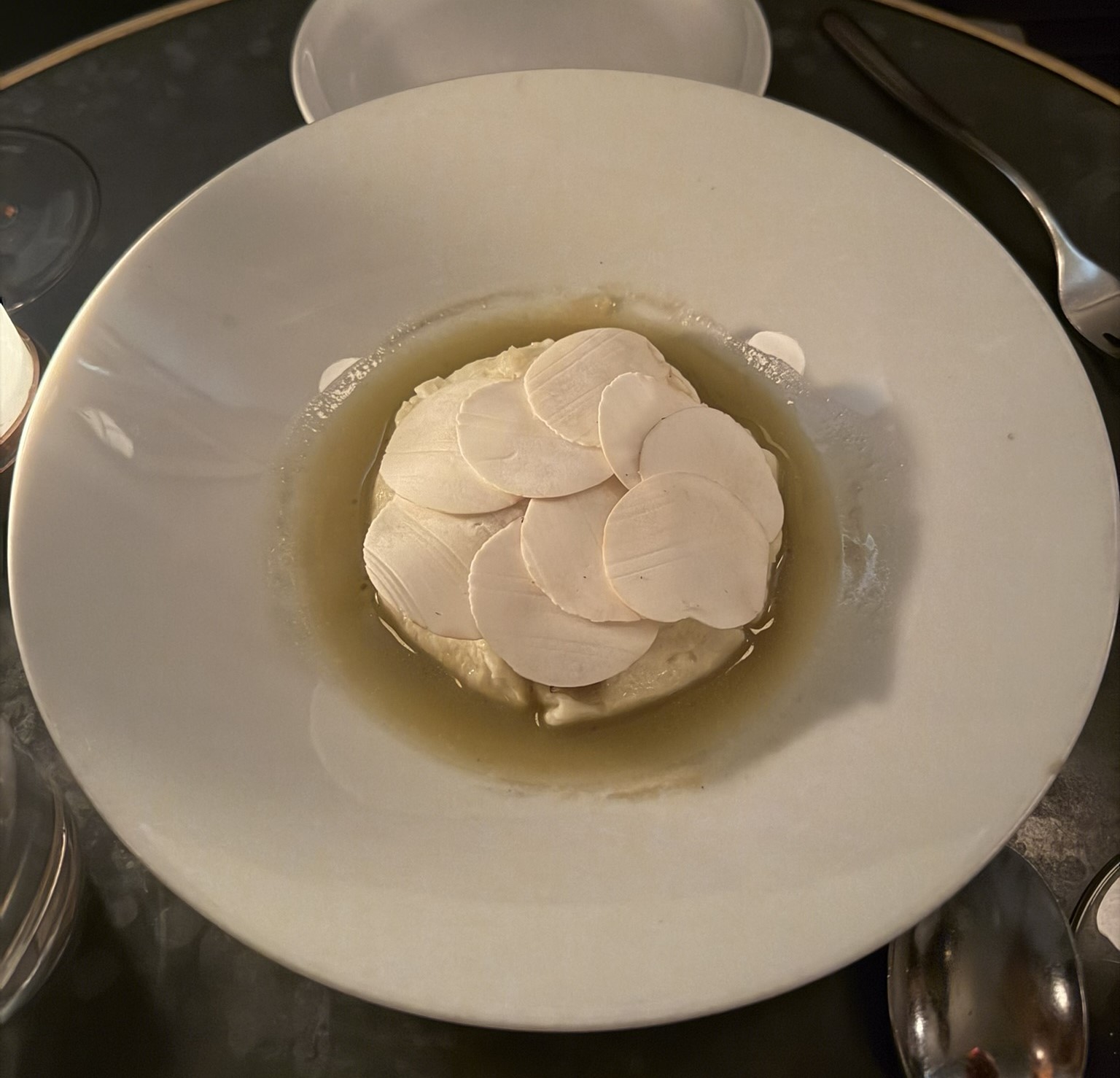
The Fried arroz negro, squid, and romesco—one of the restaurant’s signature dishes—was Estela’s take on the Valencian classic. The rice had a crisp texture while remaining approachable, delivering a deep, oceanic intensity that made it one of the most memorable plates of the evening. The Ricotta dumplings with mushrooms and pecorino sardo offered a softer, more comforting contrast: pillowy, cheese-laden dumplings bathed in a delicate leek broth, layered with thinly sliced mushrooms and sharp pecorino.

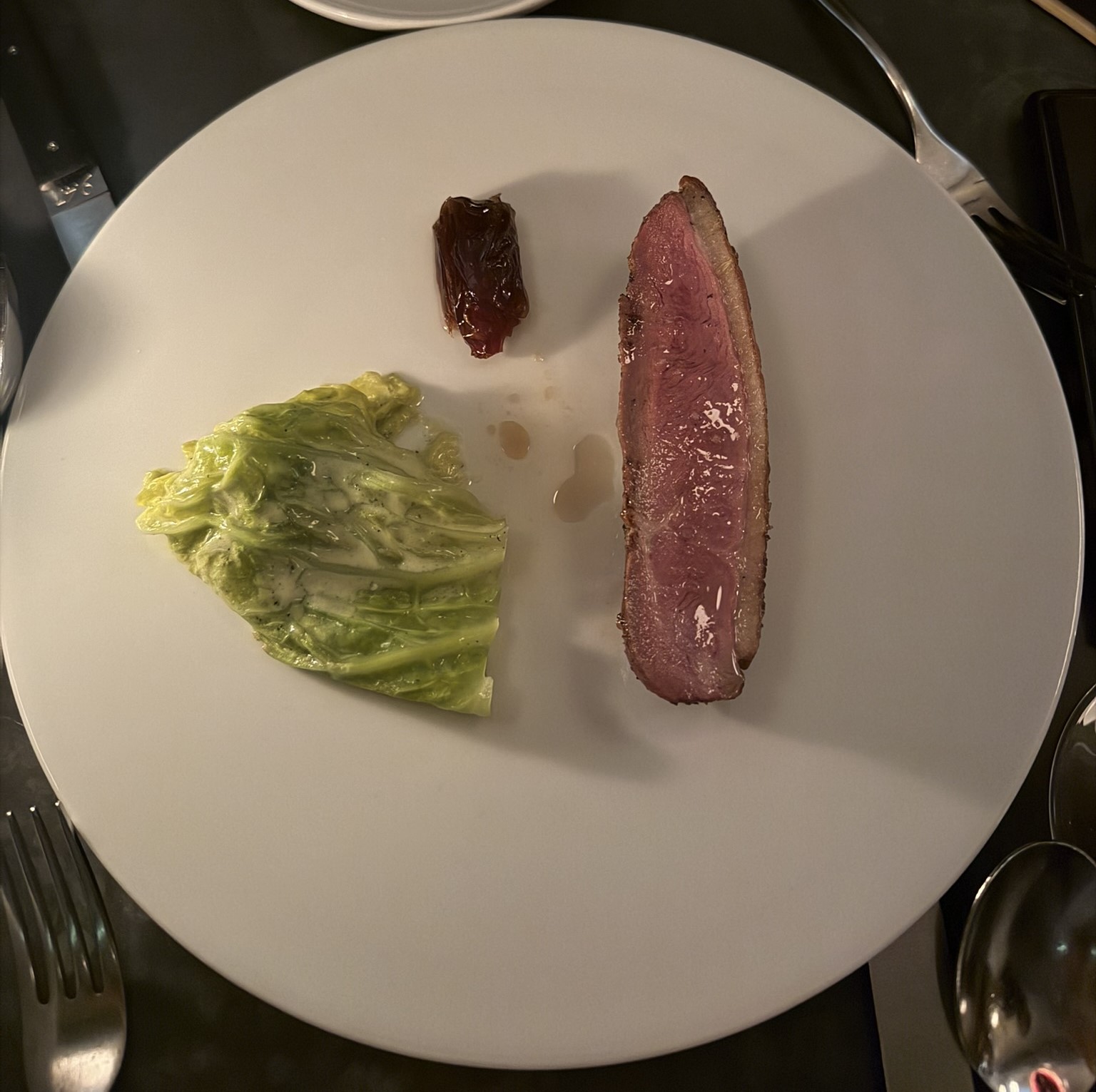
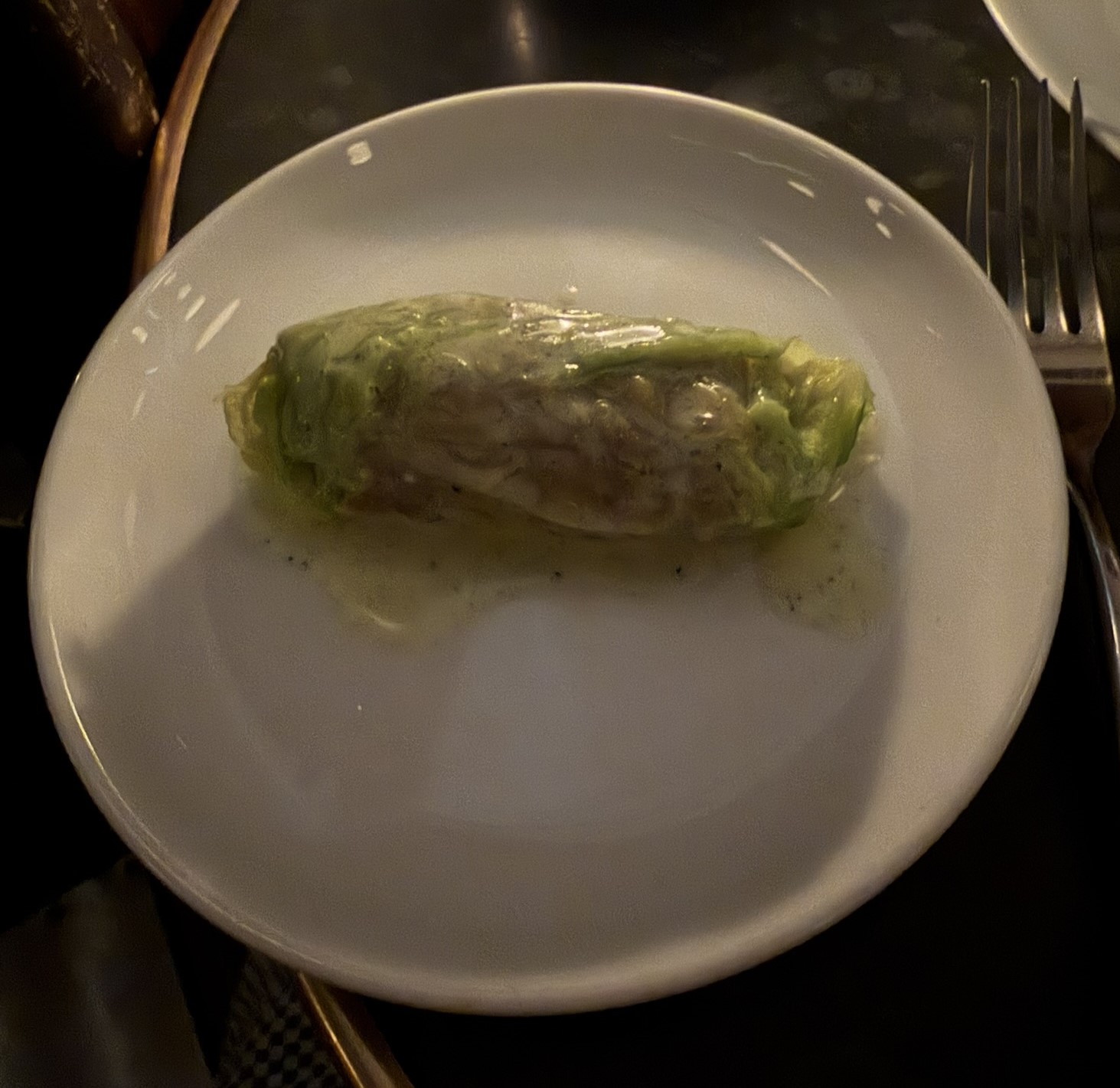
The Crescent duck with stuffed cabbage and date was beautifully executed. The duck was cooked to a perfect rosy pink, tender and succulent, with concentrated flavor. The accompanying stuffed cabbage, filled with duck, reinforced the richness, while the dates added a welcome touch of sweetness to round out the dish.

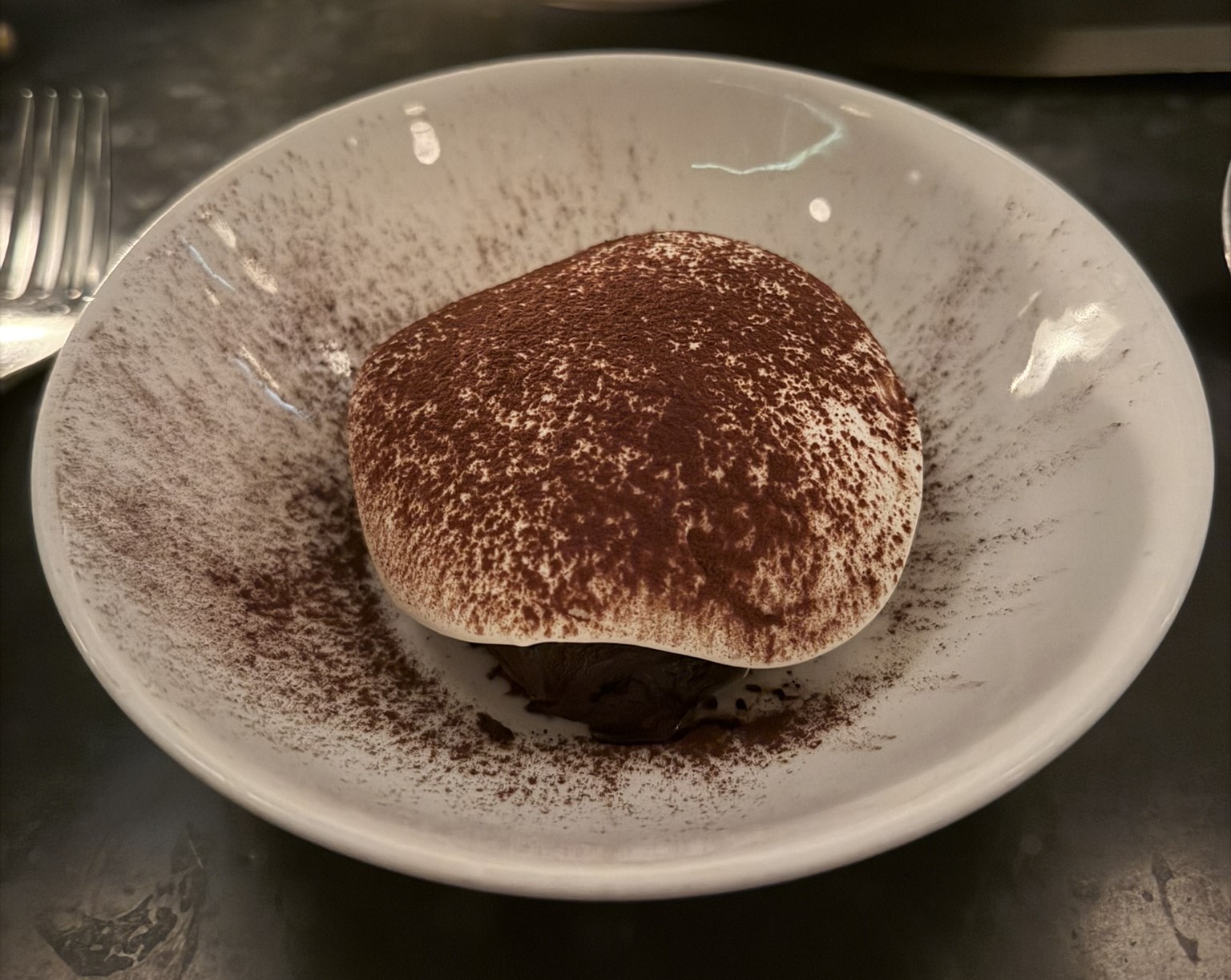
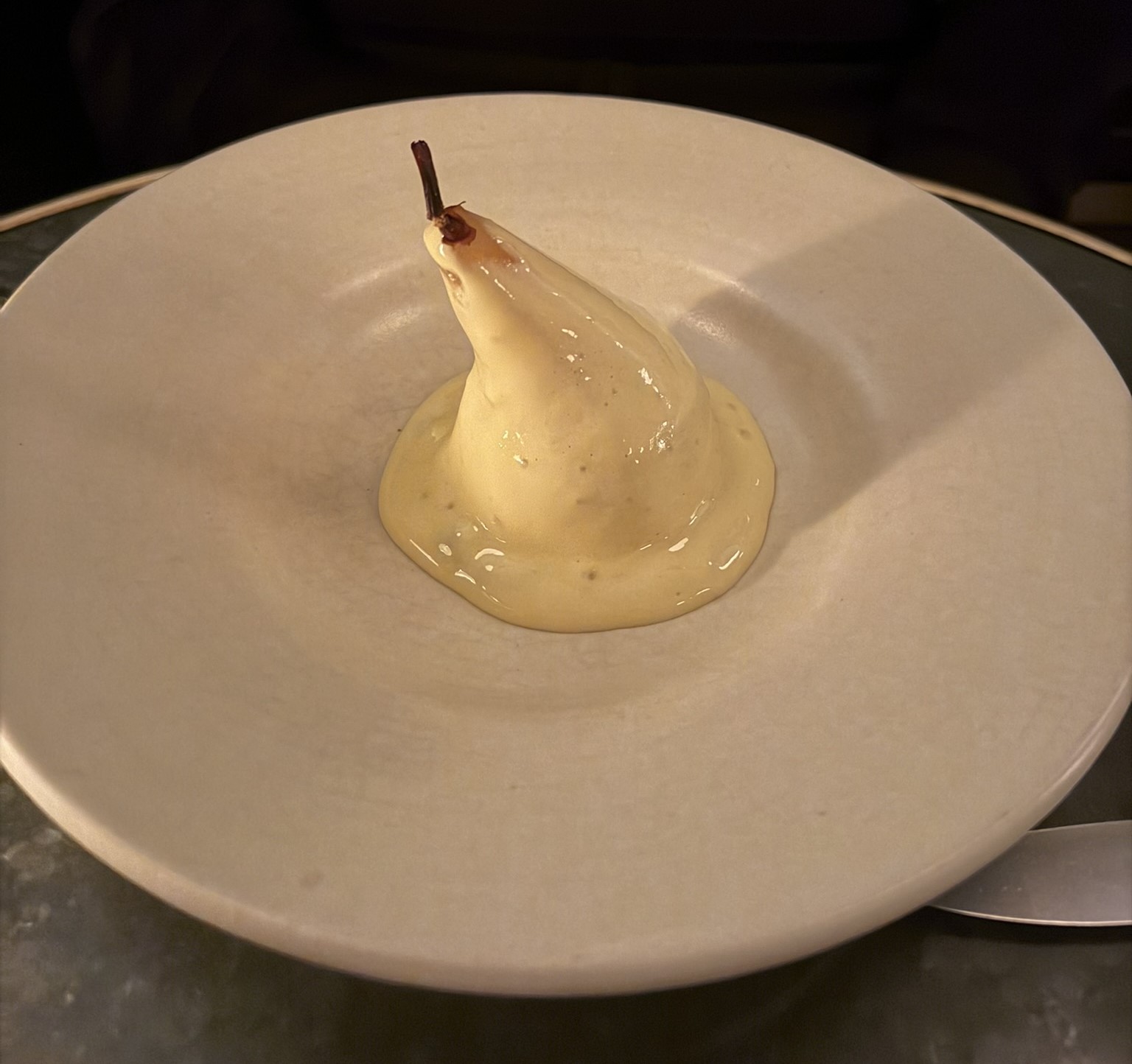
For dessert, we sampled two offerings. The Chocolate cake with sesame ganache and cream was deeply decadent—rich, dense, and thoroughly indulgent.In contrast, the Poached pear with pistachio and sobayon leaned lighter, with natural fruit sweetness complemented by a silky custard-like sabayon and a nutty pistachio finish.

Dining as a pair allowed us to experience a broad cross-section of the menu. The cooking at Estela is deceptively simple in appearance but layered in technique and thought. Each dish feels restrained yet complex, with a clear focus on flavor. Overall, the meal was cohesive, creative, and thoroughly enjoyable.

Service matched the tone of the restaurant—casual yet polished. Our server was warm, personable, and attentive, offering clear explanations of each dish with genuine enthusiasm.

For dinner for two, including two glasses of wine each, the total came to just over $400 with tax and gratuity. While certainly on the pricier side, the quantity and quality of the eight dishes we shared left us fully satisfied.

Bistronomy, at its best, offers the luxury of exceptional cooking without the weight of occasion. There are nights when one craves food of fine dining caliber without the ceremony, and Estela delivers precisely that. It’s a reminder of why New York City remains one of the best places in the world to dine.

Casa Mono *

Casa Mono
52 Irving Pl,
New York, NY 10003
(212) 253-2773
Official Site

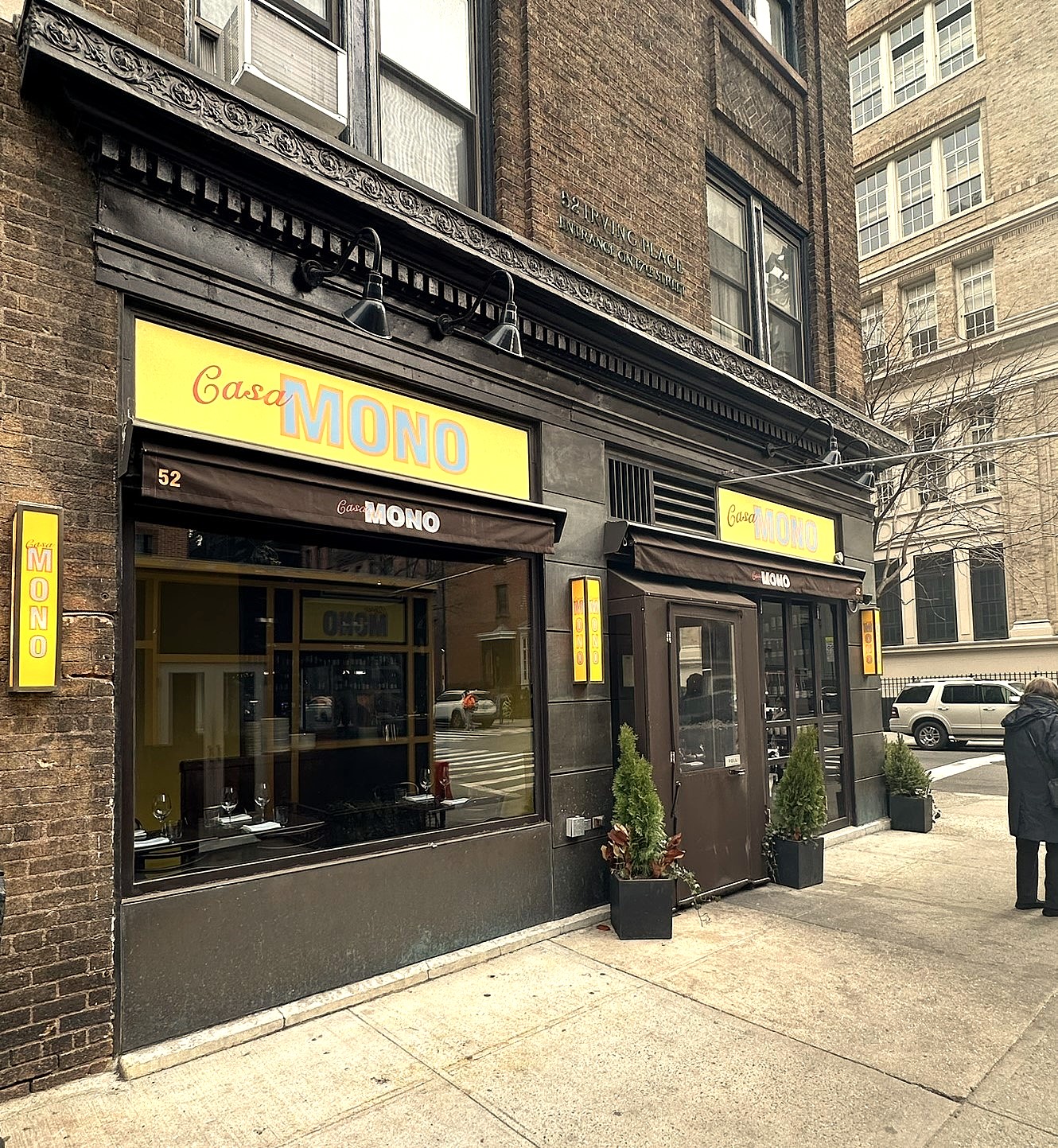
For more than twenty years, the Spanish restaurant Casa Mono has been a fixture of Gramercy Park, just a stone’s throw from the bustling Union Square Market. The restaurant is part of the B&B Hospitality Group, owned by celebrity restaurateur Joe Bastianich. From day one, Chef and patron Andy Nusser has been at the helm. Chef Nusser, who also served as the opening chef at Babbo—the group’s flagship restaurant in the West Village—launched Casa Mono in 1994. Under his leadership, the restaurant has consistently held a Michelin star since 2010 and earned a prestigious three-star review from The New York Times.

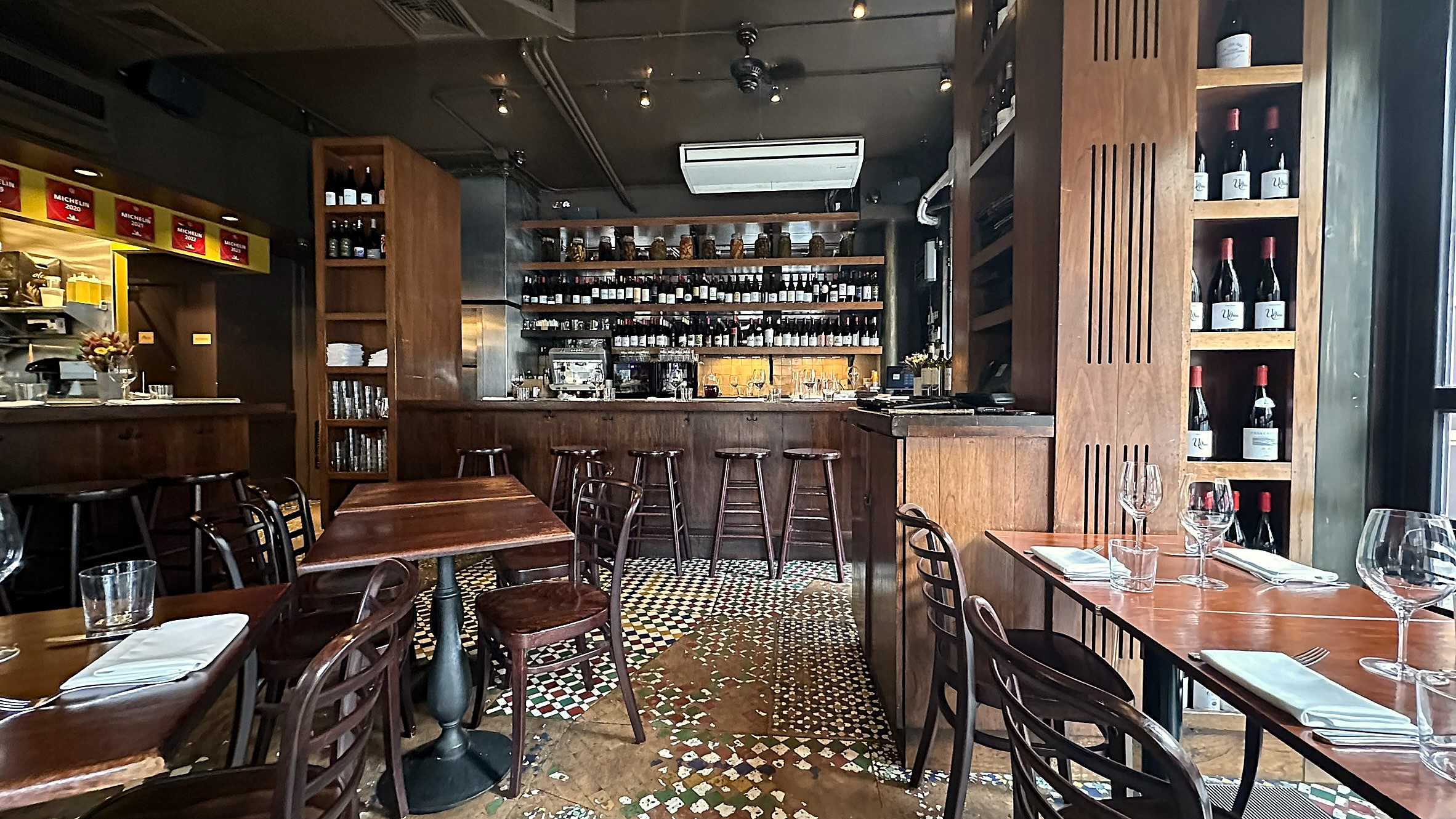
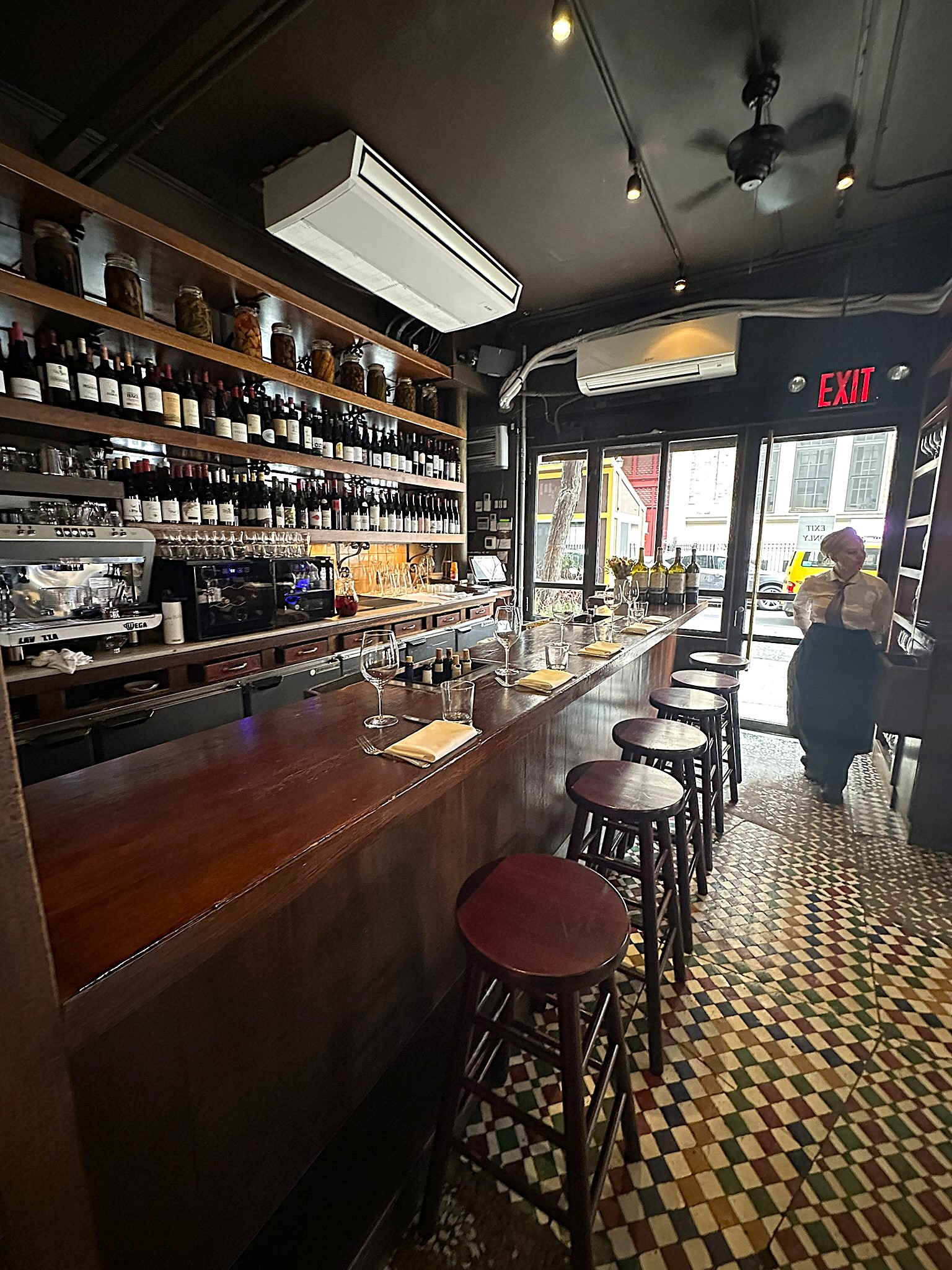
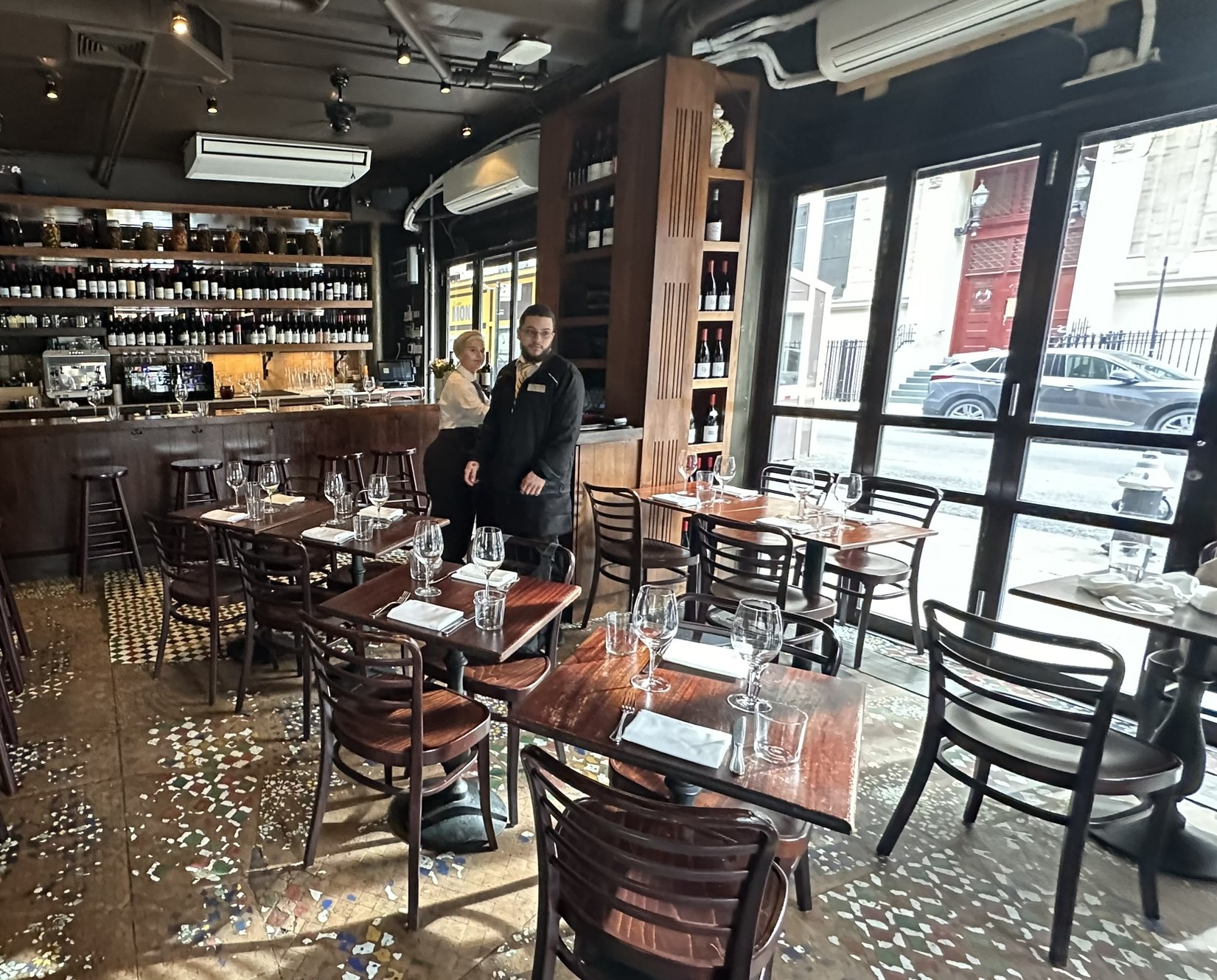
Casa Mono’s space is small and lively, featuring an open kitchen, closely arranged tables, and floor-to-ceiling windows that open to the street on nice days. A bar offers additional seating, while wine-lined walls and mosaic tile floors create a warm, Spanish-inspired setting. It can get noisy when crowded, but the energetic vibe only adds to its charm.

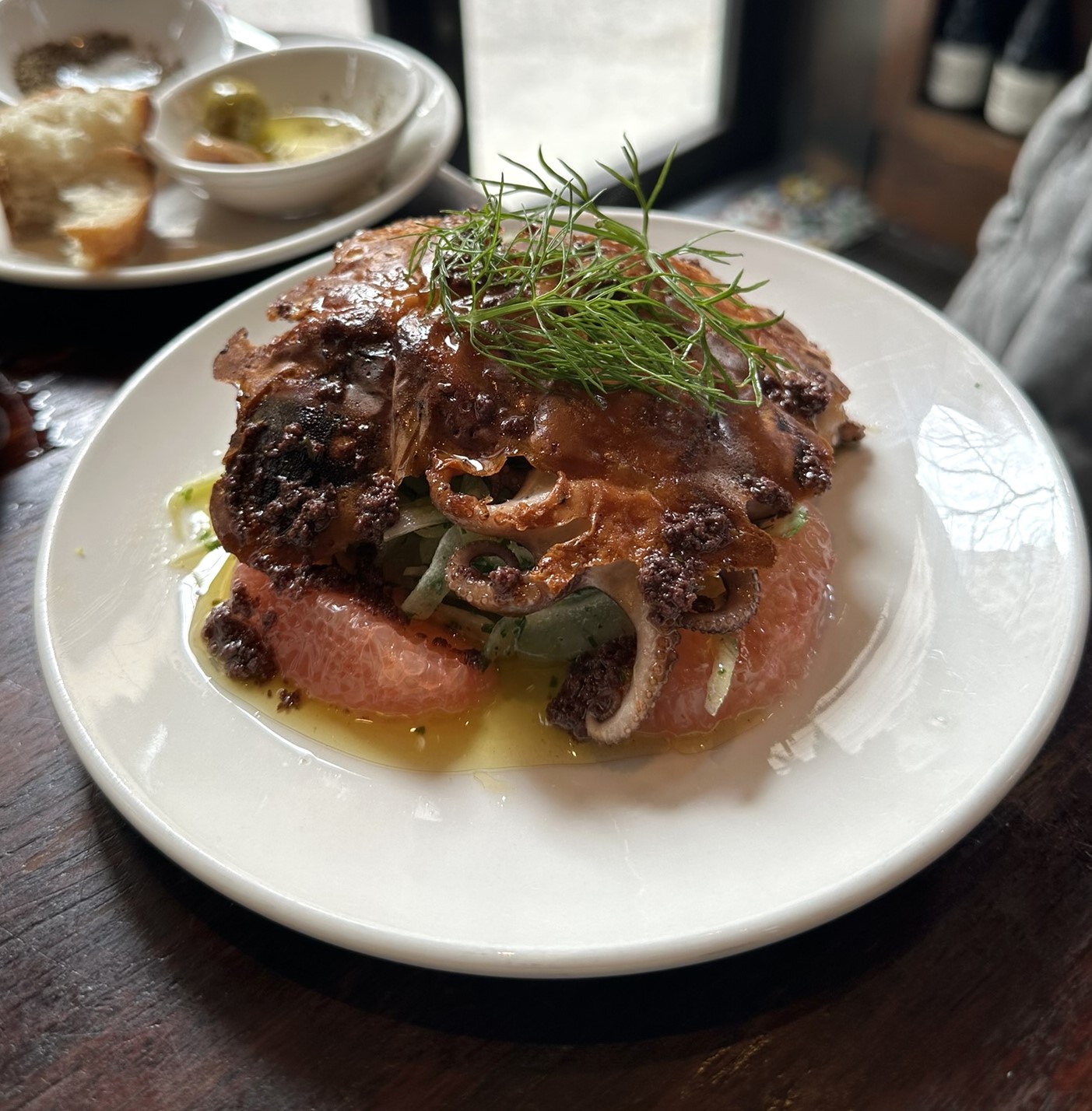
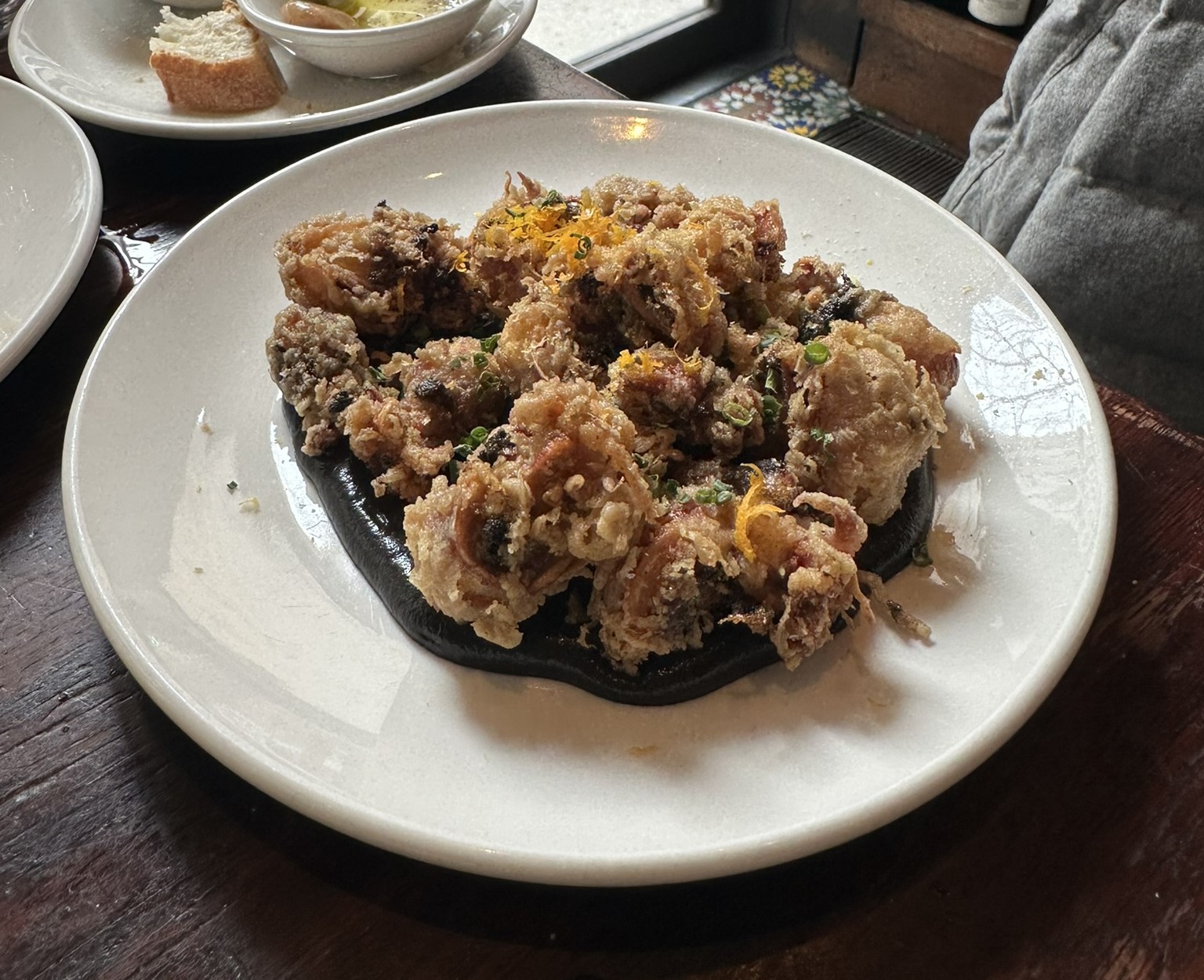
Casa Mono offers a single menu for both lunch and dinner, with a selection that is extensive yet not overwhelming. The Pulpo – fennel, grapefruit, and olive tapenade was a standout. The baby octopus was both crispy and tender, with the grapefruit adding a bright, bitter zest, while the olive tapenade contributed a briny depth. The Chopitos – smoked eggplant and squid ink featuring expertly fried cuttlefish, offered a delightful contrast of textures, with a crispy exterior and a rich, smoky undertone, balanced by the deep maritime essence of the squid ink sauce.

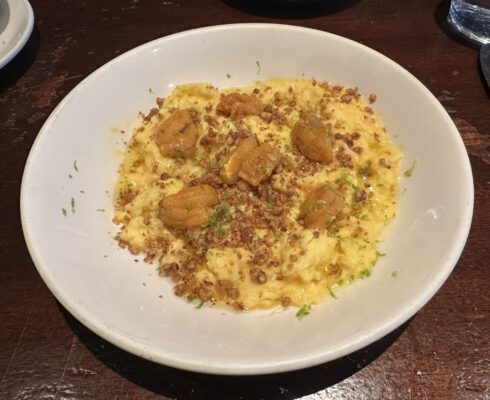
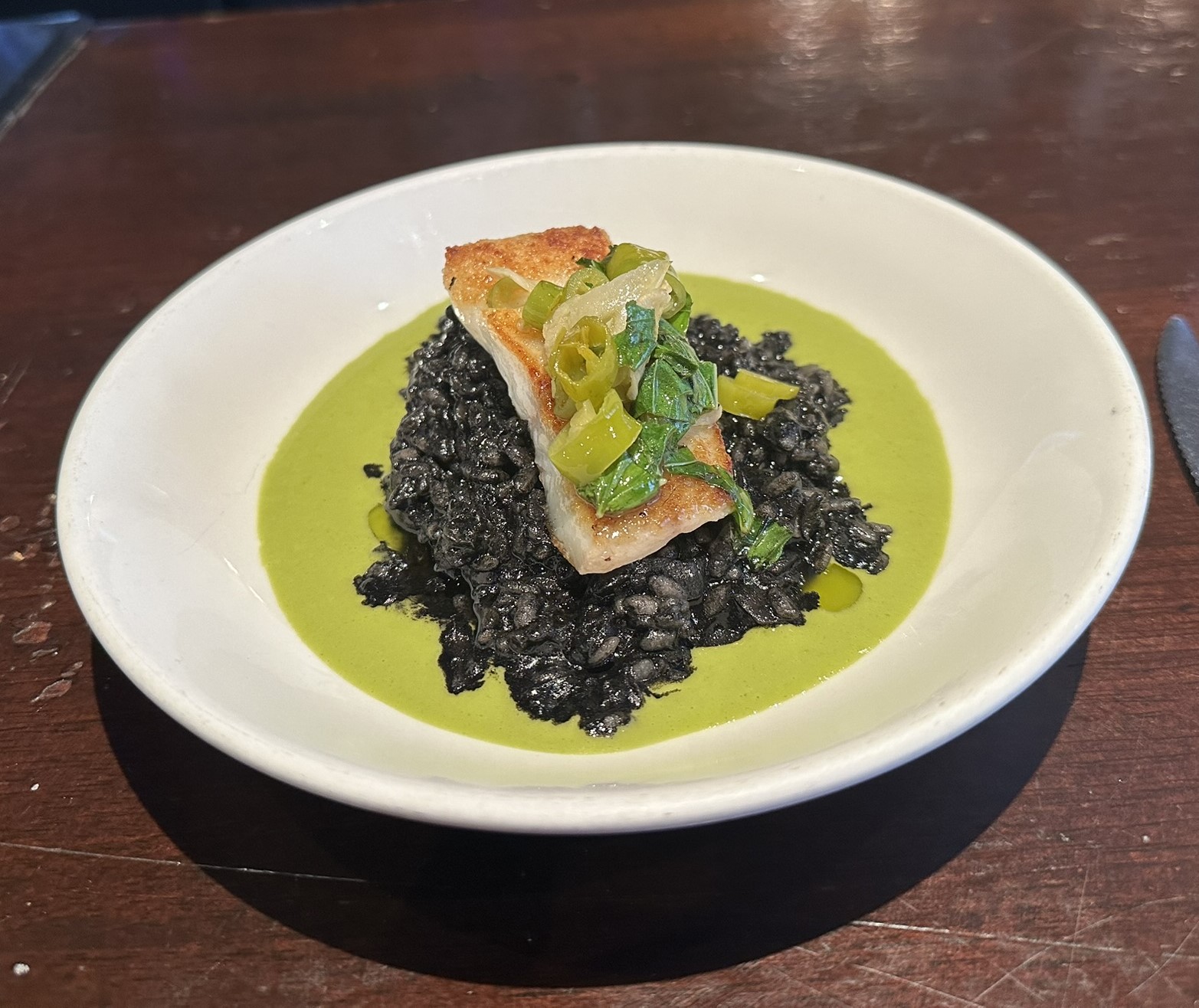
The Creamy Eggs – sea urchin, walnuts, and ancient anchovy oil, were executed flawlessly. The eggs had a silky consistency, enriched by the sweet brininess of the sea urchin. Another highlight was the Arroz Negro – fluke a la plancha and piparra emulsion. The fluke was delicate yet firm, resting atop squid ink rice and a vibrant lime basil sauce that married acidity, herbal freshness, and a hint of vegetal bitterness, complementing the dish beautifully.

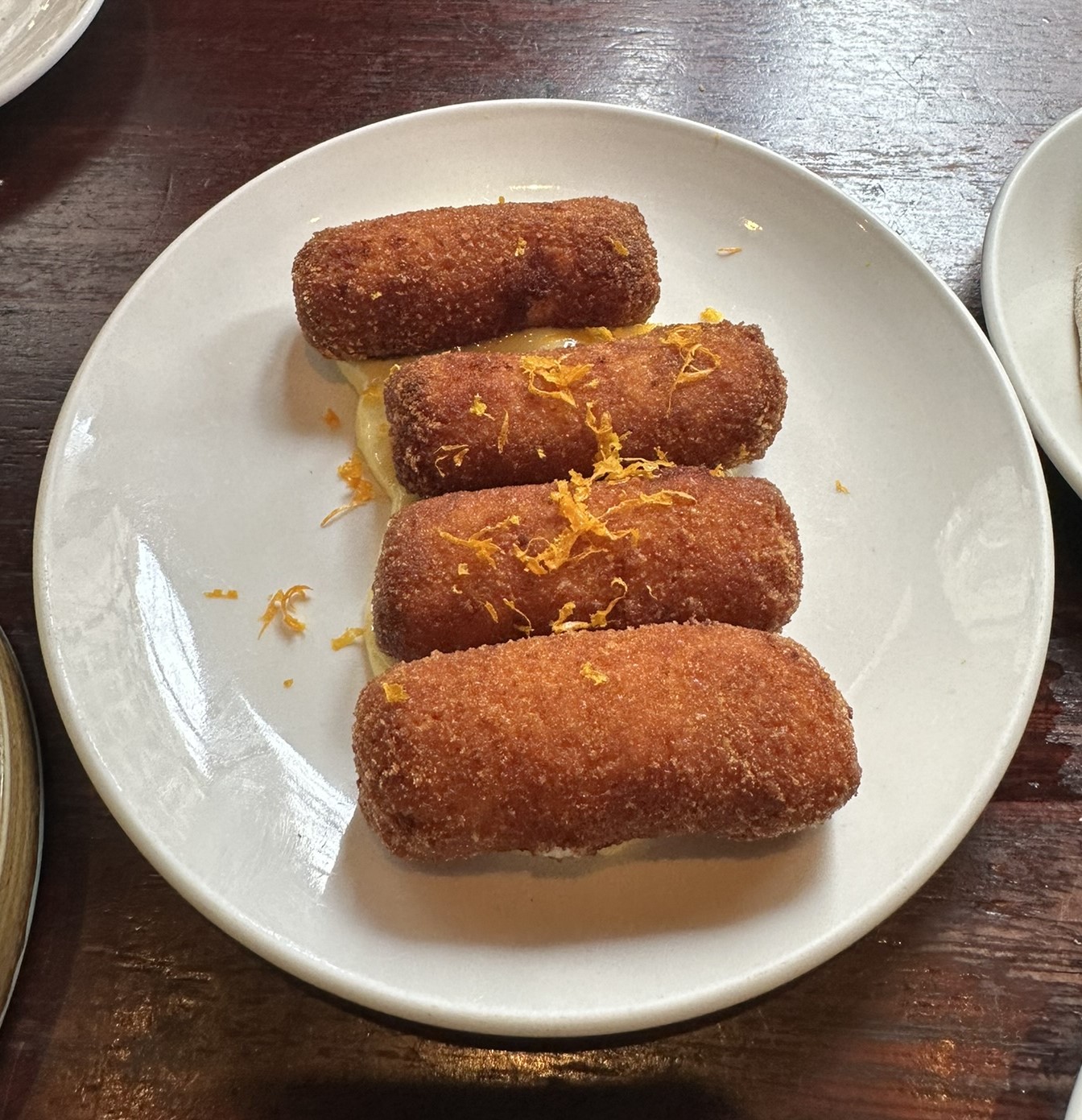
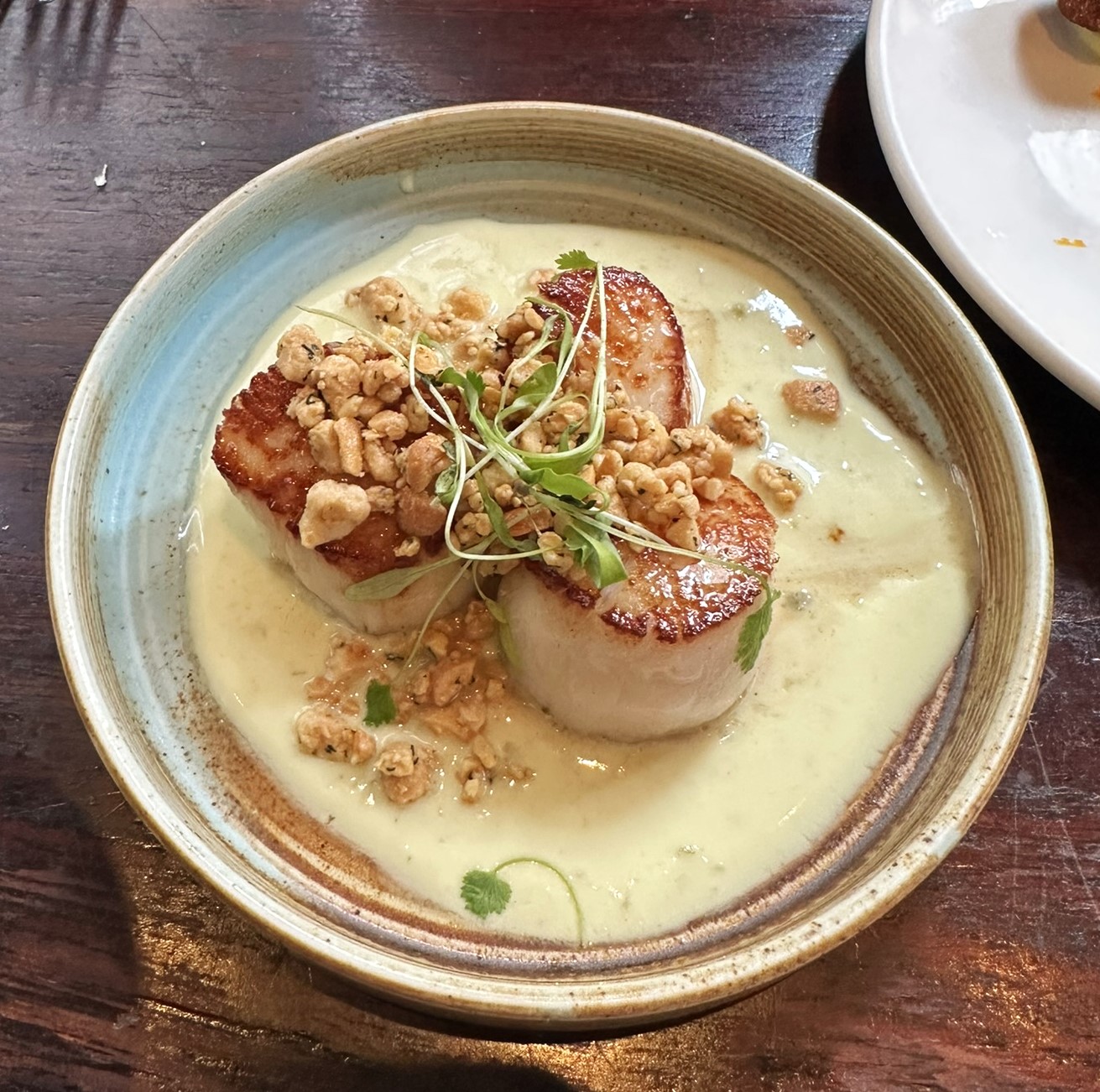
The Bacalao Croquetas – orange aioli and orange zest offered a classic Spanish tapa with a refined twist. The crisp exterior gave way to a perfectly seasoned, salty interior, with the citrusy aioli providing a bright counterpoint. The Scallops – serrano pepper curry and minted cashews were wonderful. Their natural sweetness was layered with a subtly spiced curry sauce, while the cashews added texture and depth.

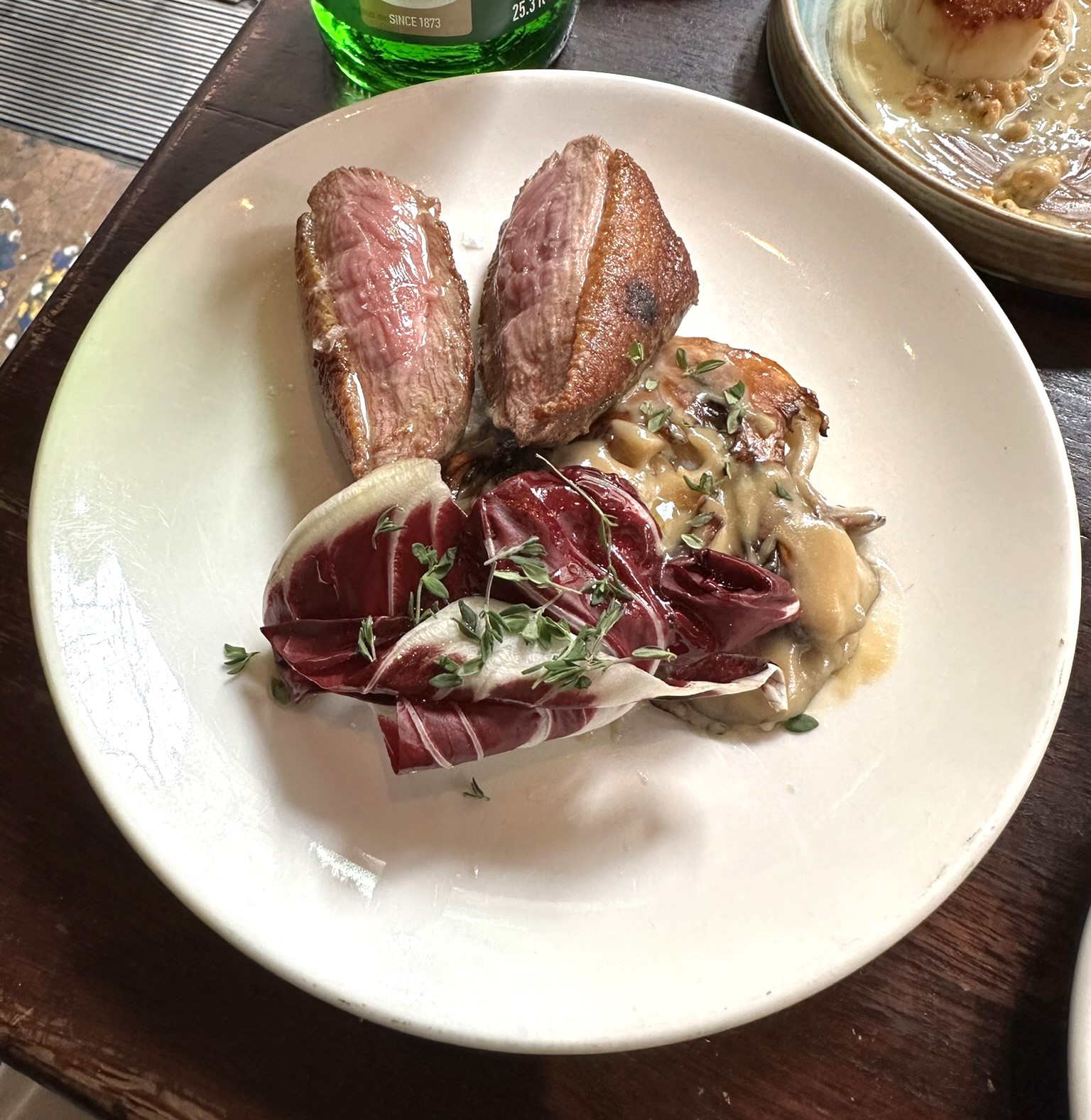
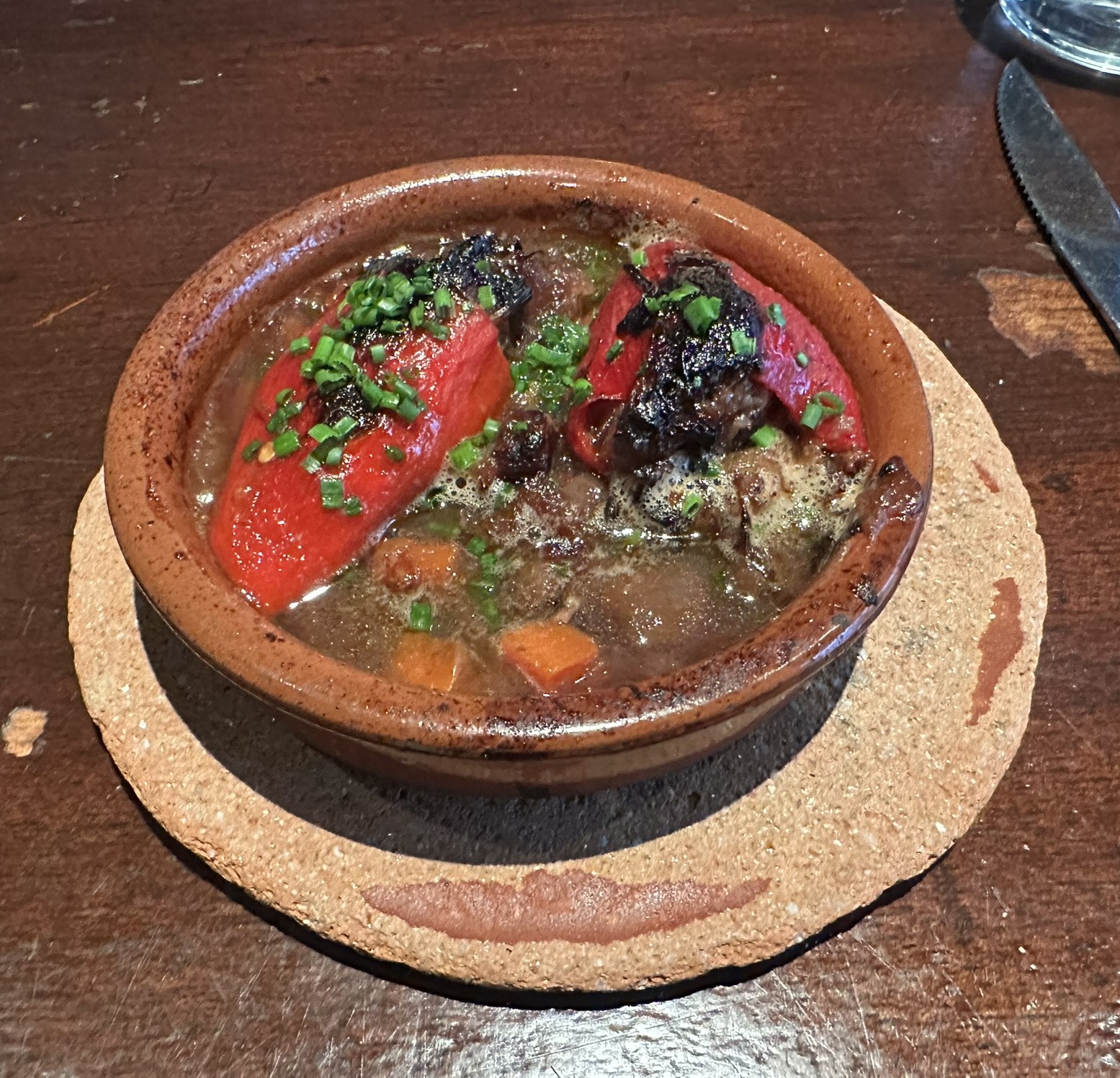
For something heartier the Duck Breast – maitake mushrooms and miel de Jerez, was impeccably cooked. The skin was crisp, the meat succulent, and the sauce carried a delicate sweetness, balanced by earthy undertones. The Braised Oxtail-piquillo peppers was meltingly tender, falling off the bone with ease. Served piping hot, its robust flavors begged for extra bread to soak up every last drop of the sauce. If there was one drawback, it was the portion size, which leaned on the smaller side.

Casa Mono’s tapas offerings were consistently delightful. Each dish was thoughtfully composed, expertly cooked, and brimming with bold, inventive flavors. The menu struck a balance between classic Spanish staples and elevated interpretations, all best enjoyed with selections from the restaurant’s award-winning wine list, featuring an extensive range of Spanish vintages and locally sourced Spanish beers.

Service at Casa Mono was exemplary. The staff was warm, attentive, and effortlessly hospitable, their laid-back approach complementing the restaurant’s relaxed and vibrant atmosphere.

If there is any caveat to dining at Casa Mono, it is the price. The portions could be slightly more generous, and with servers recommending three to four dishes per person, the bill can quickly add up. However, for those willing to indulge, the experience is well worth the cost.

Longevity is rare in the ever-changing landscape of New York City’s dining scene, where even the most celebrated restaurants can shutter within months. Casa Mono has defied the odds, thriving for over two decades while maintaining a standard of excellence that cements its status as one of the city’s premier Spanish dining destinations. Its legacy endures, and its success continues to this day.

Chambers

Chambers
94 Chambers St #1,
New York, NY 10007
(212) 580-3572
Official Site

Racine, a wine bar in Tribeca, had been on my list of places to visit, but unfortunately, it closed before I had the chance. The closure followed the departure of the former chef, who left to prioritize his family. Rather than continuing Racine, the owners chose to renovate and launch a new concept, rebranding it as Chambers.

Much of the original team remains, including the distinguished master sommelier Pascaline Lepeltier, who has stepped into the role of managing partner. Ms Lepeltier, known for her work at the Michelin-starred Rouge Tomate in New York City, brings her expertise to this new venture. Leading the kitchen is Executive Chef Jonathan Karis, formerly of the one-Michelin-starred Gramercy Tavern. Under his leadership, Chambers earned an impressive two-star review from The New York Times.

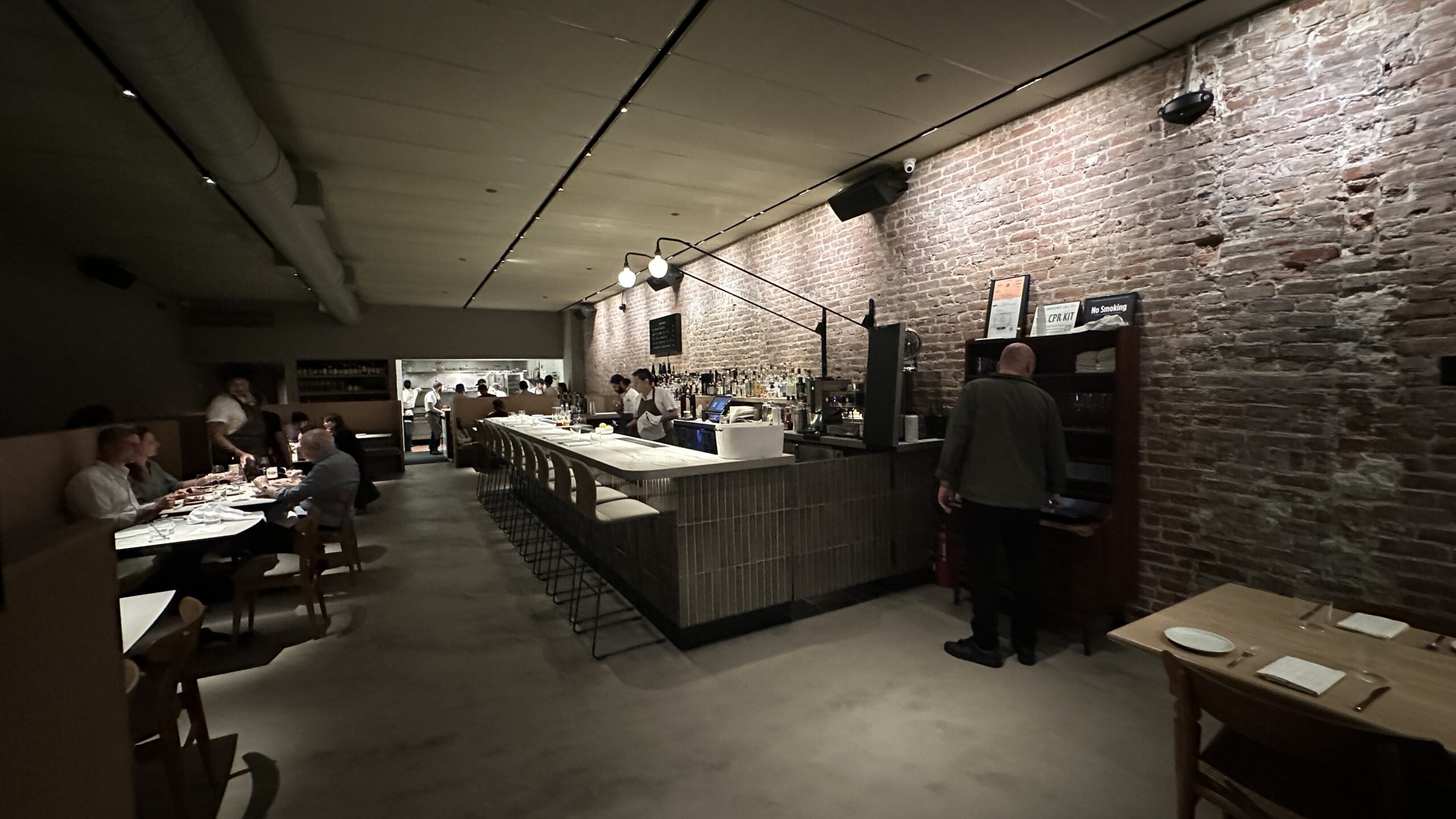
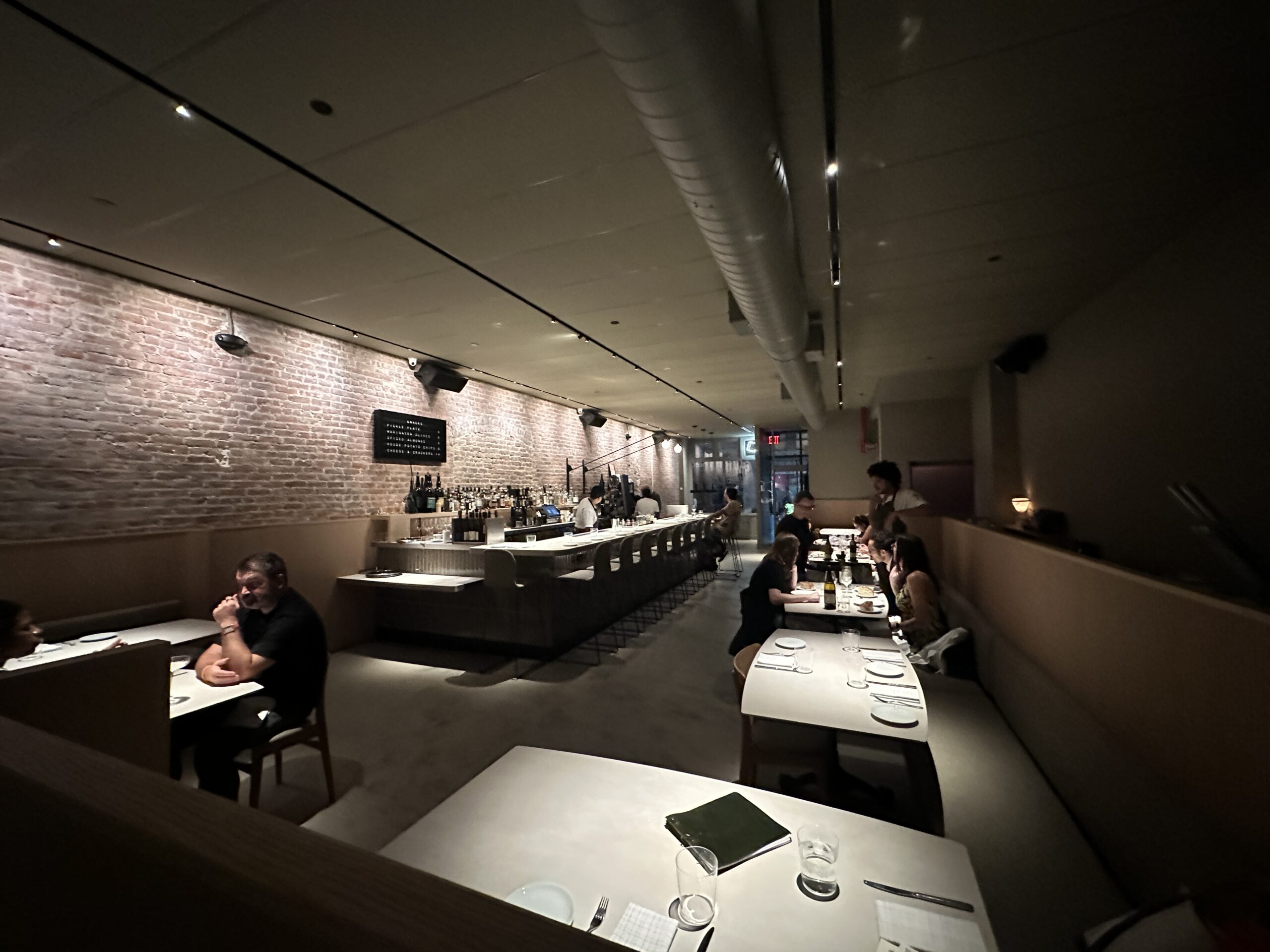
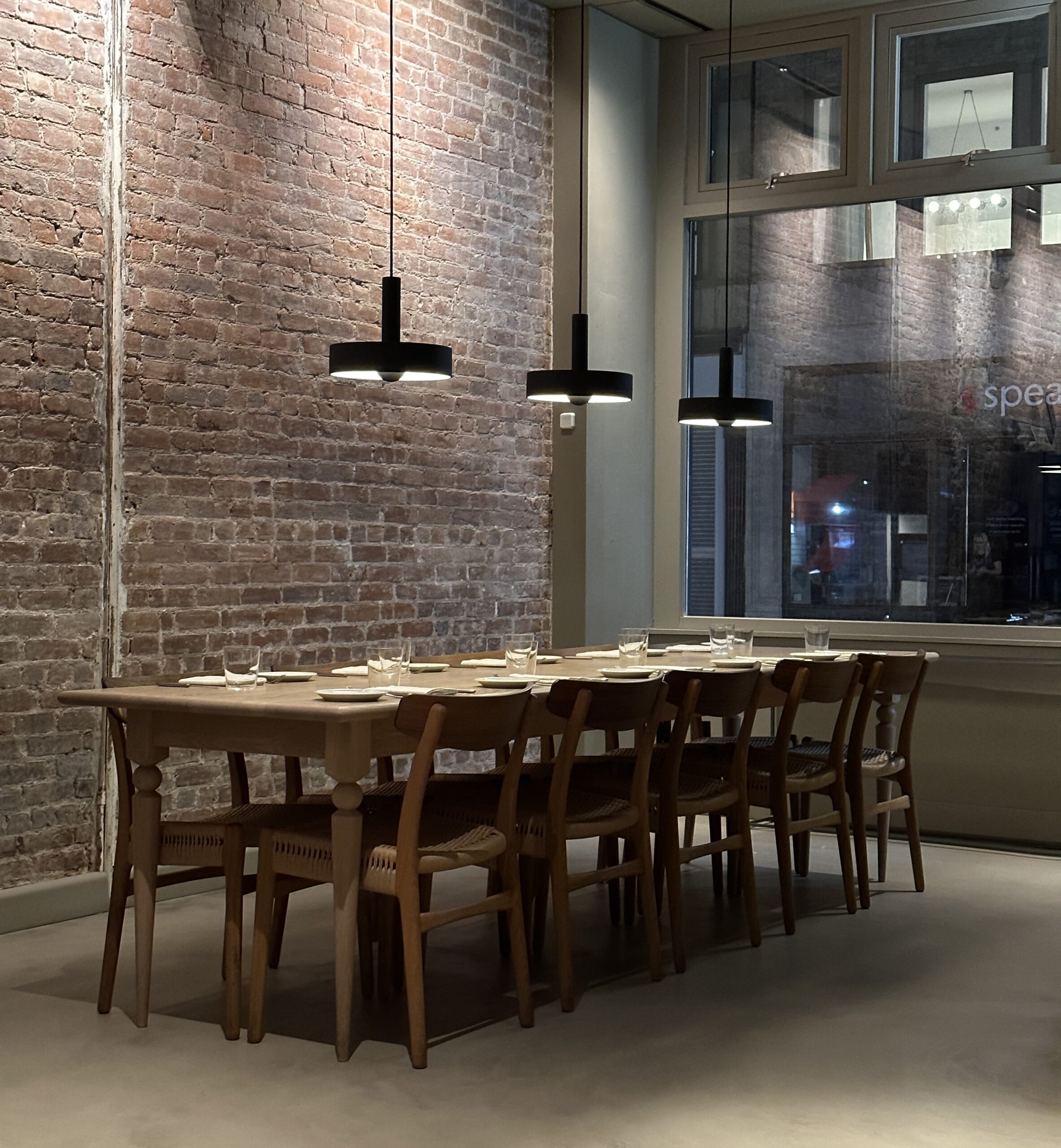
Chambers boasts an open, airy design. A bar runs alongside the dining tables, with a bench stretching the length of the restaurant, offering comfortable seating. There’s also counter seating that overlooks the open kitchen, as well as a communal table at the front, encouraging diners to enjoy their meals in a variety of settings. The decor is minimalist, with exposed red brick walls and unfinished concrete floors, giving the space a clean, understated elegance.

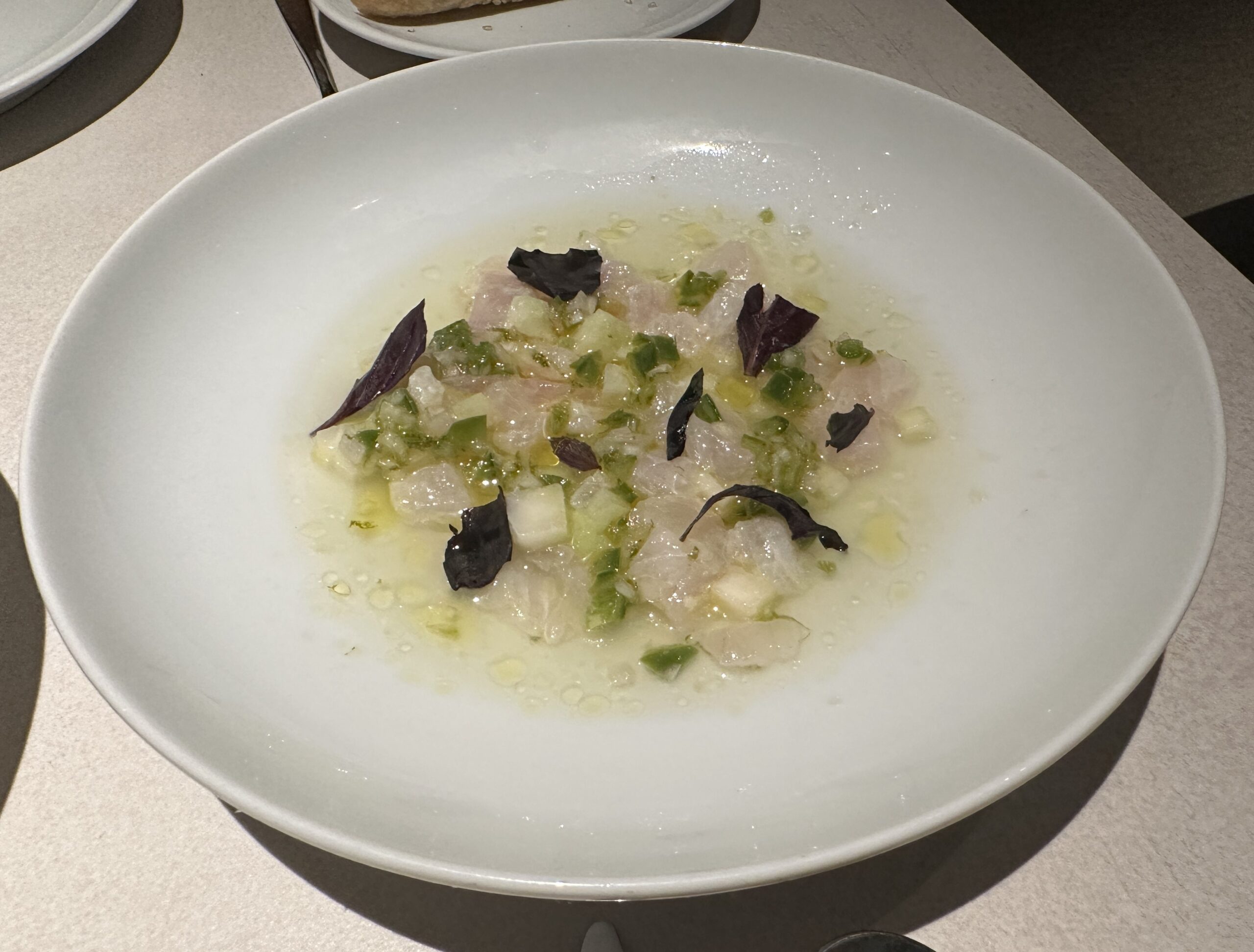
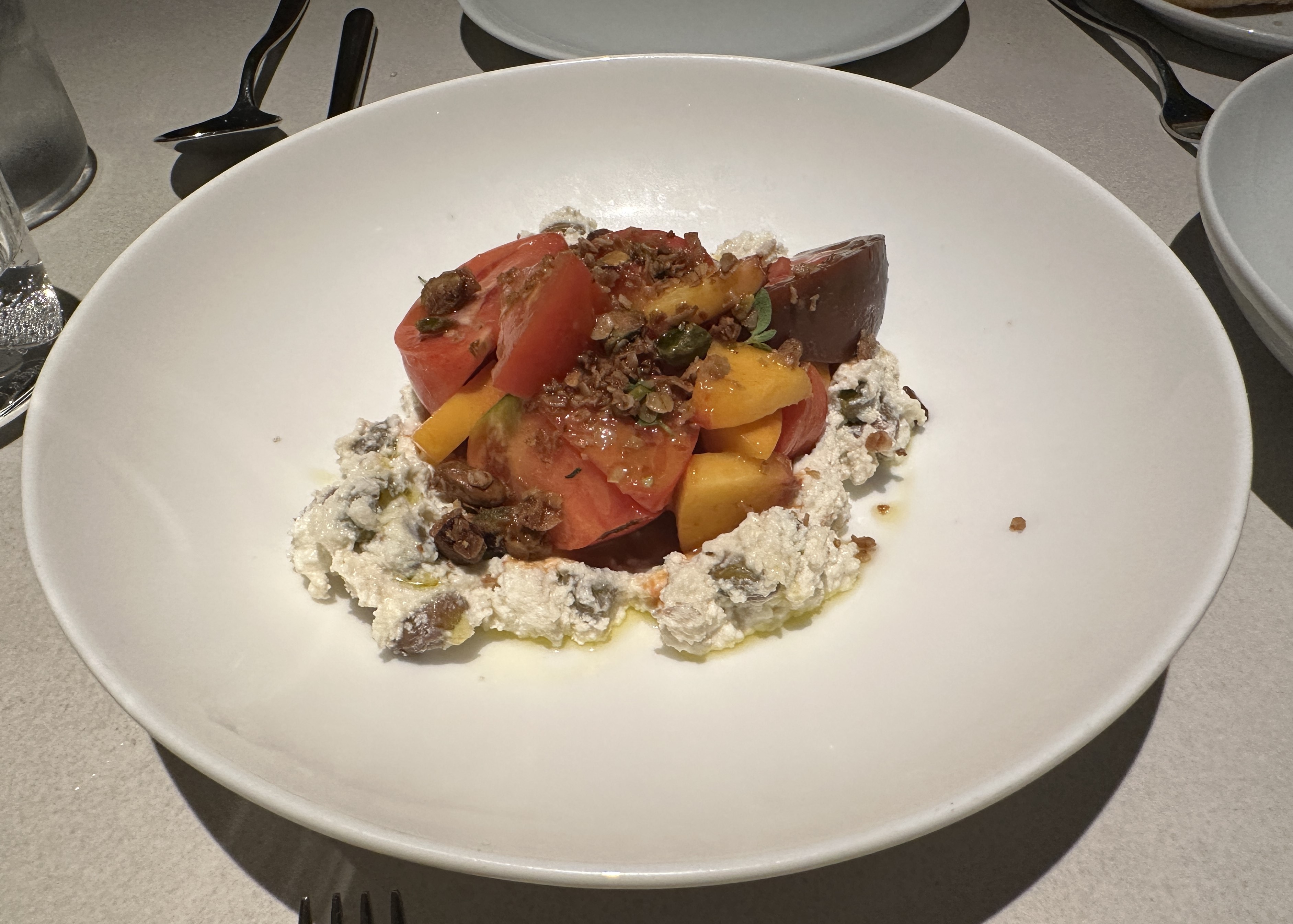
The menu at Chambers is à la carte, divided into starters, entrées, and desserts, with about five dishes in each category. Dining here with my wife, we were able to share and sample a variety of dishes. Among the appetizers we tried was the fluke-kohibari, jalapeño. This dish was delicate, with a bright citrus presence and a lingering spiciness that pleasantly lingered on the palate. The heirloom tomatoes-stone fruits,pistachio ricotta were light and refreshingly vibrant. The richness of the ricotta perfectly subdued the acidity of the tomatoes, a combination that was brilliantly executed.

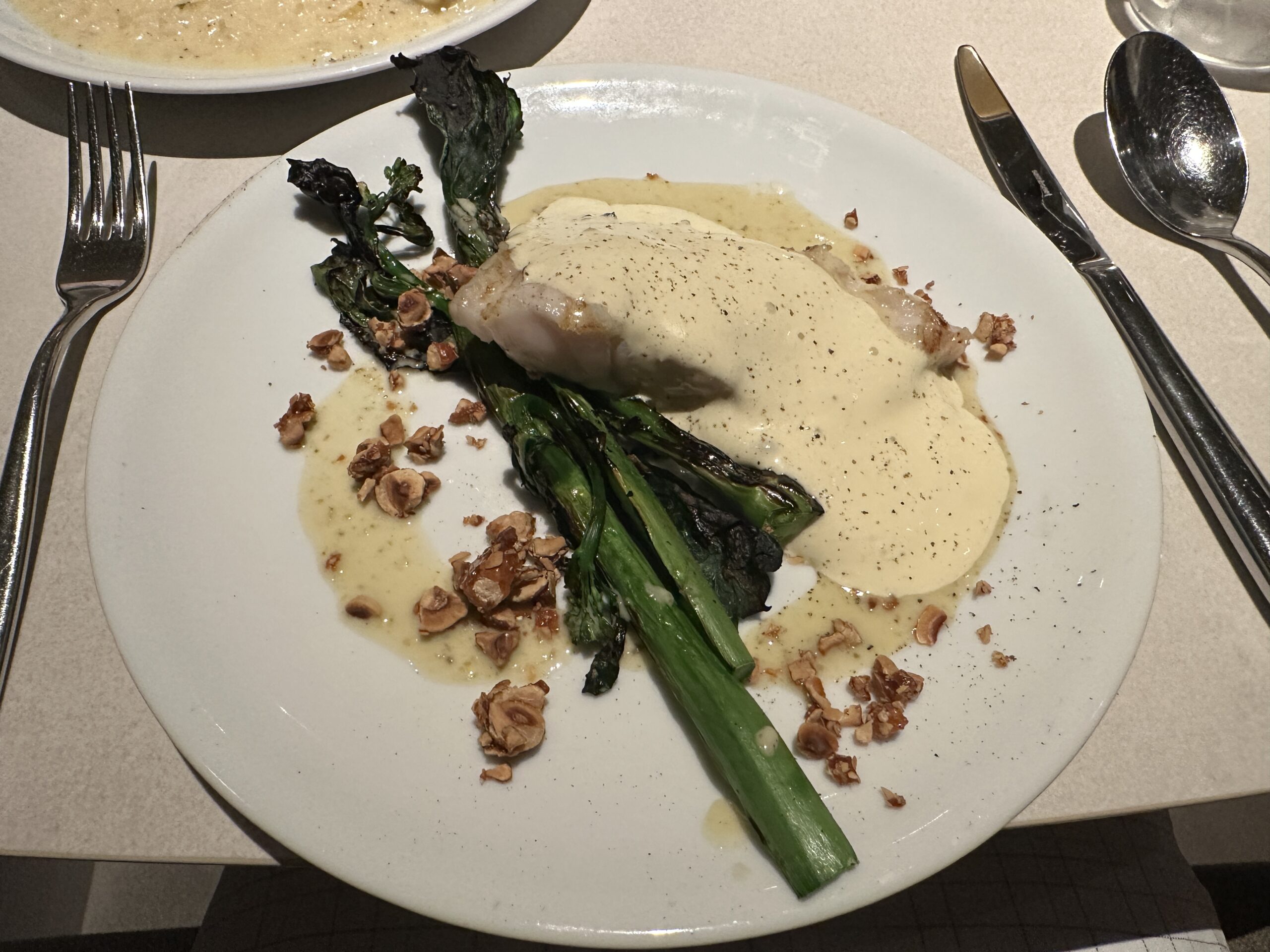
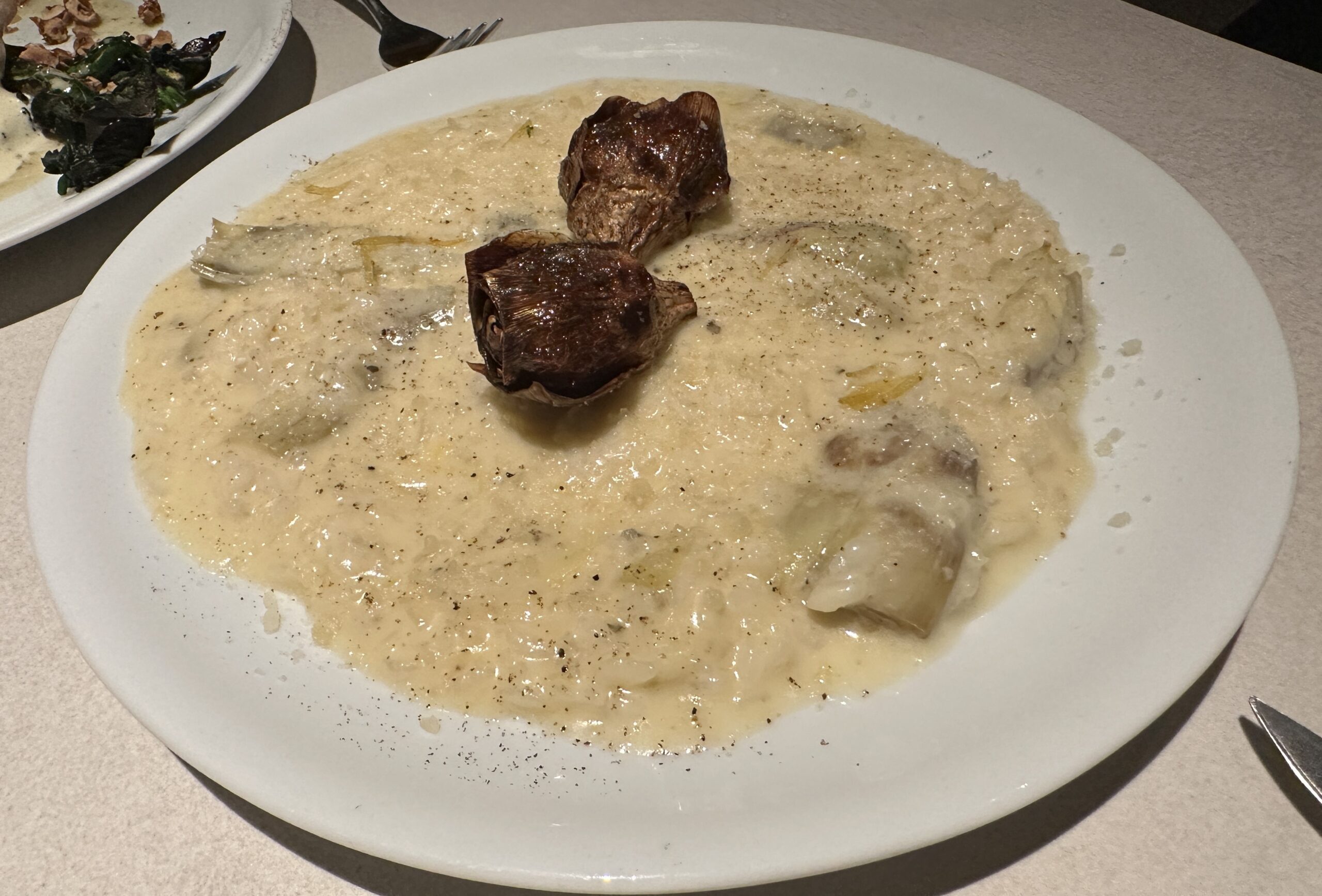
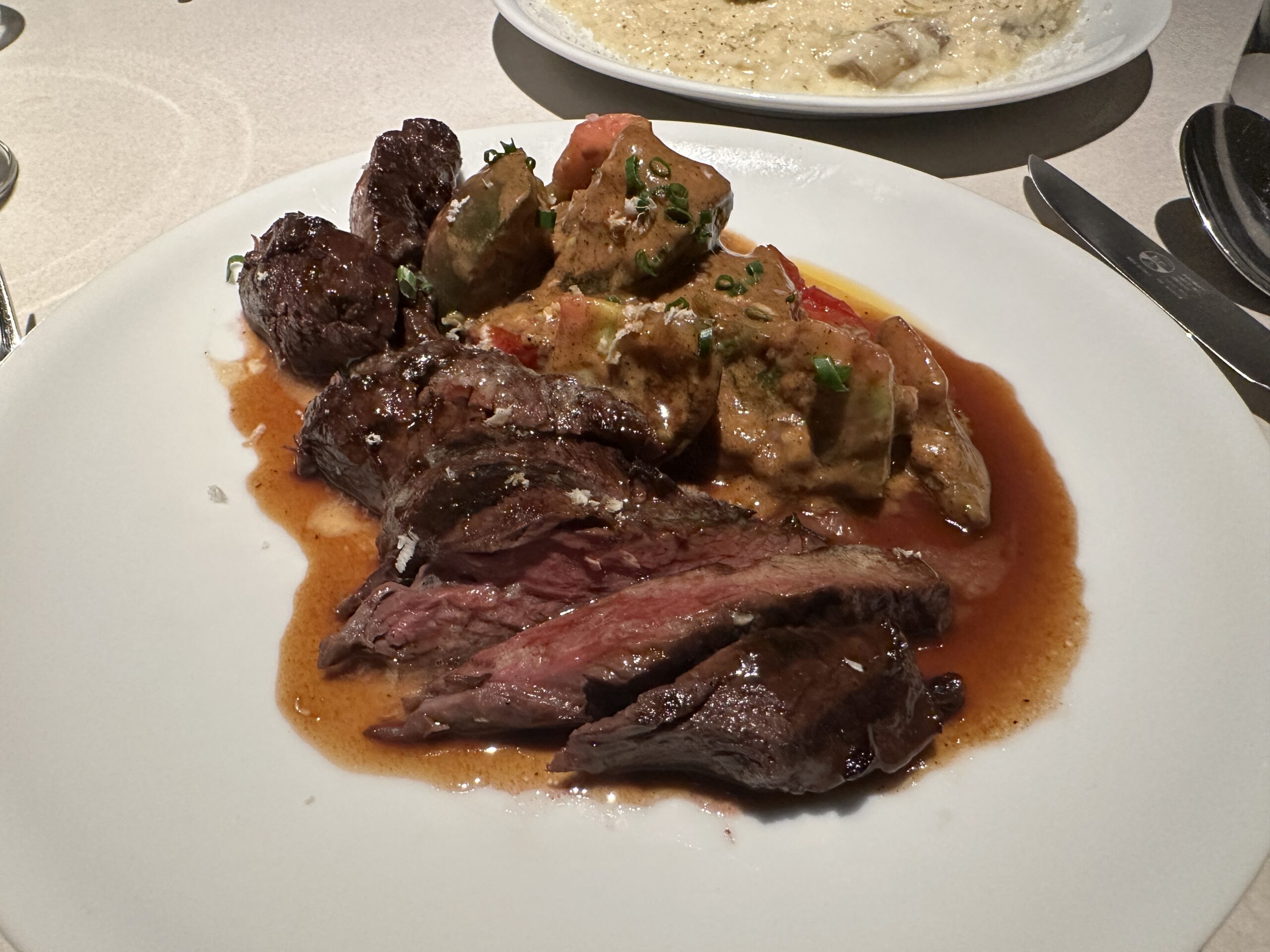
For entrées, we had the tilefish-broccolini, yuzu, hazelnuts. The fish was elegantly prepared, firm yet tender, and complemented by a citrusy cream sauce that enhanced its flavor. The slight bitterness of the broccolini added a pleasant contrast to the dish. We also shared the vialone nano risotto- artichoke, lemon confit, parmesan. This dish struck the perfect balance of richness, salt, and tang—an exceptional offering that we thoroughly enjoyed. The hanger steak-heirloom tomatoes, horseradish, steak sauce, while a bit messy in appearance, was cooked to perfection. The meat was beautifully pink and succulent, with the steak sauce adding a subtle spiciness that elevated the dish.

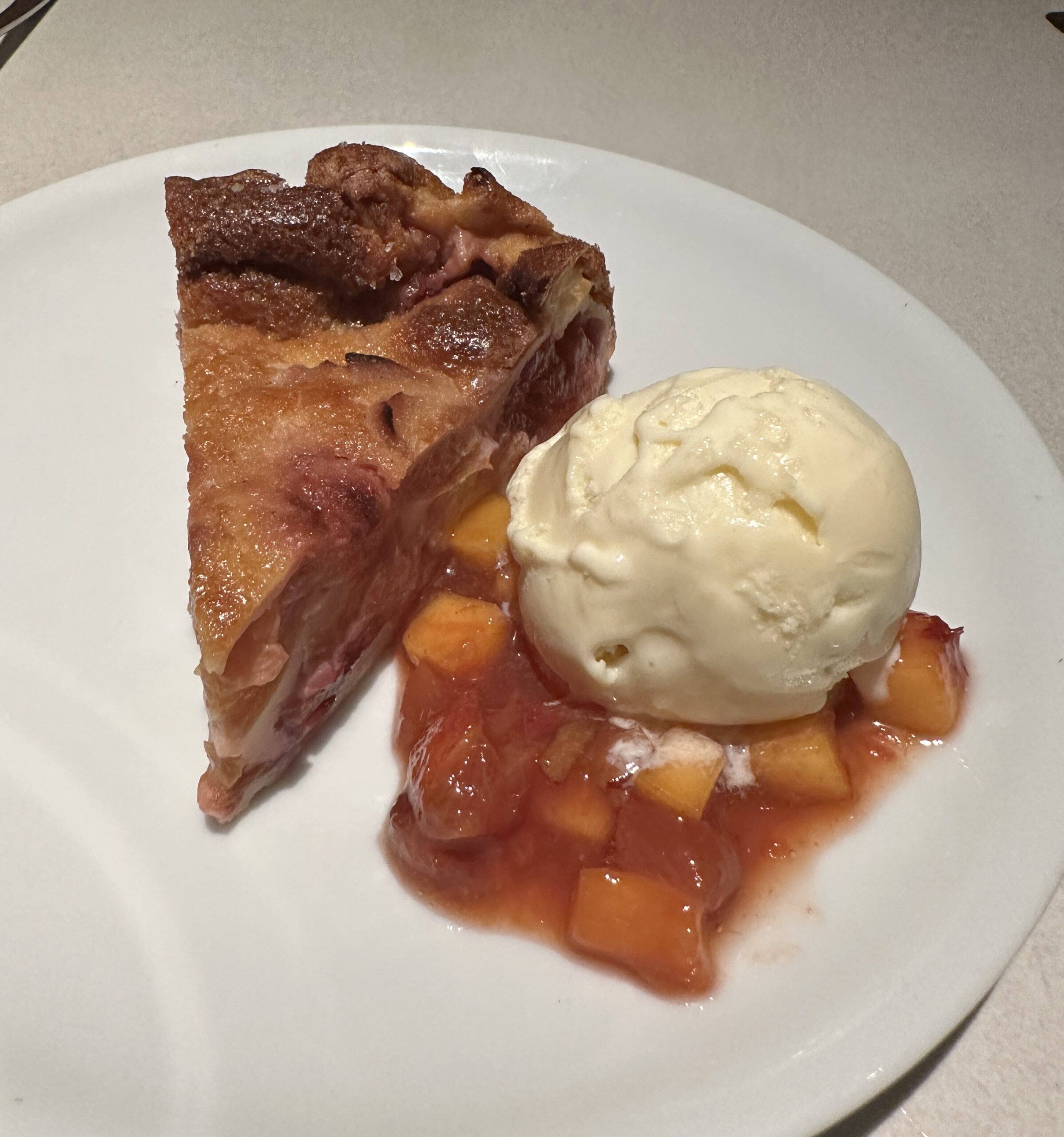
Our server recommended the peaches & pluots-clafoutis, almond ice cream for dessert. The tart, made with pluot (a cross between plums and apricots) offered a fruity sweetness, perfectly complemented by a peach compote that bordered on sugary. The almond ice cream added a smooth, nutty contrast, gently tempering the sweetness for a balanced and satisfying finish.

Dinner here was thoroughly enjoyable. The food was thoughtfully composed, with layers of complexity and an exceptional blend of flavors. While the presentation could be more refined, the remarkable taste more than made up for it. The portion sizes were ideal, leaving us fully satisfied without feeling overly heavy. One of the best aspects of dining at Chambers is the price—a dinner for two can be enjoyed for around $200.

The wine list, curated by Ms Lepeltier, is vast and expertly selected. French and European wines are well-represented, alongside an impressive selection of U.S. wines, including many from the local Finger Lakes region. The inclusion of Japanese wines is a pleasant surprise, reflecting the global reach of the list, which spans almost every wine-producing region in the world. Chambers places a clear emphasis on wine as the star attraction.

The service was relaxed, in keeping with the restaurant’s laid-back, neighborhood vibe. The staff was attentive and genuine, contributing to the overall warm atmosphere.

Chambers is more of a wine bar than a traditional restaurant, and unlike many other wine bars in New York City, where the food takes center stage, here it’s the wine that shines. The food, however, is some of the most flavorful and intriguing I’ve had in recent memory. There is much to love about Chambers, and while it’s currently listed in the Michelin guide, I wouldn’t be surprised if it earns a star in the near future.

Dirt Candy *

Dirt Candy
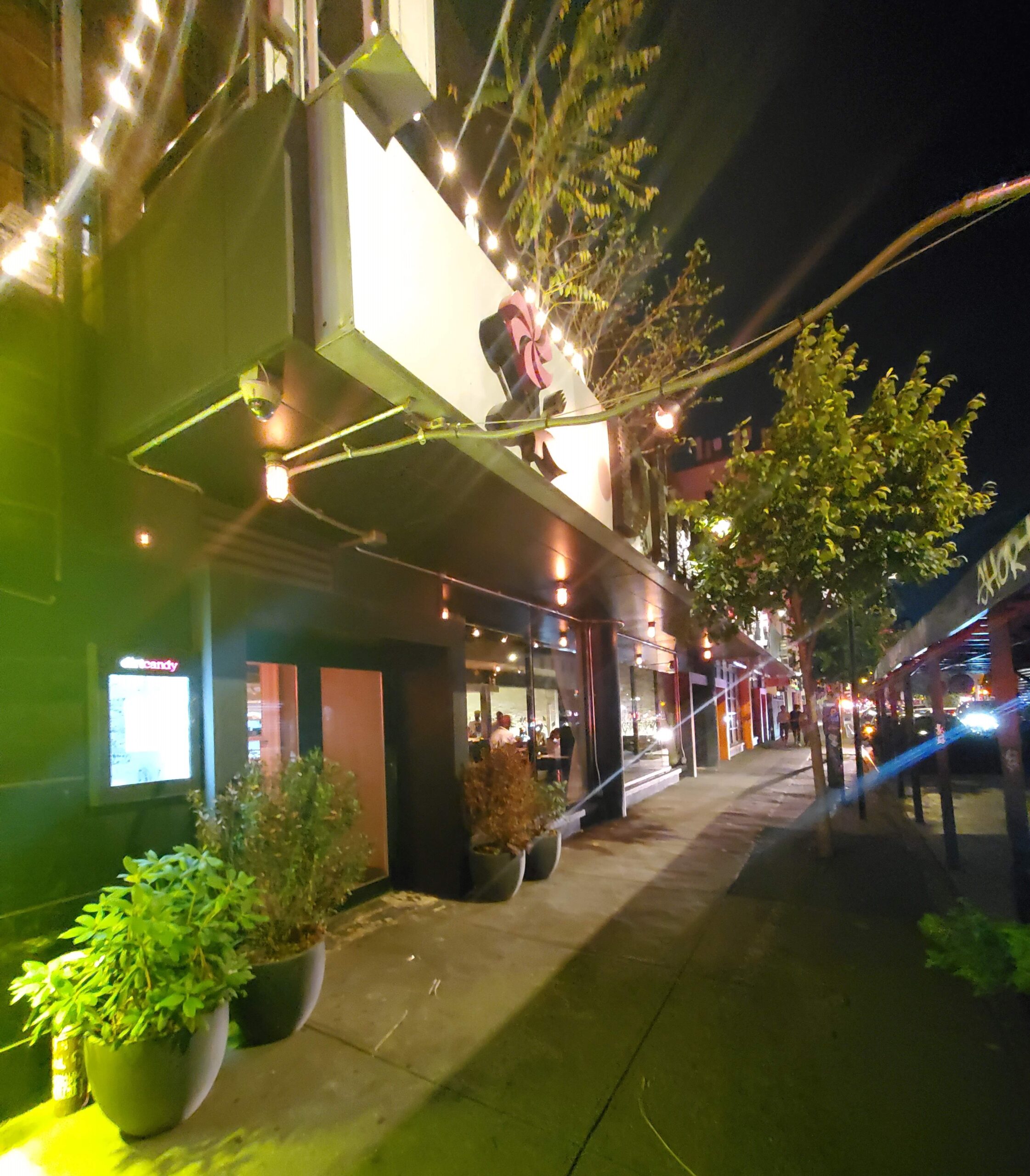
86 Allen Street
New York NY 10002
(212) 228-7732
Website

Finding vegetarian options in New York City these days is no longer the challenge it once was, thanks to the growing number of vegetarian and veggie-focused eateries that have cropped up in recent years. Among these, Dirt Candy stands out as the premier vegetarian restaurant in the city, having paved the way for vegetarian cuisine long before it gained widespread popularity.

Dirt Candy opened in 2008, in a tiny space in the East Village under the guidance of Chef and Owner Amanda Cohen. It quickly garnered attention, receiving a two-star review from the New York Times. In 2015, the restaurant moved to its current, more spacious location on Allen Street. In 2022, the Michelin Guide bestowed a well-deserved one-star rating upon Dirt Candy, making it the sole vegetarian restaurant in New York City to achieve such recognition.

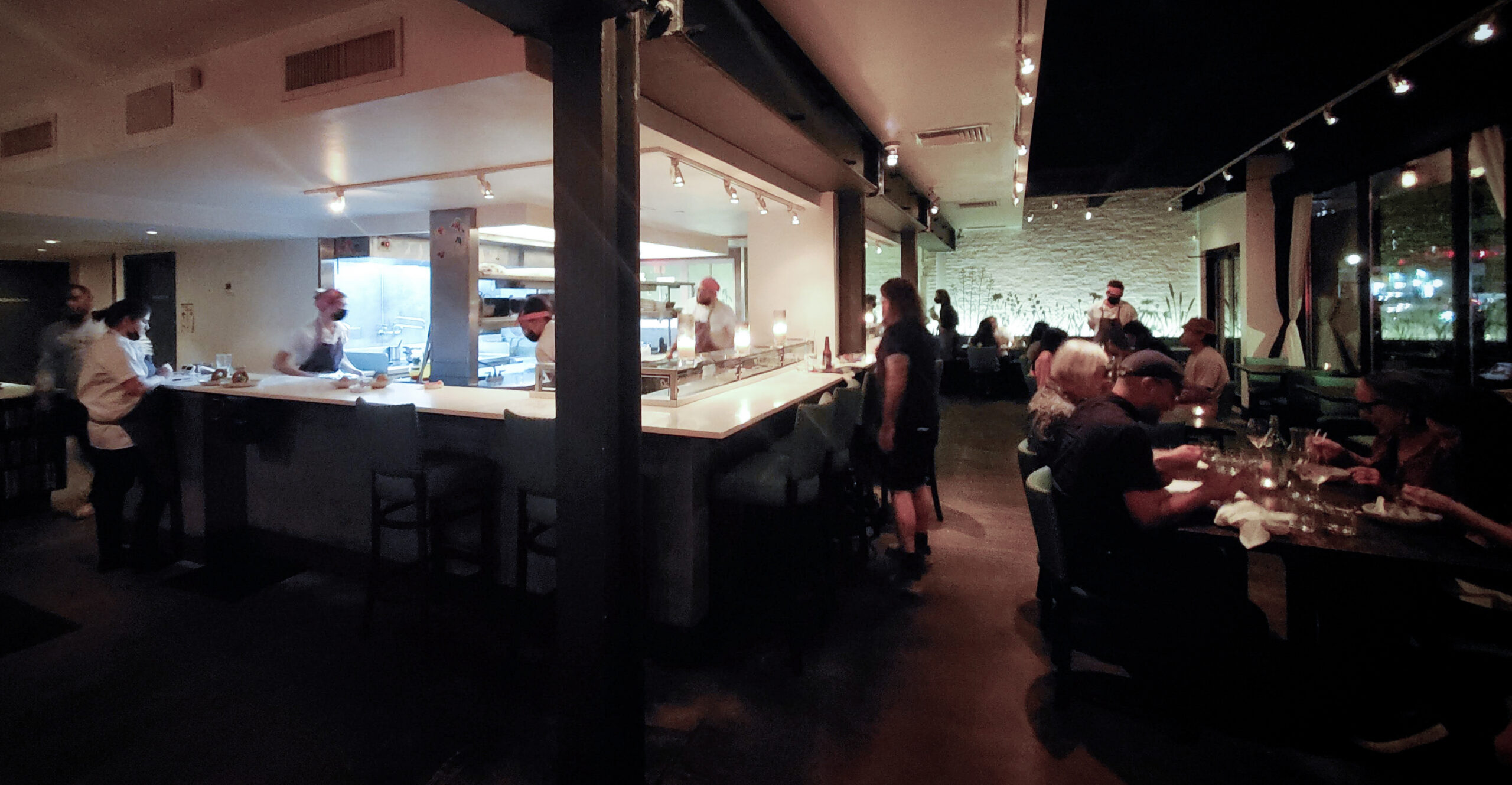
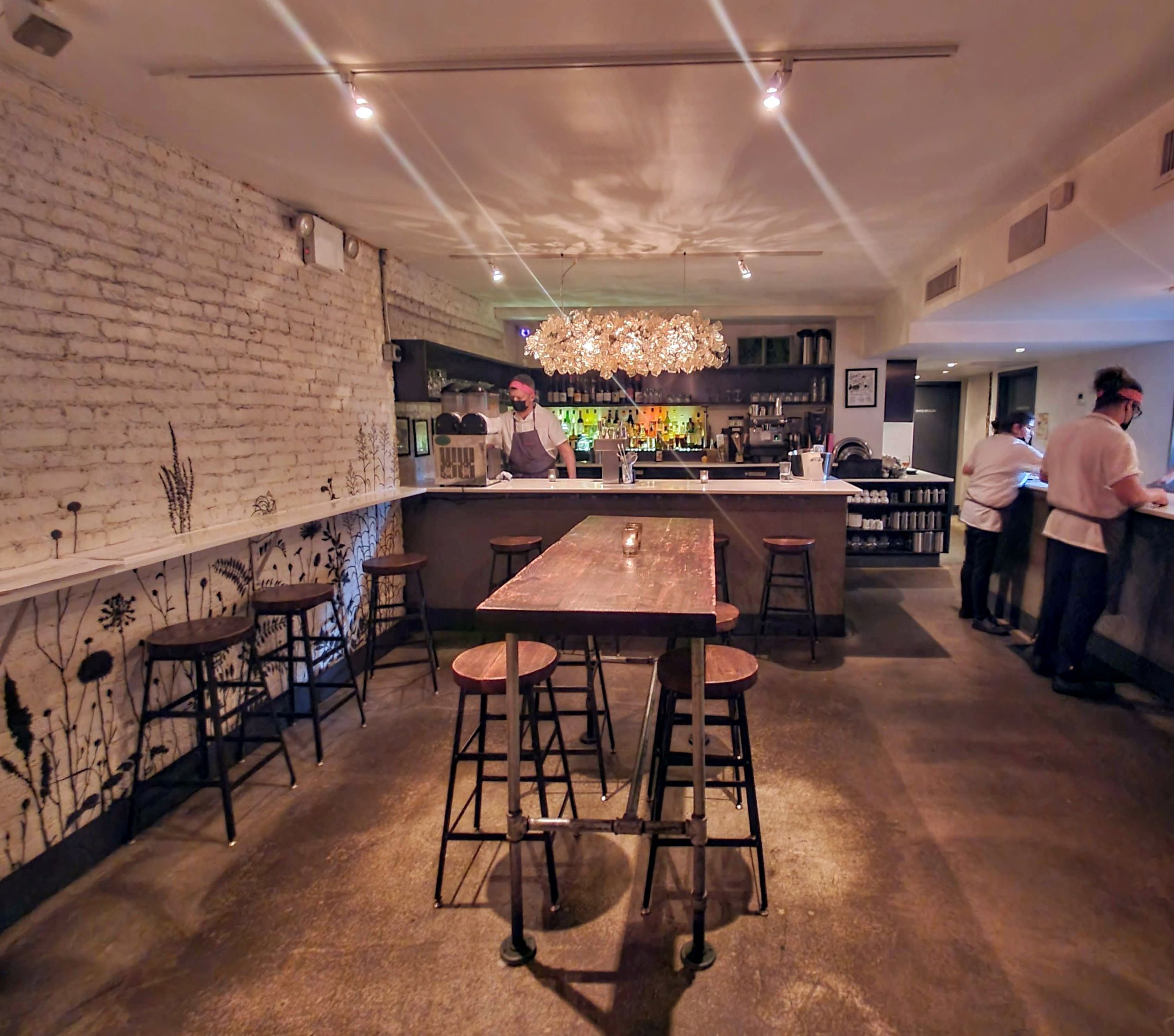
The restaurant’s interior is both welcoming and expansive, featuring an open kitchen with a prominent white marble counter top stretching the length of the space. The dining area is adorned with dark oak tables paired with comfortable ivory padded chairs, floor-to-ceiling storefront glass windows that flood the room with natural light, concrete flooring, and exposed steel beams, creating an industrial-chic atmosphere. During our visit, we had the pleasure of being seated at the counter, which offers a front-row view of the chefs meticulously crafting our dishes, adding an interactive and immersive element to the dining experience.

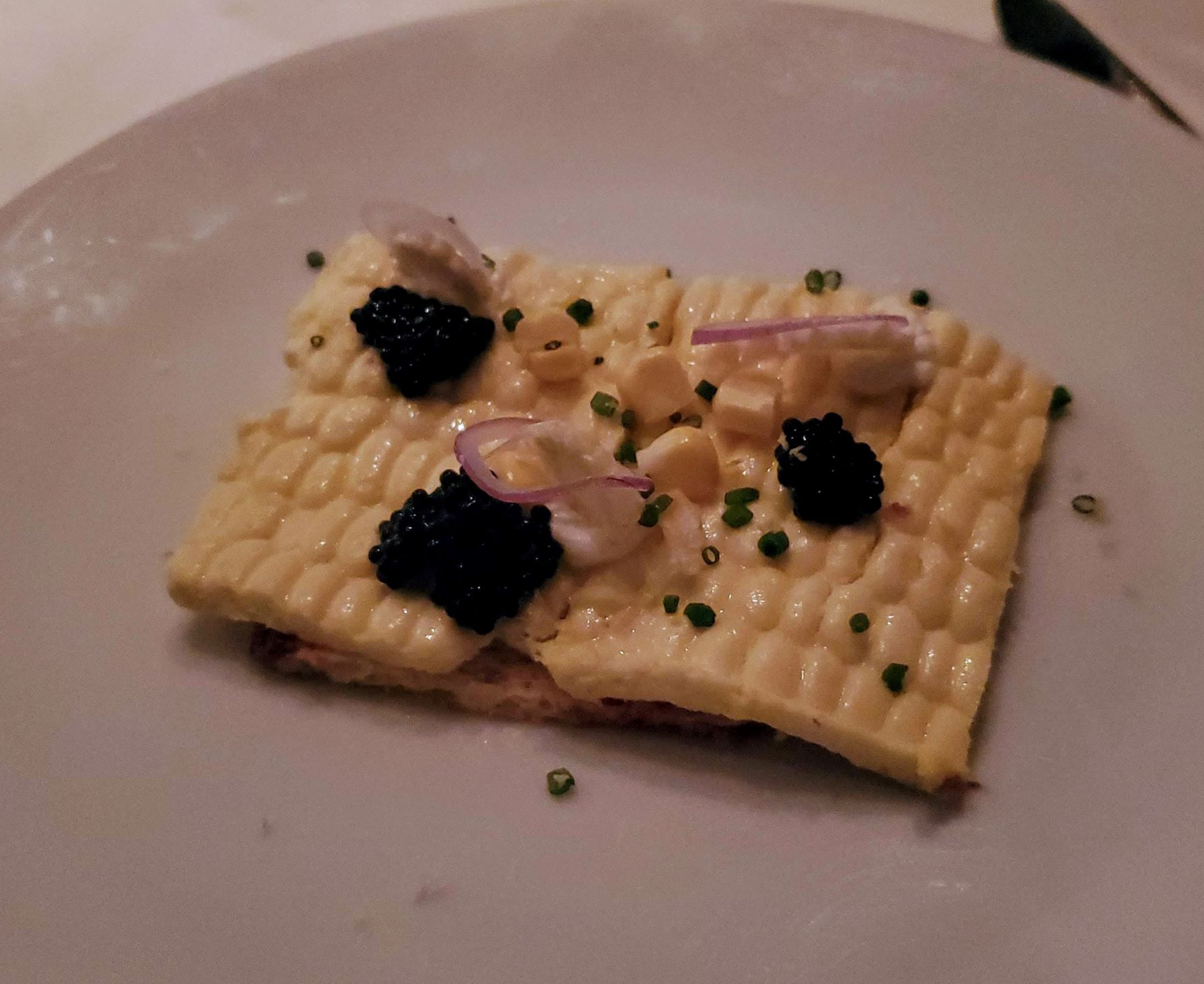
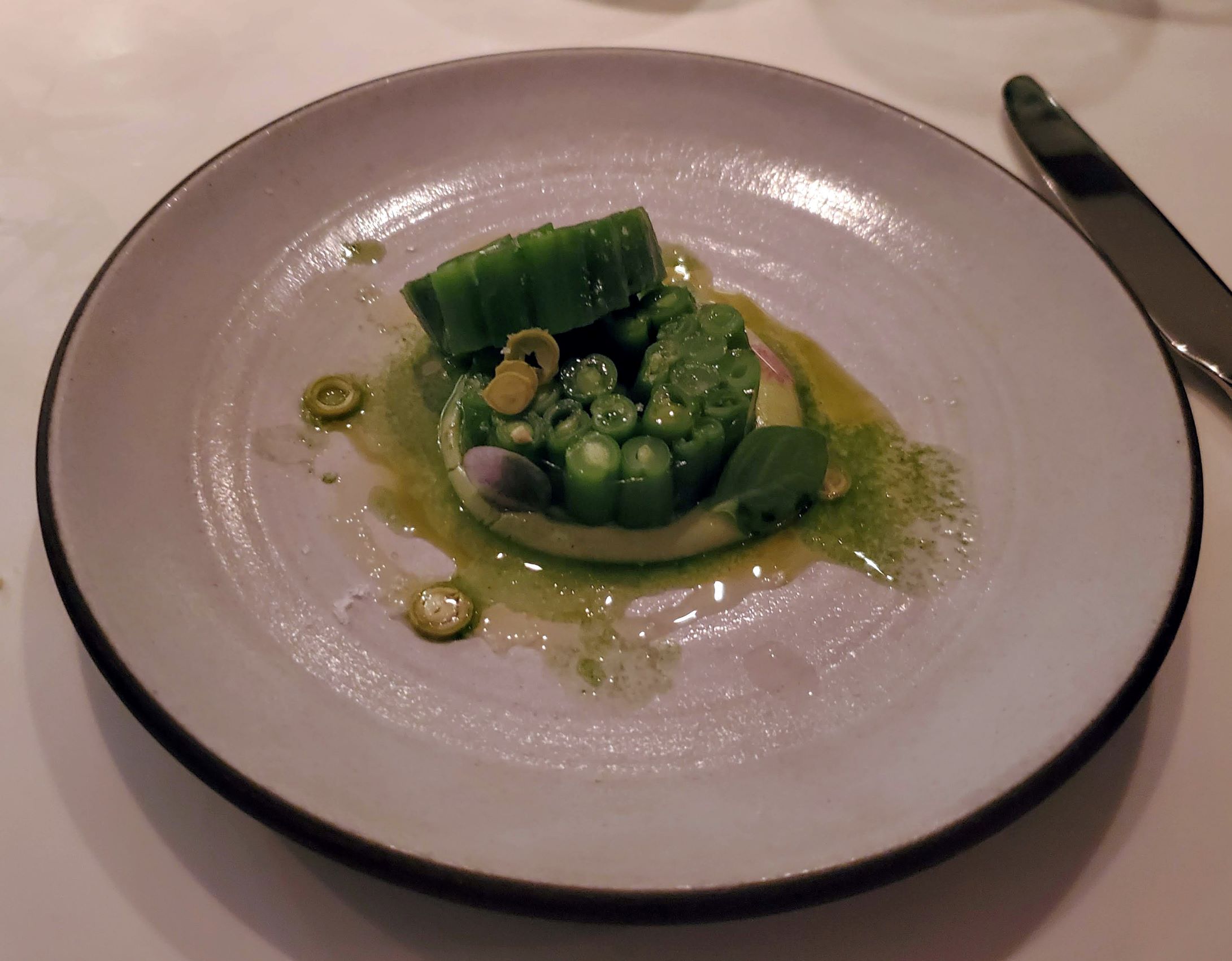
Dirt Candy is only open for dinner and offers a tasting menu initially priced at $90 during our visit (currently at $105), which includes service. Our dinner began with the Corn – corn mousse, fresh corn, seaweed caviar and baby corn where corn took center stage. The kitchen masterfully showcased the versatility of corn, creating diverse textures and flavors on the plate. The second course, a complimentary offering from the kitchen, featured precisely cut green beans arranged in a circular shape atop creamy avocado. The grassy notes of the beans paired surprisingly well with the buttery avocado cream.


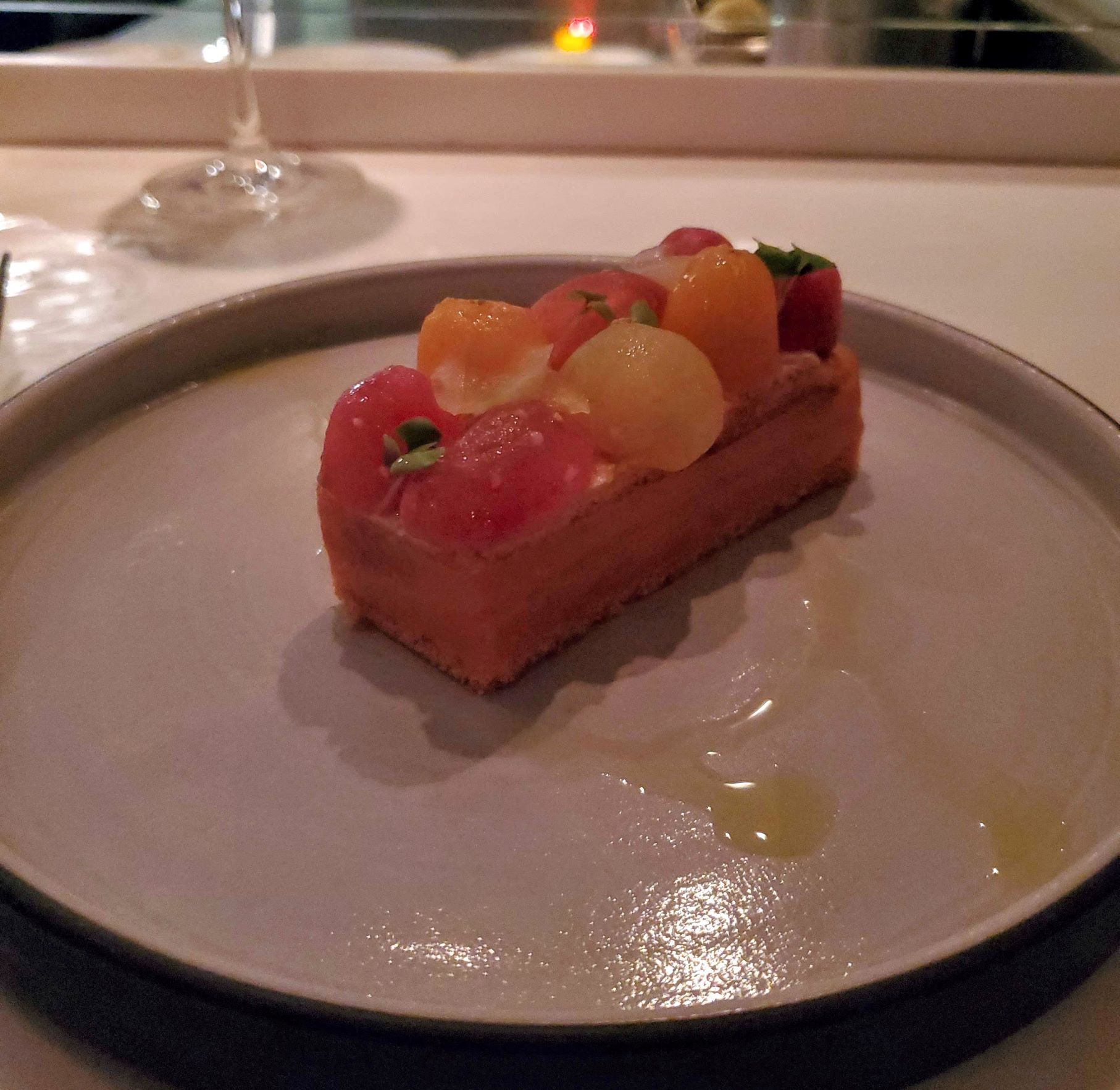
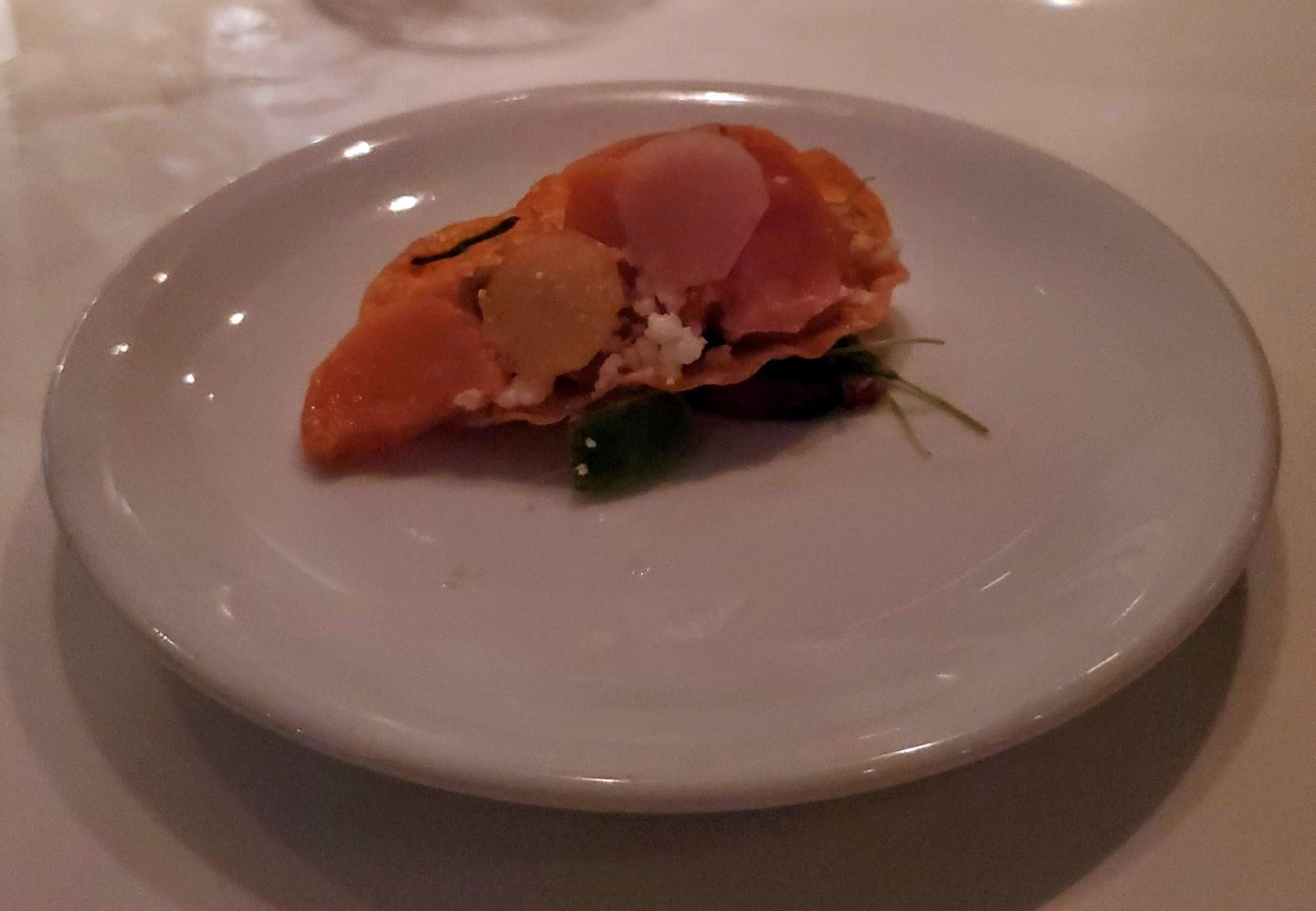
Tomato – tomato cake, yellow tomato jam, tomato leather, smoke feta spotlights the diverse sweetness and acidity found in various tomato varieties. The savory tomato cake was executed to perfection, and the smoked feta added a wonderful touch of smokiness, which balanced the overall acidity on the plate. It was undoubtedly the standout dish during the tasting. Following that, we were served the Carrot Raita, another complimentary course. The combination of carrot crisps with frozen yogurt, along with both cooked and pickled carrots, offered a refreshing experience. Each bite revealed subtle hints of sourness, a touch of spiciness, and an earthy sweetness


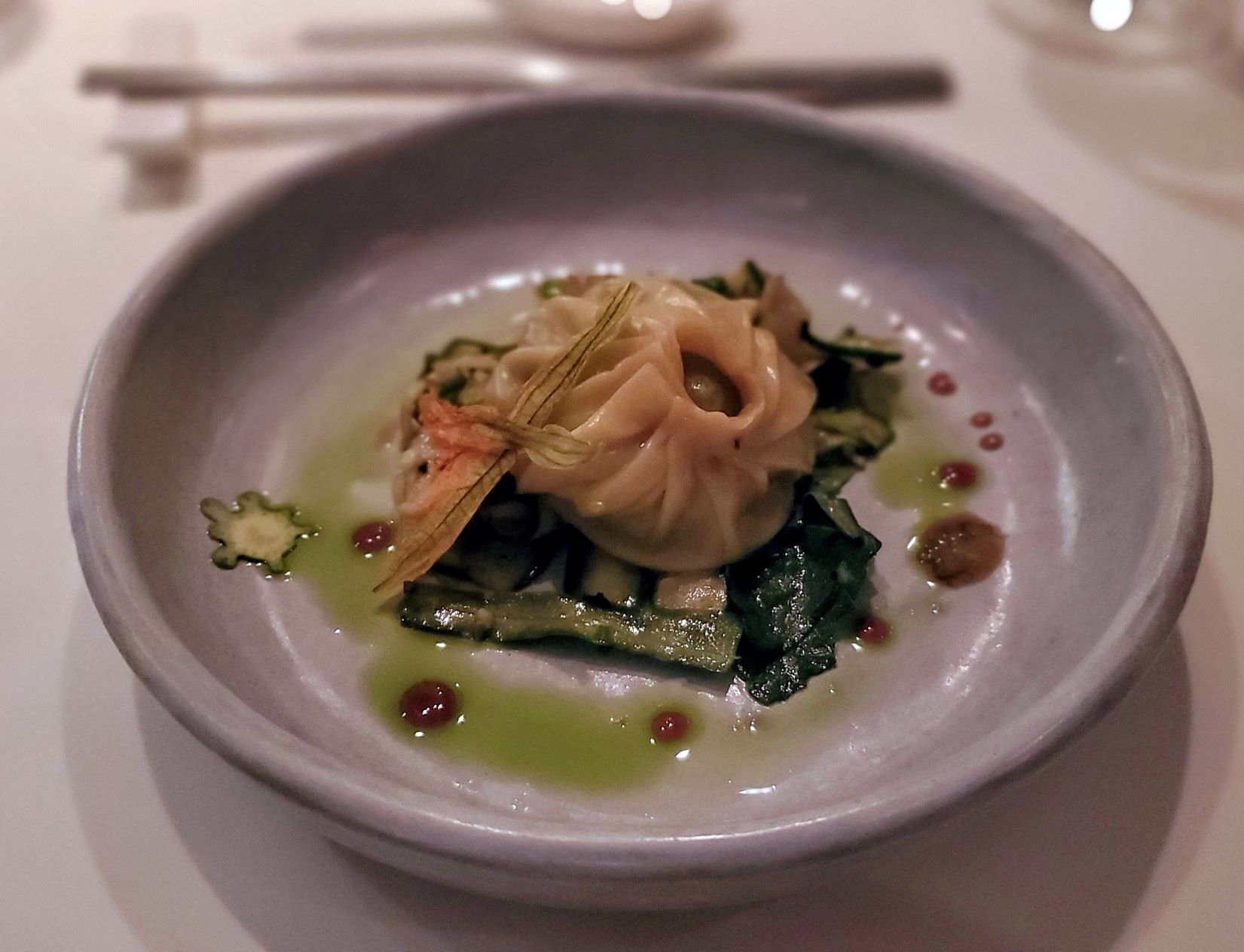
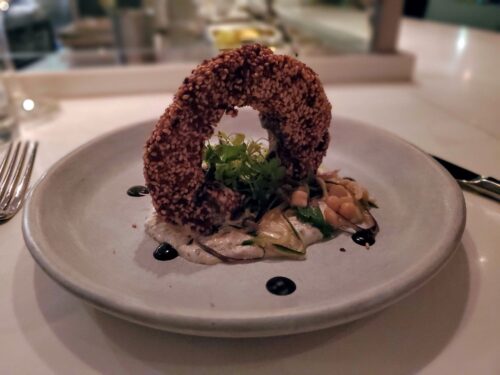
Our dinner continued with Summer Squash – zucchini soup dumpling, zucchini ribbons, squash blossoms, black vinegar. The zucchini dumpling was sublime, bursting with an exceptionally rich flavor. The plate offered subtle, sweet, and floral notes that contributed to its depth and complexity. Eggplant – sesame eggplant, chermoula ranch, black sesame tahini was the main course. This delectable dish featured eggplant sliced into a ring and expertly deep-fried in sesame batter, resulting in extra crispy texture. Accompanied by an eggplant salad and labneh, this combination added a bright and delightful dimension to the overall flavor profile.


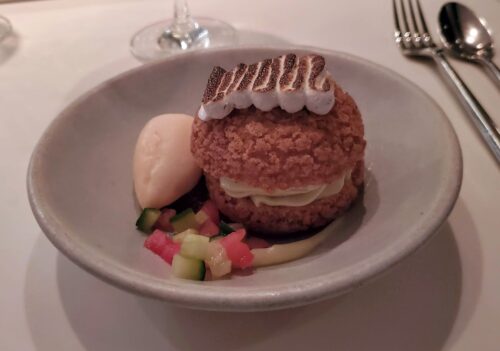
For dessert the Cucumber – cucumber jam, white chocolate, dill pickle merengue, melon sorbet was served. This fascinating dessert seamlessly combined refreshing, creamy, and sugary elements. The addition of pickled meringue on top added a smores-like twist to the dish.

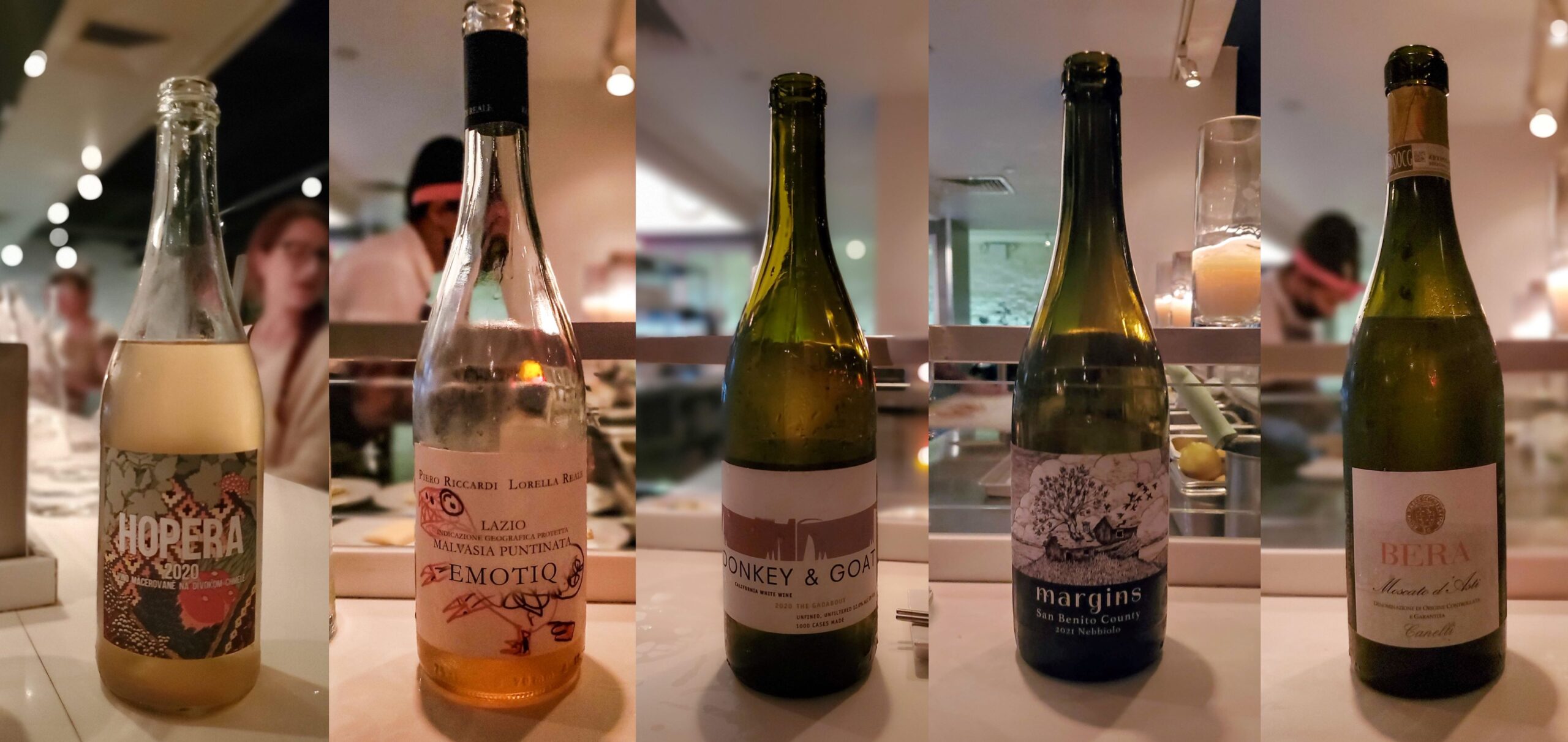
Dinner at Dirt Candy was a pure vegetal delight. The kitchen’s masterful culinary techniques were on full display, as they artfully used fresh, vibrant vegetables to craft a symphony of textures and flavor compositions. Despite the standard five-course tasting menu, we were pleasantly surprised by the addition of two extra courses, leaving us perfectly satisfied. The absence of meat and animal by-products went unnoticed, and we didn’t yearn for the typical accompaniments of bread, amuse-bouche, or pre-dessert. To elevate our dining experience, I opted for the $50 wine pairing, which featured five glasses of organic and natural wines expertly selected to complement each course.


Dirt Candy’s staff were not only personable but also exceptionally pleasant, providing a relaxed yet attentive service that matched the restaurant’s laid-back atmosphere. The eclectic selection of music in the dining room added to the overall experience, and sitting at the counter allowed us to engage and converse with the chefs, some of whom prepared and served our food themselves.

Wine Pairing:


Our first experience dining at a vegetarian tasting-menu-only restaurant exceeded our expectations. I found myself thoroughly enjoying Dirt Candy, from the exceptional food to the friendly staff. It came as no surprise that after our visit, the Michelin guide awarded Dirt Candy a well-deserved star.