Quince ***

Quince
470 Pacific Ave.
San Francisco, CA 94133
(415) 775-8500
Official Site

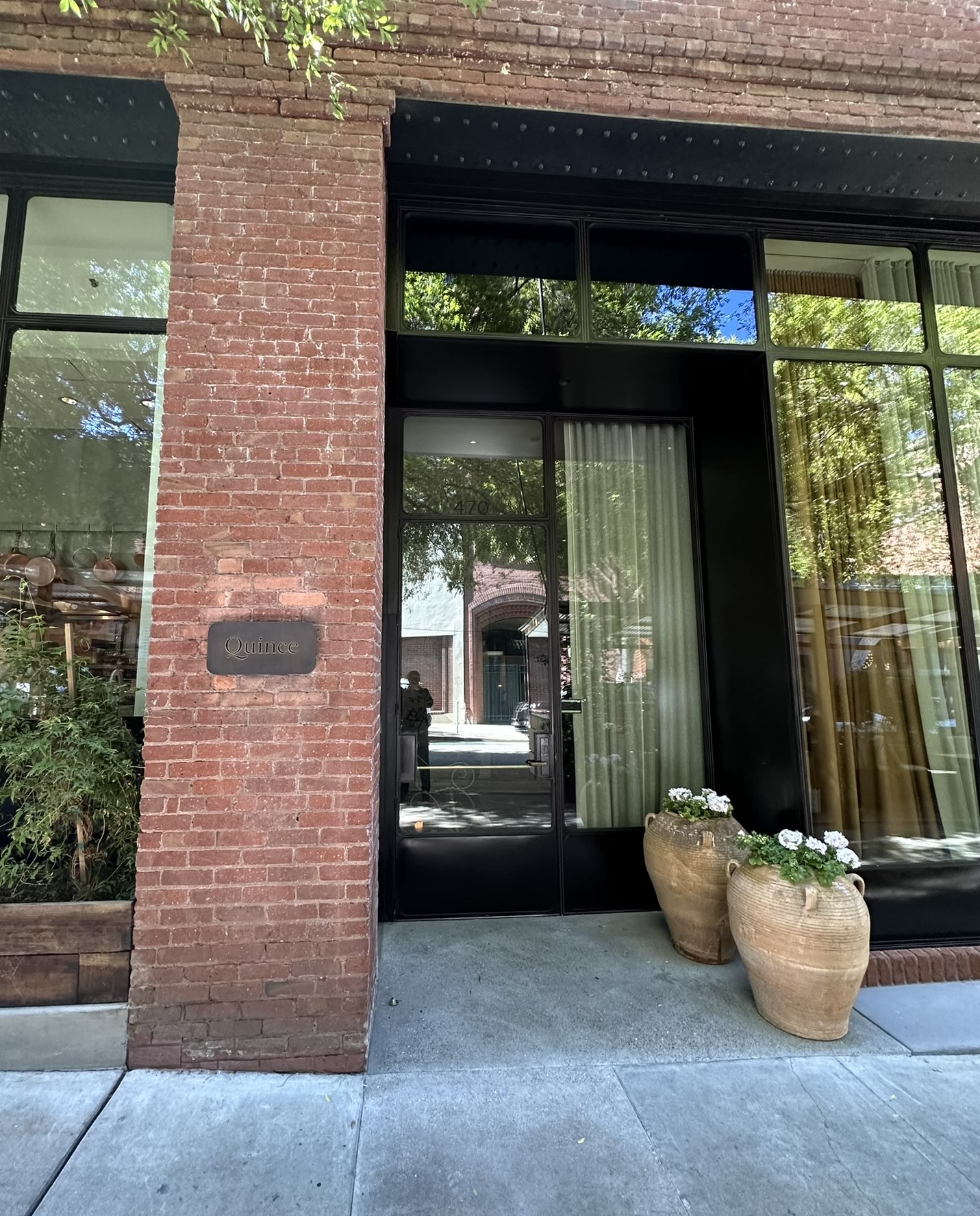
A restaurant’s ascent to the pinnacle of the gastronomic world often takes years, if not decades. Only on rare occasions does a restaurant achieve such acclaim within a short period of time. San Francisco fine dining institution Quince took more than two decades to reach its current stature. Opened in 2003 by chef Michael Tusk and his wife Lindsay in Lower Pacific Heights, the restaurant earned its first Michelin star in 2006 before relocating six years later to its current home in Jackson Square in 2009. A second Michelin star followed in 2013, with the coveted third star arriving in 2016.
Originally from New Jersey, Chef Tusk trained in several Michelin-starred kitchens in France and Italy. It was in San Francisco, however, where he established his reputation, working under Jeremiah Tower at Stars and later at Chez Panisse with Alice Waters. Chef Tusk is a James Beard Award winner, while Quince has consistently ranked among the finest restaurants in San Francisco and the Bay Area. The restaurant has received a four-star review from the San Francisco Chronicle and is also a member of the Relais & Châteaux group. In addition to Quince, chef Tusk also operates the Italian restaurant Cotogna as well as the wine bar Verjus.

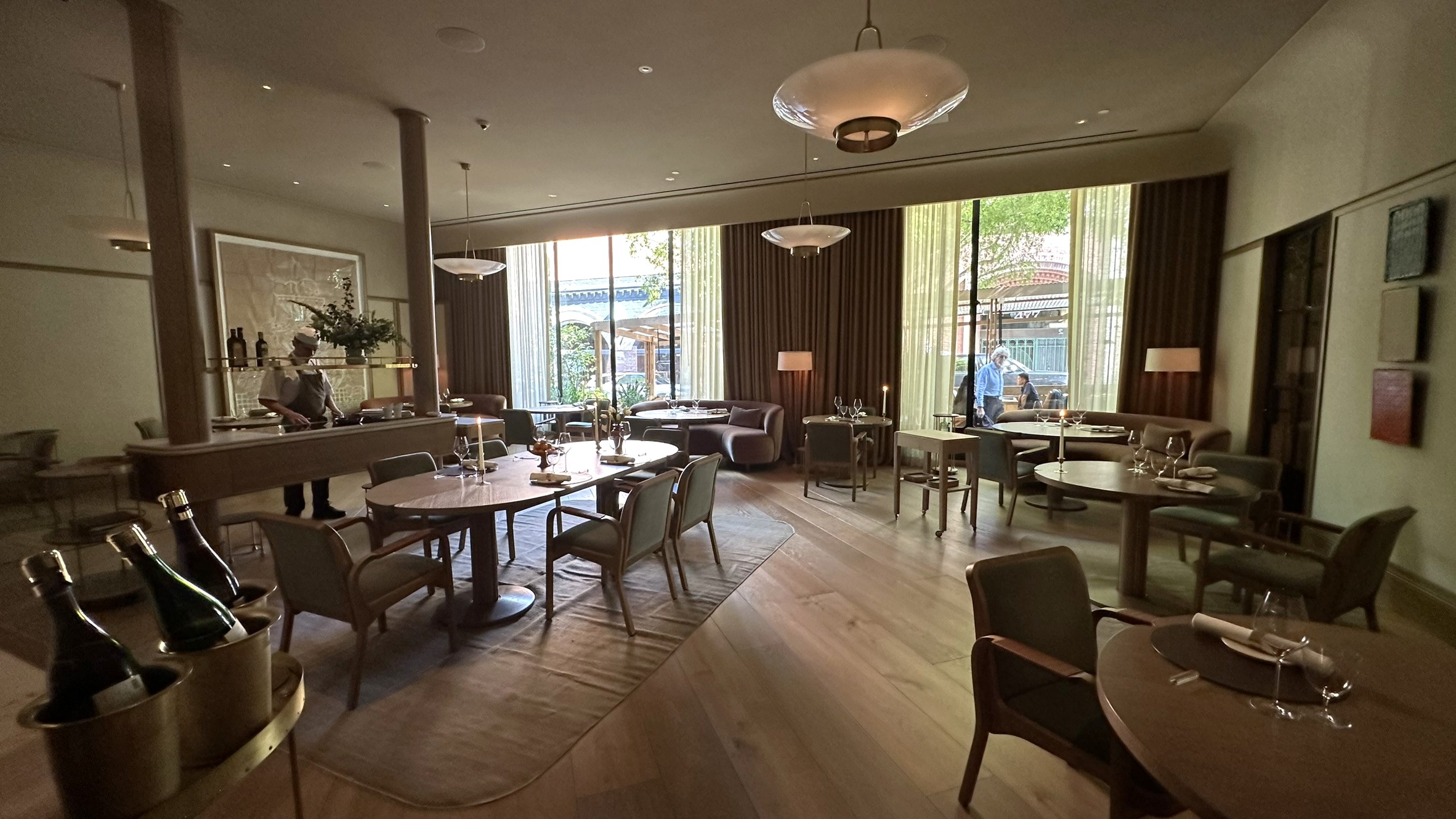
Quince’s space is expansive and divided into three distinct areas: a central bar, a serene lounge where guests can enjoy a shorter tasting menu, and the main dining room, which contains only ten tables. The design is modern and understated, featuring earthy tones that still convey a sense of luxury. Tall storefront windows stretching from floor to ceiling flood the dining room with natural light. Uncovered wooden tables, green padded chairs, and plush sofas contribute to the restaurant’s warm yet refined atmosphere.
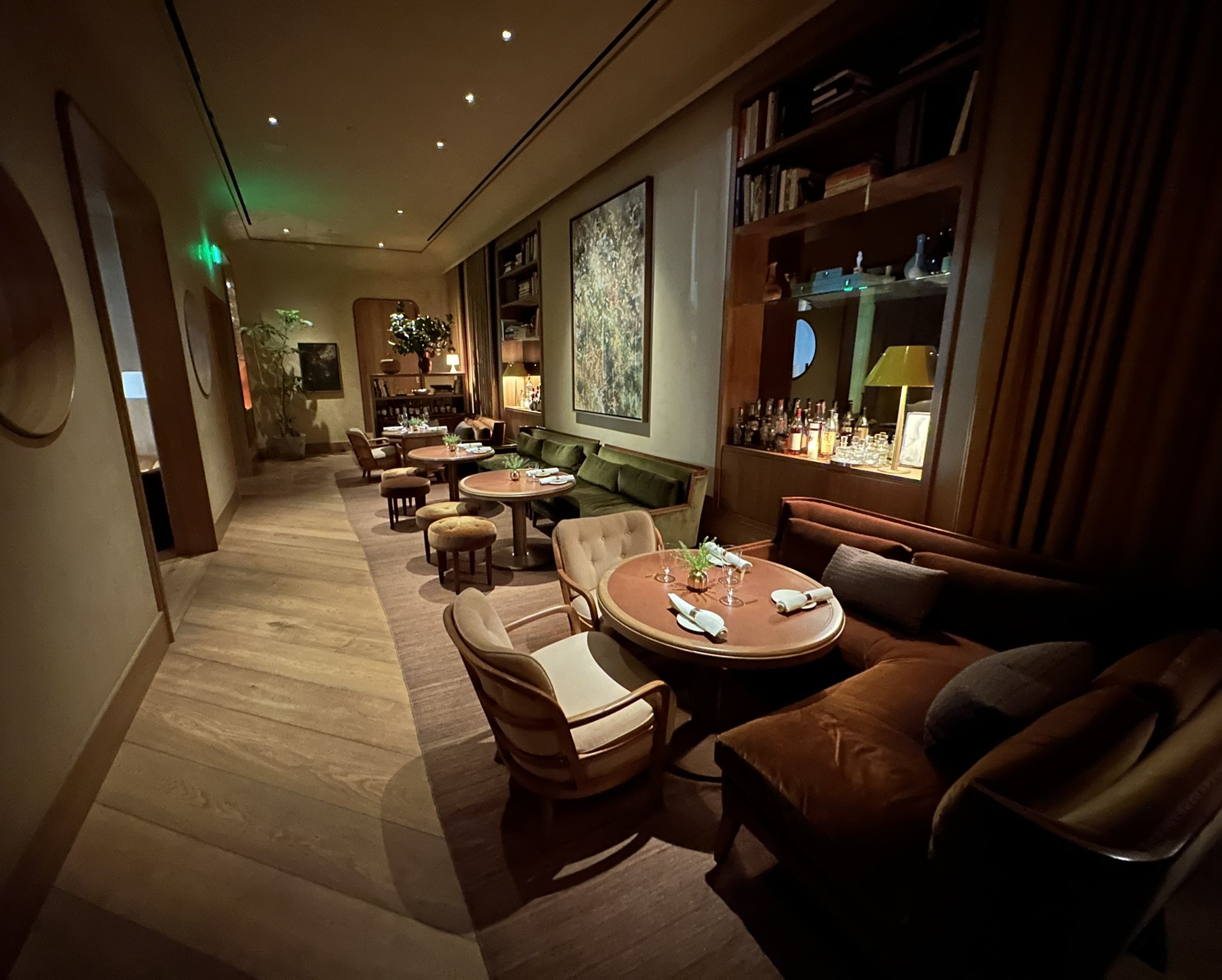
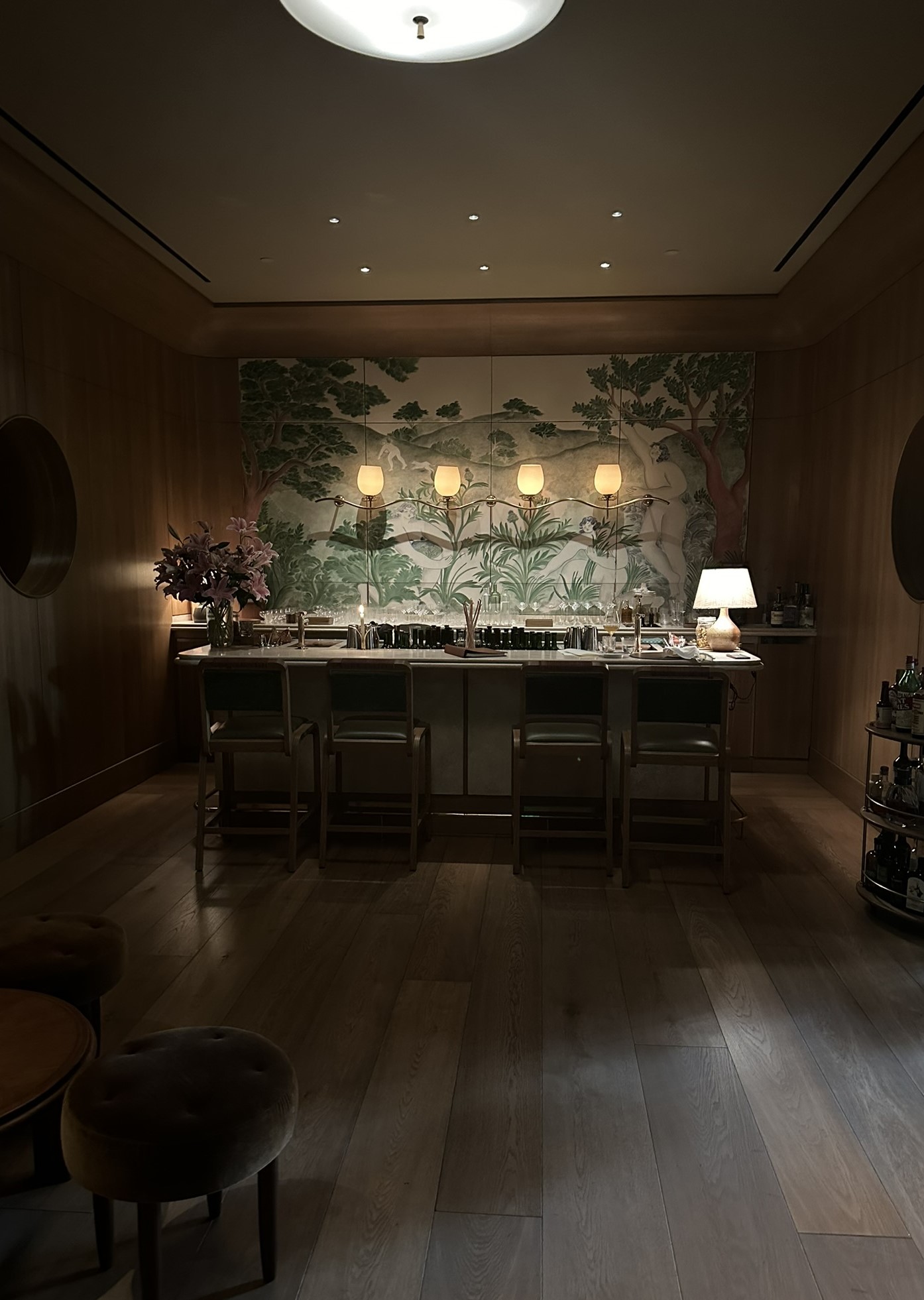
For this visit, the Gastronomy Menu priced at $390 was the obvious choice. Other tasting menu options are available at a slightly lower price point and can also be enjoyed in the lounge, while lunch service is offered on select days. The Gastronomy Menu consisted of eight to ten courses.

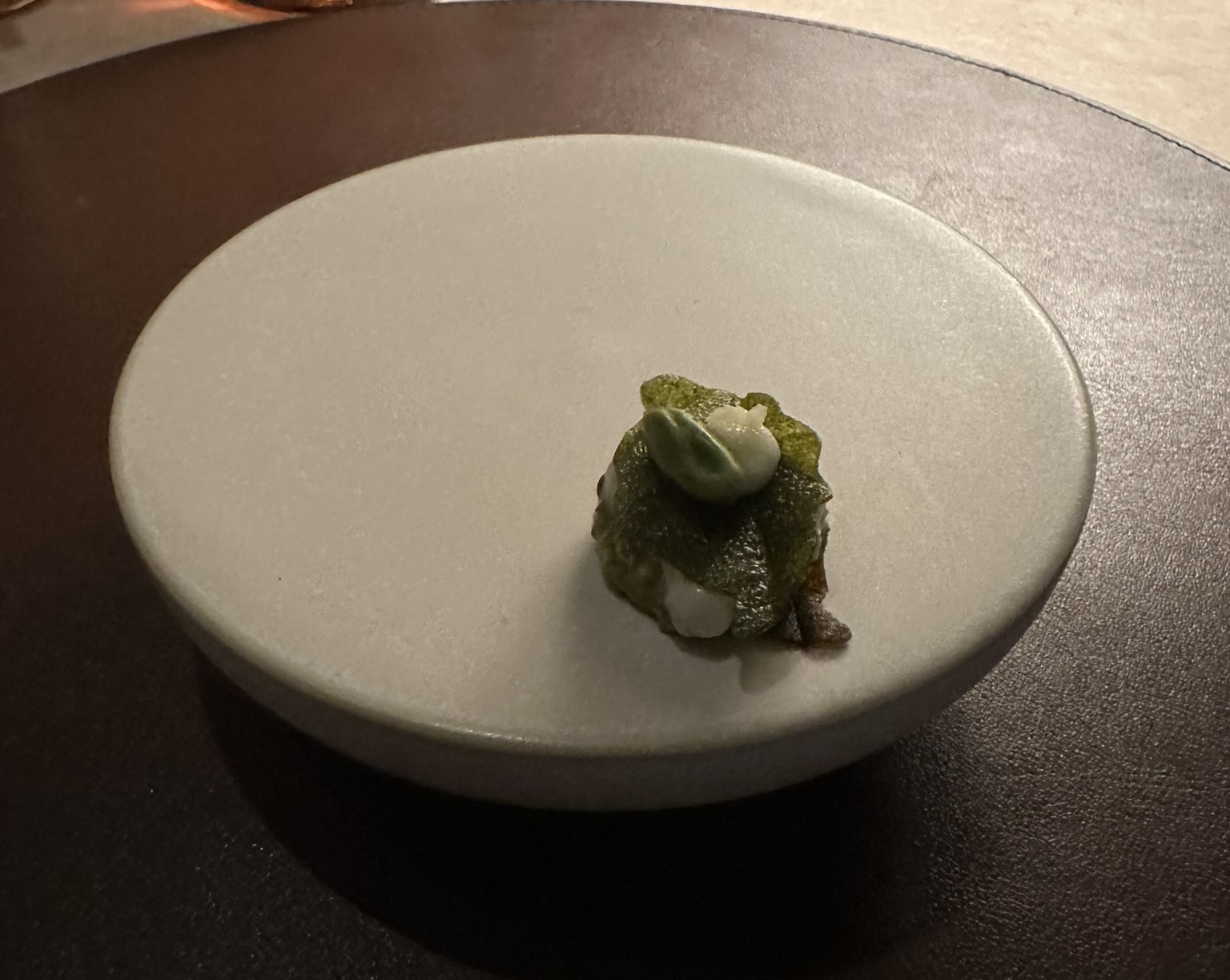
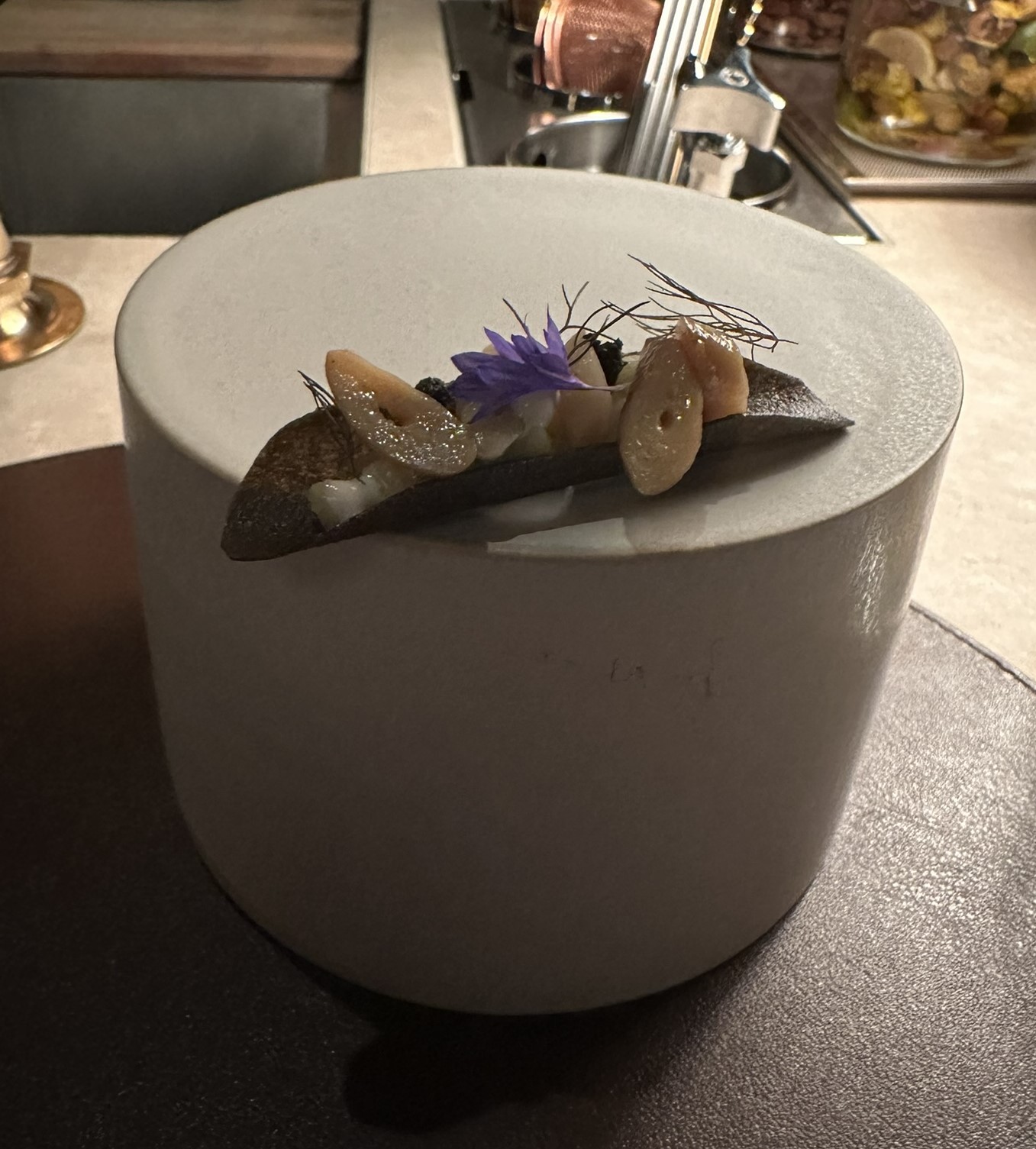
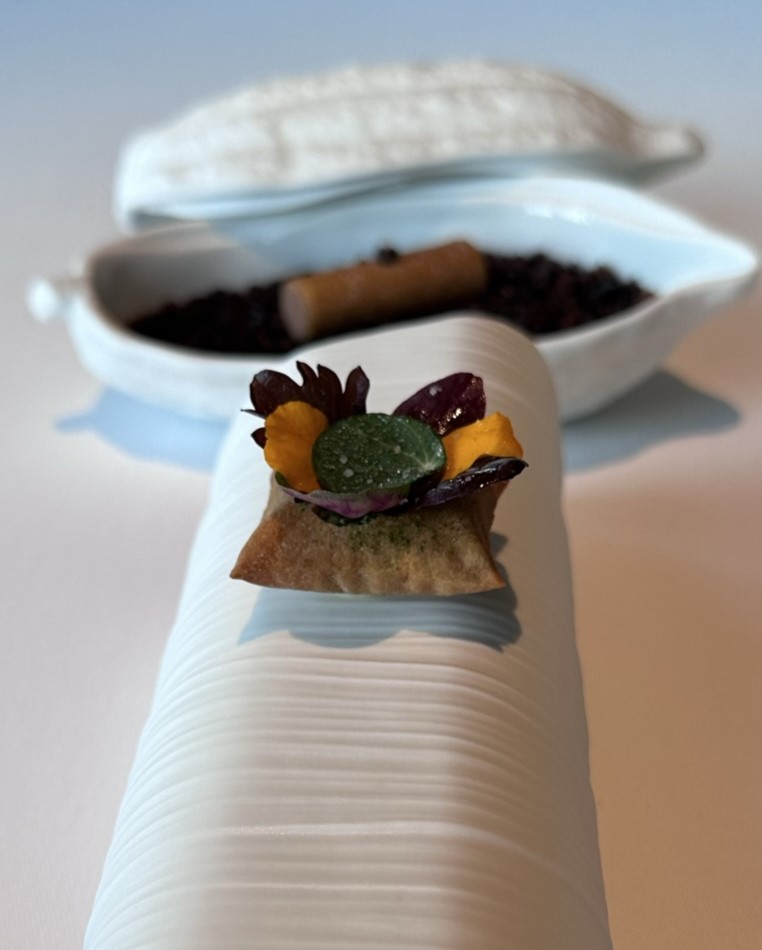
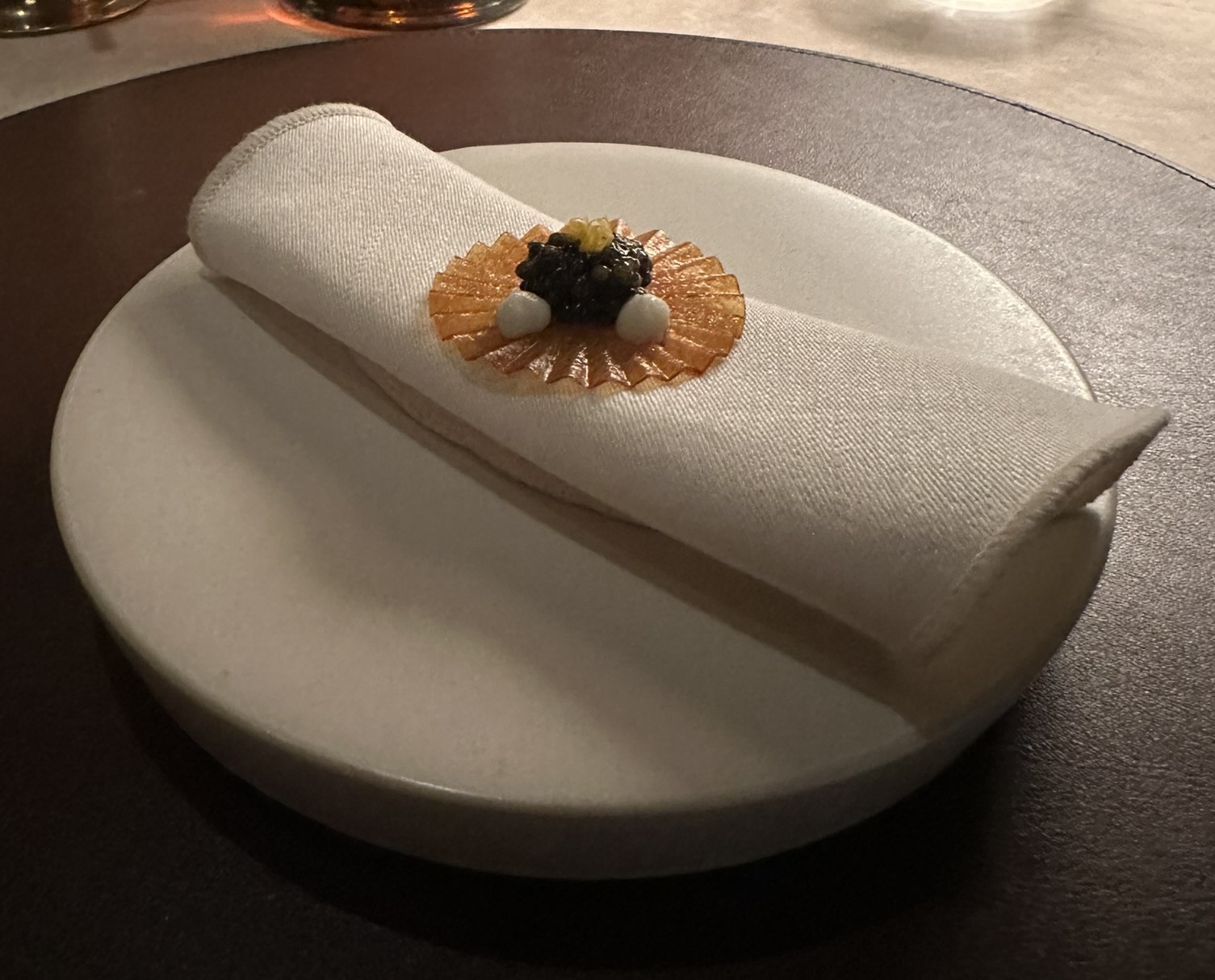
Dinner began with an amuse-bouche of onion tartlet with caviar. The paper-thin crispy tart shell served as the perfect vessel for sweet onion cream paired with the luxurious salinity of the caviar. Nettles with pistachio and razor clams followed, delivering nutty flavors alongside the razor clam’s delicate briny oceanic character. It was an excellent start to the meal.

Gastronomy Menu:
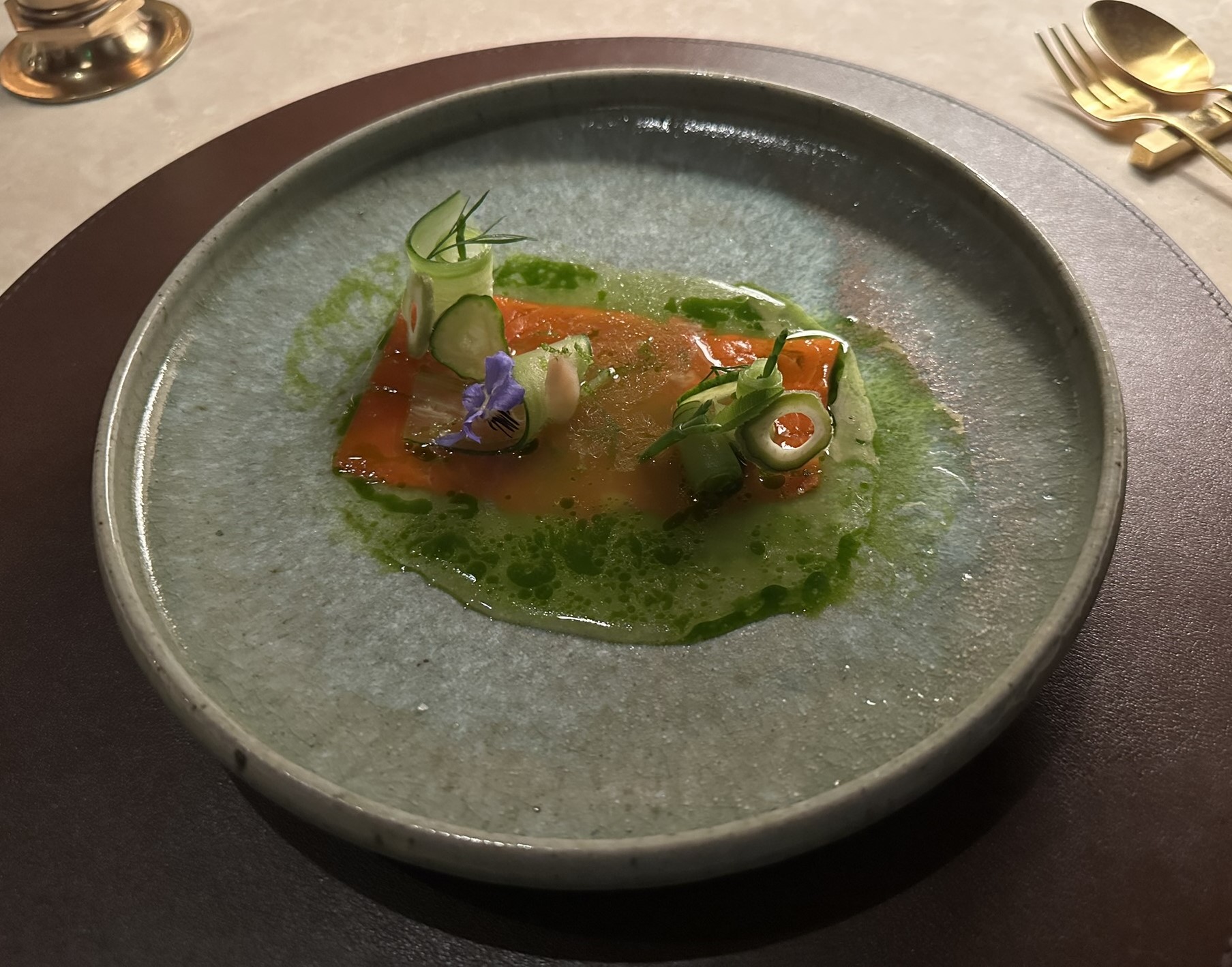
The first official course featured Copper River salmon with cucumber and green almond. Thin slices of flavorful salmon were served in a refreshing dill and cucumber broth, while pickled cucumber and green almond added brightness and acidity. Next came the Green asparagus in spring mustard broth, morel mushroom & crawfish. The asparagus tasted remarkably fresh, the mushroom cream added earthy richness, and the crawfish provided sweetness and depth. House-made bread and butter followed shortly after, served warm from the oven.
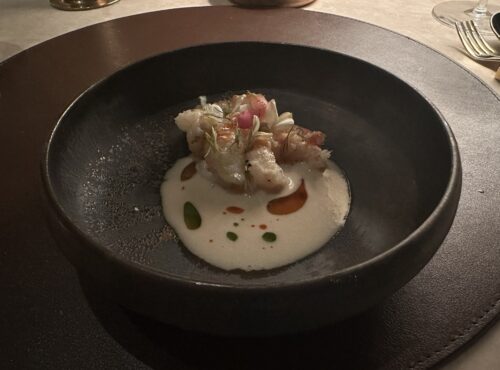
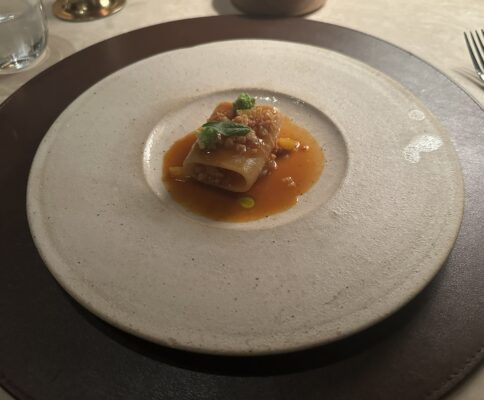
The Santa Barbara spot prawns & lemon verbena showcased beautifully meaty prawns in a deeply flavorful consommé that highlighted the natural sweetness of the shellfish while carrying subtle citrus notes. This was followed by Paccheri Maine Lobster romanesco and preserve gooseberry. The perfectly al dente tubular pasta was stuffed with a rich lobster filling, while citrus elements and a sauce made from tomatoes and lobster shells tied the dish together elegantly.
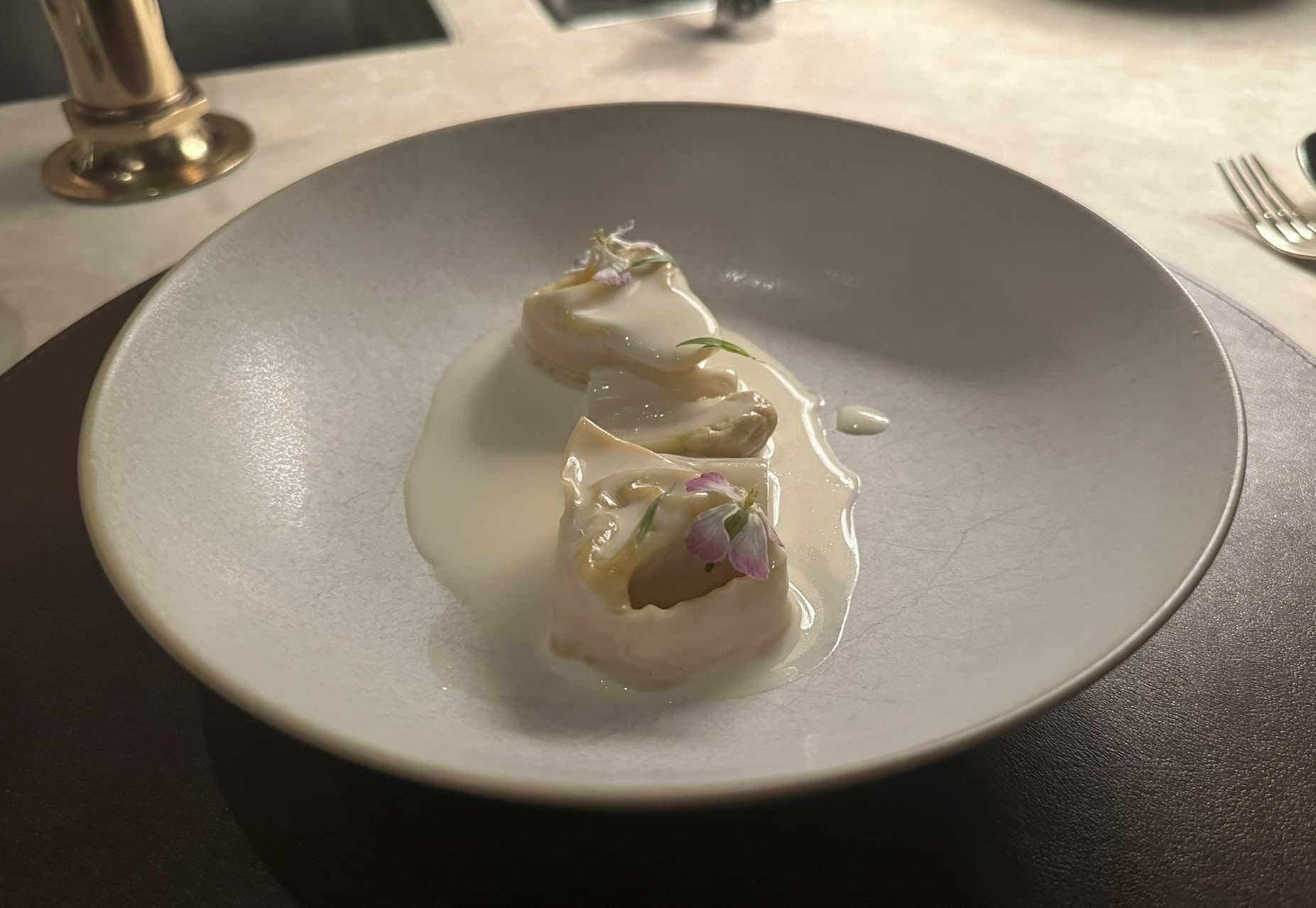
The White asparagus tortelloni & fermented white asparagus sauce highlighted the ingredients at the peak of its season. White asparagus appeared in several forms throughout the dish: whole, puréed into sauce, and incorporated into the pasta filling itself. Its flavor carried a tangier, more delicate character compared to green asparagus.
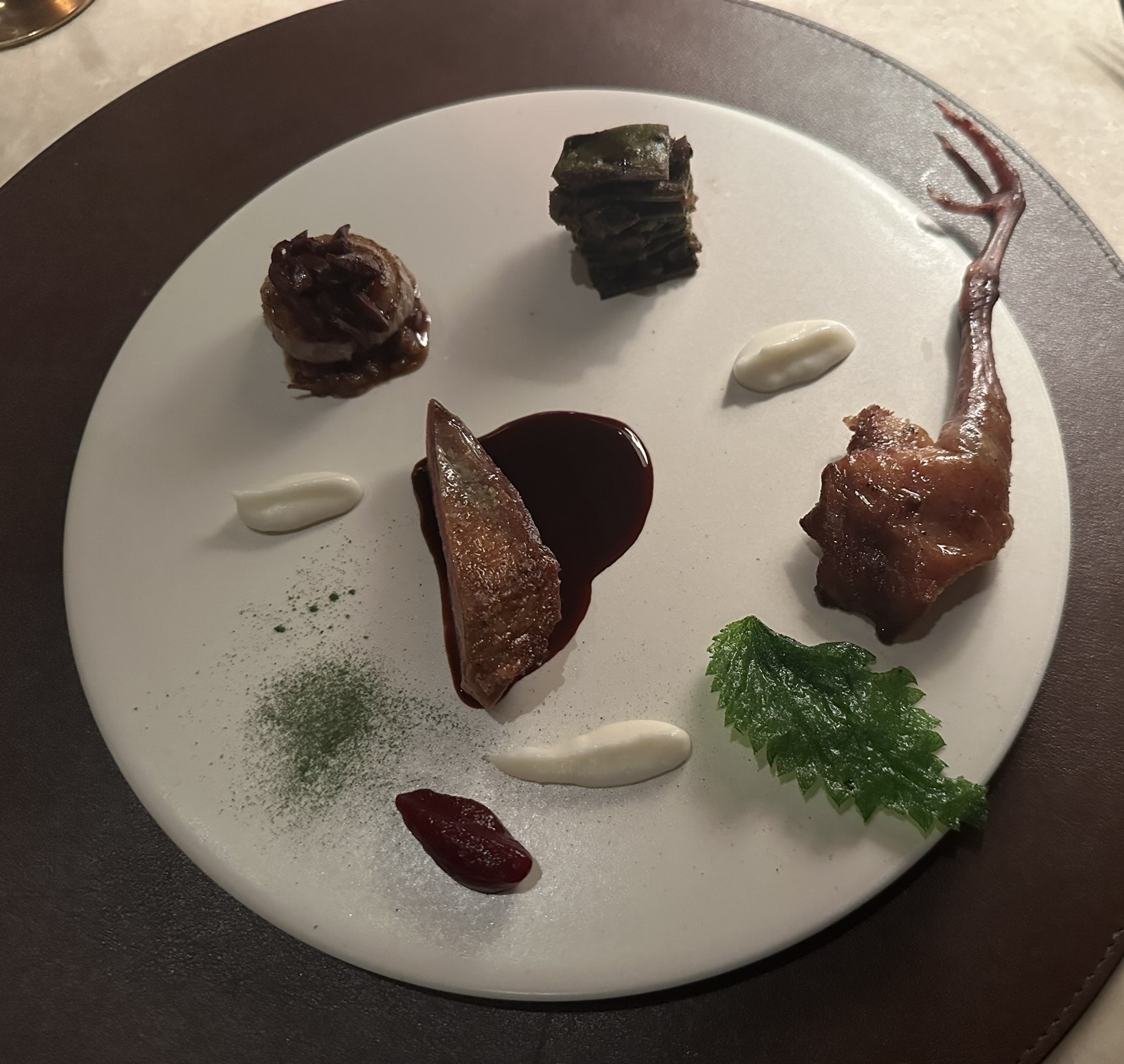
The red meat courses marked the centerpiece of the tasting menu. First came Paine Farm squab, Pine Gulch Creek wild nettle, spring onions & Extra Vecchio Balsamico. The squab was exceptionally tender, while the béchamel enriched with squab heart added depth and minerality. Squab jus combined with beet and onion purée created a creamy, savory accompaniment. The breast remained juicy while the legs were cooked crisp.
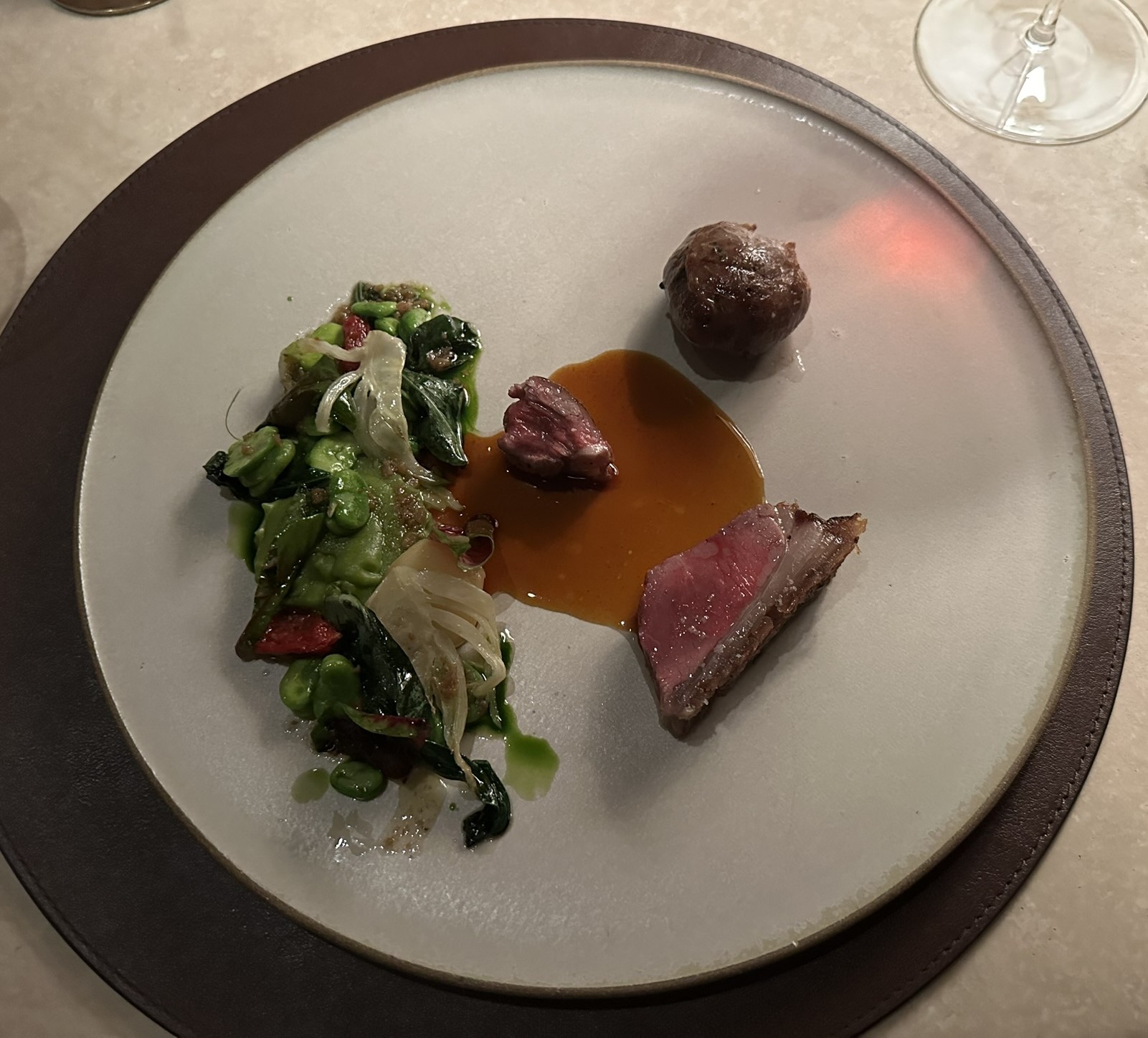
The second main course featured Don Watson spring lamb cooked in fireplace, fava bean, fennel & bagna cauda. The lamb saddle was tender and succulent, while a piece of lamb sausage contributed a pleasant salinity. Particularly memorable was the lamb heart, roasted for six hours until intensely flavored and deeply concentrated. A salad of fava beans and porcini mushrooms added freshness to balance the richness of the dish.
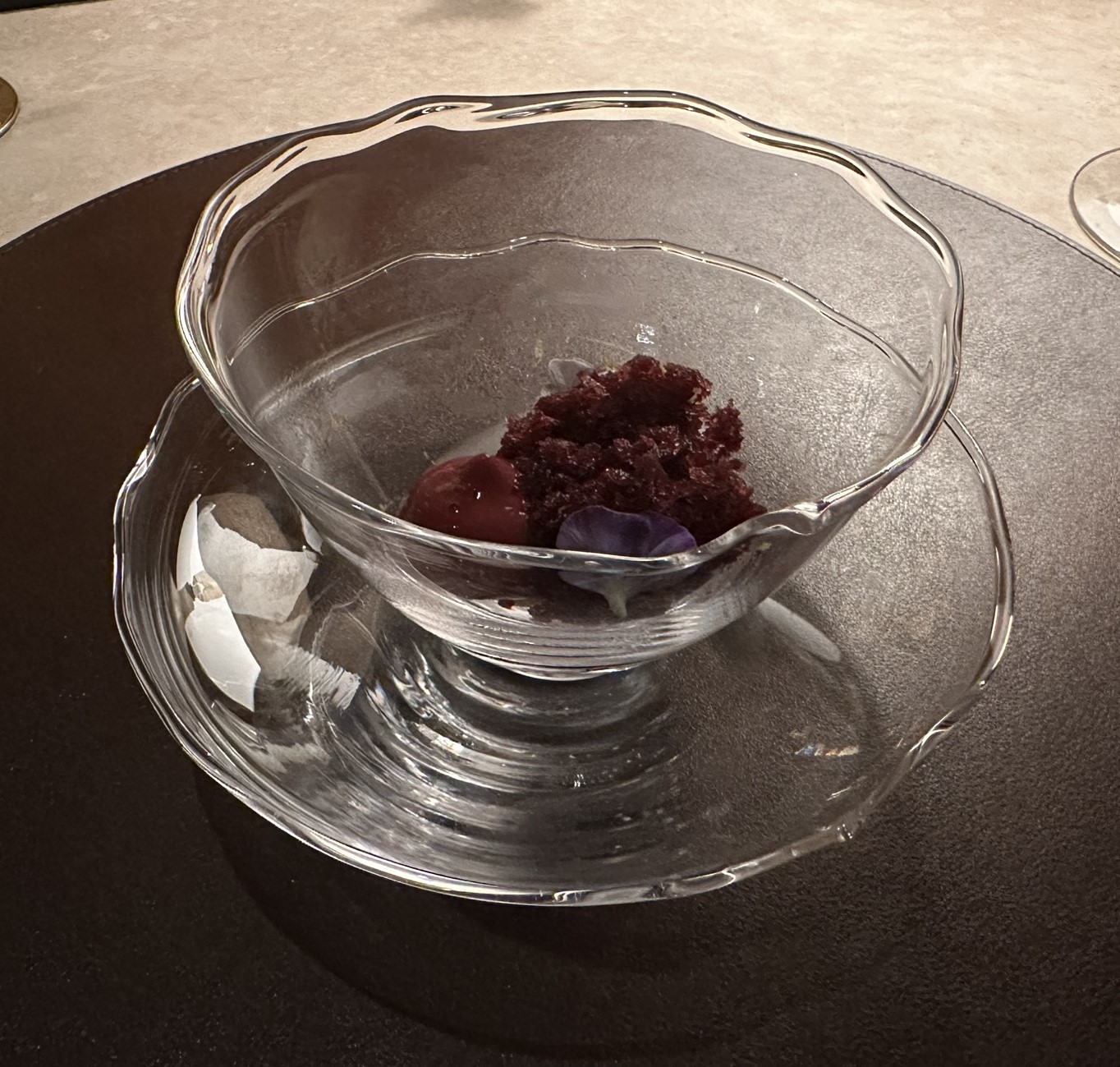
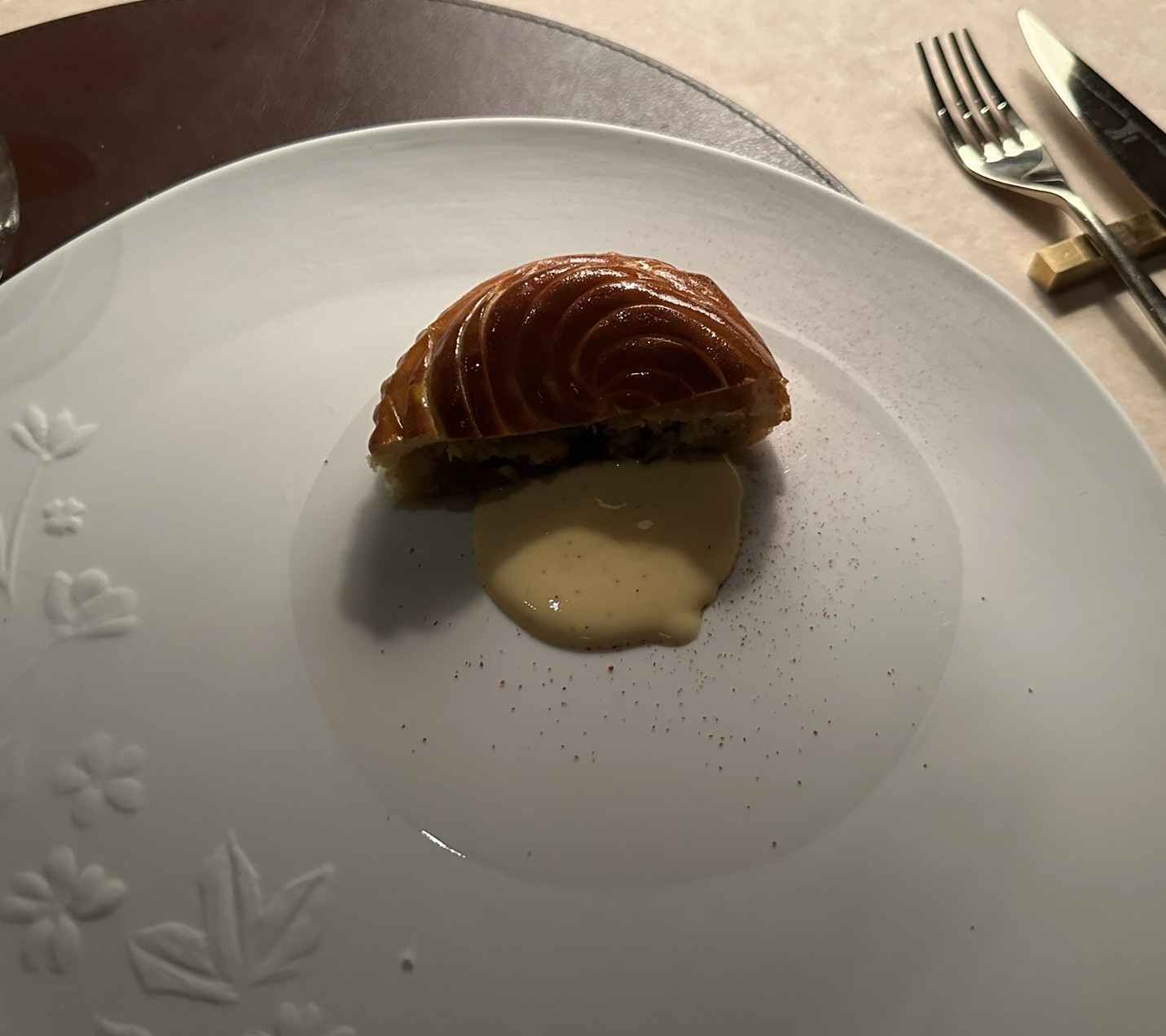
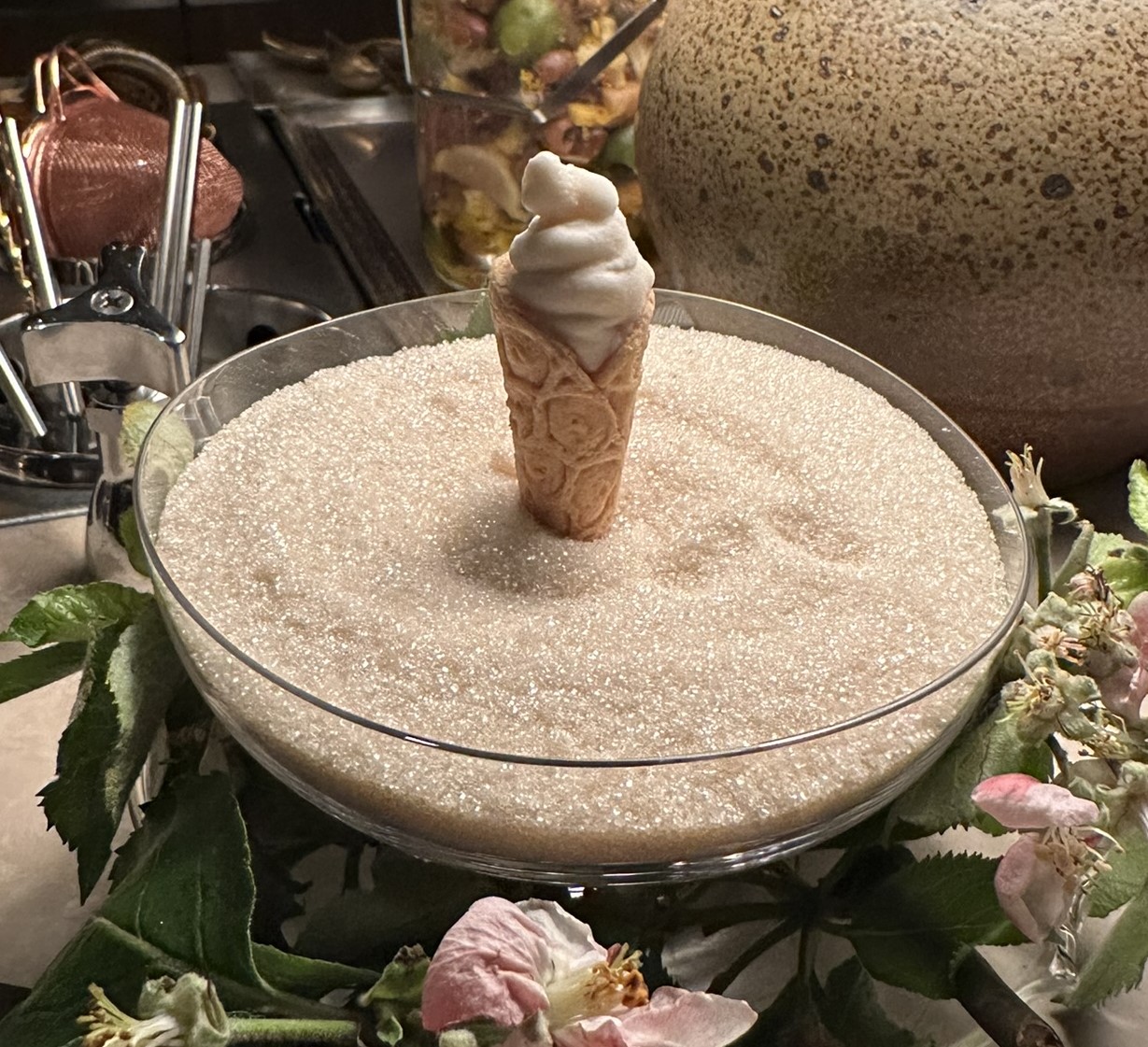
As the meal transitioned into dessert, Chilled mulberry, rose geranium & pinenut arrived as a palate cleanser. Refreshing and lightly sweet, it carried vibrant berry flavors while the chilled pine nuts added texture and nuttiness. Then came the Warm rhubarb, strawberry & Bonte pistachio tart. Served warm, the tart balanced tangy fruit flavors with rich nuttiness, while English cream added another layer of sweetness and richness. Afterwards, a small cherry blossom gelato was served on a cone, offering delicate floral notes with subtle sweetness.
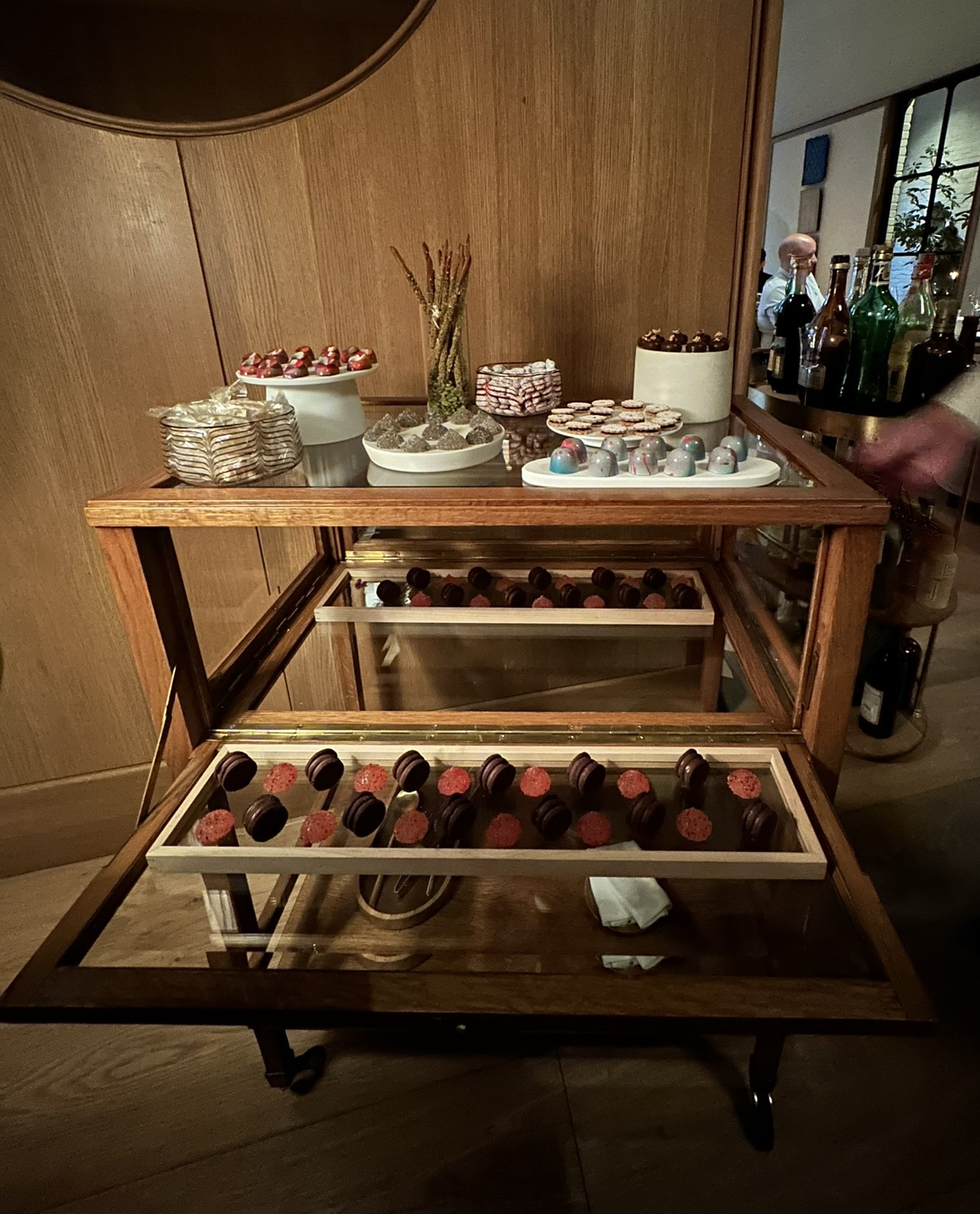
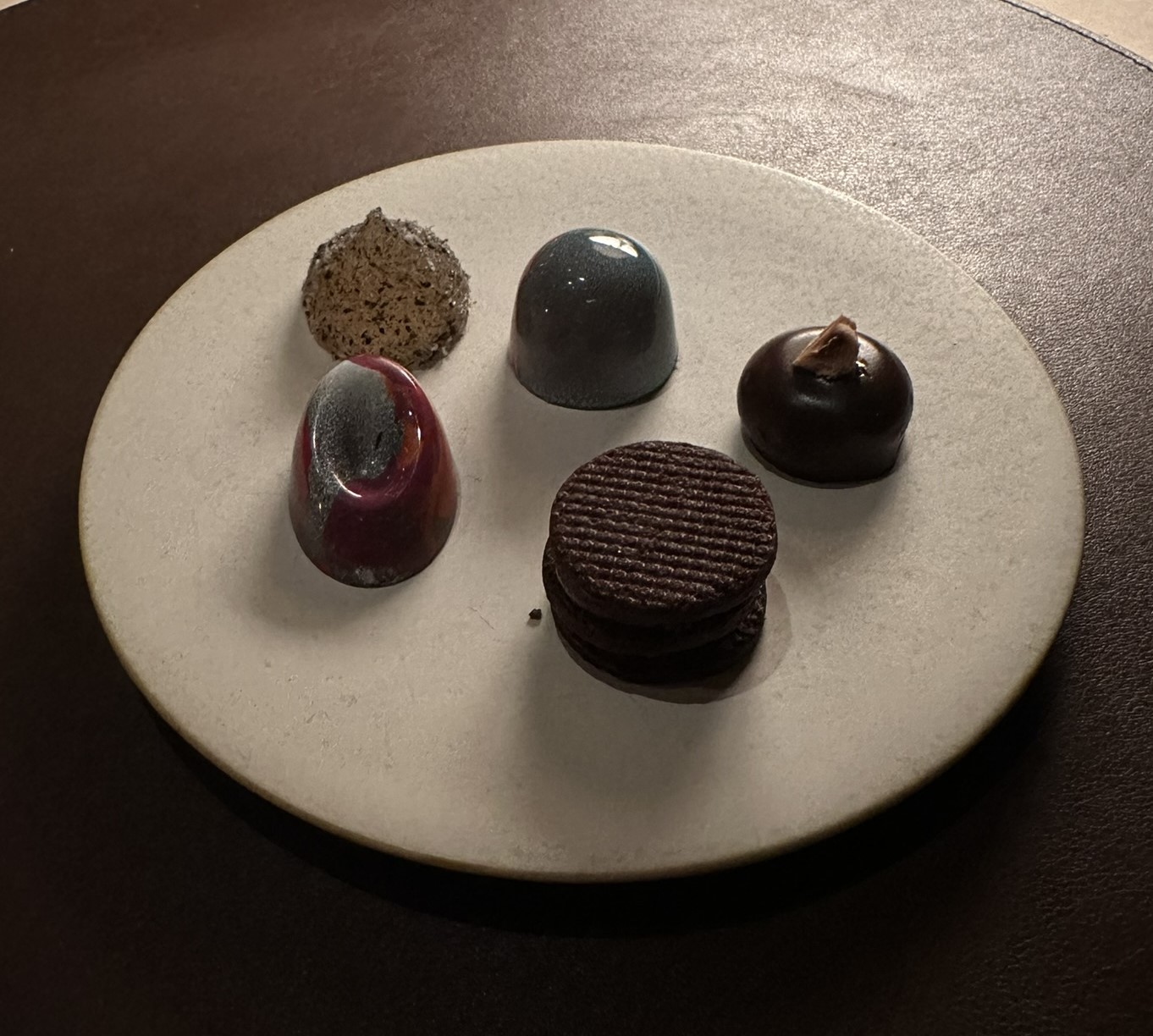
Mignardises were then presented from a cart. I asked the server for recommendations, which he gladly provided. Selections included hazelnut, blueberry bon bon, yuzu coated in black sesame sugar, raspberry black tea, and chocolate mille-feuille. It was a fitting conclusion to the evening.
Dinner at Quince was exceptional. The cooking was composed, precise, and remarkably consistent throughout the progression of the menu. While rooted in Californian cuisine with Italian and French influences, the restaurant avoids excessive theatrics or gimmicks, instead focusing on clarity of flavor and ingredient quality. Sustainability plays a major role in Quince’s philosophy, with much of the produce sourced directly from the restaurant’s own farm. The use of hyper-seasonal ingredients ensures that every component is showcased at its absolute peak.
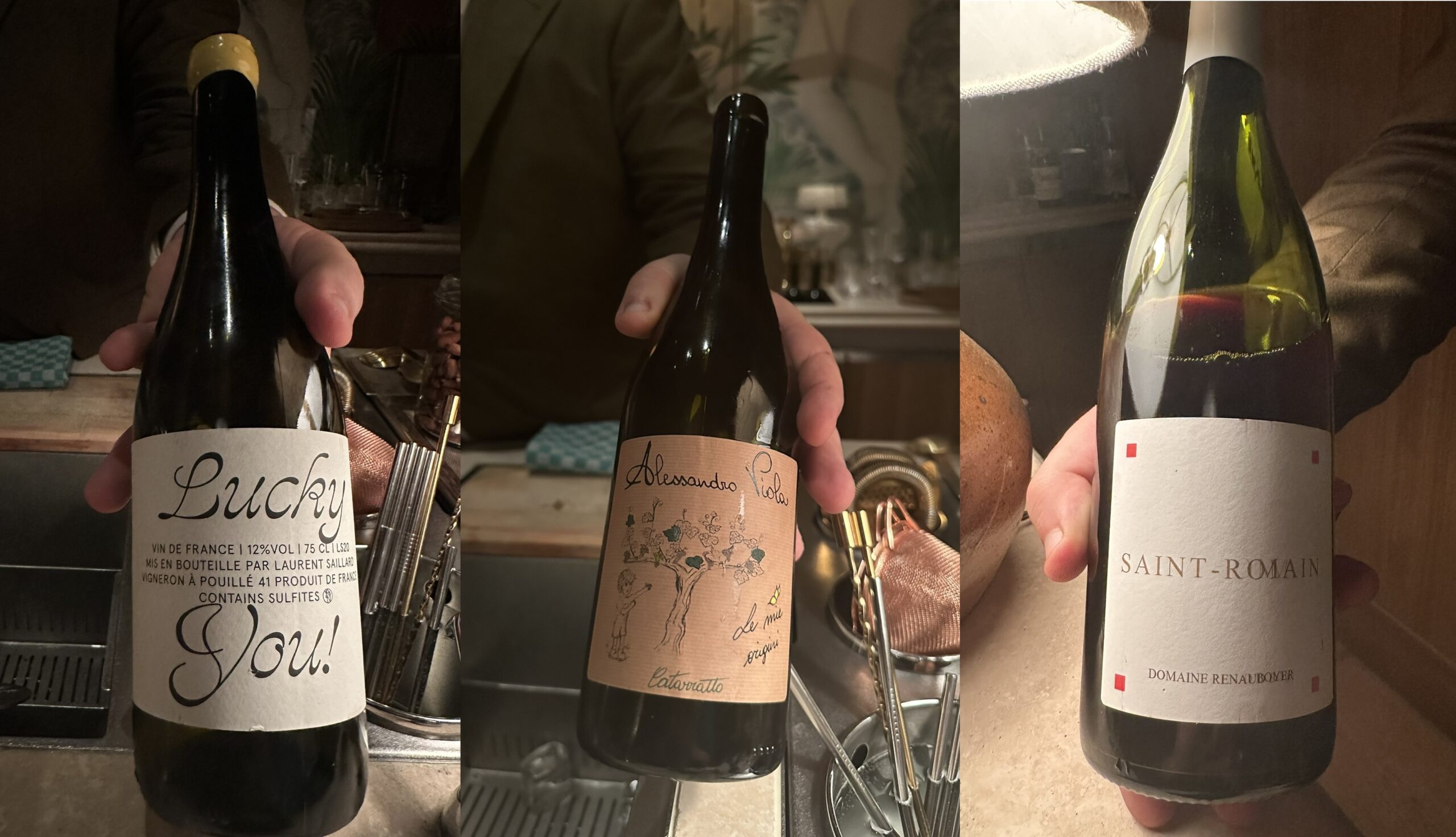
I requested three different wines to accompany the meal, and the sommelier’s selections were impeccable. He opted entirely for natural wines: a French white for the opening savory courses, an Italian red for the middle portion of the meal, and Pinot Noir for the lamb and squab. Each pairing complemented the dishes beautifully.
Though I was seated at the bar as a solo diner, the service never faltered. The staff working the bar area were personable and genuinely warm. Conversations between courses felt natural while still allowing enough space to focus on the meal itself. By the end of dinner, it felt as though I had known the staff for quite some time.
Quince is undeniably an expensive undertaking, though the same can be said for many of San Francisco’s top dining destinations. After taxes, service charges, and several glasses of wine, the final bill rivaled what I have spent feeding two people at other three-Michelin-starred restaurants around the world. It was likely the most I have ever spent in a single sitting.

While San Francisco offers no shortage of outstanding dining options, Quince’s longevity and continued evolution separate it from many of its peers. For more than two decades, the restaurant has survived economic downturns, shifting political climates, and the many challenges that have reshaped the hospitality industry both locally and nationally. Yet throughout it all, Quince has continued to thrive while remaining consistently ranked among the finest dining establishments in the country.
Addison ***

Addison
at The Fairmont Grand Del Mar
5300 Grand Del Mar Ct,
San Diego, CA 92130
(858) 314-1900
Official Site

As the state of California’s second largest city and the ninth most populous in the US with 1.3 million residents, San Diego is known for the world famous San Diego Zoo, Comic Con and its pleasant weather all year round. However it hardly comes up as a food destination even though the city boasts plenty of excellent places to eat. It wasn’t until the Michelin guide star wide expansion in 2019 put the city of San Diego on notice. 2022 was the year San Diego was officially recognized in the global culinary map when the Michelin guide awarded Addison three Michelin stars making it the very first in Southern California.

Addison has been awarded all the accolades that a restaurant can receive. It holds the Forbes Five-Star, AAA Five-Diamond, and is an esteemed member of the Relais & Châteaux hotel and restaurant group. The restaurant has consistently ranked among the best, not only in the state but also in the country. In the Michelin Guide’s inaugural statewide edition in 2019, Addison was awarded one Michelin star (some argued it should have received at least two). The second star came a year later, and finally, in 2022, the ultimate third star was just the icing on the cake.
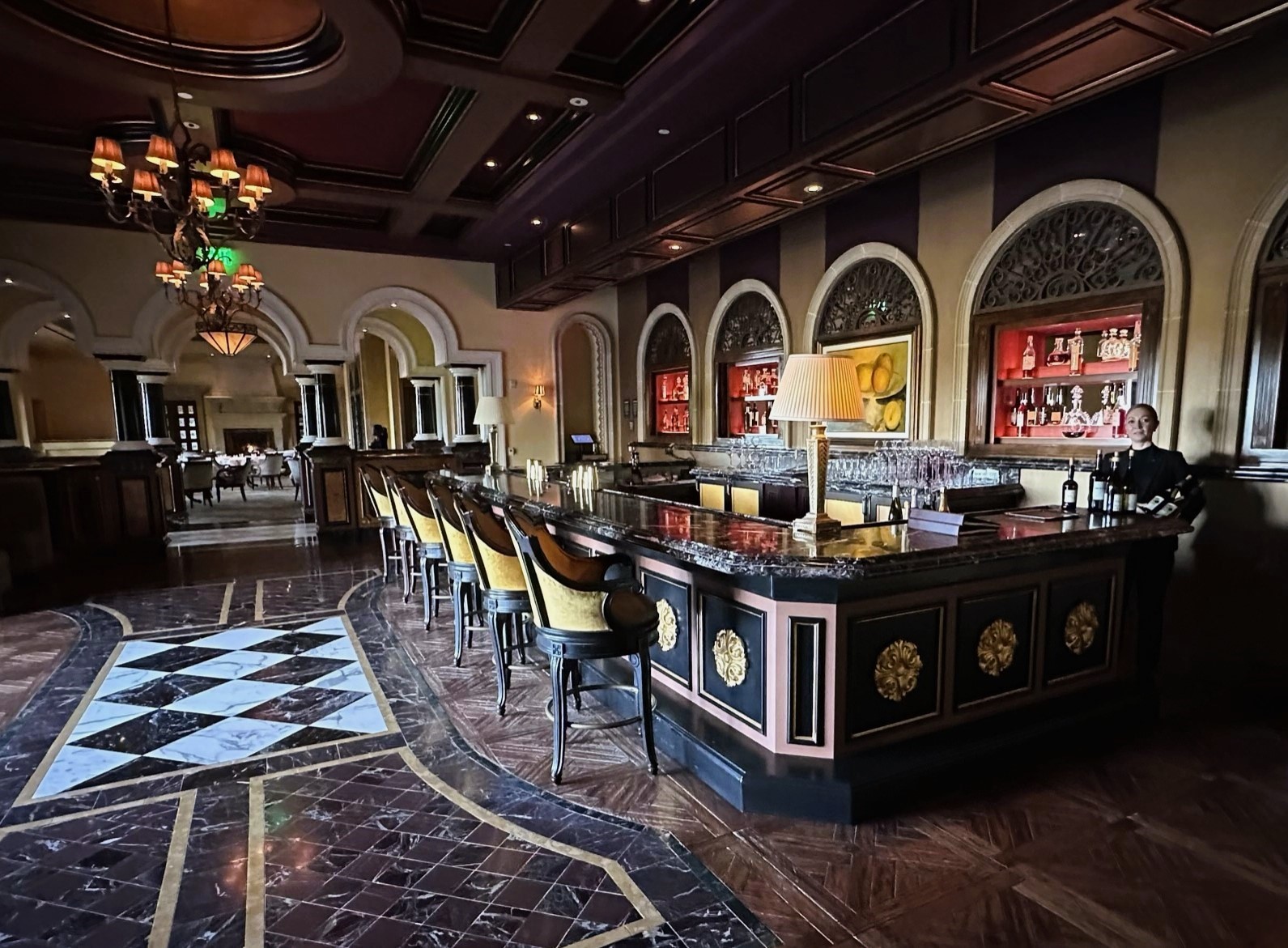
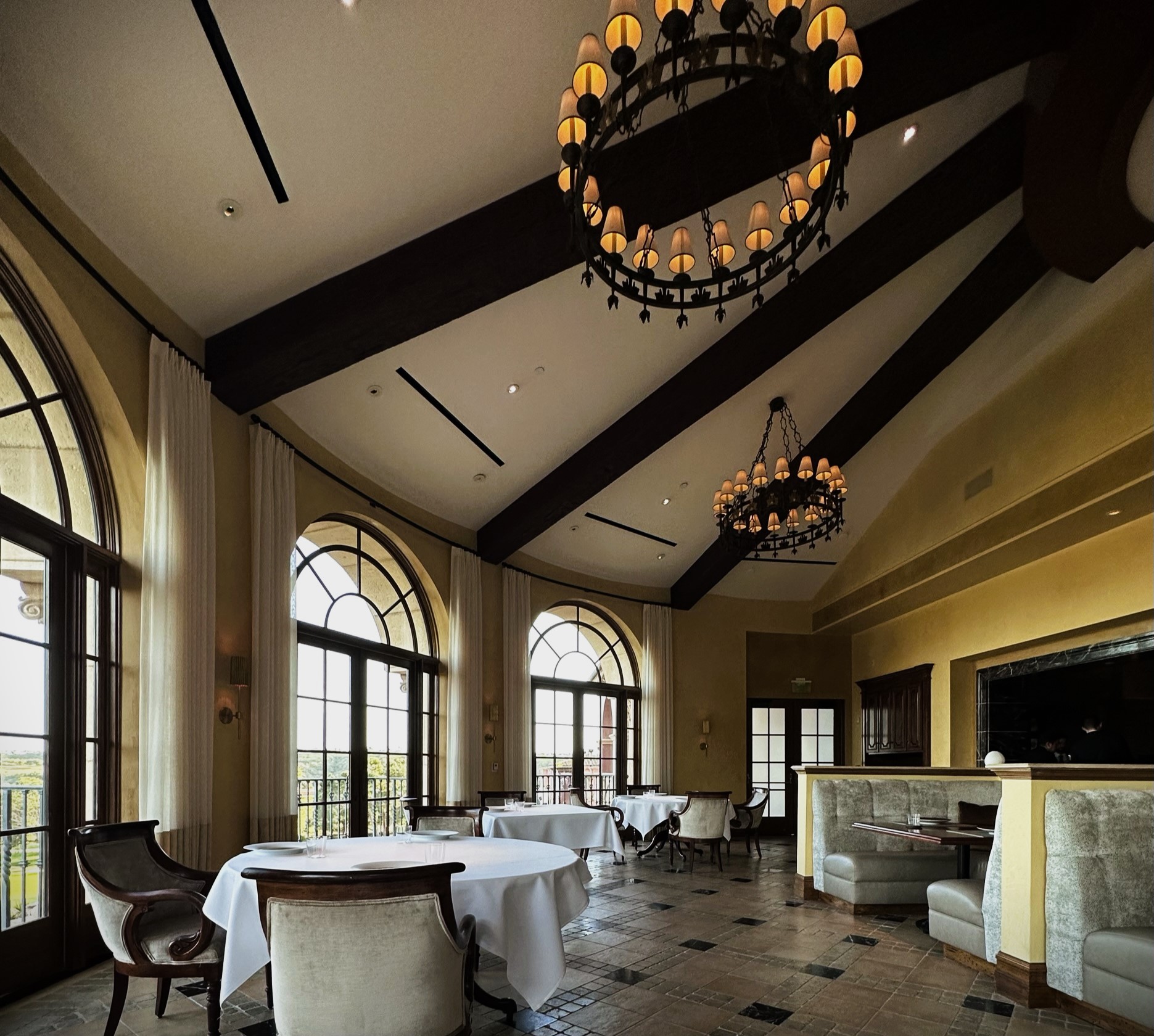
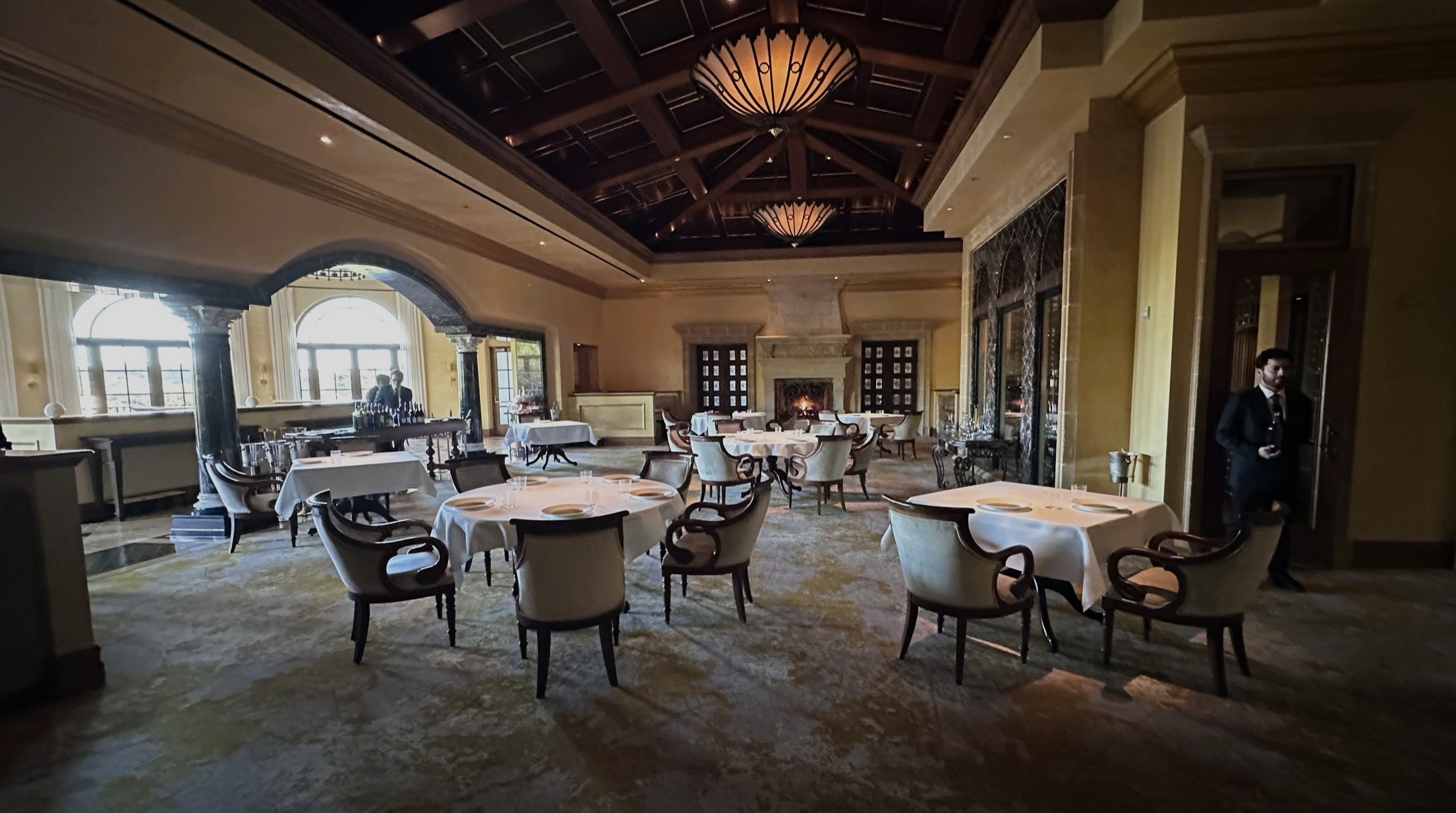
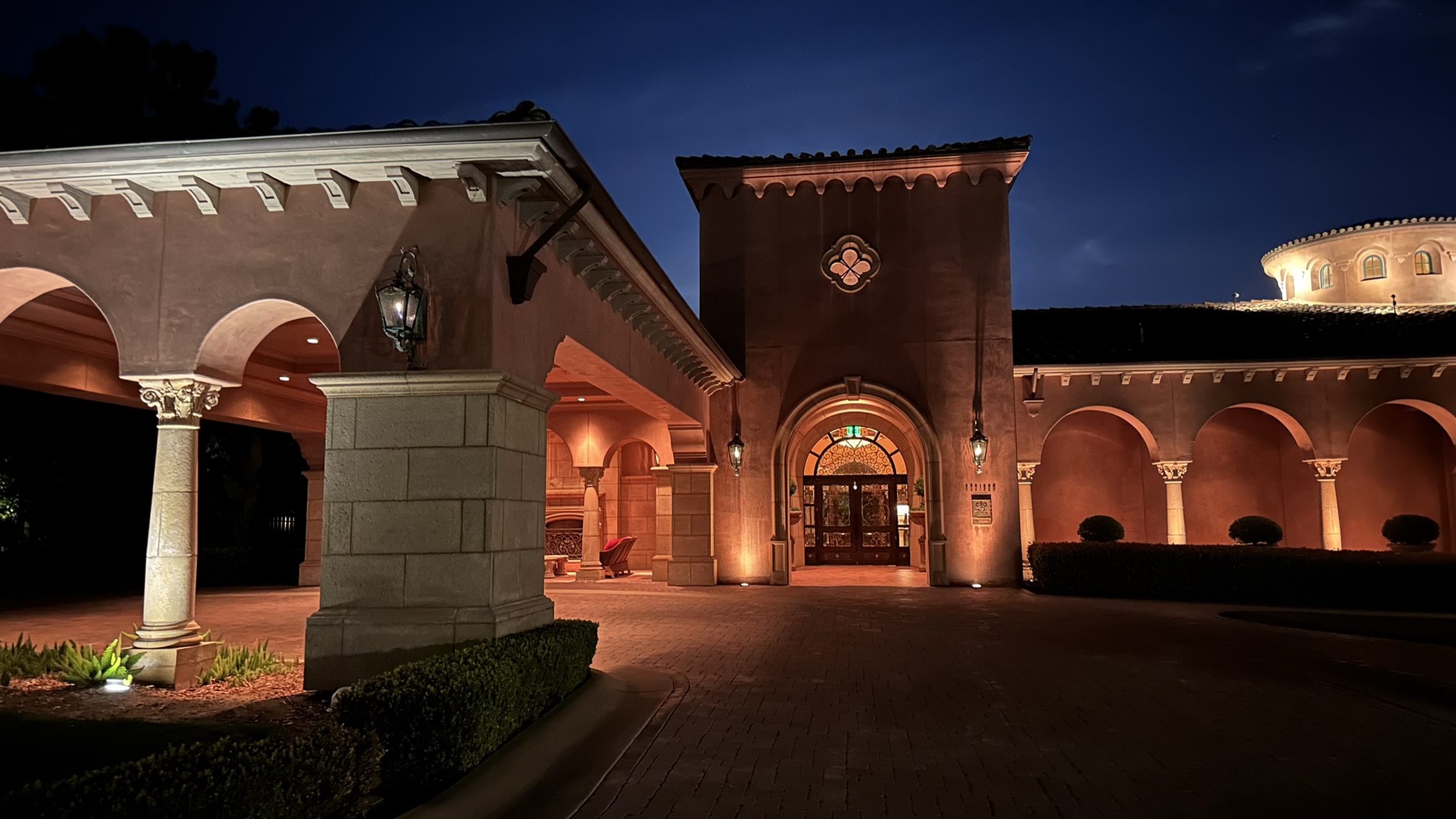
The restaurant is situated within the luxurious Fairmont Grand Del Mar resort, housed in its own distinct edifice. Guests are welcomed by a waiting room with  a cozy fireplace, which leads into a spacious bar area. The Addison dining room boasts large windows that offer views of the surrounding area. The dining room itself is expansive, with high ceilings and generously spaced oversize tables. Although the decor is a bit outdated, it still exudes charm and luxury.

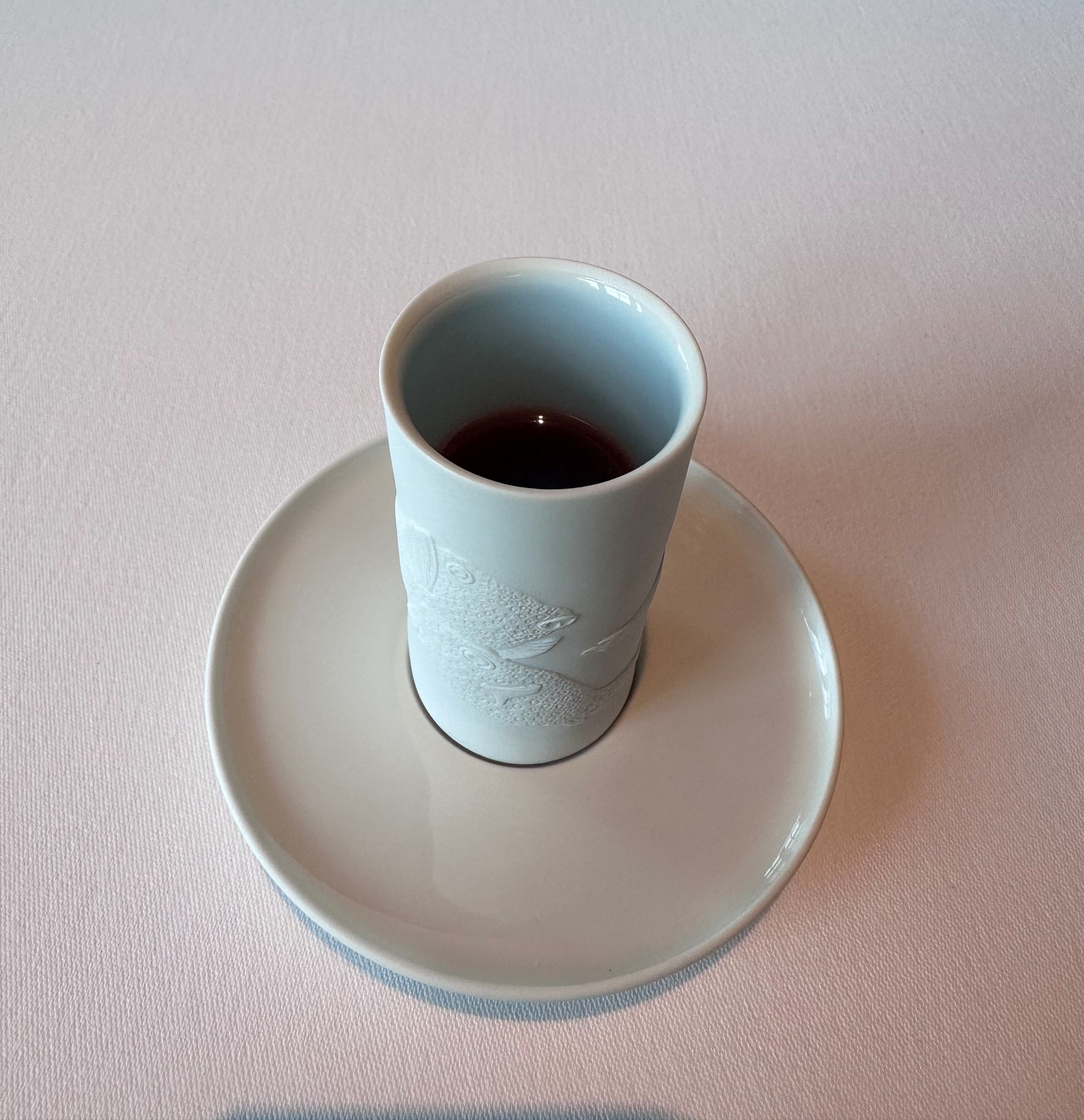
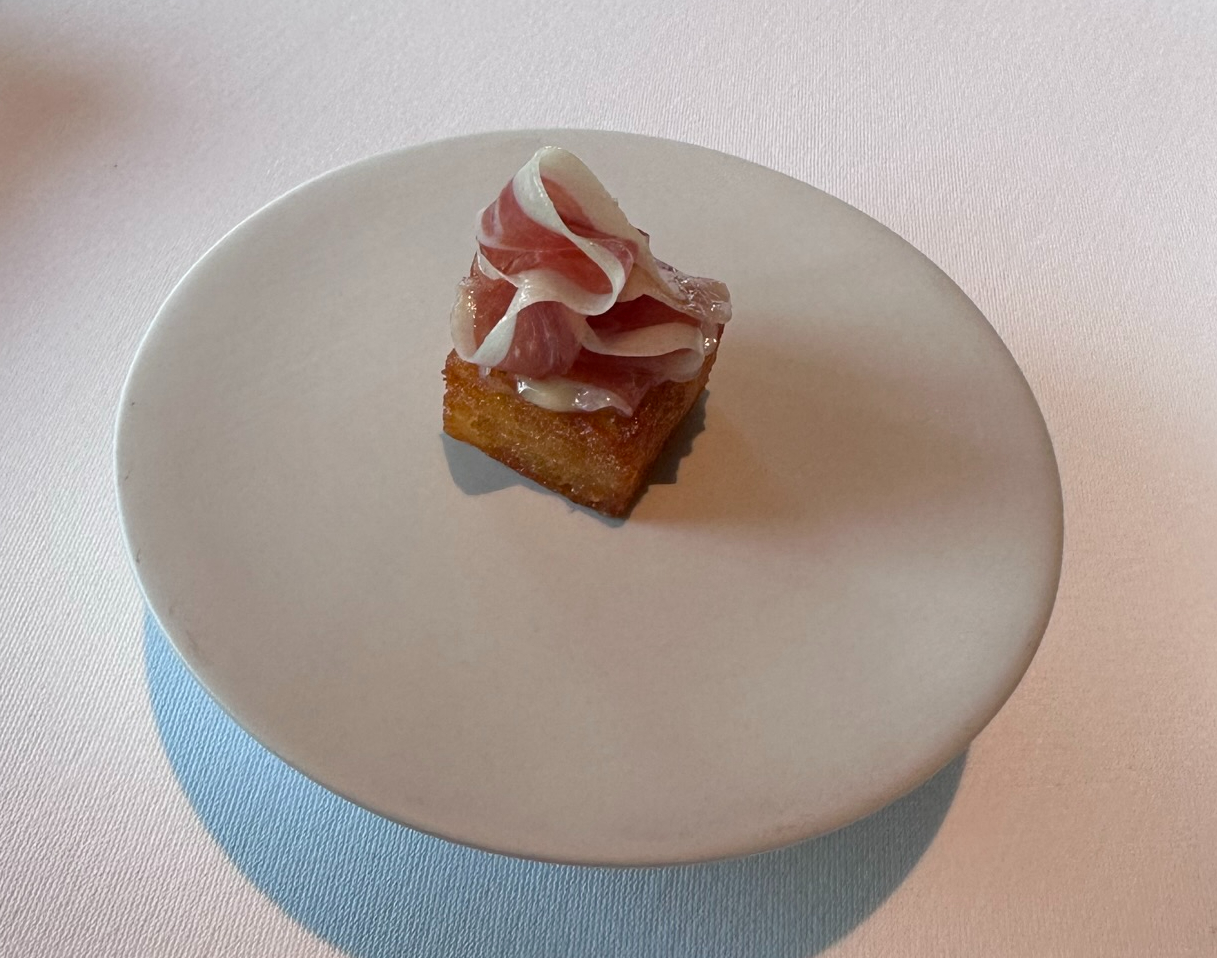
Only open for dinner, Addison offers a single tasting menu priced at $355 at the time of my visit (excluding tax and gratuity). A small glass of warm guava hibiscus and apple drink filled with fruity aromatics prepared my palate for what was to come. This was immediately followed by an array of small bites served all at once. The Sake Cured Kampachi Nigiri has a pleasing cured and spicy flavor, while the Kumamoto Oysters with pickled rose apples and champagne has a light and clean oceanic taste. The Mexican-inspired Chicken Liver Churro with bitter chocolate was a delectable contrast, and the Sage Hill Ranch Garden Greens was a true vegetal delight. Lastly the Iberian Ham with crispy potato and aged sherry was a nice savory bite. These starters were an amazing introduction to dinner.

Tasting Menu:

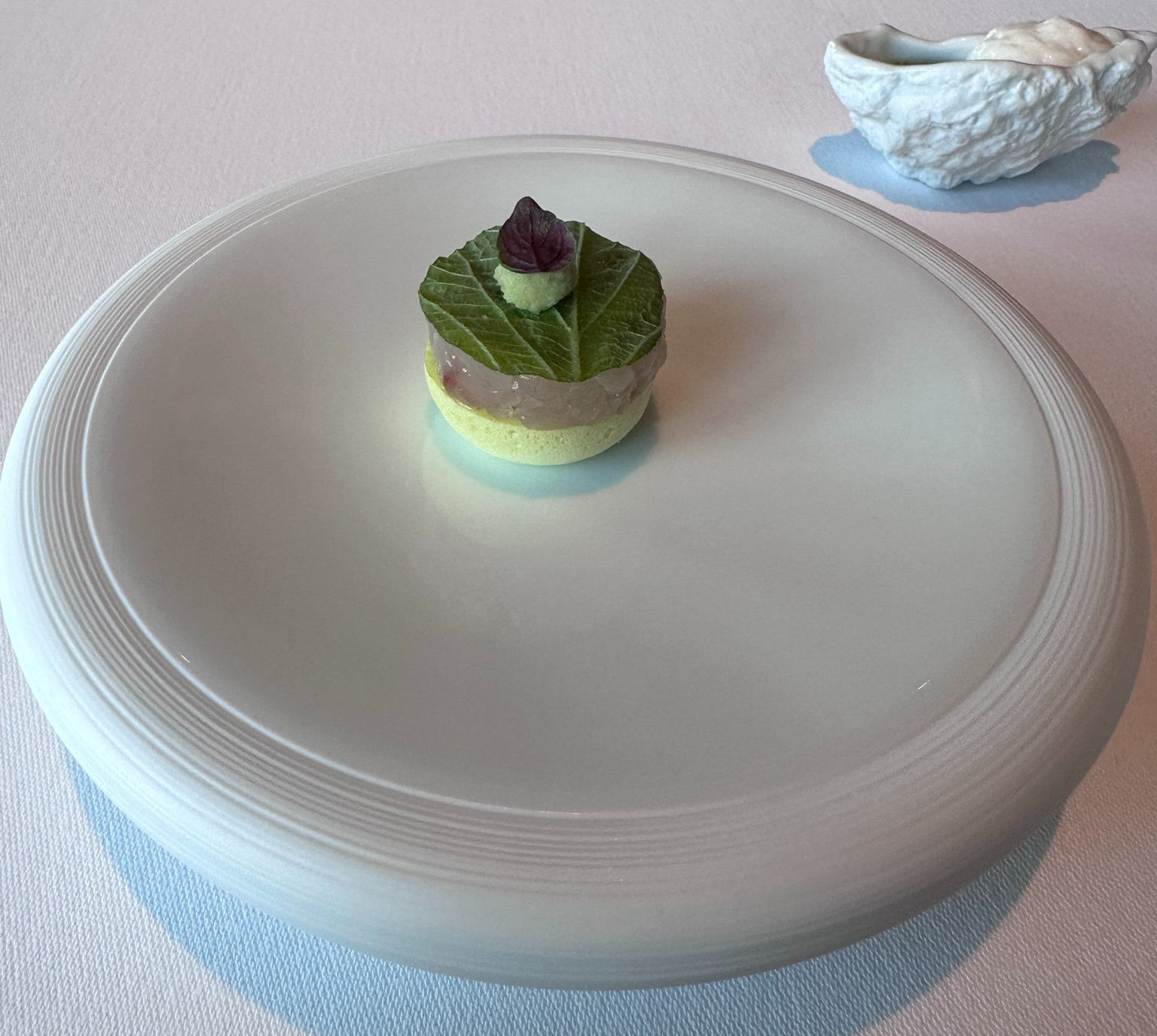
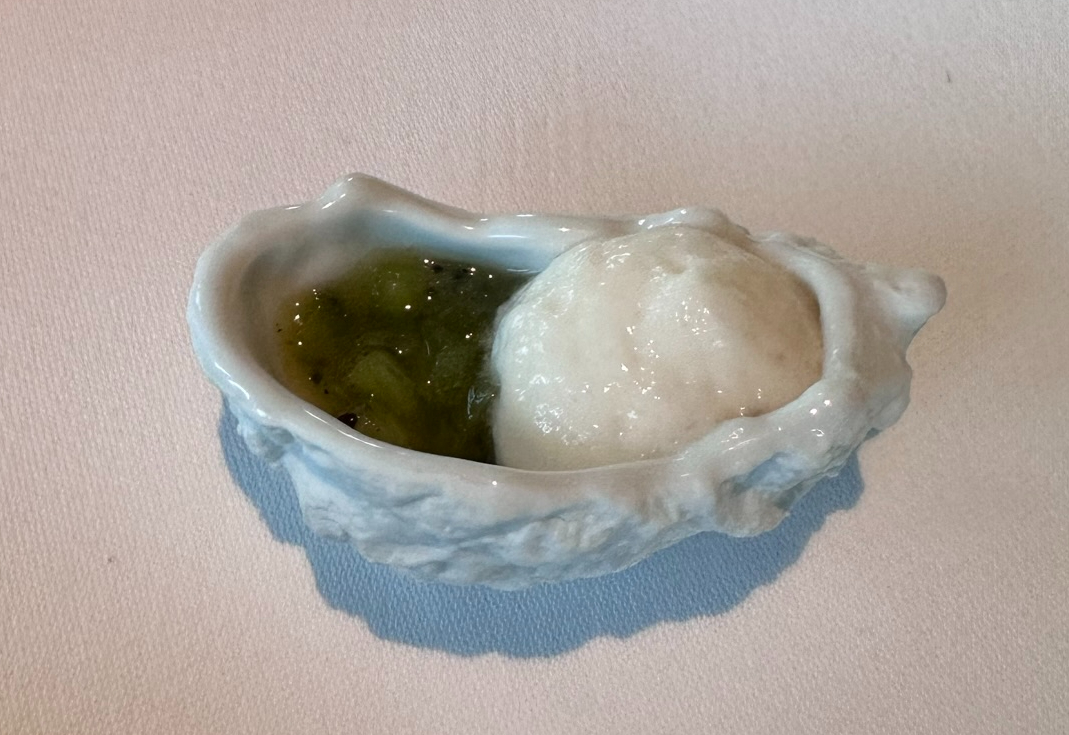
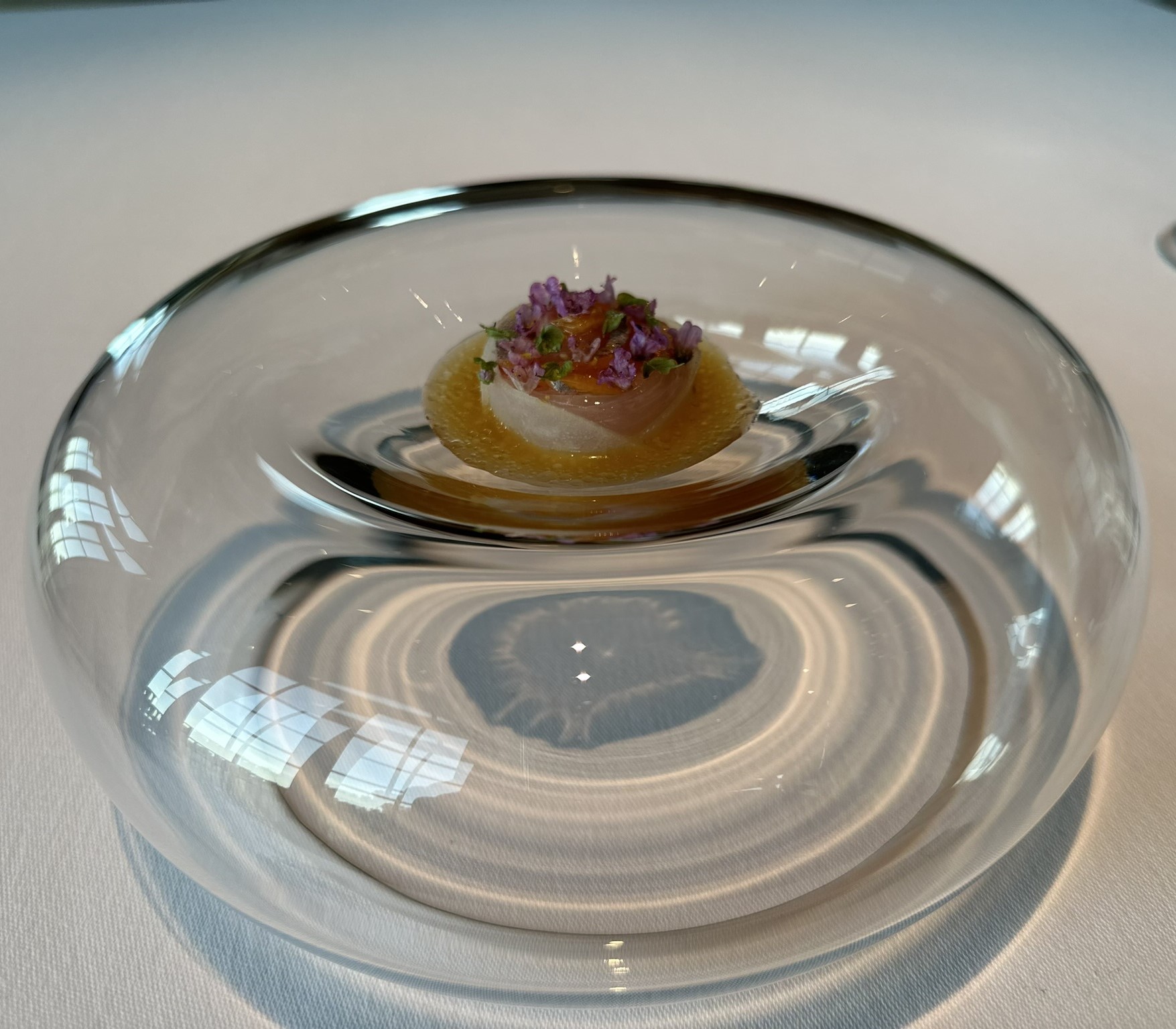
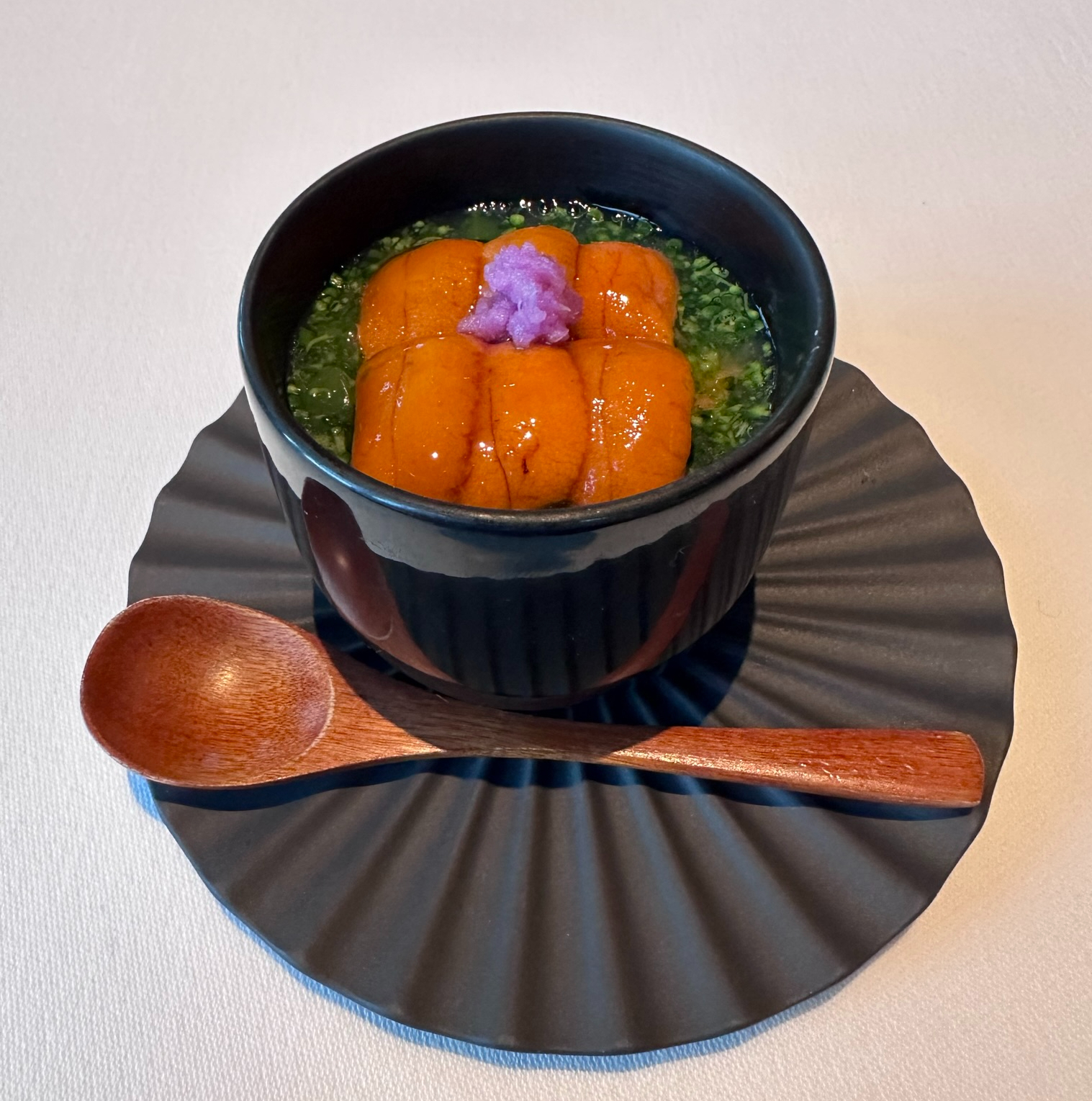
 The first course featured Kampachi Sashimi with Preserved Pears and Pinchuberry-Ponzu Kiwi. The delicate kampachi, boasting exceptional freshness, with bright flavors that harmonized beautifully with citrus notes. Next, Shellfish Chawanmushi with Broccoli, Bok Choy, and Purple Daikon provided a superb interplay of hot and cold temperatures. The custard’s sharp shellfish essence was complemented by the textured bitterness of chopped bok choy.

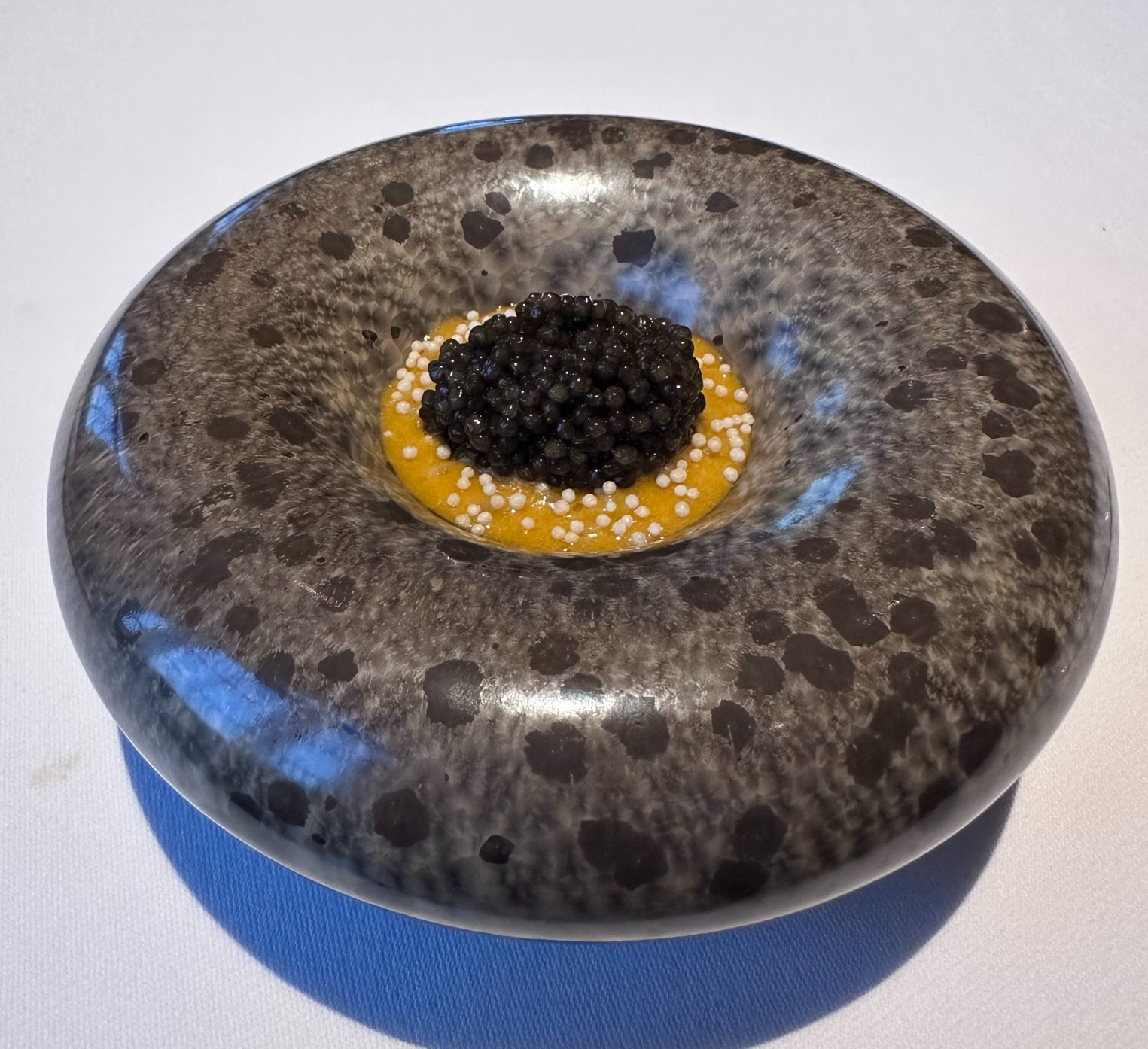
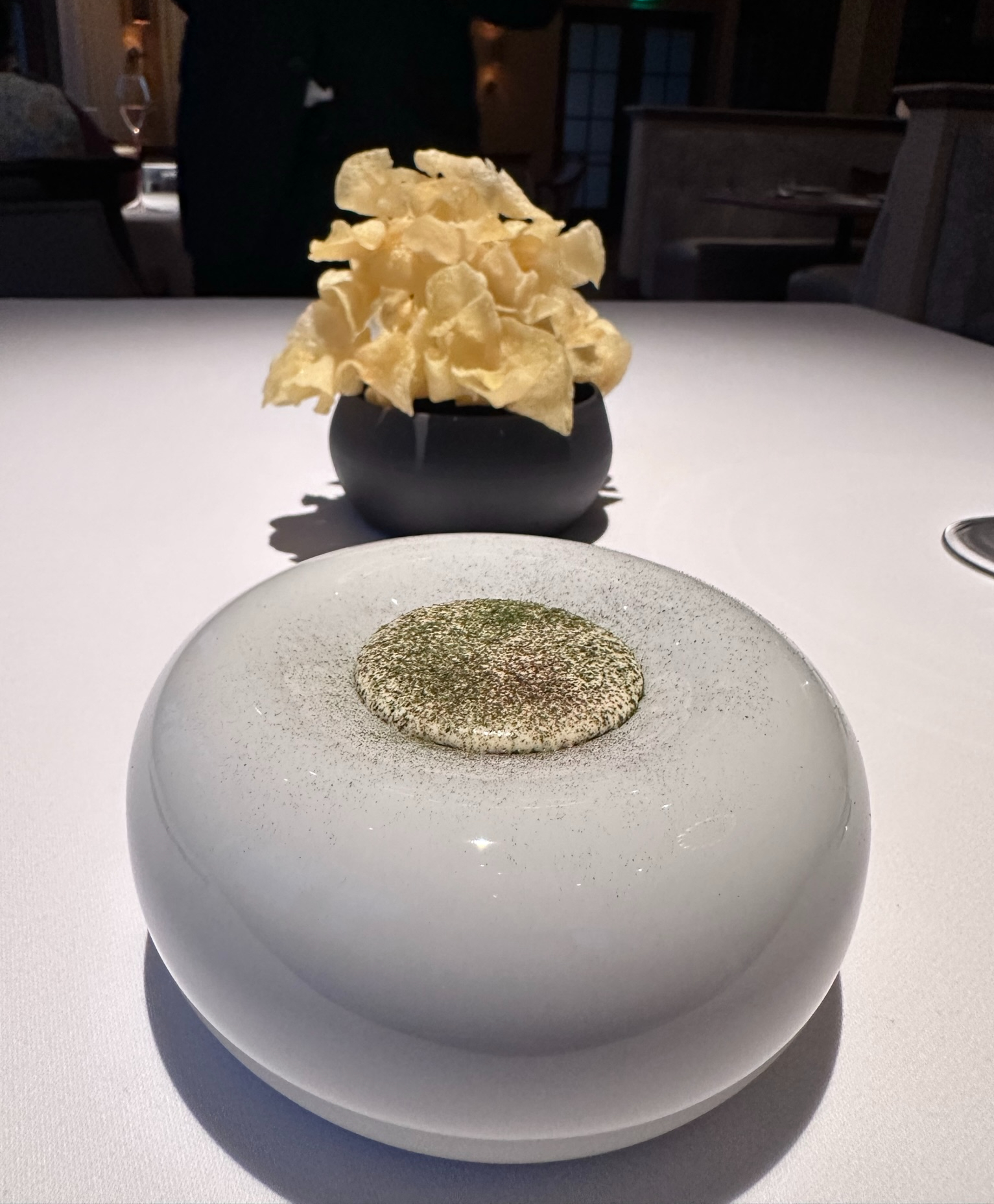
The Reglis Ova Reserve Caviar with Koshikari Rice, Smoked Sabayon, and Sesame presented a rice bowl of premium Japanese rice. The eggs imparted excellent creaminess to the rice, while the sabayon added a hint of smoke, and the caviar contributed a perfect touch of salinity. These combined elements created a  balanced dish. Next came Salt and Vinegar Chips with Toasted Dill and Burnt Onion Dip. The extra crunchy chips provided an ideal neutral base for the dip, which was richly flavorful, with a terrific burnt note enhancing its richness.

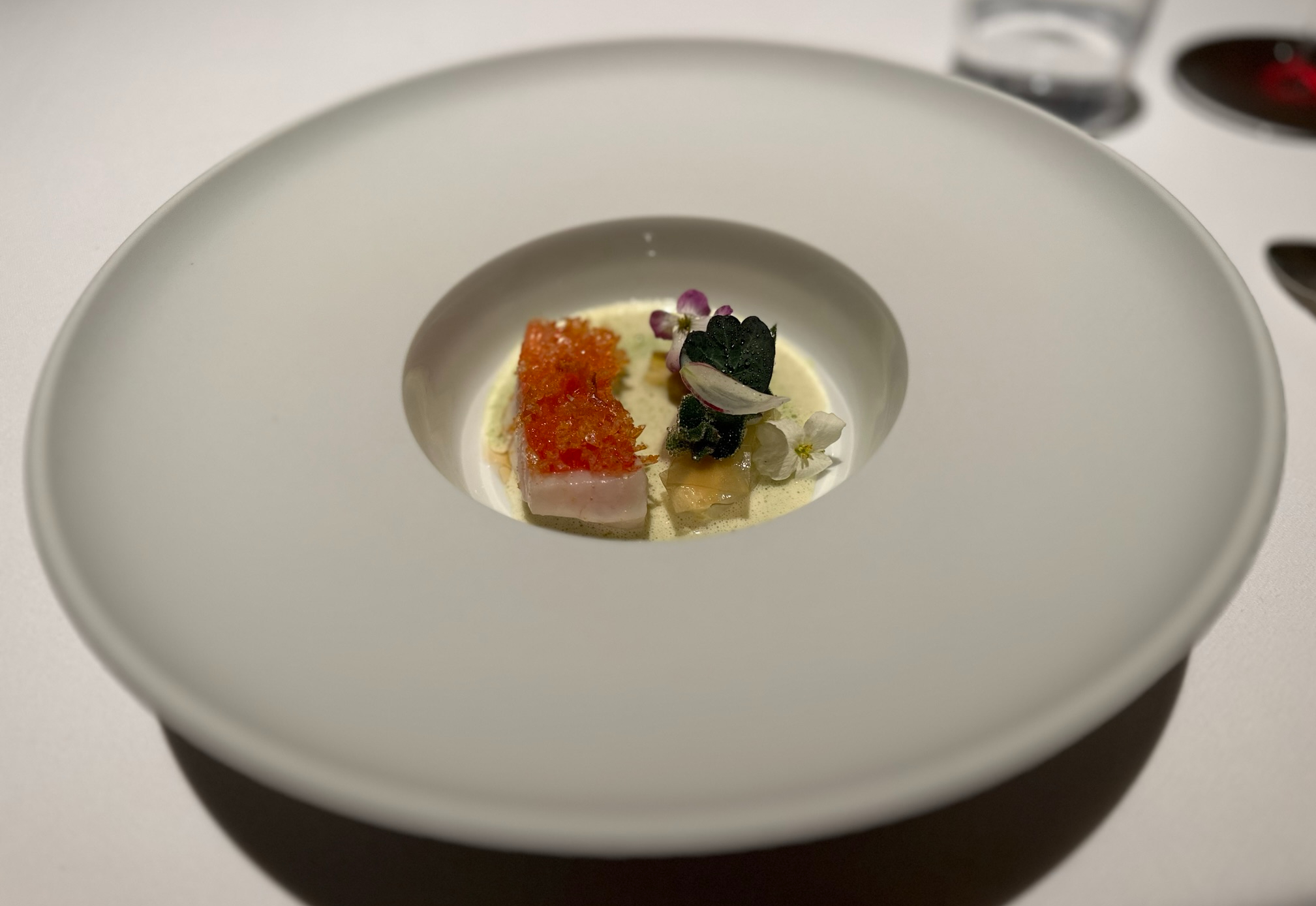
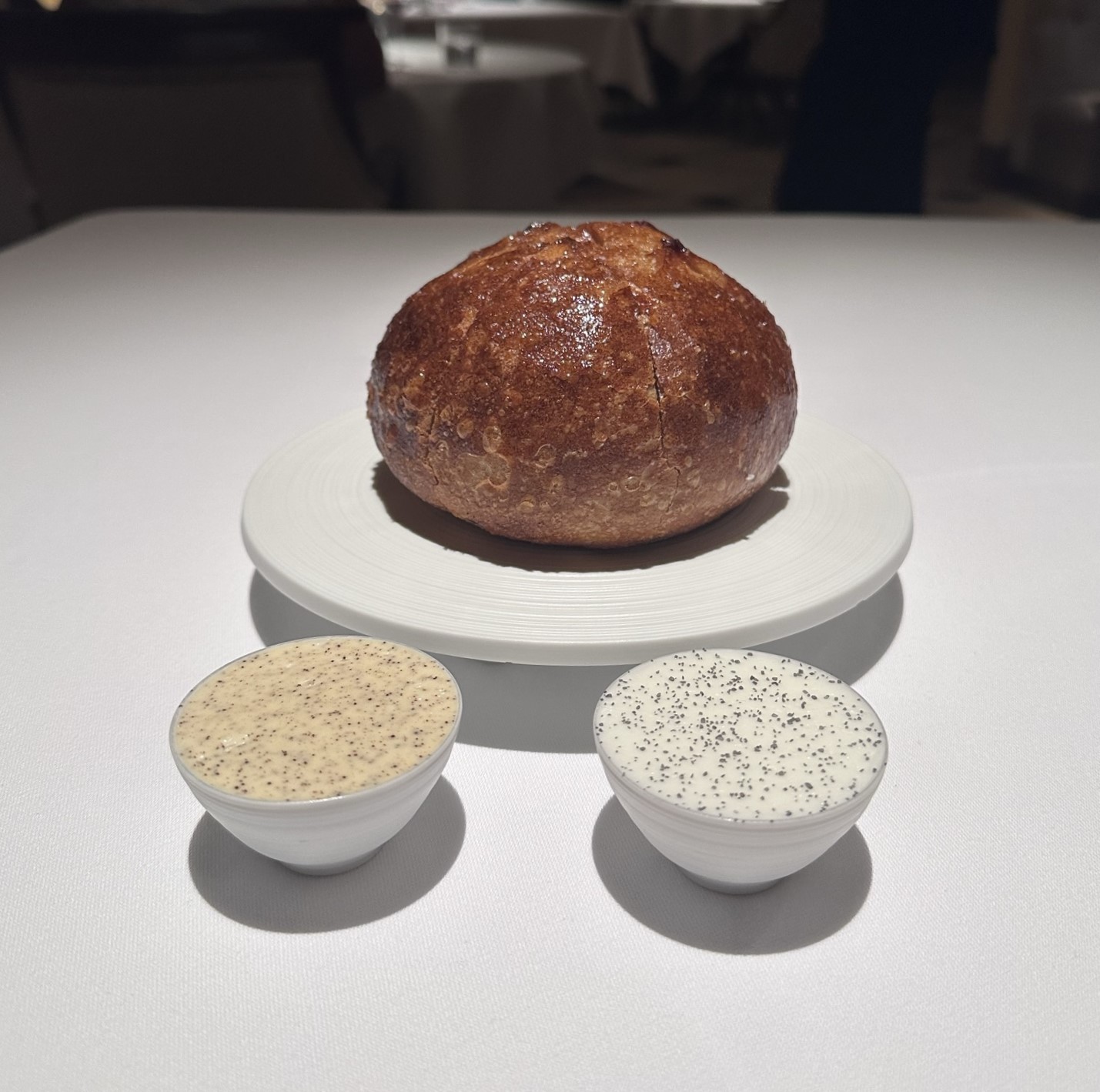
Continuing with Splendid Alfonsino, Flavors of Winter, Battered Kelp, and Clam Butter, a tender piece of fish with expertly fried scales rendered an extra crispy texture. The foamy clam butter sauce was delicious, with chive oil adding a zesty element to the fish. Bread is typically served at the beginning of a meal, but here it was presented as its own separate course. Sourdough Bread with Goat’s Milk and Browned Honey Butter arrived at my table with two types of butter. The freshly baked bread had a crackling lacquered crust. While goat’s milk butter isn’t usually my preference, the brown honey butter was incredibly good, and I couldn’t get enough of it.

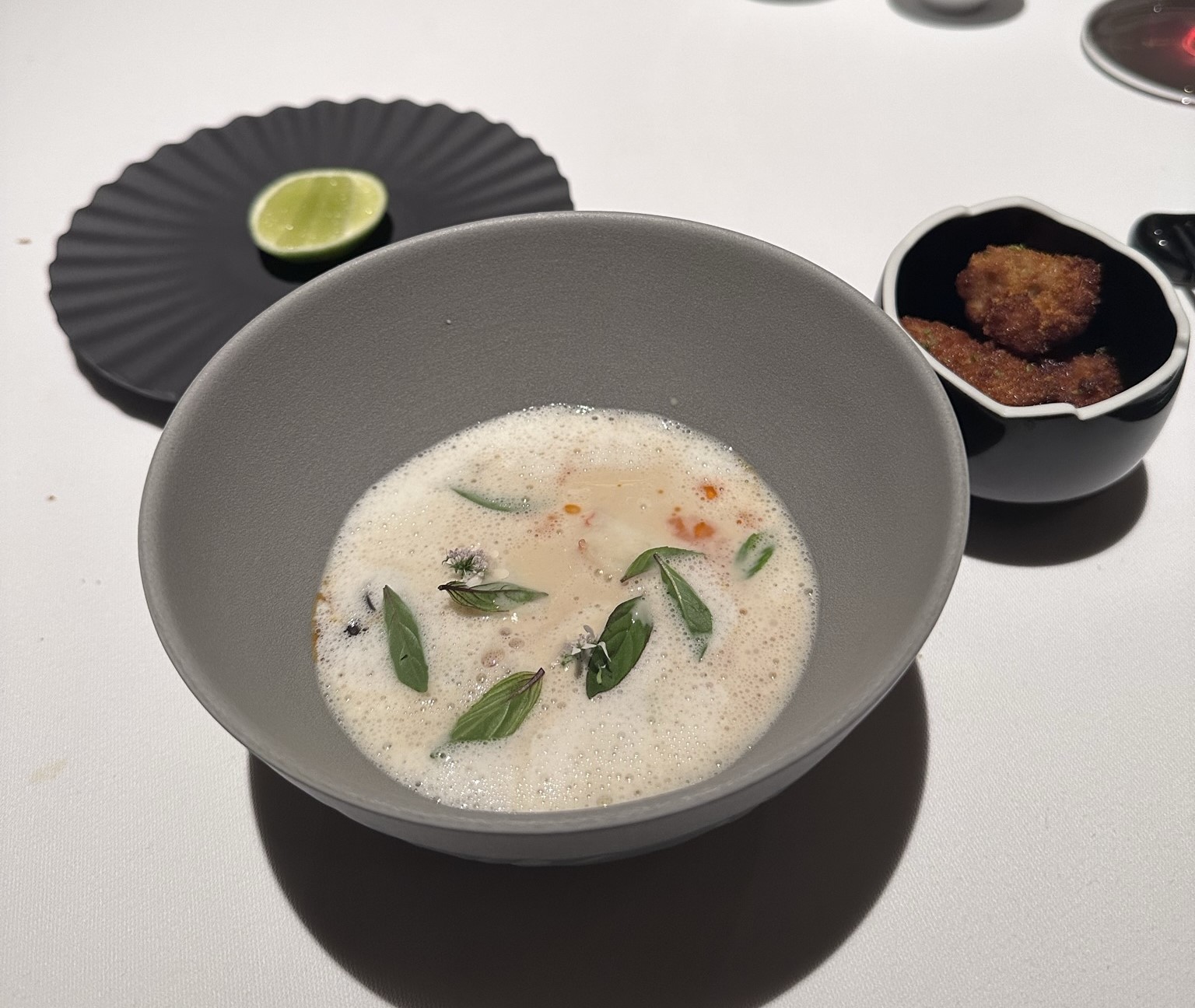
Afterwards, the Tom Kha Guong Sweet and Sour Fowl, King Crab, and Swarnadwipa was served. This reinterpretation of the staple Thai soup by the restaurant offered robust flavors with a refined twist. The soup contains chunks of delectable king crab meat, accompanied by a side of crispy fried chicken nuggets that were equally delightful.

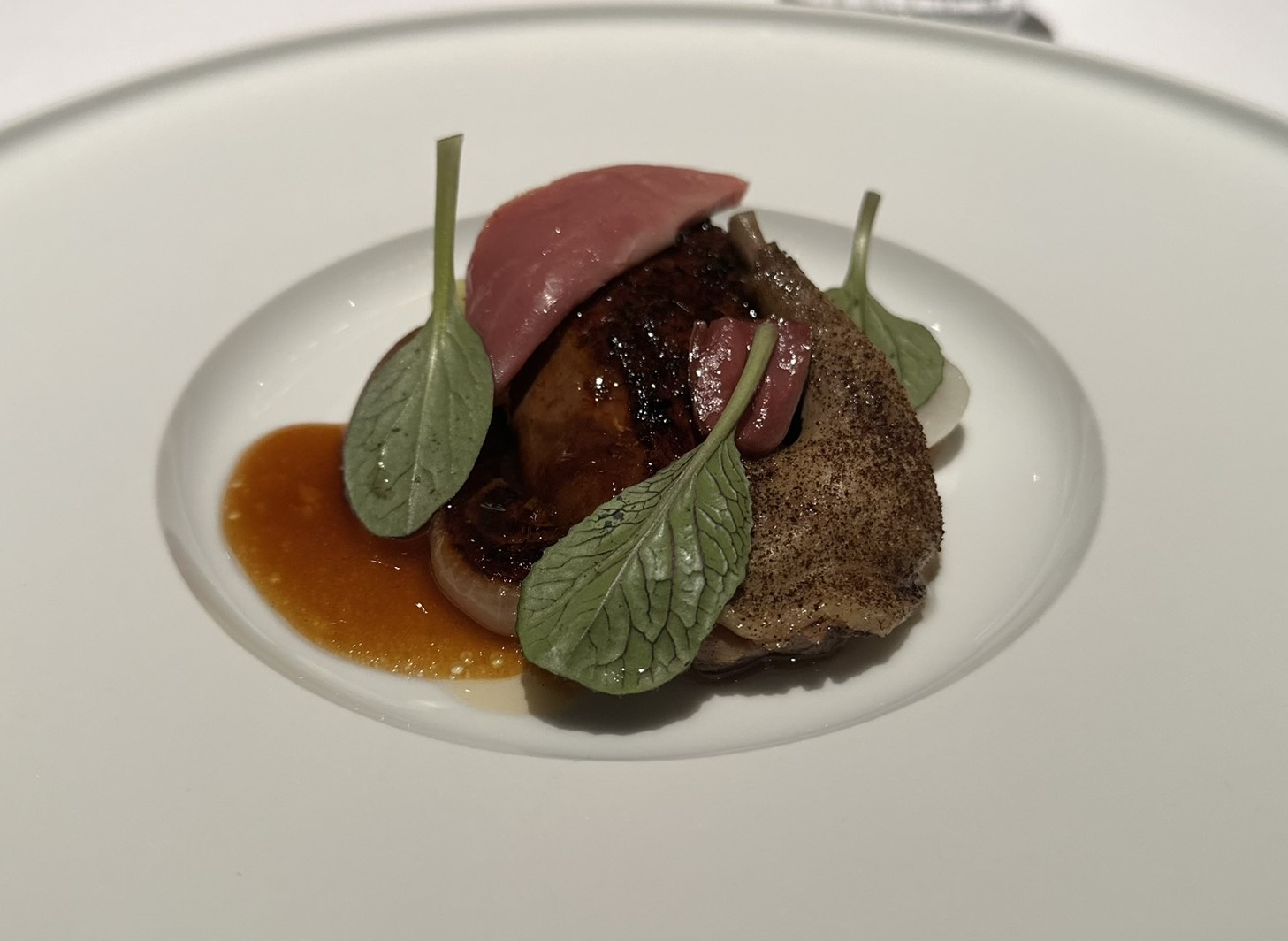
Squab Yakitori, Peanut Miso, Pak Choy, and Tokyo Turnips was the main course for the evening. Different parts of the squab were prepared skillfully. The leg was grilled to perfection and dusted with shiitake mushroom and coffee, adding a blend of earthy and bitter flavors. The other cuts of meat were succulent and flavorful. The peanut miso had a sweet and savory character that successfully paired with the squab. This was an exceptional main course.

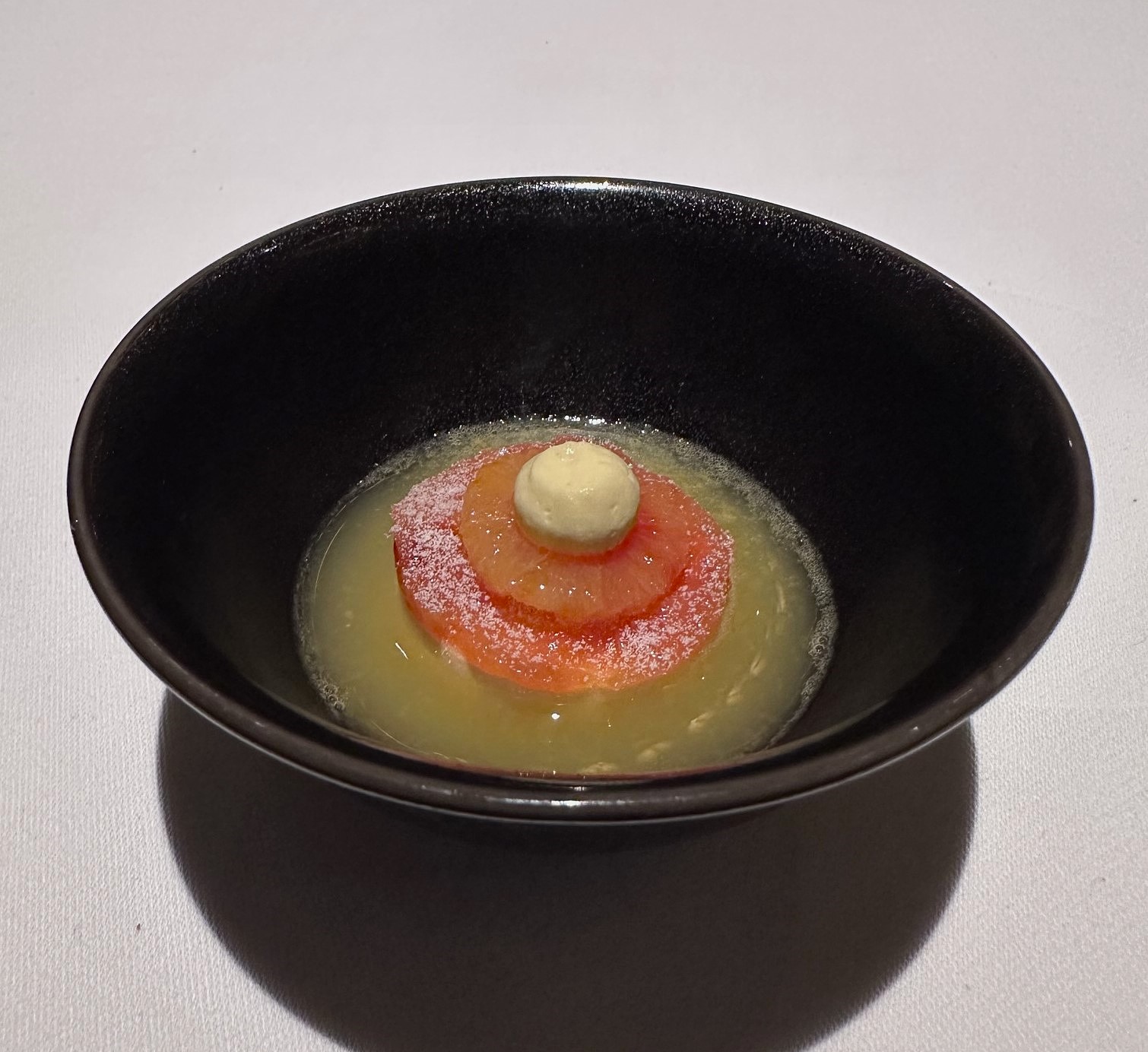
“Creamsicles” was the palate clean ser, made from coconut cream, blood orange, tangerine, and orange sherbet chutney. This was quite refreshing, citrusy, and had a hint of spiciness.

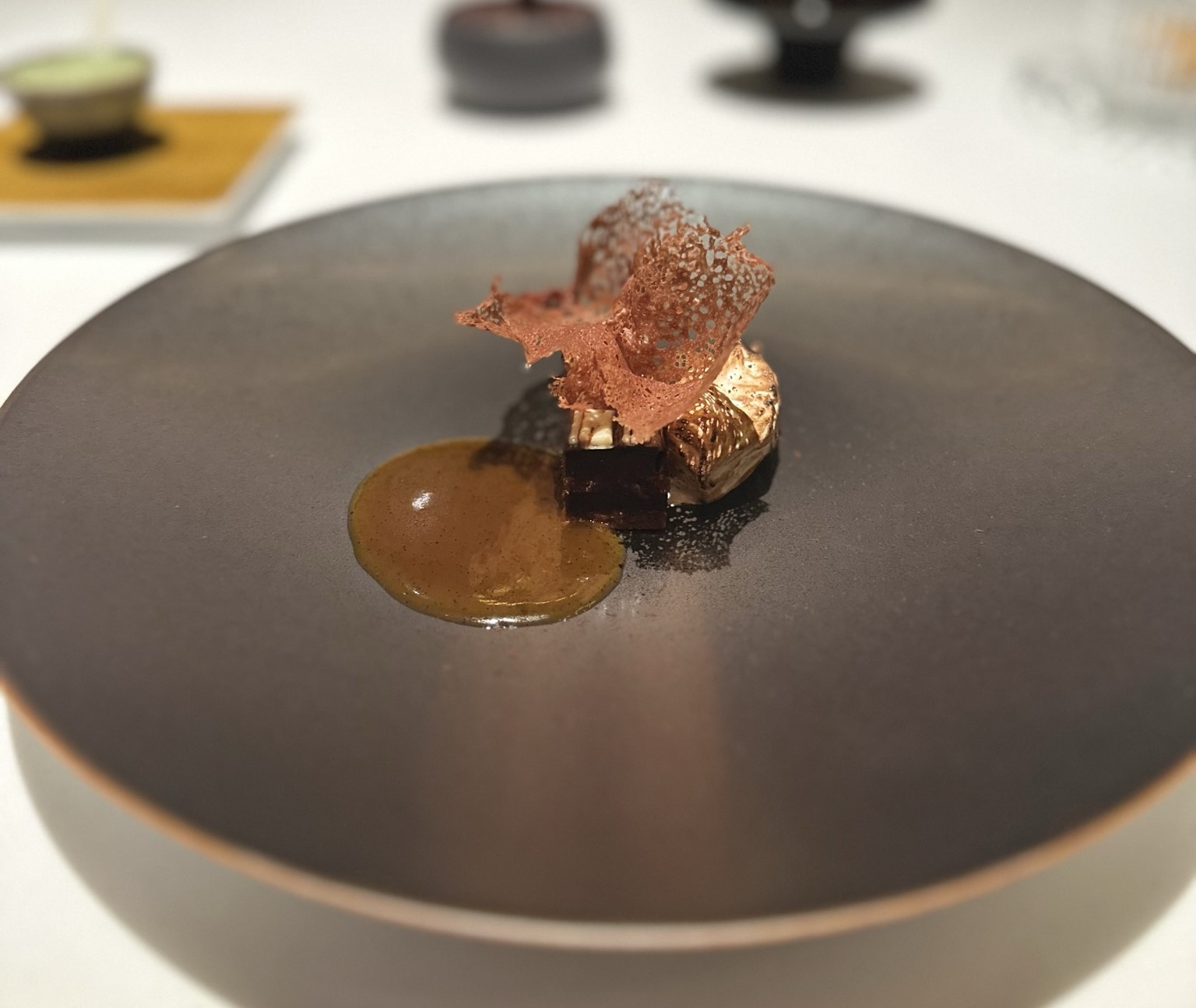
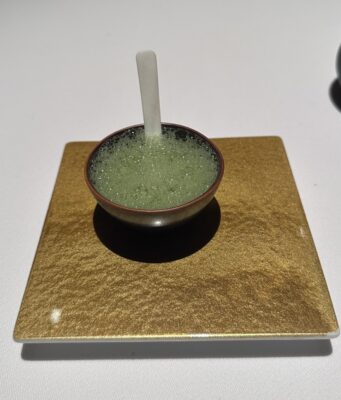
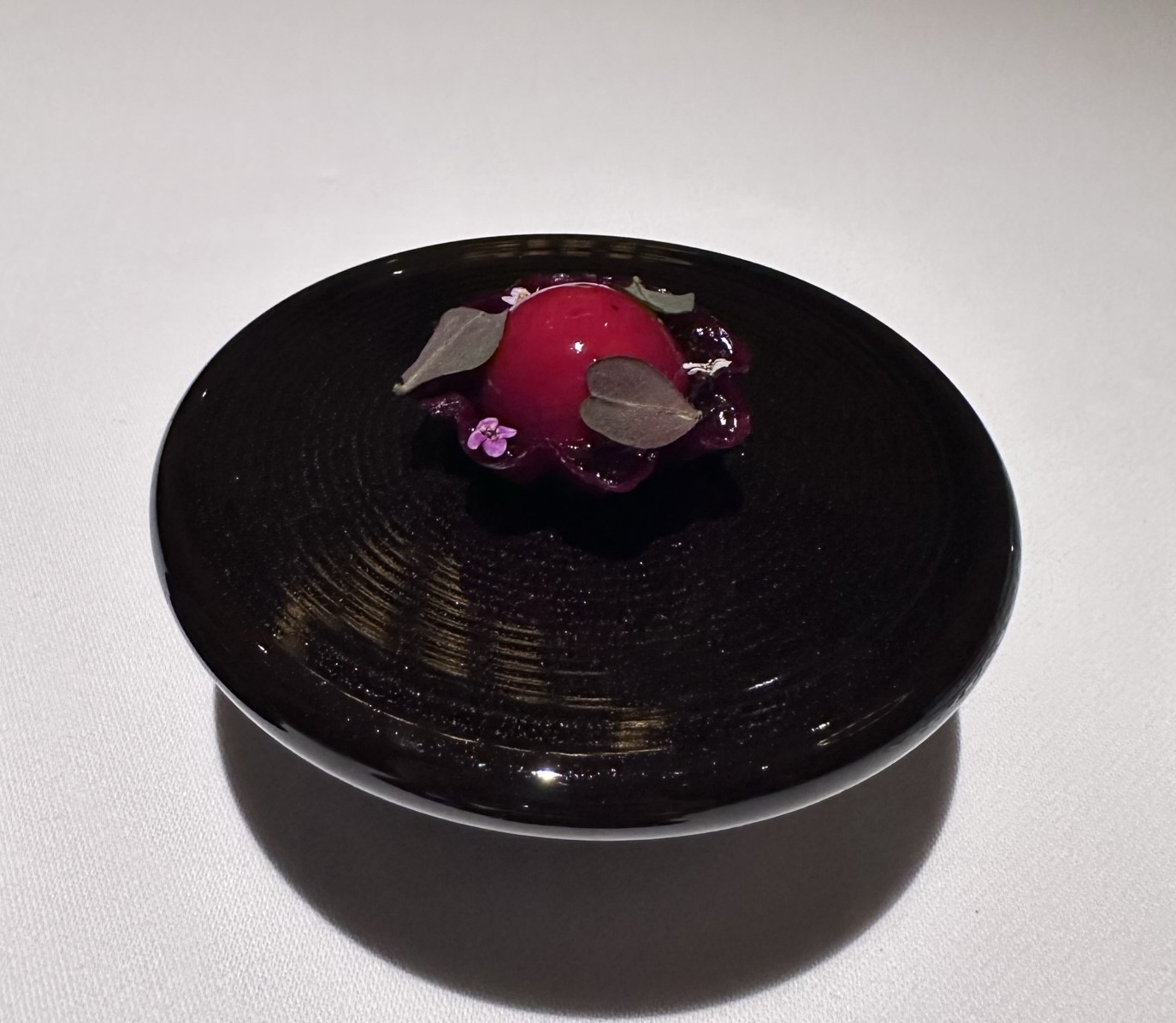
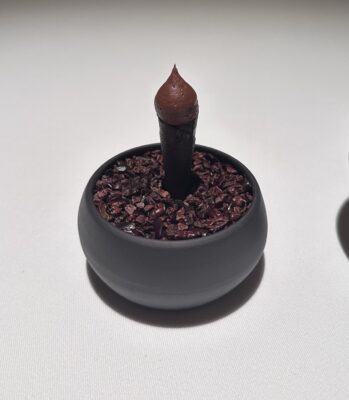
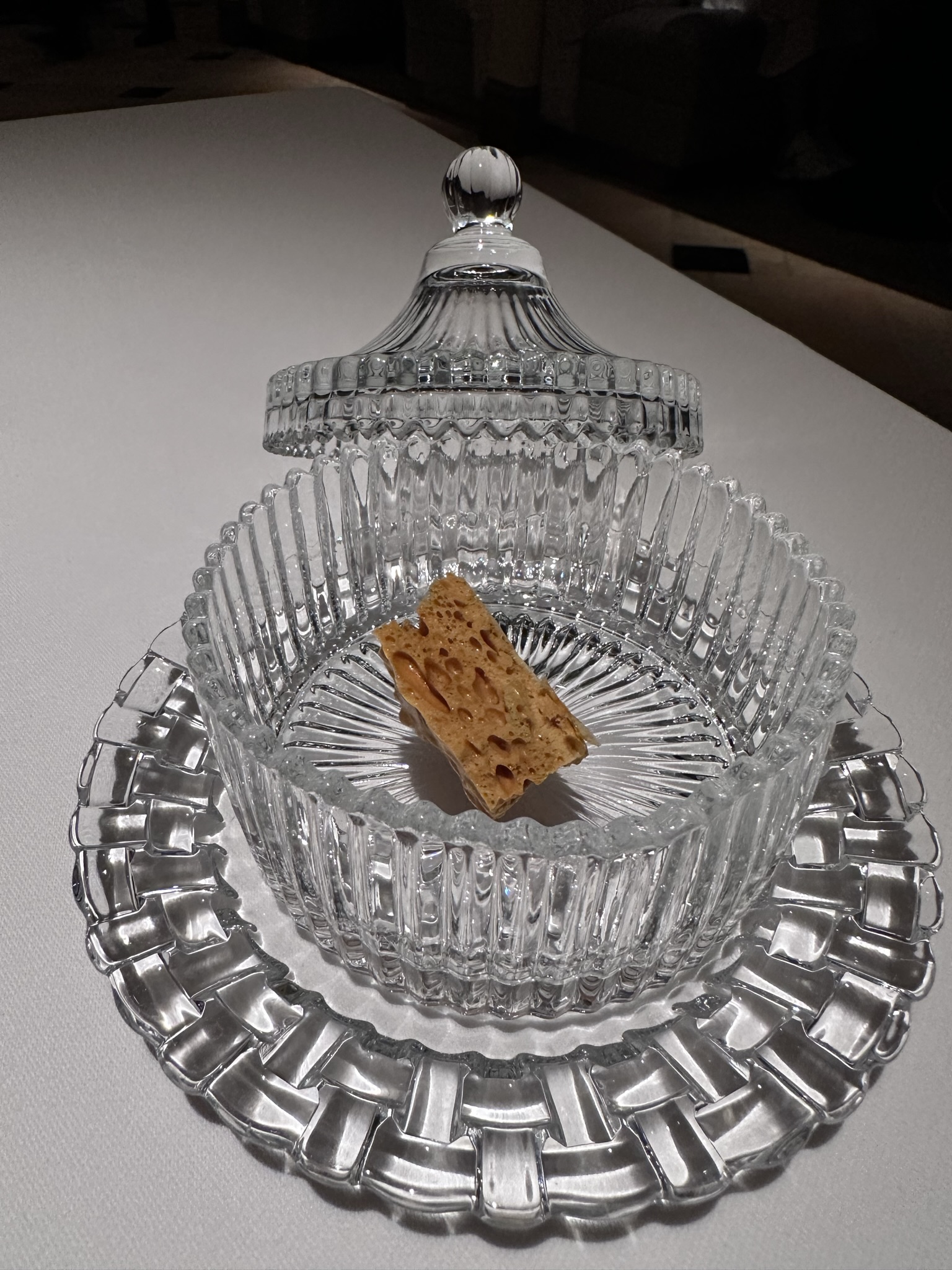
The Sweet Treats consisted of two parts presented simultaneously. One was a large dessert plate of Praline Crunch, Mezcal, Passion Fruit, and Toasted Fluffi, which had a sweet and salty aspect to it. The passion fruit and mezcal sauce provided a pleasant acidity and fruitiness. The other part was a parade of small treats: Yuzu Custard Ceremonial Matcha (foamy, grainy, and limely), Berry-Beet Tartelette with Verjus and Vanilla (not as sweet as it looked but rather had a earthy and fruity notes), Bitter Chocolate Wafer with Pistachio and Sour Cherry Jam (was a chocolatey goodness), and Wildflower Honey Combs (with delicate sweetness). These were a fitting end to a great meal.

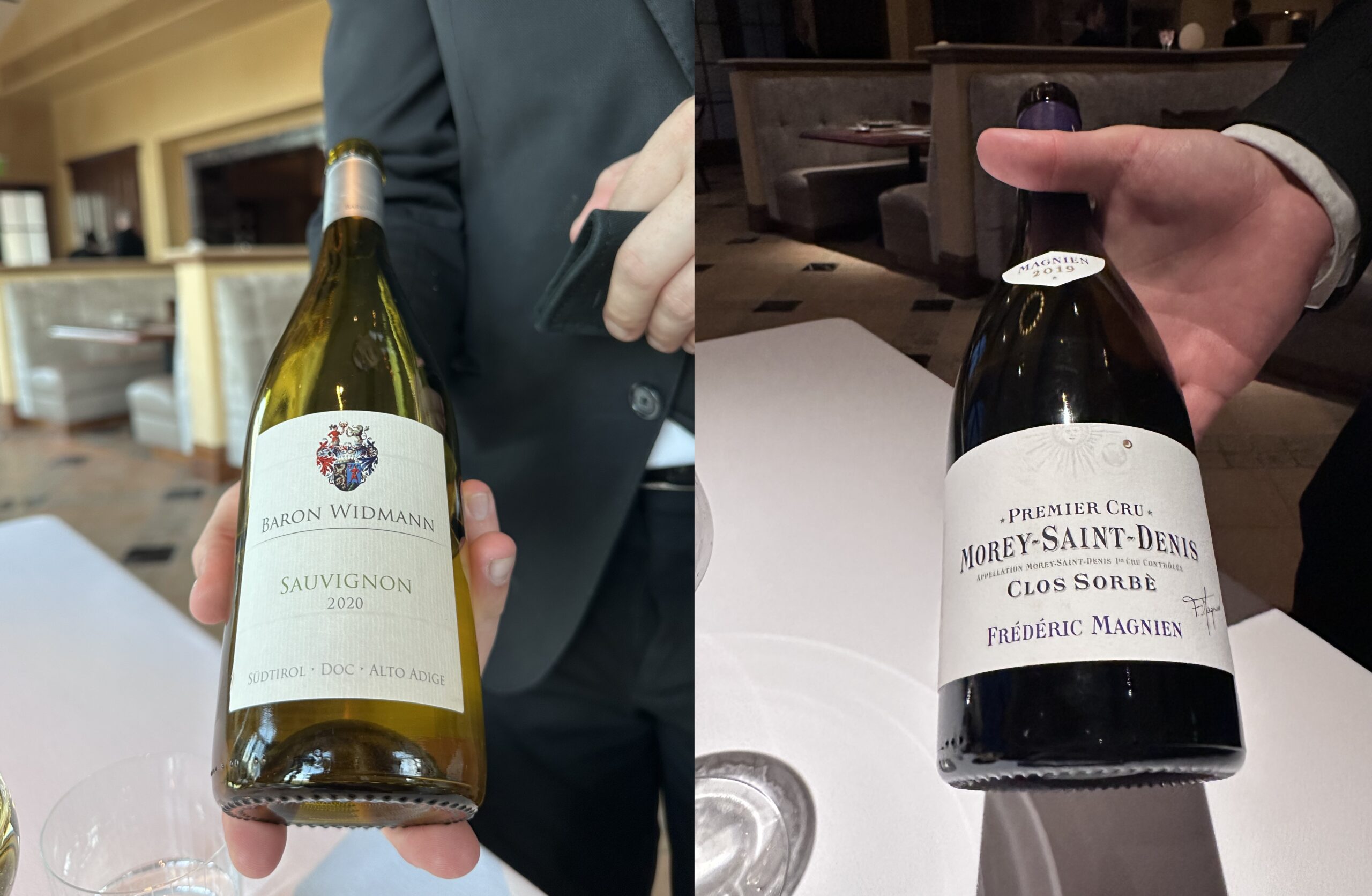
This was an outstanding dinner that showcased California’s agricultural bounty and cultural diversity. Diners are taken on a global journey with influences from many different cuisines, all touched with a distinct “Californian” flair. There were plenty of familiar flavors and dishes that were refined and elevated. Chef Bradley’s brilliance and his repertoire were on display this evening. The sommelier, at my request, paired the first half of the meal with a 2020 Sauvignon Baron Widdman from Northern Italy, while the latter part was paired with a 2019 Frederic Magnien ‘Clos Sorbé’ Morey-St.-Denis 1er Cru red wine from Burgundy.

Sweet Treats:

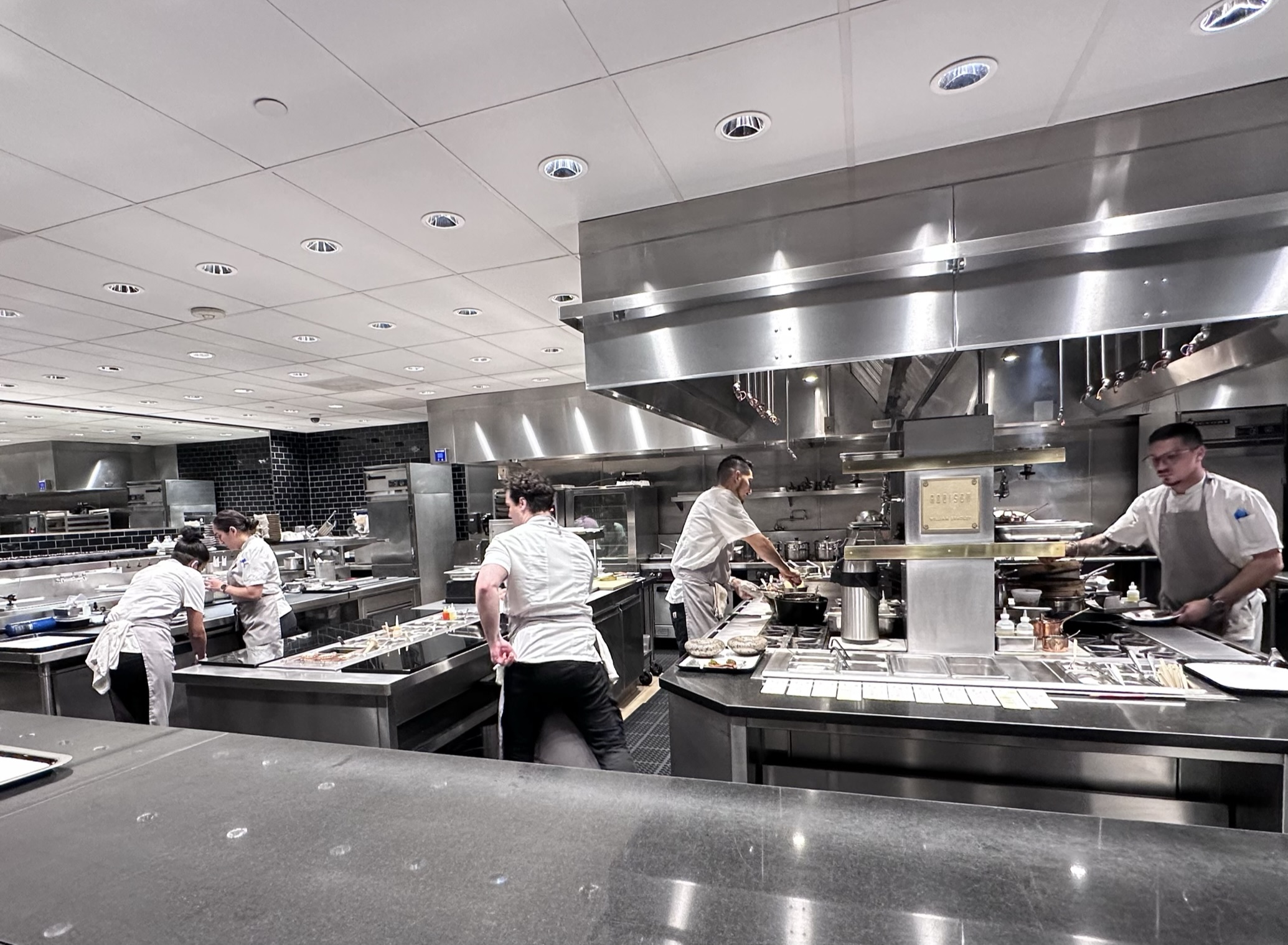
Addison’s service exemplifies Southern California’s laid-back attitude while also maintaining a sense of professionalism. The staff were authentic, personable, and warm, making you feel right at home. They were extremely knowledgeable and well-versed on every detail on the plate. Chef Bradley visited every table in the dining room and chatted briefly with guests during this visit. He was also there to greet guests on a kitchen tour at the end of the meal.

A visit to Addison is an expensive undertaking and, for many, a special occasion or once-in-a-lifetime experience. However, when given a chance to dine here, this is a great restaurant that delivers perfectly executed dishes matched with unparalleled service from an energetic staff.

San Diego has long been an underrated food city. However, as more establishments earn Michelin stars and international accolades, it is steadily transforming into a gastronomic hotbed, with Addison leading the way. Few major cities around the world can boast a restaurant that is both synonymous with the city and a must-visit destination. San Diego has that in Addison. Traveling gastronomes have been making the special journey to dine there, and rightly so—Addison is truly one of the finest dining establishments in the world.