What began as a humble coffee shop has since blossomed into a restaurant empire. Putien is a Singaporean chain specializing in Fujian cuisine, now with over eighty locations across Asia, including outposts in Mainland China, Hong Kong, Malaysia, the Philippines, and multiple venues throughout Singapore. The flagship and original location on Kitchener Road stands apart as the only one to have earned a Michelin star, holding one star from 2016 to 2024.
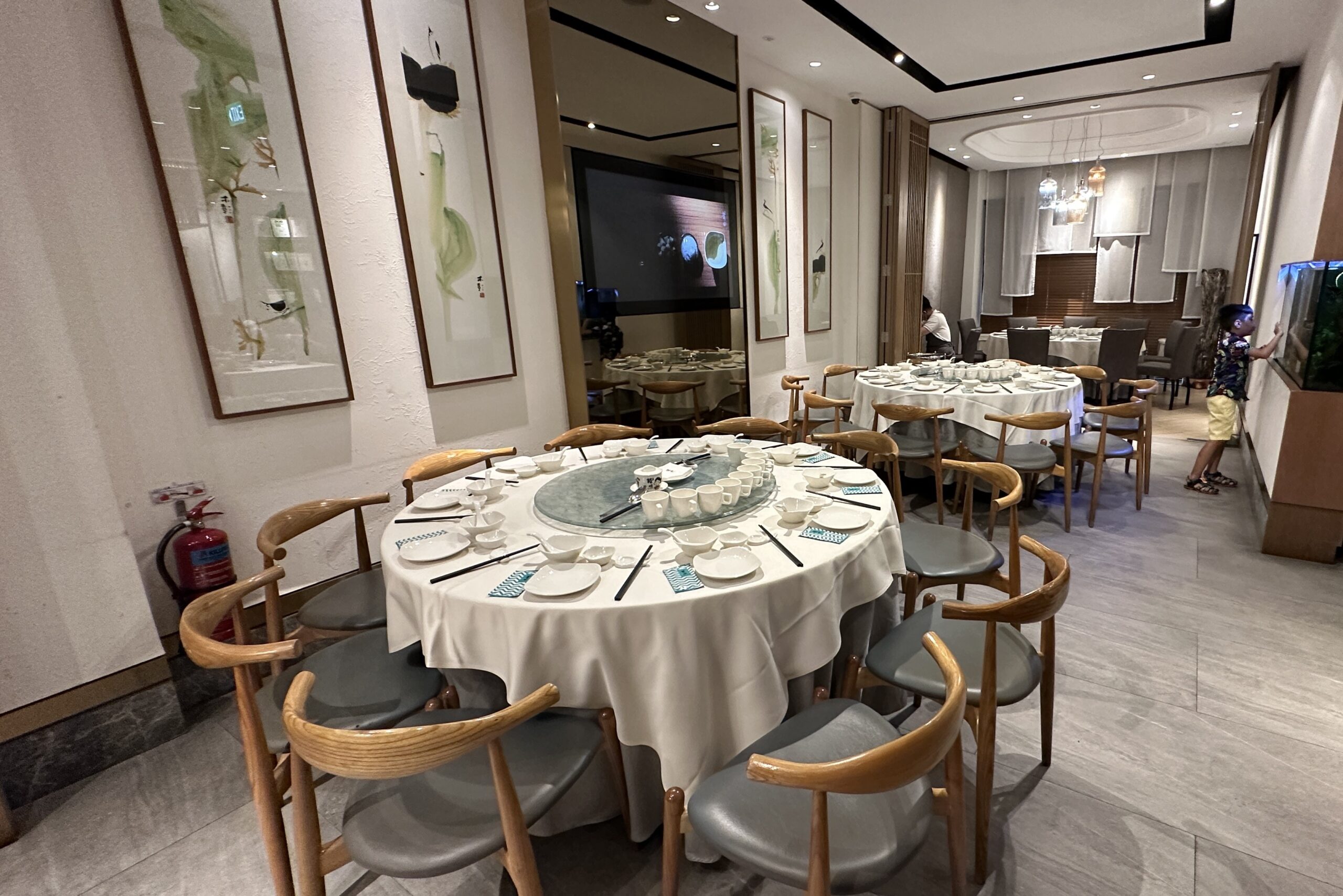
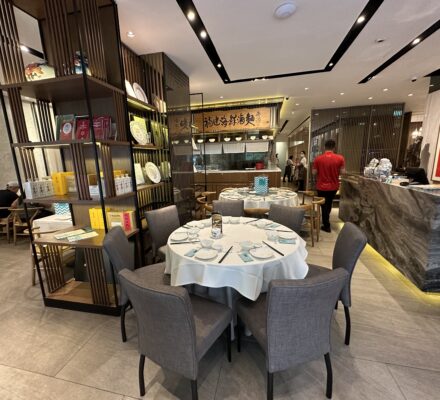
The dining room is bright and refreshing, dominated by blond wood tones that give the space a clean, welcoming feel. Tables are dressed in crisp white tablecloths and spaced comfortably apart, making the room feel relaxed rather than crowded.
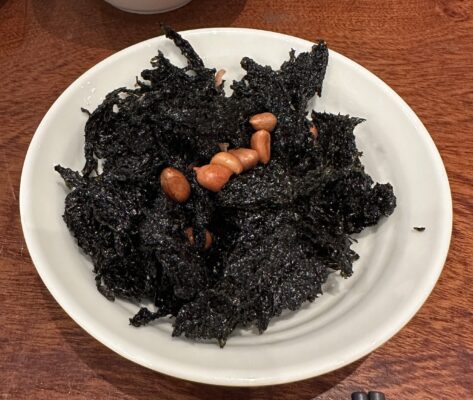
Putien’s menu is extensive, offering plenty of choice. Dining with a group allowed us to sample a good cross-section of dishes. Dinner began with complimentary crispy seaweed snacks while we studied the menu. Dishes arrived as they were finished cooking, which kept the pacing natural.
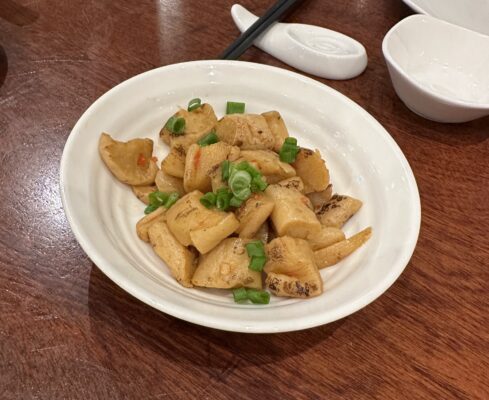
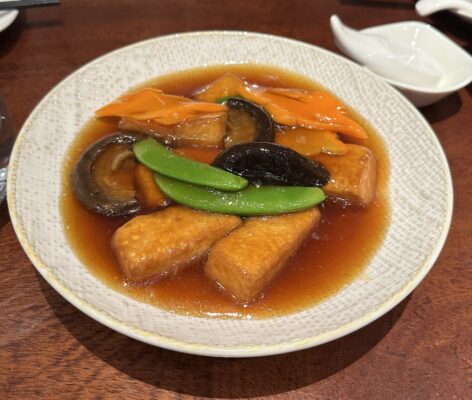
The Stir-Fried Yam stood out for its contrast in texture—gelatinous on the inside with a nicely fried outer layer. An off-menu Bean Curd with Mixed Vegetables was prepared especially for our vegetarian companion. The tofu was delicious, paired with impressively fresh vegetables whose flavors came through clearly. Everything was bathed in a brown sauce that delivered a satisfying savory sweetness without being heavy.
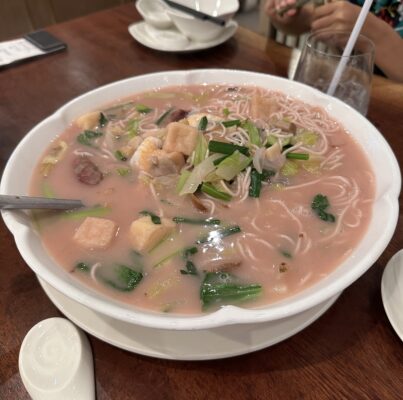
The Fujian Red Mushroom Seafood Lor Mee, which the menu notes contains thirteen fresh ingredients, was a true seafood delight. Served in a generous bowl, the milky, slightly watery broth carried deep earthy and savory notes, enriched by an abundance of seafood and noodles.
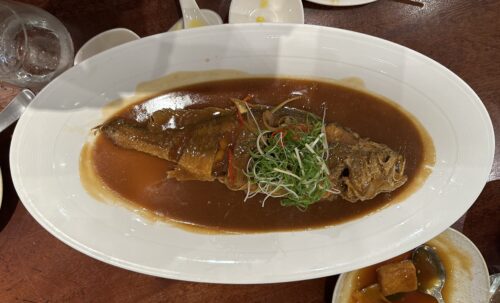
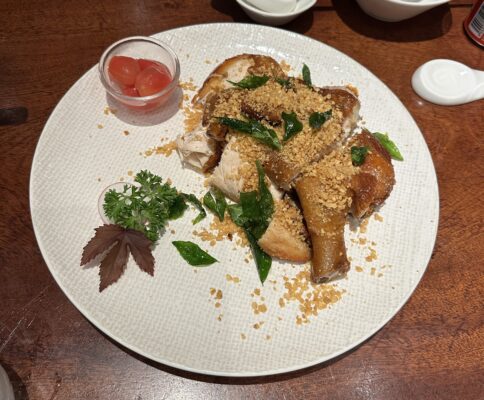
The Pan-Fried Yellow Croaker was pan-seared, then gently braised in a lightly sweet soy-based sauce. The fish was crusted beautifully on the outside, while the flesh remained soft and delicate. The sauce infused the fish with a balanced salty-sweet flavor, showing careful, confident cooking. The Deep-Fried Chicken with Garlic featured ultra-crispy skin and remarkably moist meat. The garlic was present and aromatic but never overpowering, allowing the other seasonings to shine.
The food here is straightforward, nothing flashy or overly complicated, but everything is well executed, flavorful, and made with very fresh ingredients. Portions are generous and ideal for family-style dining. For a party of six, the meal came to about $200 USD, which felt very economical for the quality and quantity.
Service was solid and efficient, with capable staff who kept everything running smoothly. Overall, Putien is an excellent choice for anyone seeking honest, delicious Fujian cooking in a comfortable, pleasant setting—proof that simplicity, when done right, can be deeply satisfying.
Shibumi 815 S. Hill St. Los Angeles, CA 90014 (323) 484-8915 Official Site
One Michelin-starred Shibumi, located in Downtown Los Angeles (DTLA), is a Japanese restaurant specializing in kappo-style cuisine. Its chef and owner, David Schlosser, has a strong Michelin pedigree, having honed his skills at three-Michelin-starred restaurants such as Georges Blanc in Vonnas, L’Arpège in Paris, and Kikunoi Honten and Arashiyama in Kyoto, Japan. In the U.S., he has worked at Masa Takayama’s Ginza Sushi-ko and Urasawa in Beverly Hills. Chef Schlosser opened Shibumi in 2016, and received a Michelin star in 2019, which it has maintained ever since.
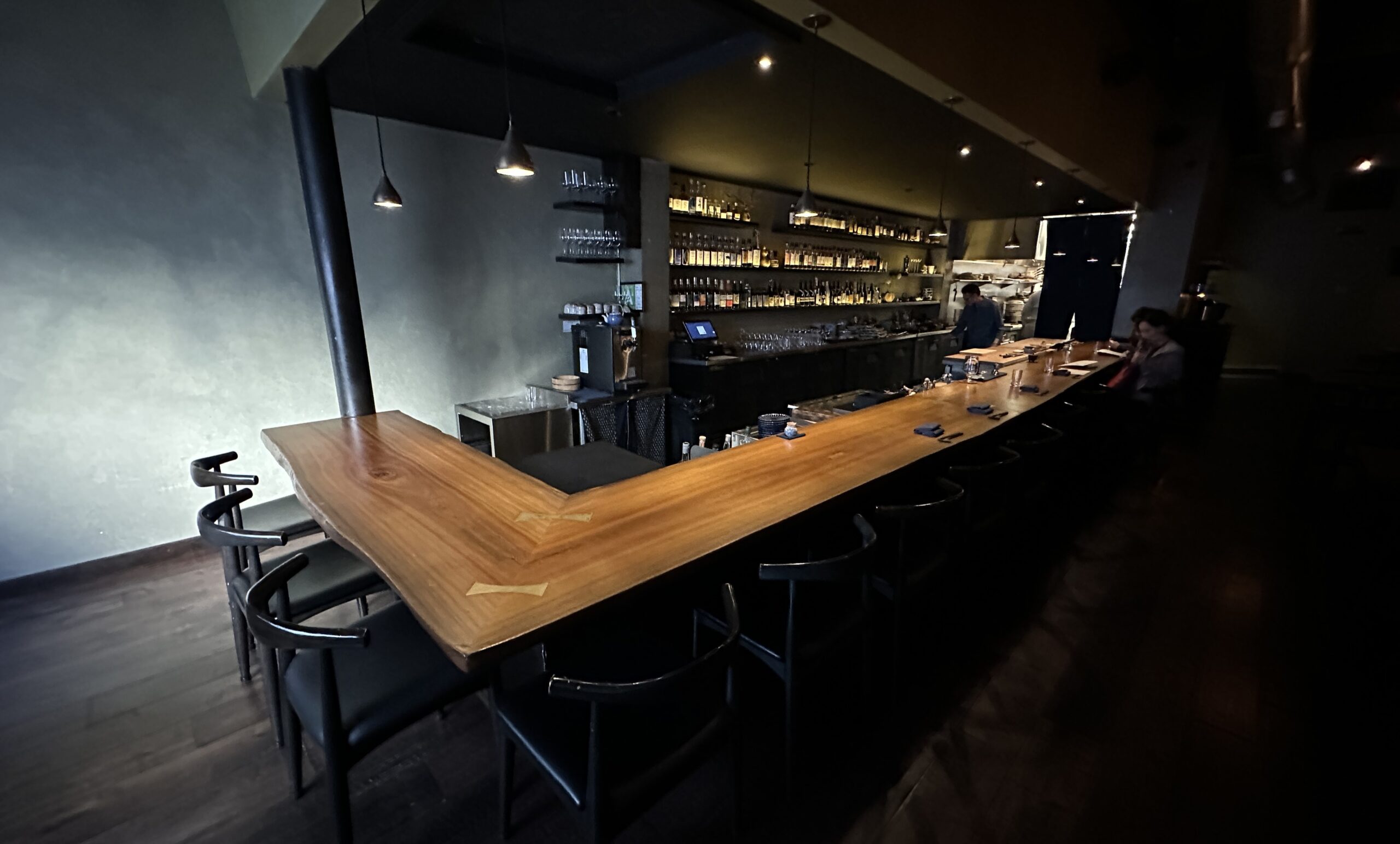
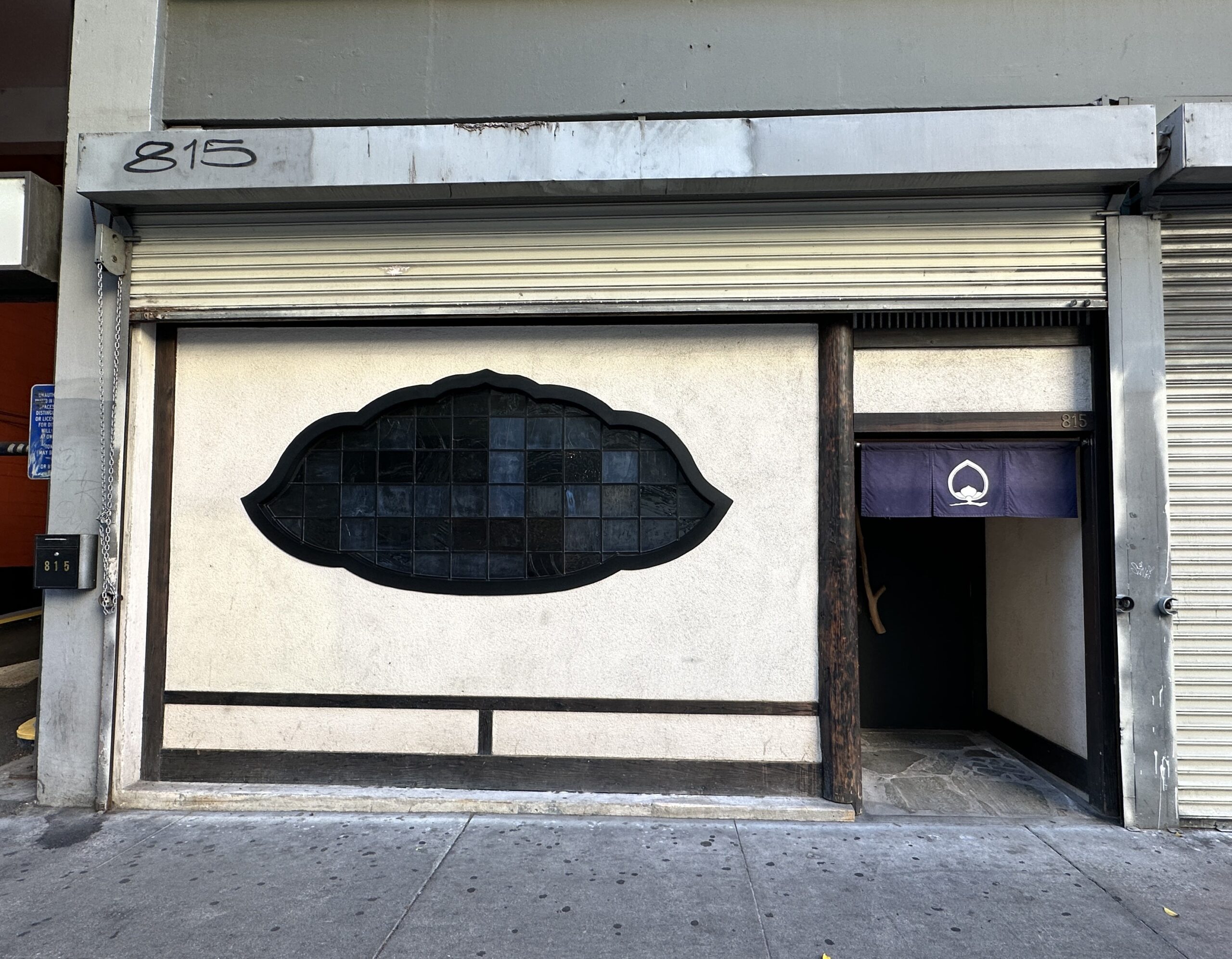
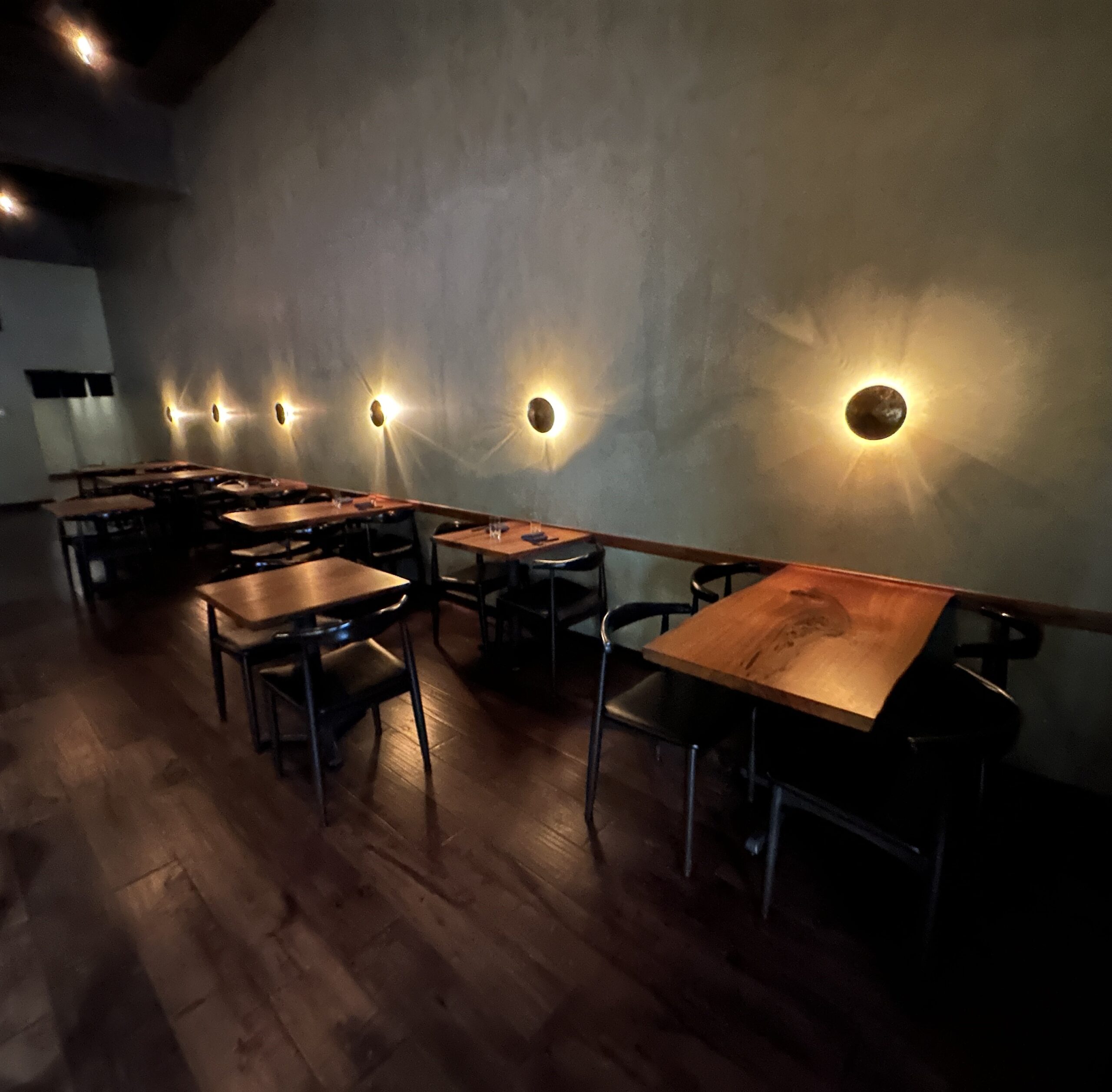
Shibumi’s facade is highly distinguishable and hard to miss along S Hill Street. The restaurant features a spacious, softly lit dining room that can accommodate up to forty guests. Its modestly designed space includes sparsely spaced dark wooden two-top tables and a long L-shaped counter with a 400-year-old wood top.
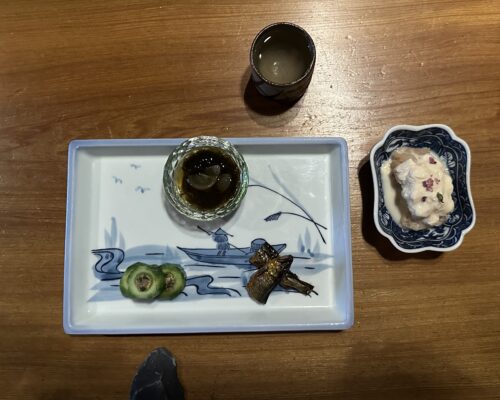
The restaurant offers a multi-course option priced at $125, available only in the evening. Dinner begins with “Hassun,” a collection of small dishes served with sake. These include “Chiayu,” young sweetfish tsukandani, a small fish cut in half that is sweet and salty. The cucumber stuffed with salted plum, smoked bonito, and sesame is crunchy and highlighted with wonderful salinity. The fresh yuba with shrimp, dashi joyu, and shiso flowers is rich with a pleasant subtlety, while the Mozuku shot with green grapes combines a profound seaweed taste with the sweet, alcoholic fruitiness of the grapes.
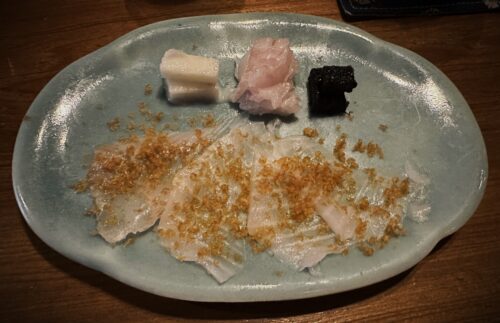
Sashimi of the moment featured thinly sliced flounder, offering a delicate taste that lingered on the palate. It was dusted with dried mullet roe, adding a subtle crunch, and accompanied by an intriguing nori jelly. A slimy-textured potato yam and a salty flounder belly cut sashimi rounded out this dish with contrasting textures and flavors.
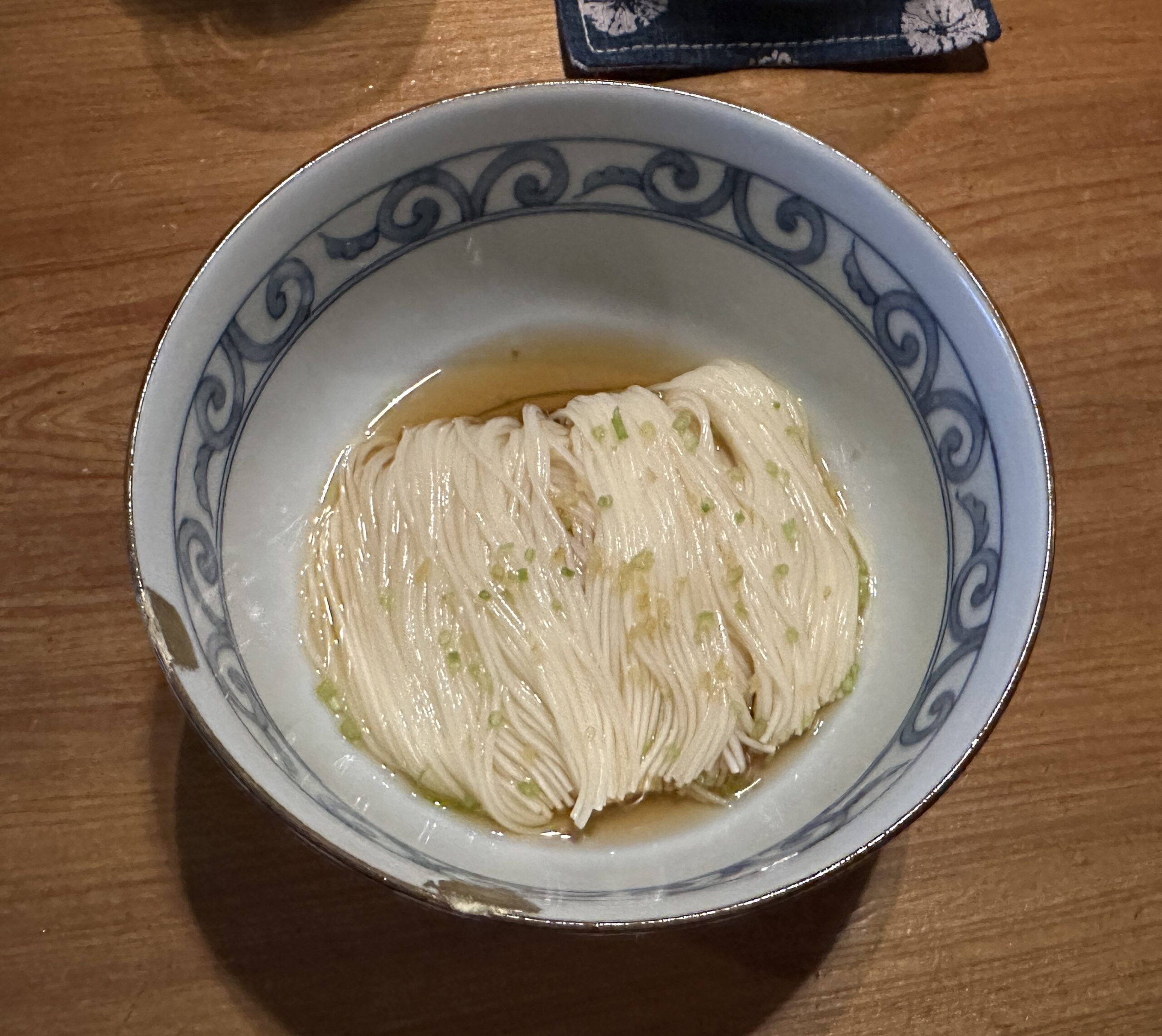
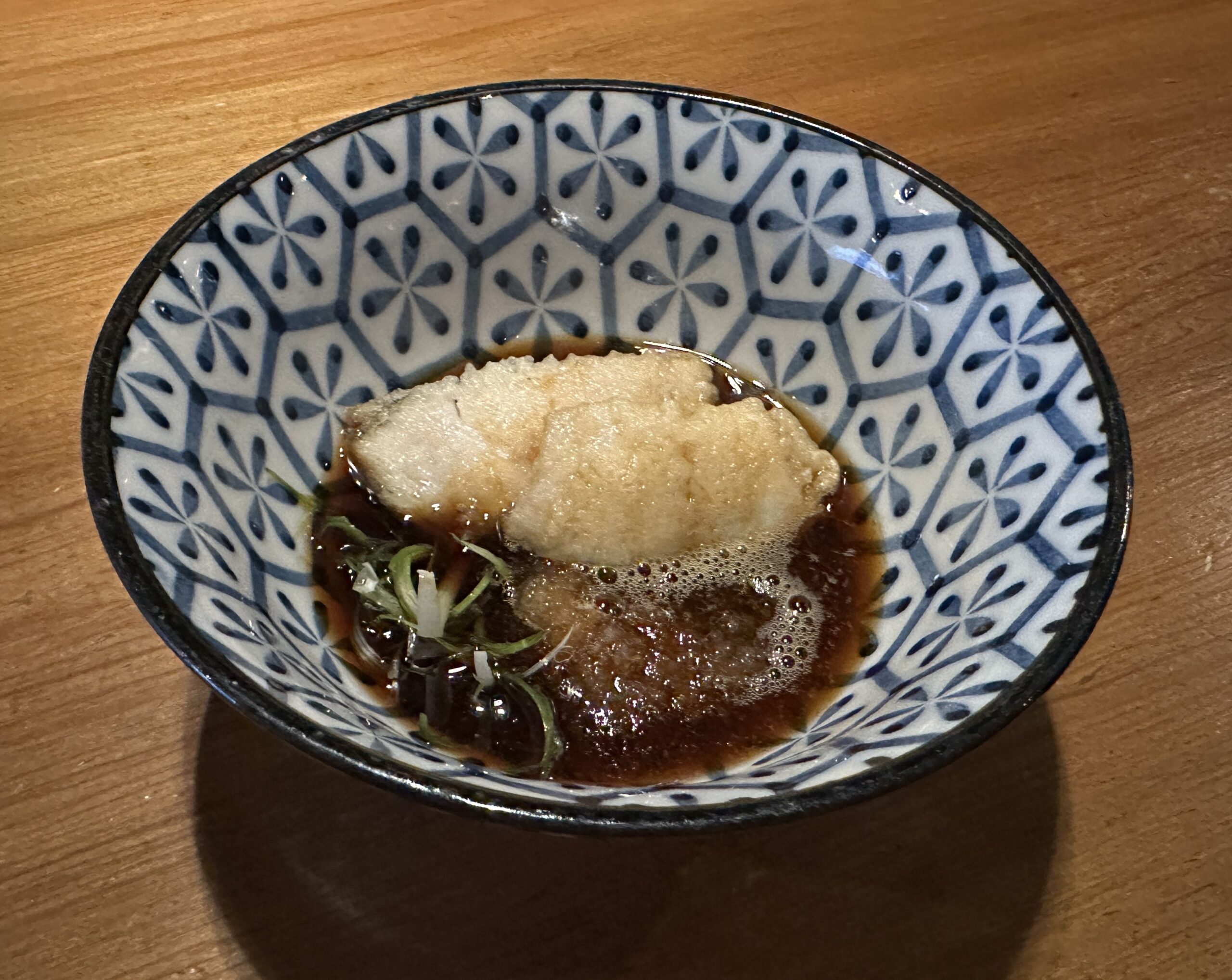
Next, the Chilled somen noodles, pearl tomato, japanese parsley, summer vegetables arrived. The dish was refreshing, with a pleasant acidity provided by the tomatoes, balancing the lightness of the noodles. The Tempura of black cod, warm dashi, grated radish followed after. Bathed in a warm, umami-rich dashi broth, the cod was perfectly fried, with a wonderfully crisp crust that soaked up the dashi, creating a delightful harmony of flavors. The grated radish added a hint of bitter spiciness that enhanced the dish.
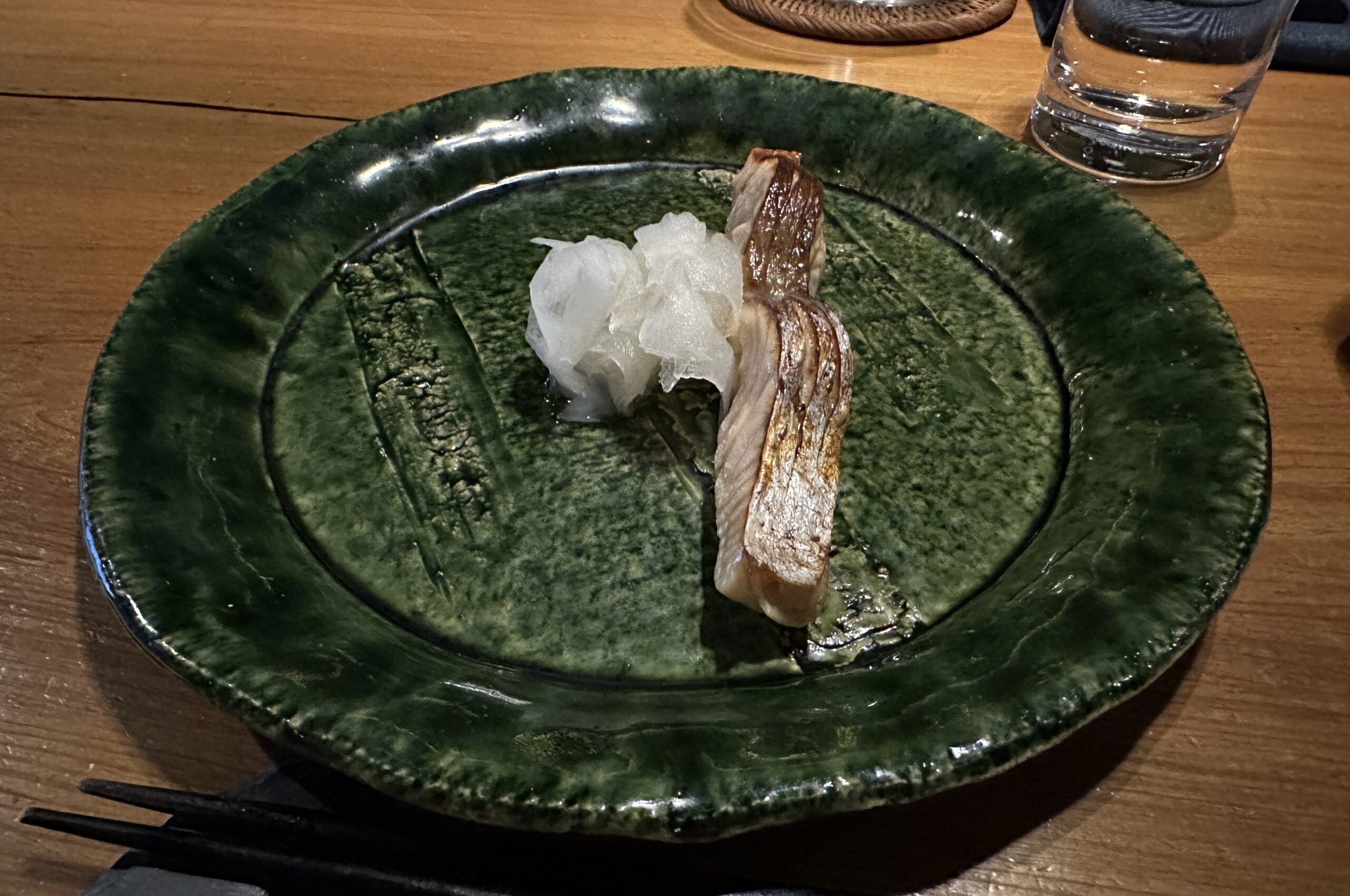
Sakura masu – smoked, grilled Japanese cherry trout served as the main course and was cooked elegantly. The skin had a charred texture, while the fish itself carried a pleasant smokiness. A side of pickled daikon provided a sweet and sour contrast that complemented the trout beautifully.
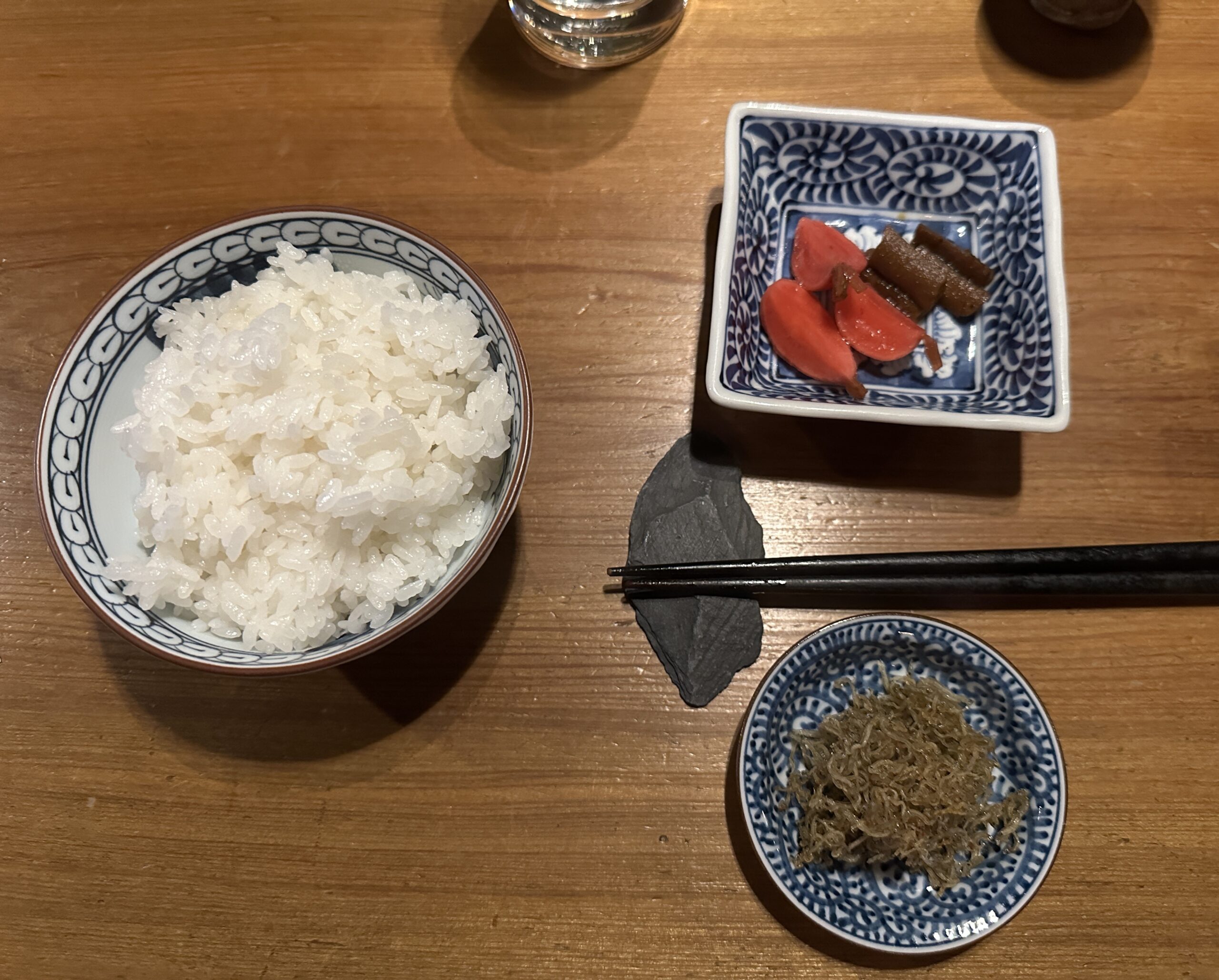
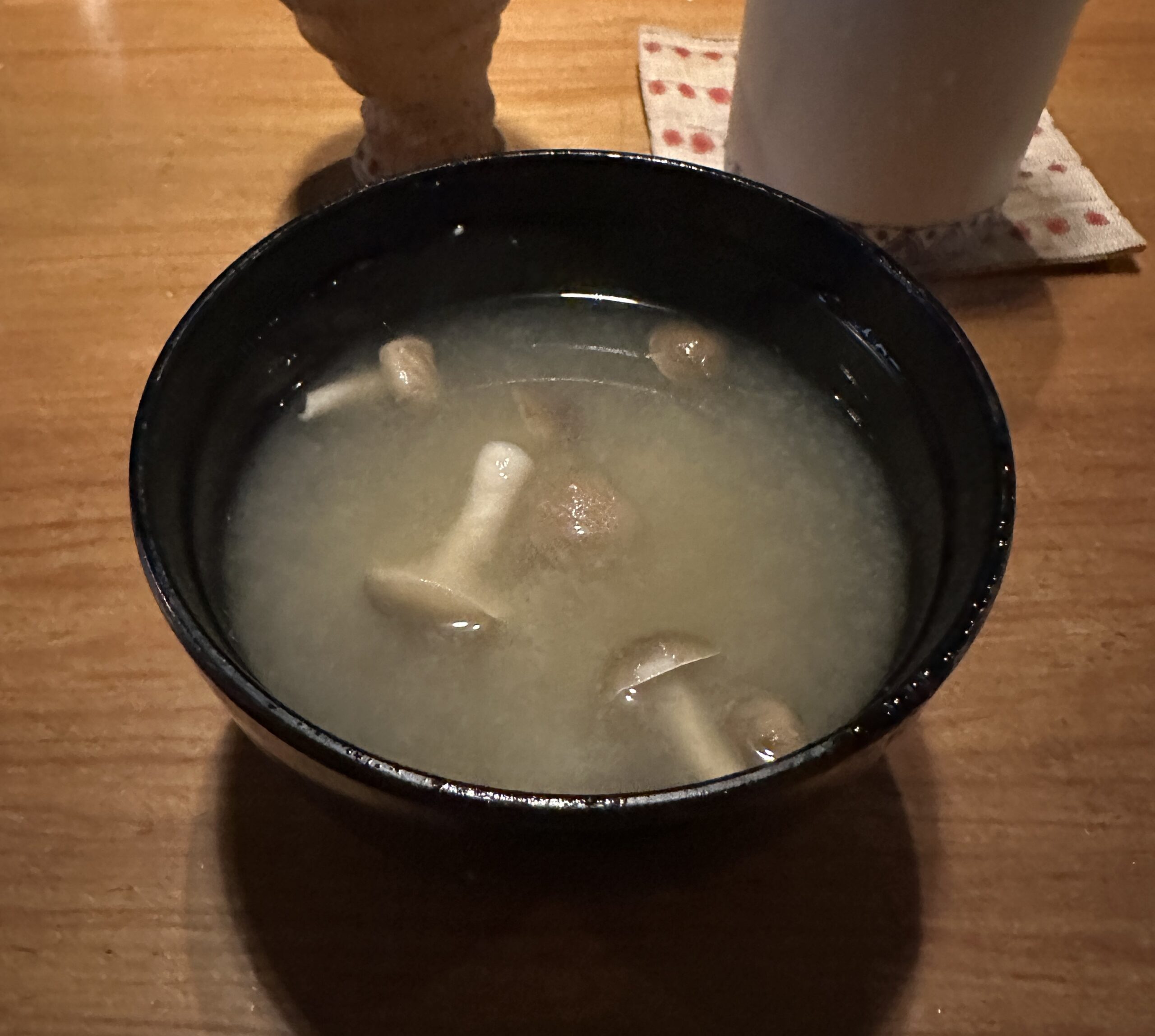
The rice dish featured Iron pot rice from iwate – ginga no shizuku variety, house miso in smoked dashi broth, tororo shaved konbu, shitake, salted shirashu white bait boiled in seawater. Mixing the rice with the other components resulted in a comforting, flavorful dish. The deep-fried shirashu added a crispy texture and a burst of salty flavor, while the pickled vegetables contributed an extra layer of tangy sourness. The miso soup had a refined earthiness, rounding out the meal.
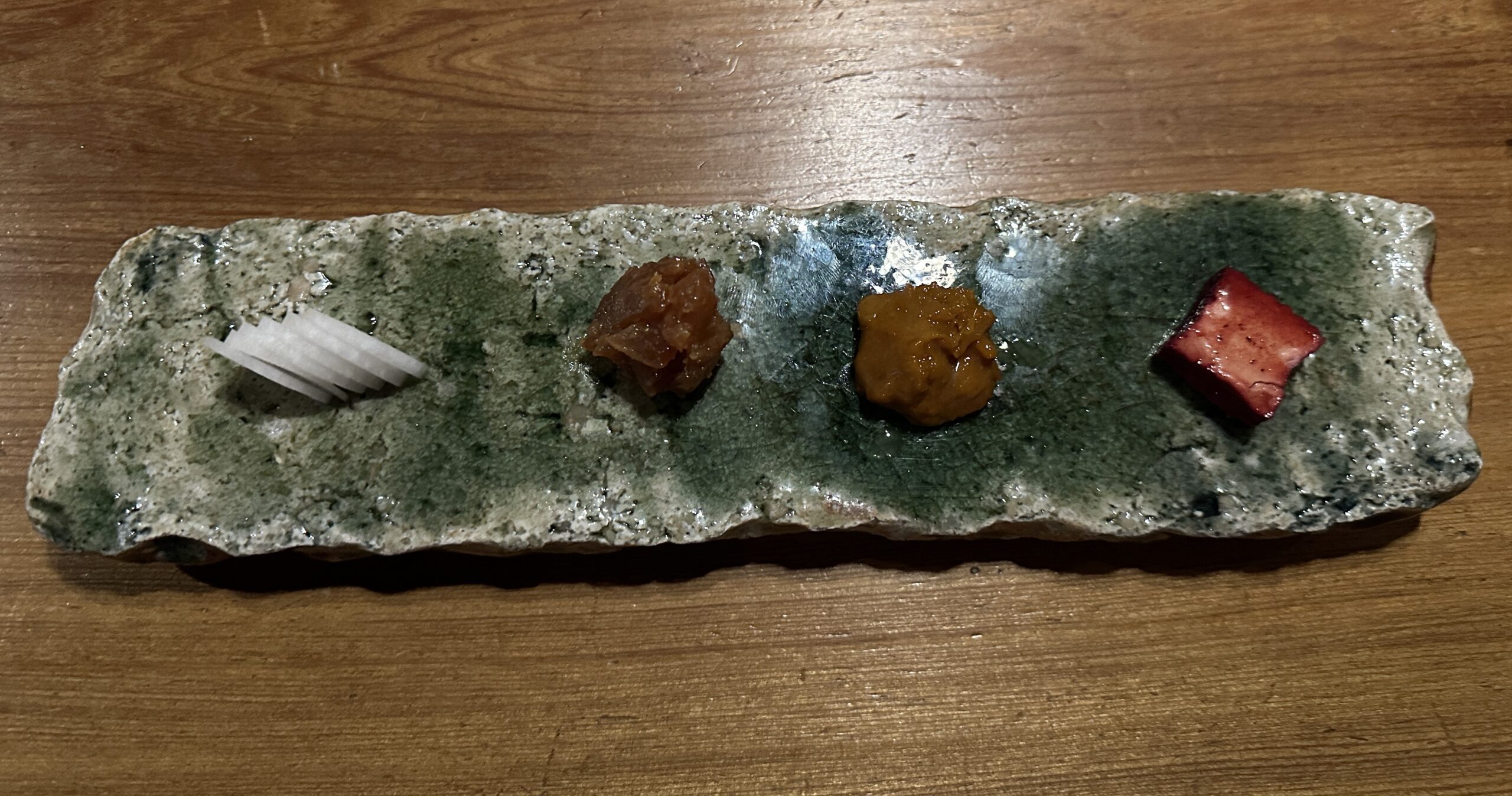
Before dessert, I was offered supplemental small dishes. I chose the 3-month-cured uni, which was pungent with a cheese-like consistency, and the Okinawan red koji tofu, which delivered a strong, biting salinity that was both intriguing and intense.
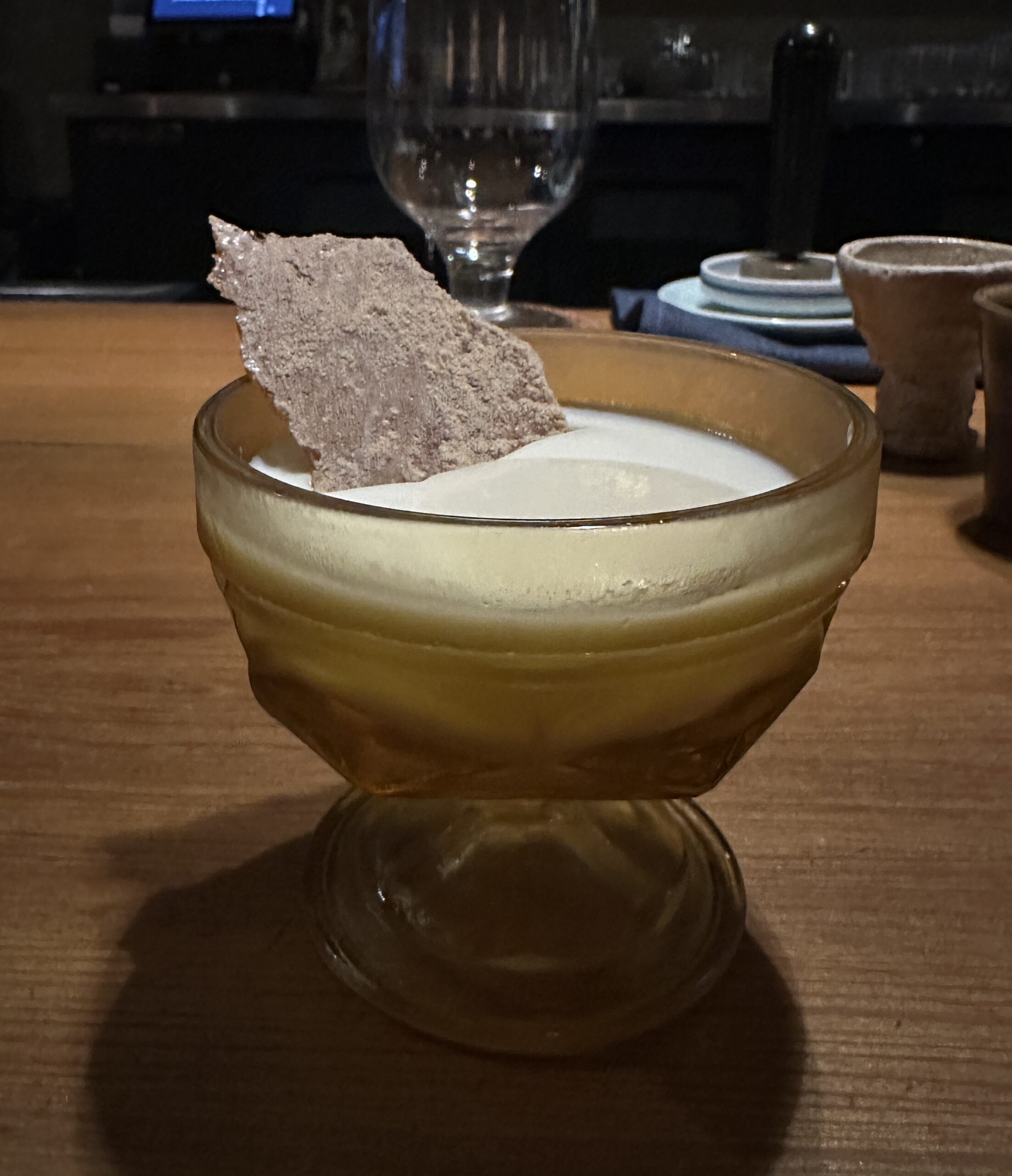
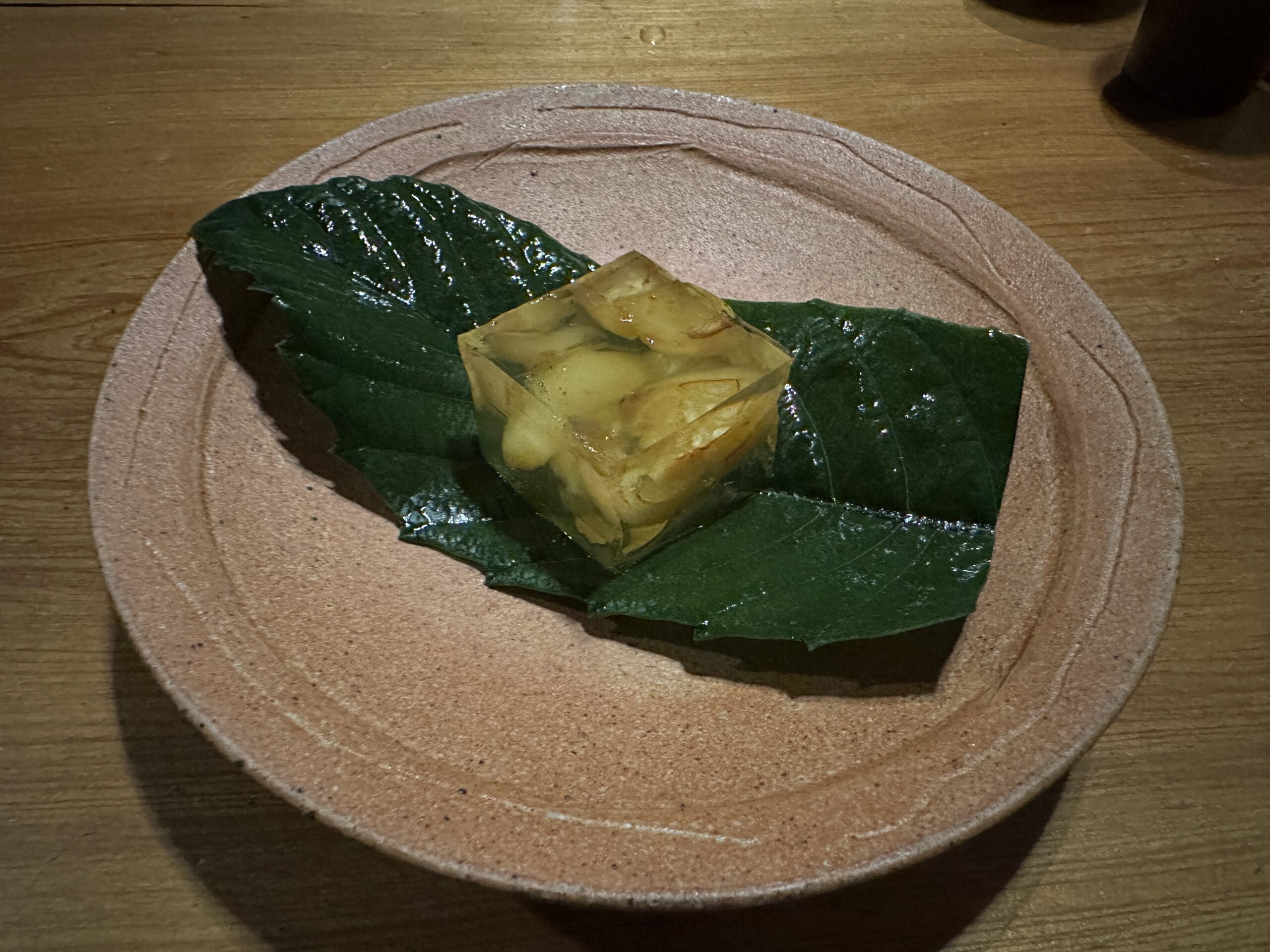
For the sweet course, the Koji custard with yatsuhashi cinnamon crackers was served cold, offering a refreshing touch to the palate with just the right amount of sweetness. The final dish, Poached loquat in elderflower gelée, was a gelatin-like dessert with a delightful sweet fruitiness.
Dinner was enjoyable, with food that was uncomplicated yet evocative of traditional Japanese flavors that were clean and subtle. Each plate was composed with detailed precision, showcasing quality ingredients at their peak. Shibumi offers a well-rounded selection of sake and shochu, along with an extensive array of Japanese whisky to complement the meal.
The service is informal, with a laid-back approach that creates a relaxed atmosphere. The staff is personable, including the chefs behind the counter, making the dining experience fun and convivial. Sitting at the counter is preferred for engaging with the staff and enhancing the overall experience.
Considering the price tag, dinner at Shibumi offers great value and is more approachable for many, especially in an expensive city like Los Angeles. The restaurant provides guests with uncomplicated traditional food in a fun and un-stuffy setting, solidifying its place as a noteworthy restaurant in Los Angeles.
Kashiwaya 2-5-18 Senriyamanishi, Suita, Osaka, 565-0851, Japan +81 6-6386-2234 Official Site
As the third most populous city in Japan with over 2 million inhabitants, Osaka is widely known as the kitchen of Japan, a title bestowed upon the city during the Edo period. It boasts a diverse gastronomic landscape offering various cuisines at different price points. In fact, Osaka has the fourth highest concentration of Michelin-starred restaurants on Earth, surpassing other culinary centers such as Hong Kong, London, and New York. However, it is often overshadowed by Japan’s more famous cities like Tokyo and Kyoto. Among the notable establishments in Osaka is Kashiwaya, one of the city’s three Michelin-starred restaurants.
Kashiwaya has been a family-operated restaurant since 1977 and is currently under the ownership of Chef Hideaki Matsuo , the son of the original owner. Chef Matsuo assumed the role of master chef in 1993, and under his guidance, Kashiwaya garnered two stars in the first Michelin guide in 2009 for the Kansai region. The coveted third star followed a year later in 2010, a distinction it has proudly maintained ever since. Additionally, Kashiwaya holds the Michelin Green Star award and is a distinguished member of the prestigious Relais & Châteaux hotel and restaurant group.
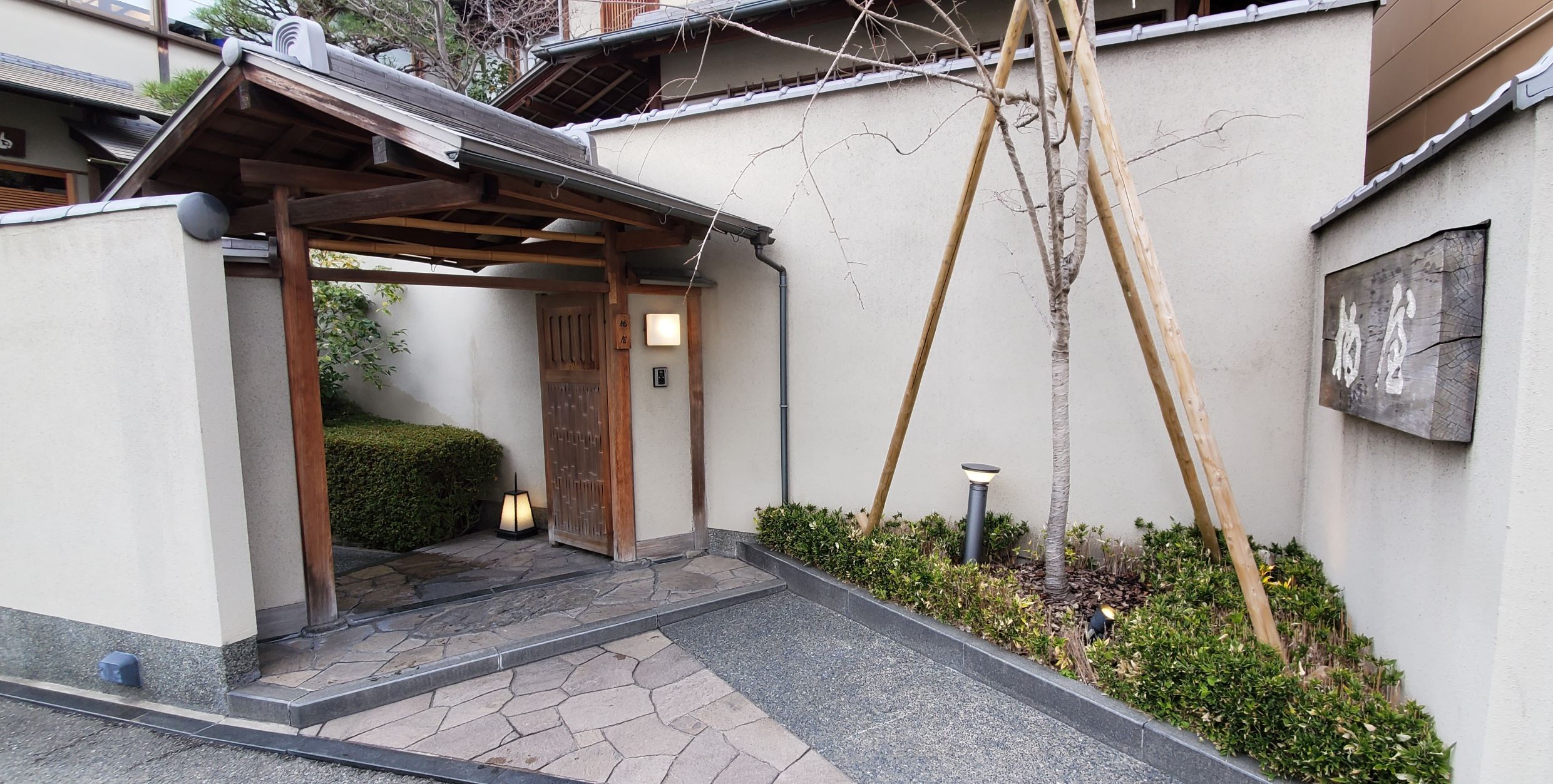
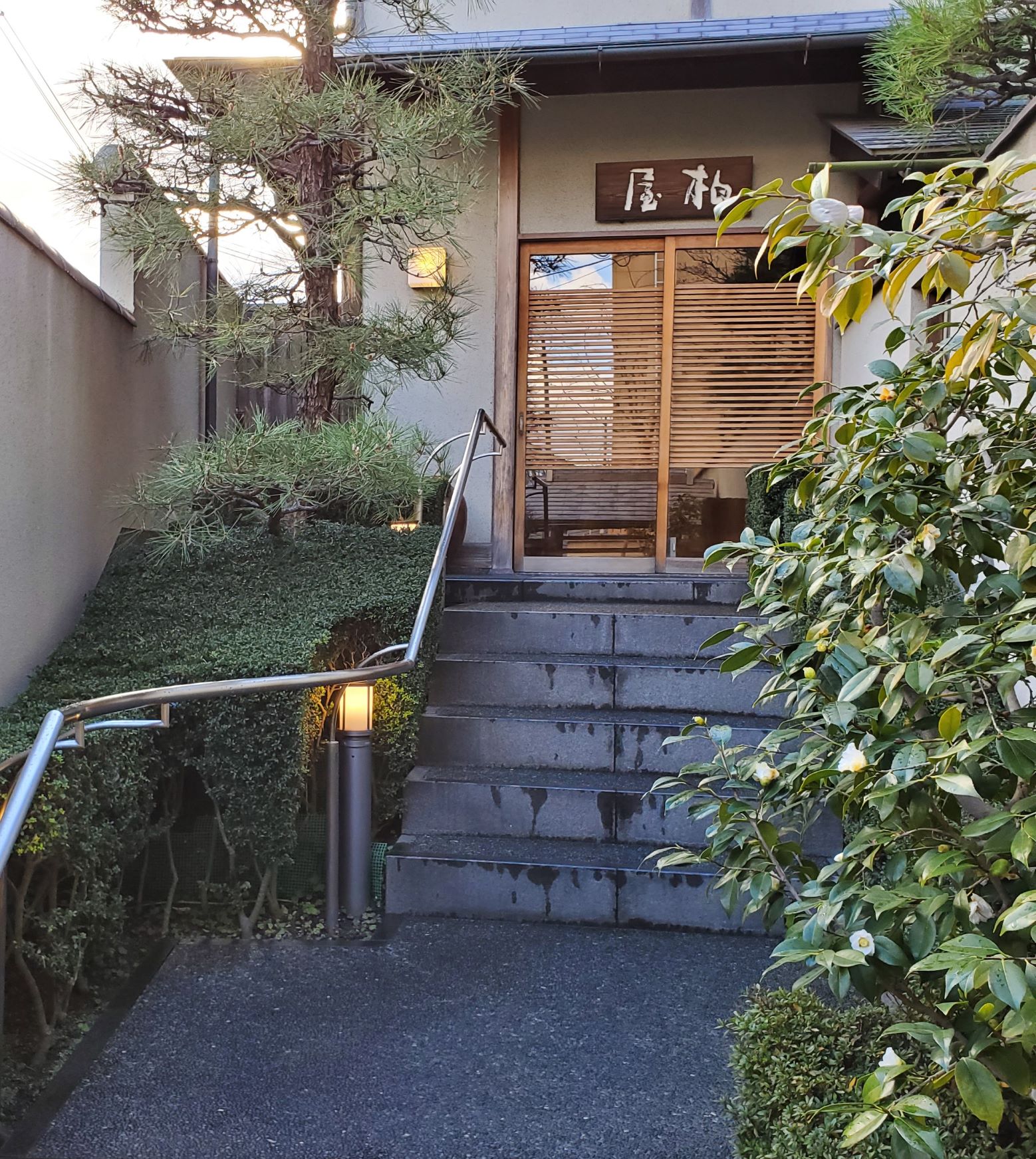
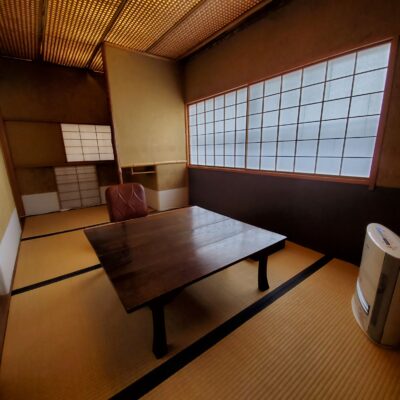
The restaurant is situated in the Suita district outside Osaka’s city center, and taking a taxi is the most convenient and recommended mode of transportation to reach it. Kashiwaya’s unassuming facade seamlessly blends with the other houses on the street, making it easy to overlook. Upon entering the gates, guests are greeted by a serene Japanese garden, setting a tranquil atmosphere. A gracious hostess, dressed in a traditional kimono, warmly welcomes me and guides me through a sliding door to my washitsu, or Japanese traditional room. I immediately feel a sense of privacy as I have the room all to myself. The room is furnished with a short table, a back-supporting cushion, and floors covered in thick tatami mats where I had to sit during the duration of this meal.
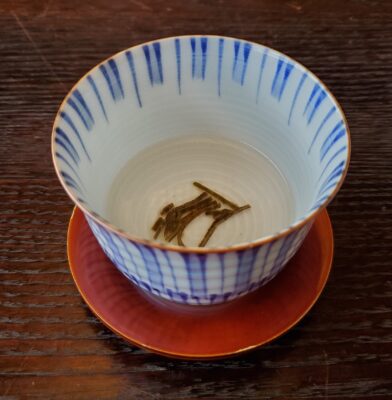
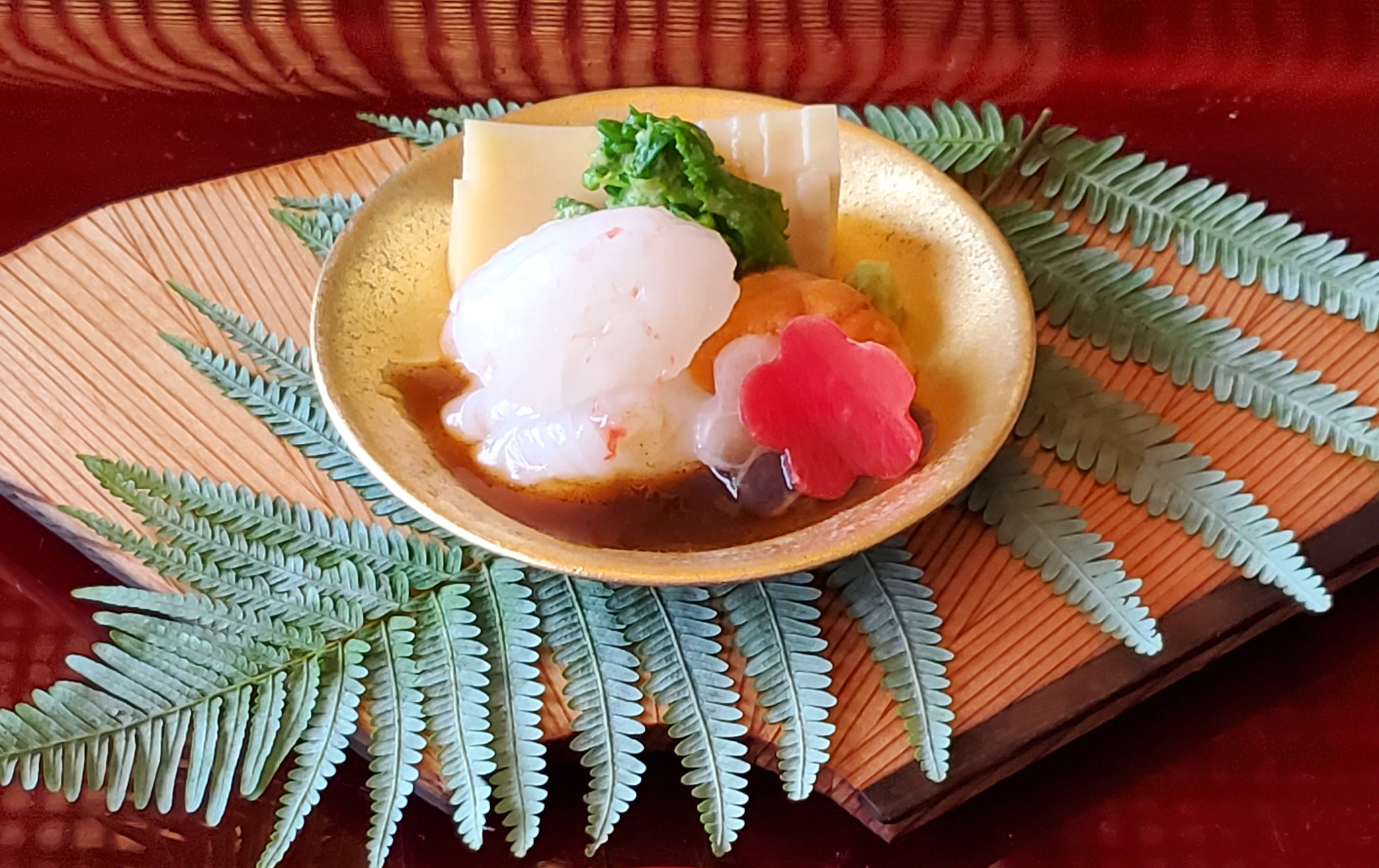
There are multiple kaiseki options offered at the restaurant, but on this visit, I opted for the “Ran” menu. Before starting the kaiseki, a delightful plum tea was presented, awakening the palate. This was immediately followed by the first course of Sakizuke – spot prawn, sea urchin,canola flower with butterbur paste, yam, carrot and radish, wasabi. This dish exuded a pleasant oceanic essence, with the prawns offering a beautiful sweetness. The spicy bitterness supplied by the radish and wasabi helped create a well-balanced dish.
“Ran”:
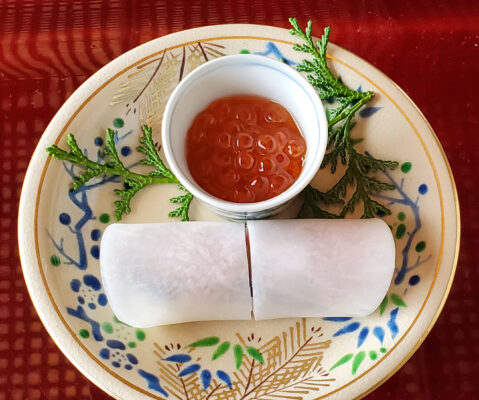
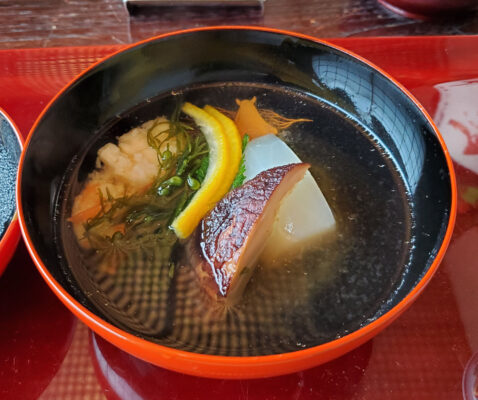
Kae – mackarel sushi rolled in turnip, salmon roe was the next. The raw turnip was crunchy, and its mild spiciness was perfect with the mackerel’s fatty features. Meanwhile, the side of salmon roe provided a wonderful saltiness to the dish, especially when eaten together. Then came the Nimonowa – Ise lobster, shiitake mushroom, turnip, jinbasou, syungiku, yuzu. This bowl of soup was infused with robust lobster flavors, accompanied by pleasant earthy notes. The lobster meat, mushrooms, and other vegetables wonderfully absorbed the flavor-packed broth.
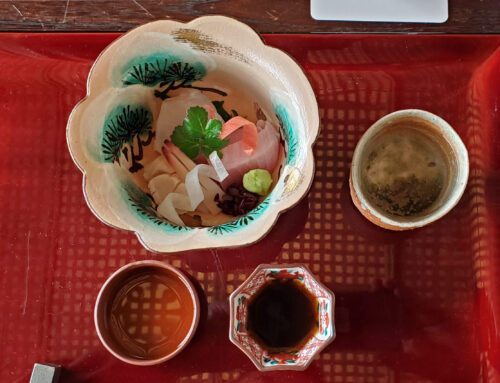
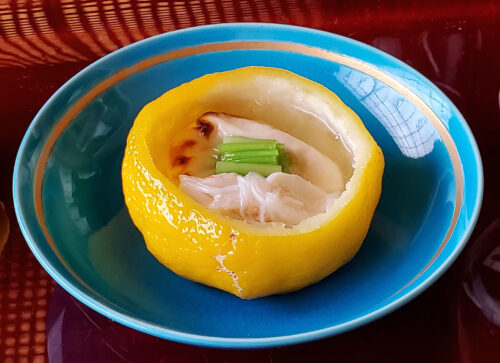
On to the sashimi course of Otsukuri – Long tooth grouper, tuna, Miru clam, bofu, carrot and radish, red tade, wasabi, two soy sauces (mixed with kelp and sudachi juice). The sashimis were fresh and clean tasting. They were served with two kinds of soy sauce, each imparting a different type of saltiness to the sashimis, both of which were equally terrific. That was followed by the Kan – Matsuba crab, blowfish milt, mitsuba with Yoshino kazu starch soup in yuzu cup. Presented within a whole yuzu, this wonderful dish features a thick starchy texture combined with flavorful crab meat and the intriguing salty creaminess of the blowfish milt. Following instructions, I squeezed the yuzu cover, revealing another dimension to the dish.
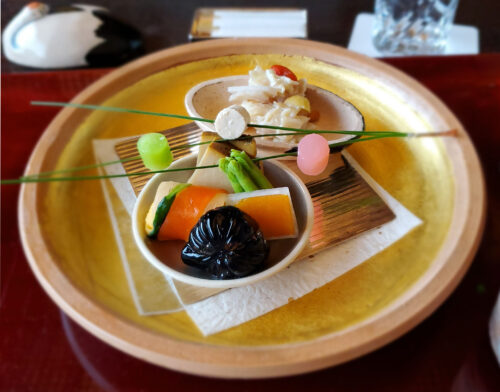
Hassun – Egg yolk sushi (salmon, halfbeak, cucumber), abalone, karasumi and radish, black bean jelly, tara sprout, Shirae (soba see, white cloud mushroom, lotus root, ginkgo, pine nut mixed with tofu paste) – Udo, ricotta cheese, stem lettuce skewered on pine needle was served on two small plates. One plate featured egg yolk sushi wrapped in salmon, halfbeak, and cucumber, offering interesting blends of eggy sweetness, a touch of sourness, and the freshness of the fish. Additionally, thick pieces of superb abalone and sweet black bean jelly adorned this plate. The other plate held a tofu salad with very good earthy notes
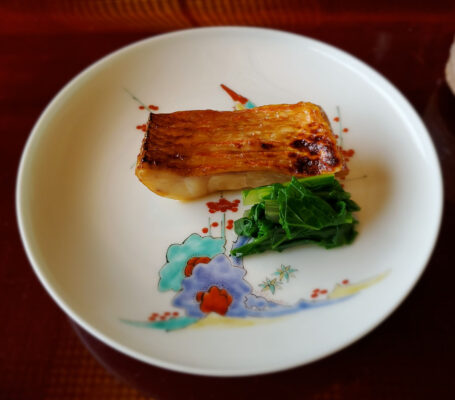
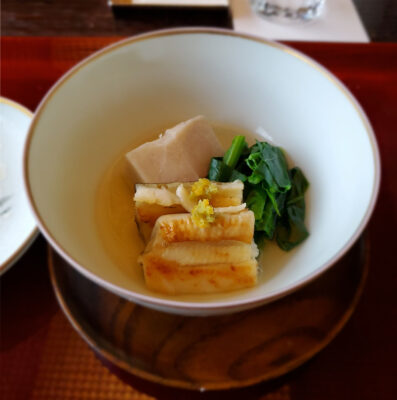
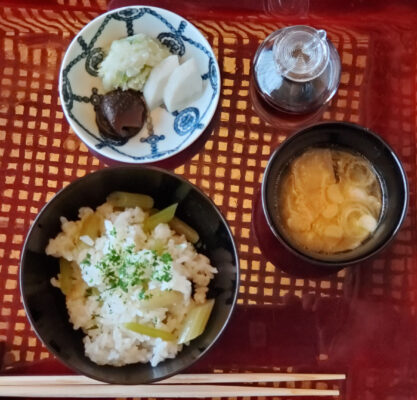
The Yakimono – Tilefish grilled with misoyuan sauce, hataken with mustard was grilled elegantly. The fish was delicate, and the skin was extra crispy. Its sharp salinity was perfectly balanced by the bitterness of the mustard leaf. Next came the Hachi – Densuke conger eel, ebiimo (taro), spinach, tachibana pepper. The eel was prepared masterfully, so delicate it melted like cotton candy in the mouth, and it was extremely delicious. The dashi kombu broth produced an umami taste that elevated the eel to another level. Gohan Shiru – Steamed rice mixed with butterbur, Japanese pepper leaf, saikyo miso soup (shiokujira, radish, white leak, mustard) was the final savory course of this kaiseki. The steamed rice emitted beautiful vegetal aromas, and the miso soup, containing salted whale meat, was uniquely tasty.
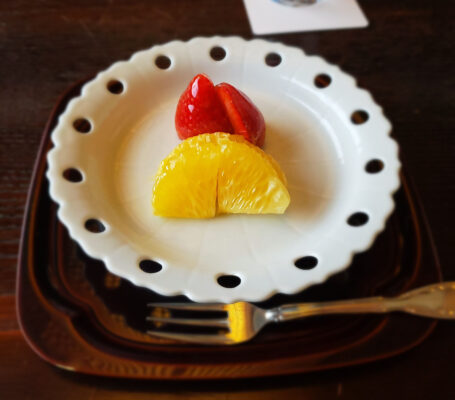
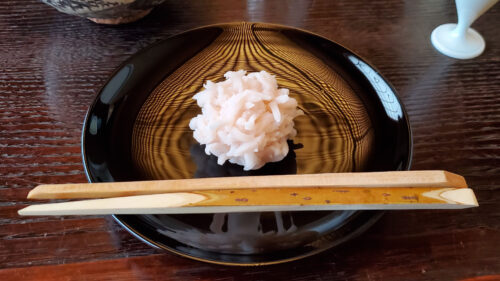
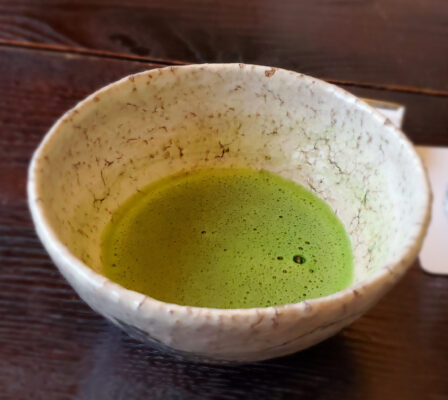
Transitioning over to the sweet courses, I was served the Mizumono – Hassaku and strawberry, which featured Hassaku, a citrus from Japan, and Japanese strawberries. These fruits were truly exceptional, incredibly fresh and vibrant. To conclude the meal, I enjoyed the Kashi – Akebono kinton, which had a grainy texture with a subtle sweetness that I found enjoyable. It was accompanied by matcha tea that was creamier and different from what I’ve had before.
Kashiwaya’s seafood-centric kaiseki was excellent, showcasing cooking at the highest level and an unparalleled attention to detail. The cuisine was characterized by simplicity, yet it boasted beautiful flavors that were both light and subtle. Chef Matsuo meticulously sources the finest, in-season ingredients, allowing him to utilize them at their absolute peak.
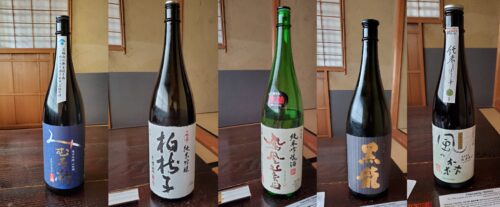
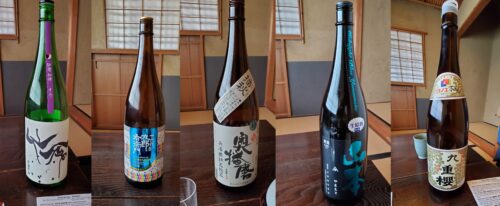
Opting for the sommelier-recommended sake pairing with this kaiseki was indeed a wise choice. The selection comprised ten premium brands of sake from various regions of Japan. Each sake, with its distinct characteristics, impeccably enhanced the flavors of each course. The sommelier’s choices were spot on and added an extra layer of enjoyment to the dining experience.
The service was exceptional. The female servers, dressed in impeccably arranged kimonos, were highly respectful and communicated fluently in English, likely due to the significant number of foreign diners visiting. They were unobtrusive, displaying a keen sense of privacy by knowing precisely when to clear empty plates or refill glasses of water, appearing inside the room seamlessly. At the end of the meal, Chef Matsuo graciously made an appearance to express gratitude for my visit and ensure my safe departure in a taxi. Japanese hospitality was truly on display that evening.
Sake Pairing:
There are multiple kaiseki options offered at different price points at Kashiwaya, making it accessible to many. While those with deeper pockets can indulge in an option that showcases more premium ingredients at a higher price point, the “Ran” option that I had was more than enough to experience how wonderful this restaurant is at a fair price.
In Osaka, where there is an abundance of dining choices, Kashiwaya stands out as the restaurant to visit for traditional kaiseki dining at the highest level. This three Michelin-starred establishment delivers an impeccable dining experience.